### The Chilling Echo in the Applause

There's a certain kind of quiet dread that settles in long after the house lights come up on The Fan. It’s not the jump scares or the overt shocks – though the film certainly delivers those, perhaps controversially so. No, it’s the unsettling resonance of its central theme: the dangerous hairline fracture between adoration and obsession. Released in 1982, The Fan arrived before the internet amplified celebrity access and fan entitlement to fever pitch, yet its portrayal of a disturbed admirer crossing every conceivable line feels startlingly, chillingly prescient. It forces us to ask, where does admiration curdle into something far more sinister?
### A Star Under Siege
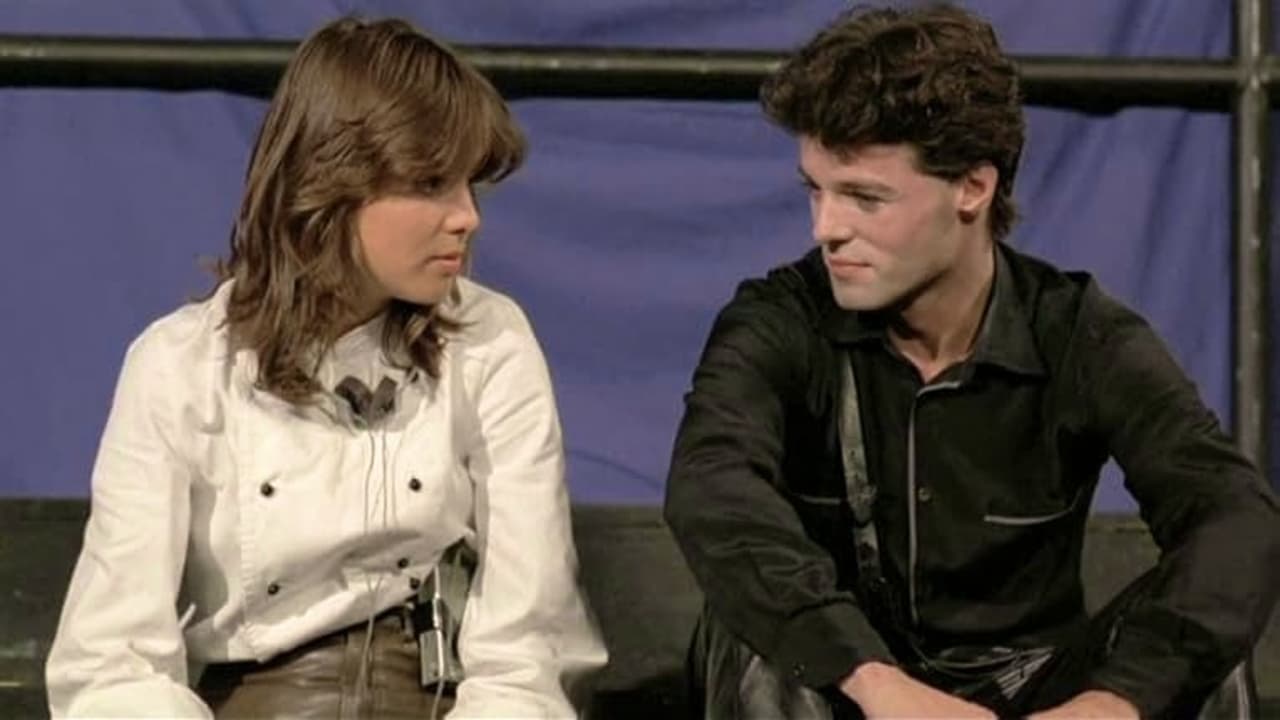
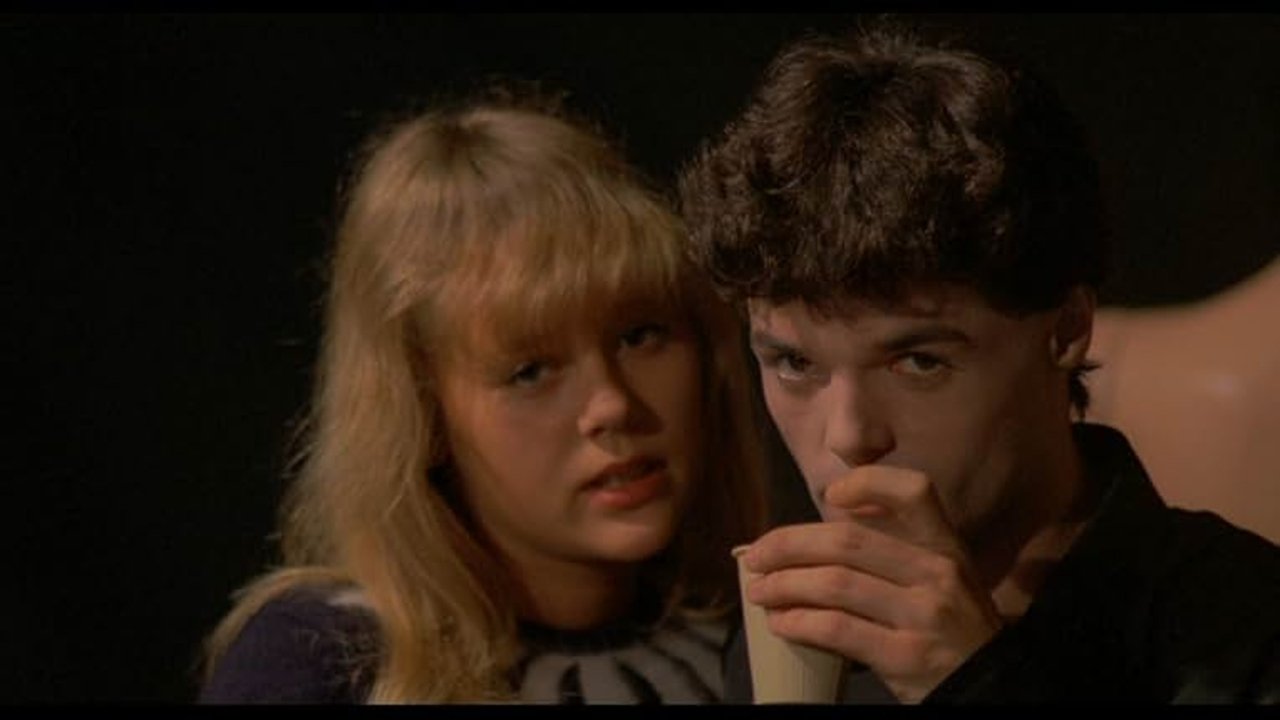
At the heart of the storm is Sally Ross, a Broadway legend brought to life with weary glamour and palpable vulnerability by the iconic Lauren Bacall. Returning to a major leading role, Bacall imbues Sally with a lifetime's worth of stage command, but also the brittle uncertainty of a woman realizing her public persona offers no shield against a private terror. Her admirer, Douglas Breen, played with terrifying blankness by a young Michael Biehn in a truly star-making turn (just a couple of years before he’d face off against Schwarzenegger in The Terminator), begins as just another face in the crowd, another signature requested. His letters, initially professions of undying devotion, slowly twist into demands, then threats, each sentence tightening the psychological screws. James Garner, dependable as ever, provides a grounding presence as Sally's ex-husband Jake, the concerned protector trying to intervene, while the wonderful Maureen Stapleton offers warmth and loyalty as Sally’s long-suffering secretary, Belle.
### Performance as Revelation
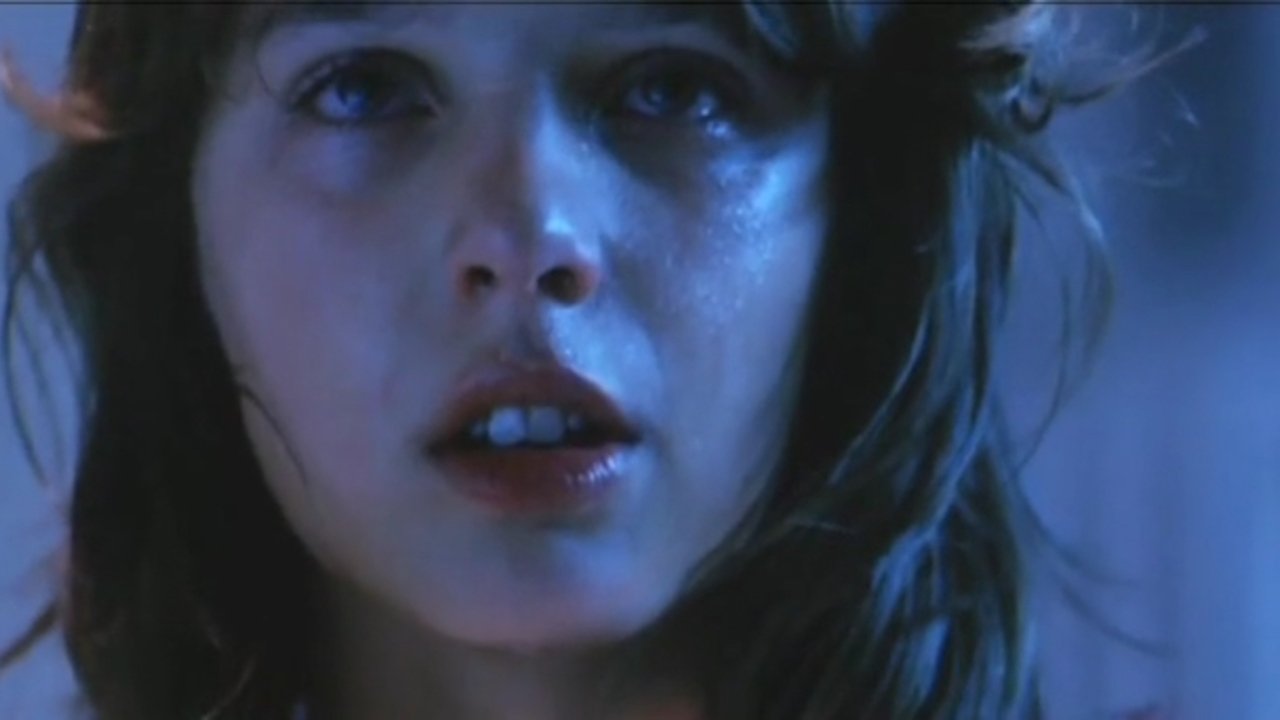
The film truly belongs to its two leads. Bacall is magnificent, navigating Sally’s journey from dismissive annoyance to raw, paralyzing fear. You see the cracks appear in her carefully constructed facade; the slight tremble in her voice, the haunted look in her eyes that belies the practiced smile. It’s a performance that reminds you why she was, and remains, Hollywood royalty – capable of conveying immense strength and devastating fragility simultaneously. Opposite her, Michael Biehn is a revelation. His Douglas isn't a mustache-twirling villain; he's unnervingly ordinary, his handsome face a mask for a chillingly detached pathology. There's a quiet intensity in his gaze, a methodical creepiness in his movements that makes him far more terrifying than any boogeyman. He embodies the banality of evil, the stalker who could be anyone, anywhere. Watching him here, it's easy to see the raw talent that James Cameron would later tap for iconic roles in The Terminator (1984) and Aliens (1986).
### A Tale of Two Tones
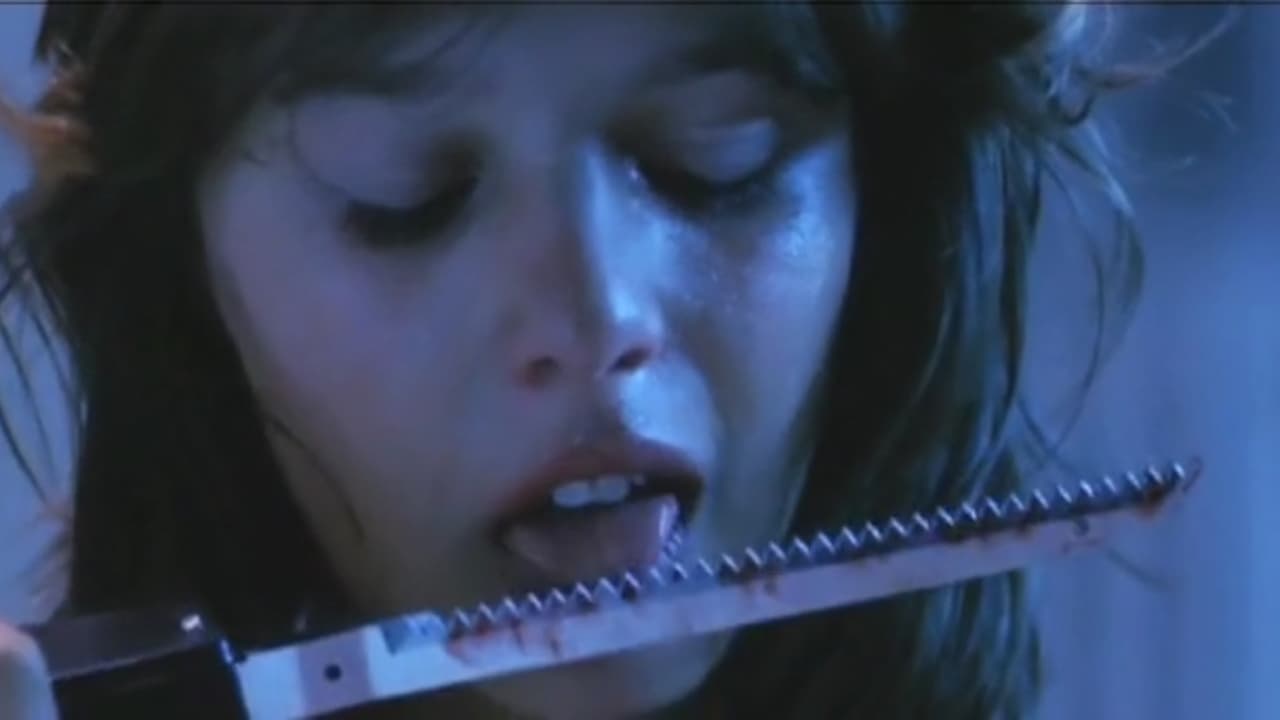
Directed by Edward Bianchi, making his feature film debut after a successful career in commercials, The Fan initially builds tension with admirable restraint. The early scenes, focused on the escalating intimacy and menace of the letters, cultivate a genuine sense of unease. The score by Pino Donaggio (a frequent collaborator with Brian De Palma, known for scoring Carrie and Dressed to Kill) effectively underscores the psychological dread. However, the film takes a sharp, controversial turn in its latter half, veering into more explicit slasher territory. This shift, reportedly driven by producer Robert Stigwood (the powerhouse behind musical hits like Saturday Night Fever and Grease) seeking a more commercial, visceral impact, feels somewhat jarring. Whispers from the production suggest Lauren Bacall herself was deeply unhappy with the increased gore, feeling it undermined the psychological thriller she had signed on for. This clash of tones – the Hitchcockian suspense giving way to something closer to the burgeoning slasher cycle – ultimately hobbles the film's overall coherence, even if the violent sequences are undeniably impactful, albeit grimly so. The film, made on a respectable $9 million budget, sadly failed to connect with audiences, grossing only around $3.1 million – perhaps a casualty of this tonal dissonance and studio nervousness.
### Echoes in the Empty Theatre
Despite its flaws and troubled production, The Fan lingers. It taps into a primal fear – the vulnerability that comes with being seen, truly seen, by the wrong person. The Broadway setting provides a compelling backdrop, the artifice of the stage contrasting sharply with the raw danger unfolding offstage. While some of the plot mechanics feel a bit creaky now, and the ending feels more dictated by genre convention than character logic, the core performances remain incredibly powerful. Bacall commands the screen, and Biehn creates an unforgettable portrait of obsession. It stands as a fascinating, if imperfect, early exploration of toxic fandom, a theme that has only become more relevant in the decades since its release. Does the film exploit the violence it depicts, or does it serve as a stark warning? That's a question viewers might still wrestle with after the tape clicks off.
Rating: 6/10
Justification: While hampered by a jarring tonal shift likely born from production interference and some dated slasher tropes, The Fan is elevated significantly by powerhouse performances from Lauren Bacall and a chillingly effective Michael Biehn. Its exploration of obsessive fandom remains unsettlingly relevant, and the initial psychological tension is well-crafted. It's a flawed gem from the early 80s thriller landscape, memorable more for its leads and its uncomfortable subject matter than its overall execution.
Final Thought: A film that perhaps tried to be two things at once, but the chilling performance by Michael Biehn and the sheer star power of Lauren Bacall facing stark terror make it a noteworthy, if sometimes uncomfortable, artifact of the VHS era. It leaves you pondering the dark side of the spotlight long after the credits roll.