The digital ghost in the machine wasn't always so sleek. Before high-speed connections and curated profiles, there was the dial-up screech, the anonymous void of text-based chat rooms, and a creeping sense of unease about who might be lurking on the other side. It’s this primordial soup of early internet anxiety that Strangeland (1998) taps into, leaving a grimy residue that feels disturbingly relevant even decades later. Forget jump scares; this film aimed for something deeper, more violating – a crawl-under-your-skin kind of dread.

Welcome to the Dark Playground
The premise is chillingly simple, echoing headlines that were just beginning to emerge in the late 90s. Detective Mike Gage (Kevin Gage, perhaps best known later for his intense turn in Michael Mann's Heat [1995]) investigates the disappearance of local teens, including his own daughter. The trail leads him into the nascent world of online chat rooms, specifically to a user known only as "Captain Howdy." What unfolds is a descent into a subculture of body modification, ritualistic torture, and the blurred lines between online persona and real-world depravity. The film captures that specific late-90s fear perfectly – the dial-up modems blinking like malevolent eyes, the glow of CRT monitors illuminating faces in darkened rooms, the terrifying unknown of who you were really talking to.
The Twisted Mind of Captain Howdy
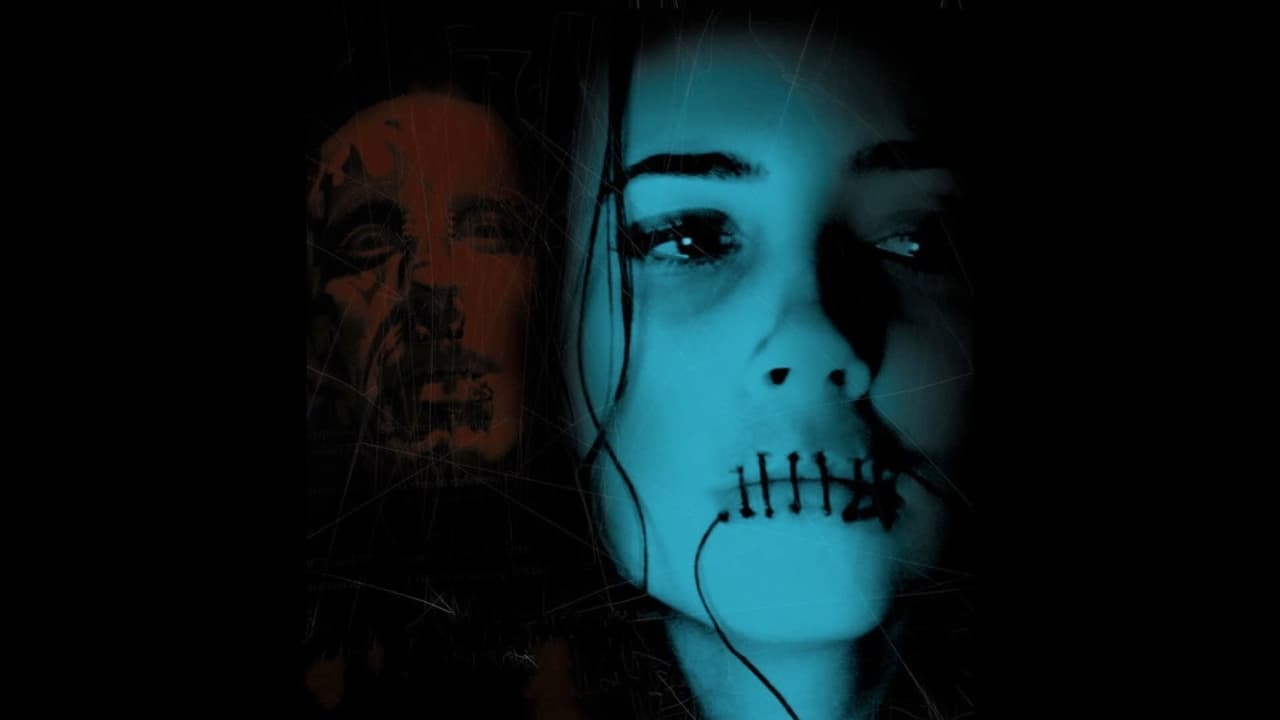
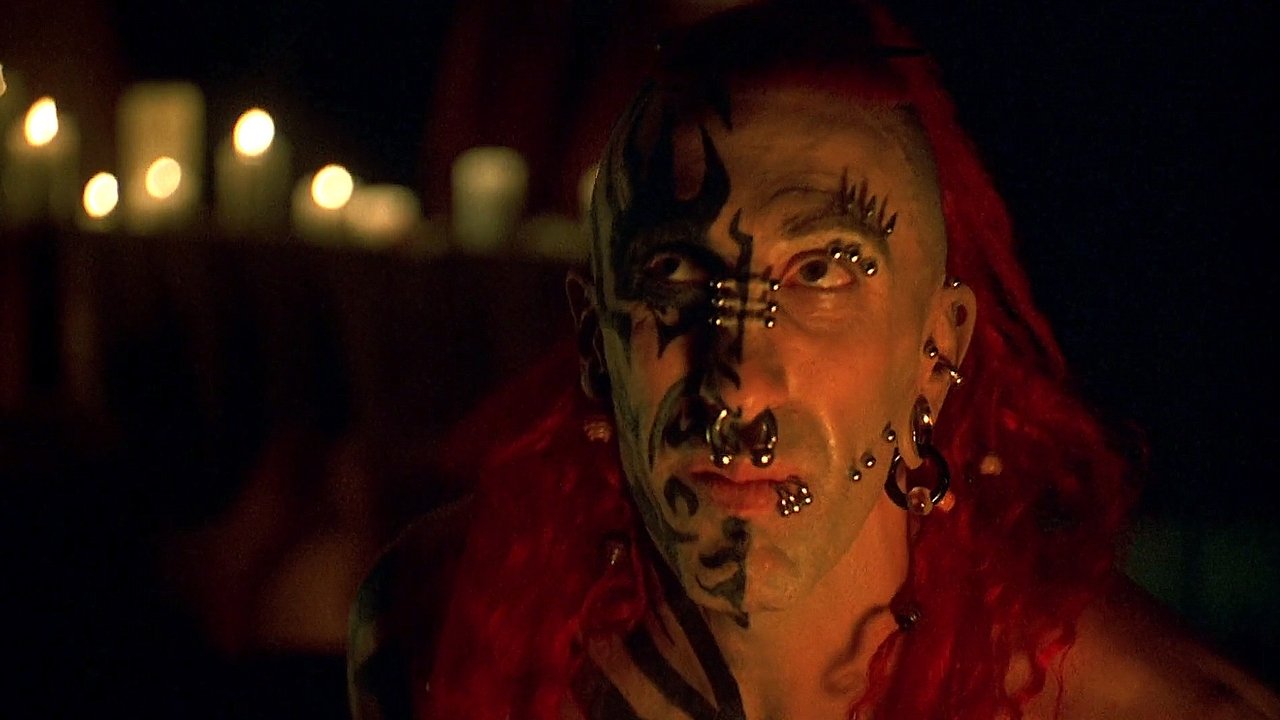
At the heart of Strangeland is, of course, Captain Howdy himself, played with unsettling commitment by Dee Snider. Yes, that Dee Snider, the flamboyant frontman of Twisted Sister. But forget the hair metal persona; Snider embodies Howdy with a quiet, methodical menace that’s far more disturbing than any stage theatrics. Snider didn't just star; he wrote the screenplay, pouring years of passion into this dark vision. It was reportedly inspired partly by his own online experiences and observations of early internet culture, transforming general anxieties into a specific, terrifying character. Howdy isn't just a killer; he's a self-proclaimed shaman of the digital age, believing his extreme body modification rituals are pathways to enlightenment, pushing his victims (and himself) beyond pain. Snider’s performance is unnerving, switching from seemingly reasonable online discourse to outright psychotic obsession. Does his sometimes theatrical delivery occasionally betray his rockstar roots? Perhaps, but the raw intensity he brings, especially in the film's more visceral moments, is undeniable. He is Captain Howdy.
A Symphony of Scars
Director John Pieplow crafts a suitably grimy, low-budget aesthetic that enhances the film's disturbing themes. This isn't a slick Hollywood production; it feels grounded, almost uncomfortably real in its depiction of suburban decay and hidden horrors. The film doesn't shy away from the body modification aspects, showcasing piercings, suspensions, and scarification with a focus on practical effects that, while perhaps dated by today's standards, retain a visceral, wince-inducing quality. Remember watching this on a slightly fuzzy VHS copy? Those practical effects felt disturbingly tangible, far removed from the weightless CGI gore that would follow. The production design of Howdy's lair, filled with tribal artifacts, surgical tools, and primitive tech, creates a genuinely unsettling atmosphere. Shot primarily in Colorado, the contrast between the seemingly normal suburban exteriors and the ritualistic darkness within Howdy's world is stark and effective.
Navigating the Net of Fear
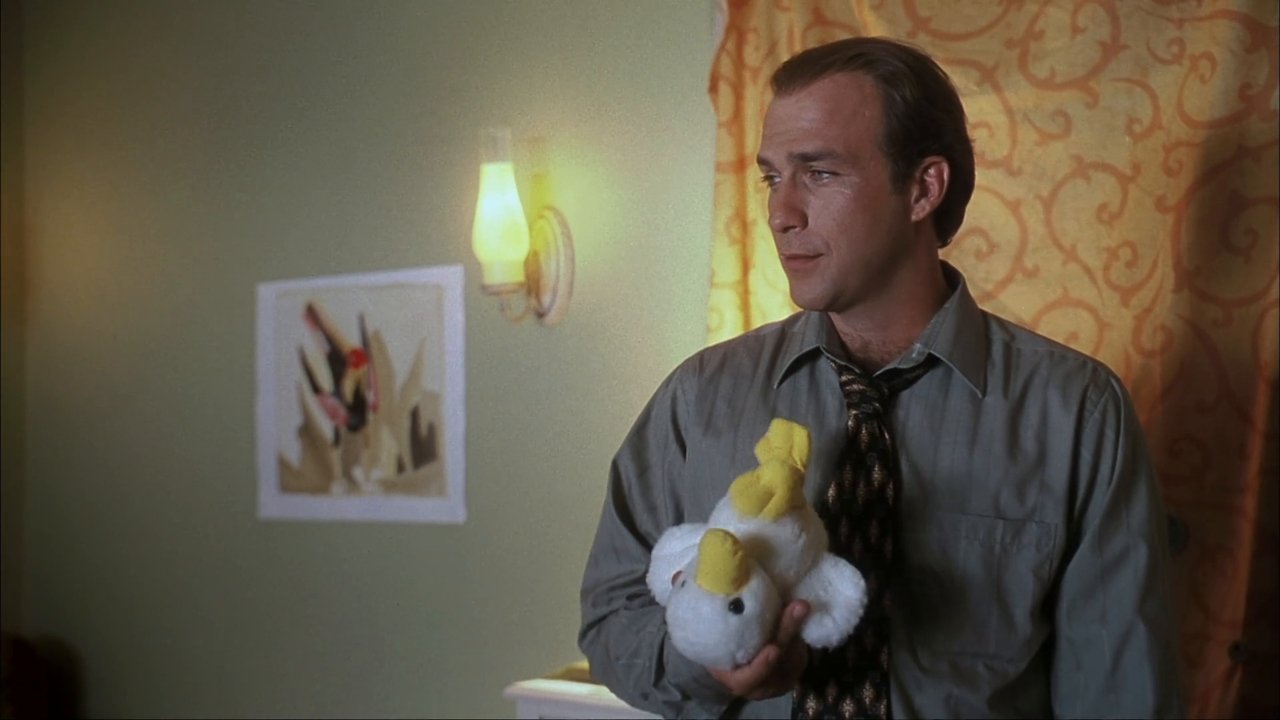
The investigation plot, led by Gage and fellow detective Toni Bernardi (Elizabeth Peña, a versatile actress we lost too soon, known for films like Jacob's Ladder [1990]), provides the thriller framework. Kevin Gage brings a weary determination to his role, a father pushed to the brink in a world he barely understands. The procedural elements sometimes feel a bit conventional compared to the outright weirdness of Captain Howdy's scenes, but they serve to ground the horror and provide narrative momentum. The film explores themes of vigilantism and the failures of the system when confronted with a new kind of predator, adding another layer to its dark tapestry. The supporting cast, including Brett Harrelson (yes, Woody's brother) as Gage's partner, fills out the world adequately, though the focus remains squarely on Gage's pursuit and Howdy's descent.
Retro Fun Facts & Lingering Echoes
Strangeland was very much Dee Snider's baby. He fought hard to get it made, eventually securing a modest $1.1 million budget. Despite positive reactions at festival screenings like Sundance, it struggled at the box office upon release, grossing only around $713,000 domestically. However, like many films featured here on VHS Heaven, it found its true audience on home video, rapidly achieving cult status among horror fans drawn to its unique premise and unflinching content. Snider even curated a killer soundtrack featuring contemporary industrial and nu-metal acts like Marilyn Manson, System of a Down, and Coal Chamber, perfectly capturing the film's dark, aggressive vibe. There were long-standing talks and even script work done for a sequel, Strangeland: Disciple, which Snider hoped would delve deeper into the "modern primitive" subculture, but it sadly never materialized, leaving Captain Howdy's chilling legacy confined to this single, potent outing. Reportedly, securing an R-rating from the MPAA required some negotiation due to the intensity of the torture and body modification sequences.
The Verdict
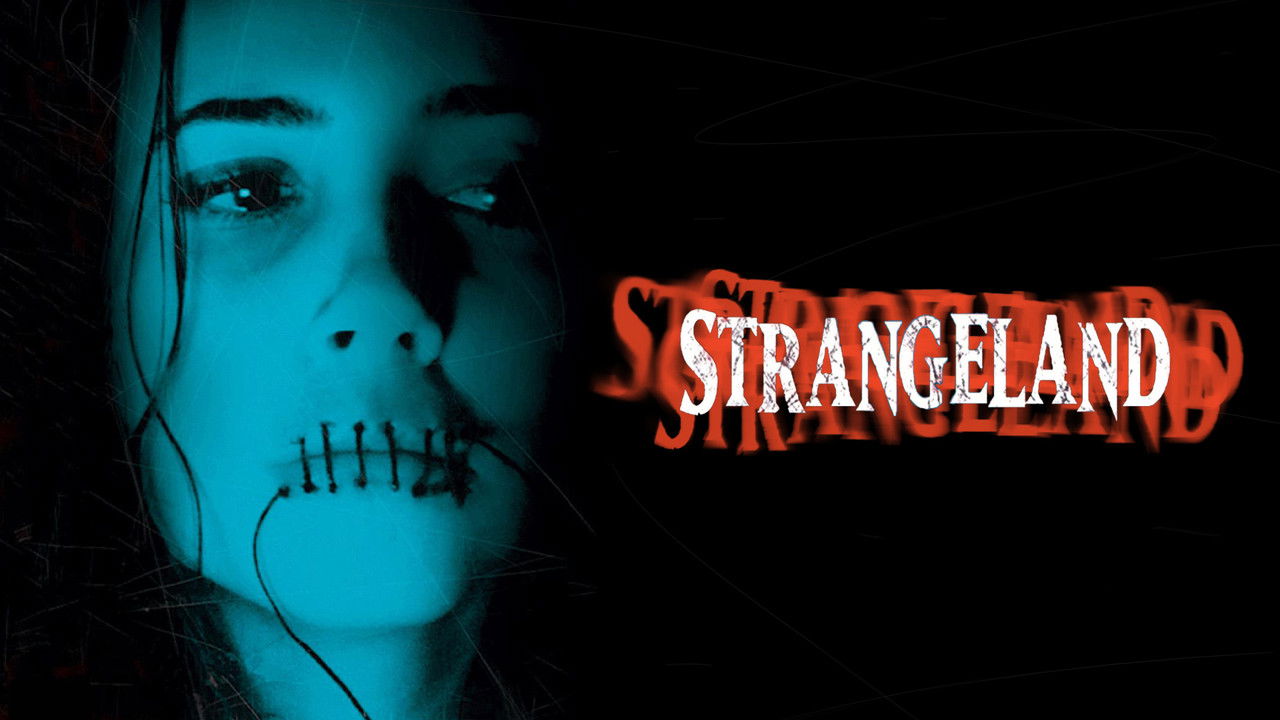
Strangeland isn't perfect. Its pacing occasionally lags, and some plot elements feel underdeveloped. But what it does well, it does exceptionally well. It captures a specific moment in time – the dawn of the popular internet – and twists its nascent anxieties into a genuinely disturbing horror narrative. Dee Snider delivers a career-defining performance (albeit far removed from his music career) as the unforgettable Captain Howdy, a villain whose motivations feel disturbingly complex, even within his madness. The film's commitment to its grimy aesthetic and its unflinching portrayal of body modification give it a raw power that still resonates. It's a film that understood the potential darkness lurking behind the friendly glow of the computer screen long before it became a common trope. Renting this back in the day felt like discovering something forbidden, a tape whispered about in hushed tones.
Rating: 7/10
Justification: Strangeland earns its score through Dee Snider's iconic and committed performance, its genuinely unsettling atmosphere, its prescient themes about online danger, and its status as a unique, boundary-pushing cult classic from the late 90s. While hampered slightly by budget limitations and some conventional thriller tropes, its raw intensity and disturbing vision make it a memorable and significant entry in the cyber-horror subgenre.
Final Thought: Decades later, Captain Howdy's chilling invitation – "Do you wanna play?" – still echoes with the unsettling ambiguity of the digital world, a reminder that sometimes, the most terrifying monsters are the ones we invite into our own homes, one click at a time. This is a true VHS gem that crawled under your skin and likely stayed there.