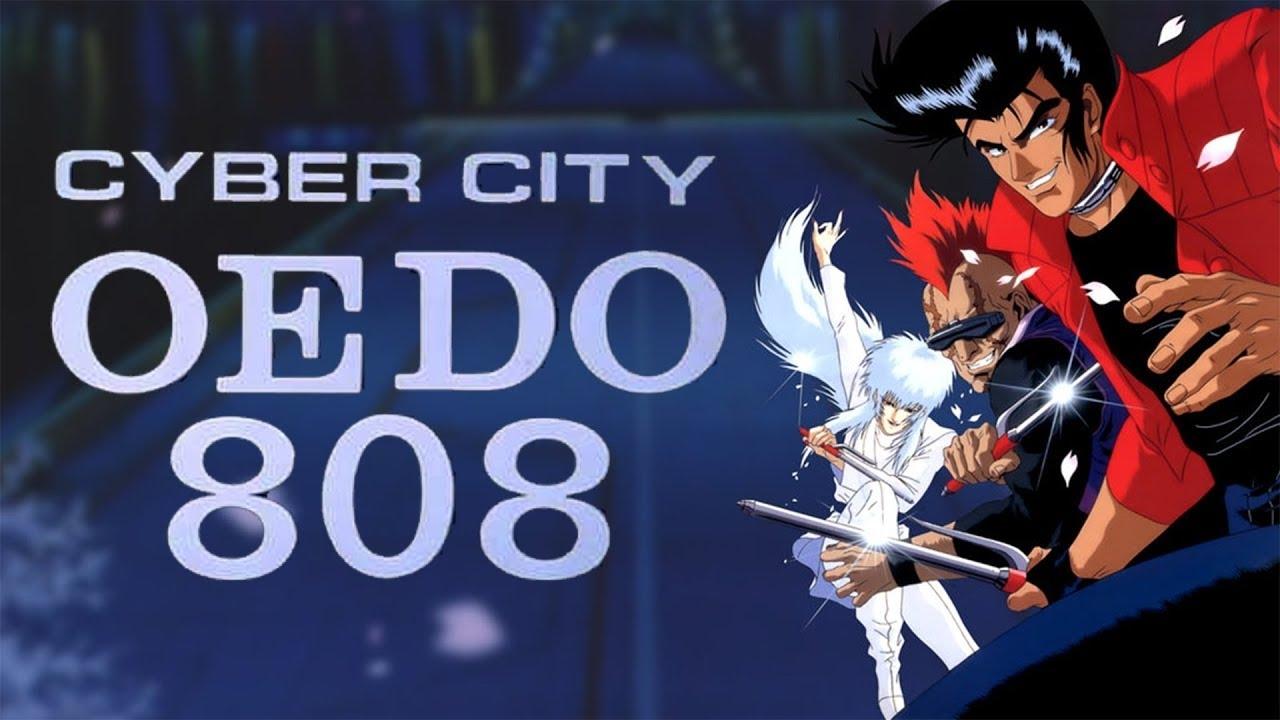
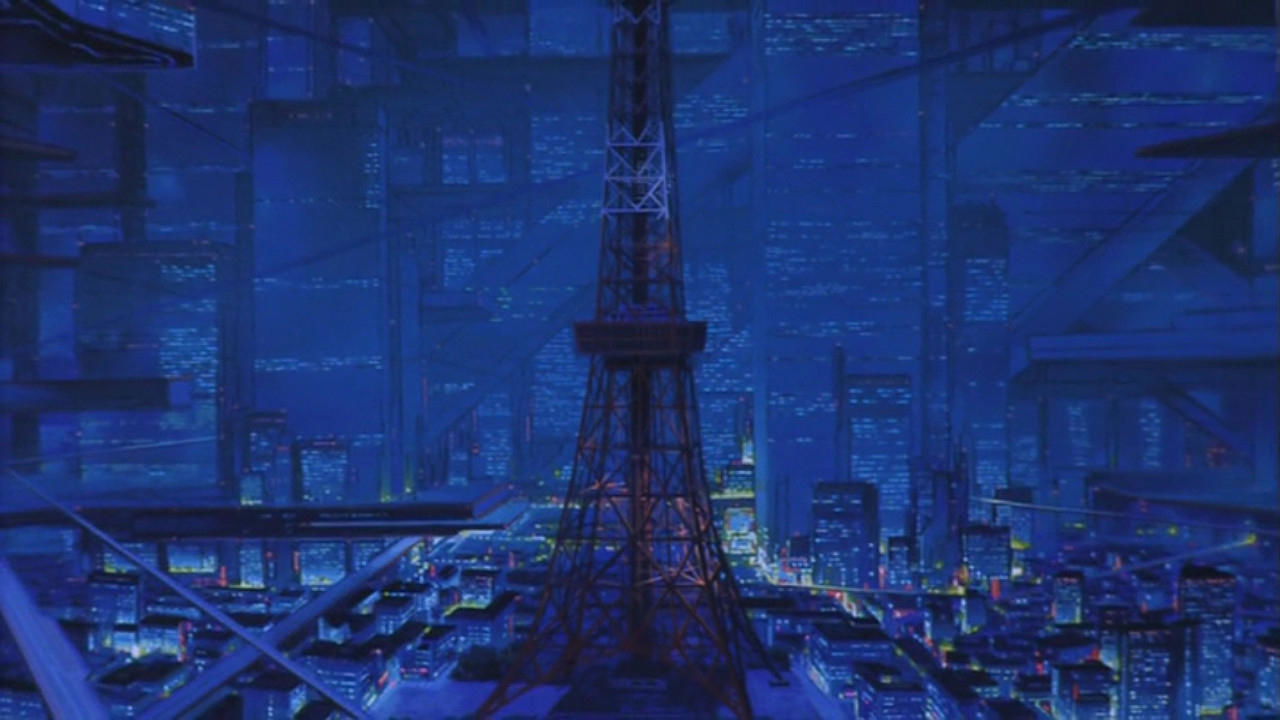
The air hangs thick and electric, smelling of rain, ozone, and decay. Towering chrome scratches at a perpetually bruised sky. Down below, in the grimy arteries of Oedo City circa 2808, justice isn't served – it's bartered for with years shaved off impossibly long prison sentences. This is the brutal, beautiful playground of Cyber City Oedo 808, a three-part OVA that slammed onto VHS shelves in 1990 and left a jagged scar on the burgeoning Western anime consciousness. Forget gleaming utopias; this future bites back, hard.

Directed by the master of stylish darkness, Yoshiaki Kawajiri – whose visceral touch would later define Ninja Scroll (1993) and Vampire Hunter D: Bloodlust (2000) – Oedo 808 feels less like a prediction and more like a primal scream from a technologically saturated nightmare. It plunges us headfirst into the lives of three convicts: Sengoku, the swaggering cyber-punk with a penchant for blowing things up; Gogul, the hulking hacker whose fingers dance across phantom keyboards; and Benten, the androgynous wire-fu artist whose grace belies lethal precision. Each wears an explosive collar, a constant reminder that their leash is held by Hasegawa, the cynical chief of the Cyber Police, ready to detonate them should they step out of line. Freedom is the carrot; instant decapitation is the stick.
Gutter Chic and Neon Noir
What immediately grabs you about Oedo 808 is its sheer, unapologetic style. Kawajiri crafts a world drenched in shadow and punctuated by stark neon. The character designs are sharp, angular, dripping with a kind of late-80s/early-90s cool that feels both dated and timelessly rebellious. This isn't the sleek, philosophical cyberpunk of Ghost in the Shell (1995); it's dirtier, meaner, more rock 'n' roll. The animation, particularly in the action sequences, has a kinetic energy that still impresses. Sengoku leaping between flying vehicles, Benten's fluid combat – it all feels tangible, impactful. You remember renting this tape, maybe from a dusty corner of the video store labeled "Japanimation," and feeling like you'd stumbled onto something forbidden, something adult and dangerous that cartoons weren't supposed to be.

The production itself reflects the OVA boom of the era – a time when creators could bypass mainstream television constraints and deliver harder-edged content directly to fans via video. This format allowed Oedo 808 its signature blend of graphic violence, complex themes, and that pervasive sense of urban decay without compromise. Each of the three episodes ("Data Disk," "Psychic Trooper," "Crimson Media") focuses on a different member of the trio, giving them a chance to shine while tackling distinct sci-fi/horror tropes – a rogue military experiment, a psychic vampire haunting a skyscraper, a cryogenically frozen killer seeking immortality. Doesn't that structure still feel satisfying, giving each character their own mini-movie?
The Sound of Cyberpunk Chaos
You can't talk about Cyber City Oedo 808 without addressing the elephant in the room: the soundtrack. Or rather, the soundtracks. The original Japanese release featured a score fitting the moody, atmospheric visuals. However, the UK release, handled by Manga Entertainment, commissioned an entirely new, pulse-pounding electronic and rock score by Rory McFarlane. This version, often accompanying the notoriously profane English dub (a whole different can of worms!), became the definitive experience for many Western fans. It transformed the feel of the show, injecting a raw, aggressive energy that perfectly complemented the visuals, even if it occasionally steamrolled the subtler moments. I remember the driving beats of that UK soundtrack echoing in my head long after the tape clicked off. It's a fascinating example of how localization could dramatically alter an anime's identity, becoming a beloved artifact in its own right. Which version lodged itself in your memory banks?
Hardwired for Nostalgia
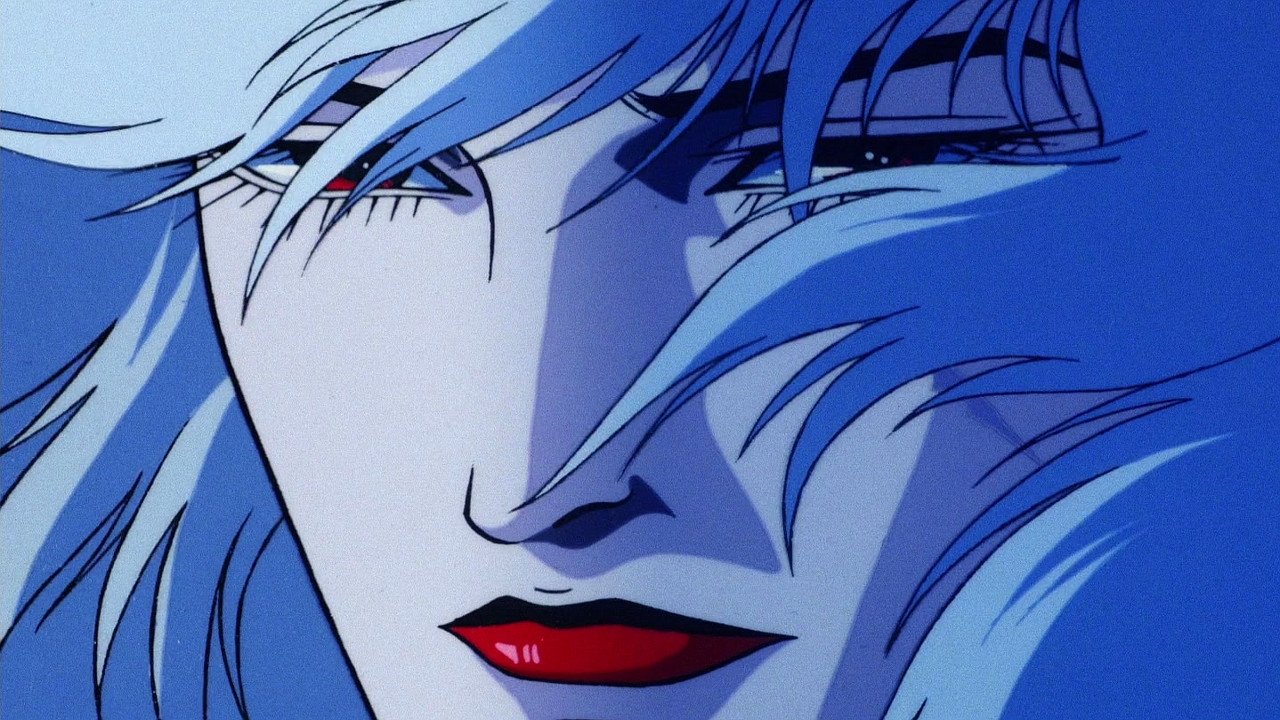
Beyond the style and sound, Oedo 808 resonates because its core concept taps into something fundamentally cool: anti-heroes forced to do good, operating outside the system with high stakes. Sengoku, voiced with gravelly charisma by Hiroya Ishimaru (the iconic voice of Koji Kabuto in Mazinger Z), is the archetypal cyberpunk rogue. Tesshō Genda (Optimus Prime in Japanese Transformers) gives Gogul a quiet intensity, while the late, great Kaneto Shiozawa (Rei in Fist of the North Star) imbues Benten with an ethereal, dangerous elegance. Their reluctant camaraderie, punctuated by snark and violence, forms the heart of the show.
Sure, some of the tech predictions feel quaint now, viewed through the lens of our own hyper-connected reality. The bulky computers, the wired interfaces – they scream "early 90s future." But the atmosphere? The oppressive cityscapes, the feeling of technology spiraling out of control, the cynical edge? That still hits hard. It captured a specific moment in cyberpunk, less concerned with transhumanist philosophy and more focused on visceral thrills and urban grit.
Rating: 8/10
Cyber City Oedo 808 earns its 8 out of 10 rating through sheer force of personality. It's a potent blast of 90s cyberpunk attitude, delivering stylish visuals, memorable characters, and high-octane action within its compact OVA format. While the episodic structure means the overarching plot feels secondary, each installment offers a compelling slice of dystopian grit. The controversial but beloved UK soundtrack and its general air of edgy cool cemented its cult status for a generation of VHS hunters. It might lack the narrative depth of some of its contemporaries, but its raw energy and unforgettable aesthetic make it a vital piece of the retro anime puzzle.
It remains a perfect artifact of its time – a neon-soaked, rain-slicked testament to when anime felt dangerous, beamed directly into our living rooms via the magic of magnetic tape. Fire it up, and you can almost smell the ozone again.