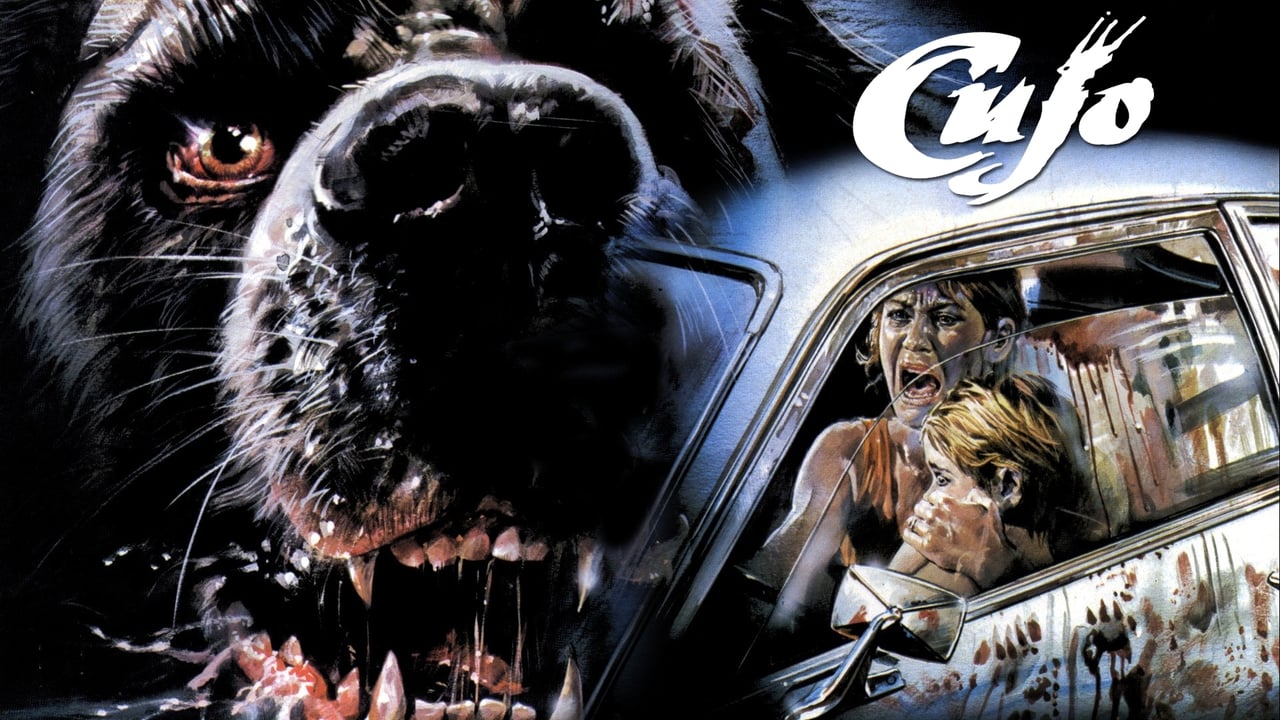
The suffocating heat hangs heavy, the Ford Pinto a baking metal coffin under the relentless Maine sun. Inside, a mother and child wait, not for rescue, but for the brief reprieve when the monster outside turns its attention elsewhere. This isn't some fantastical beast conjured from myth; it's Cujo, the neighborhood St. Bernard, transformed by disease into a relentless engine of furry, slobbering death. That descent from beloved pet to primal terror is the chilling heart of Lewis Teague's 1983 adaptation of Stephen King's novel, Cujo – a film that still manages to tap into a raw, visceral fear.
### Castle Rock Summer Gone Wrong
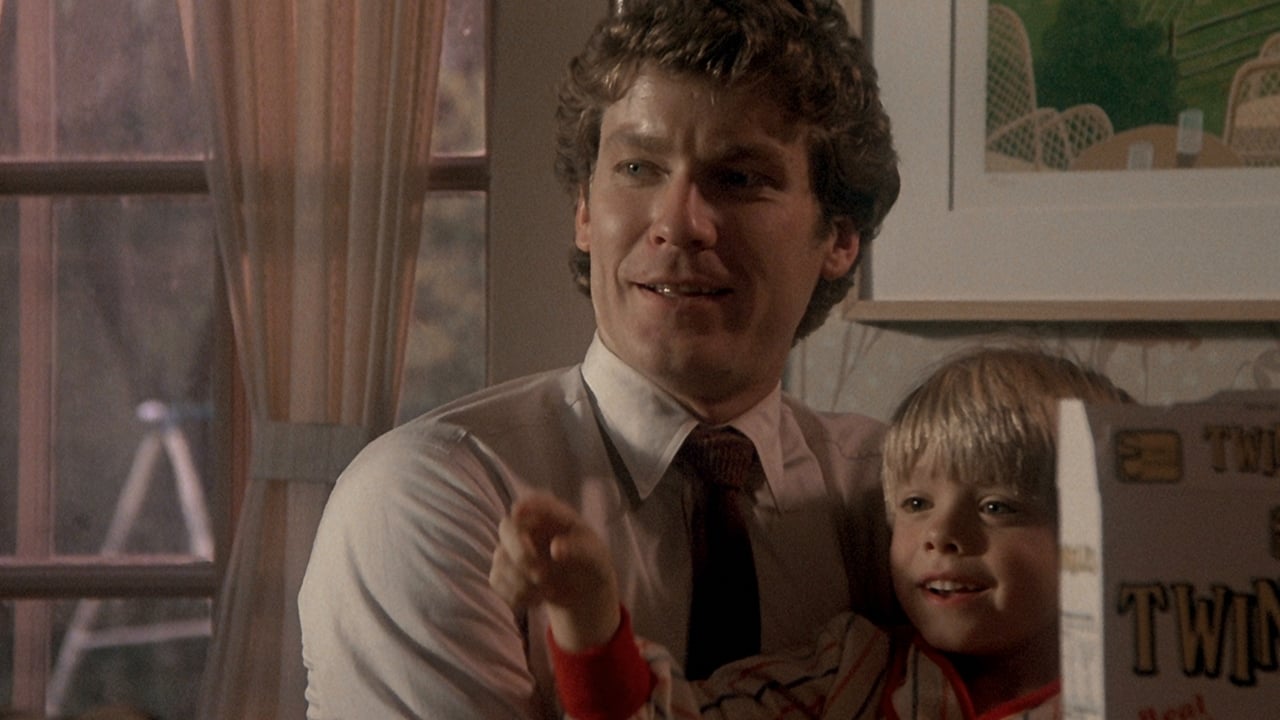
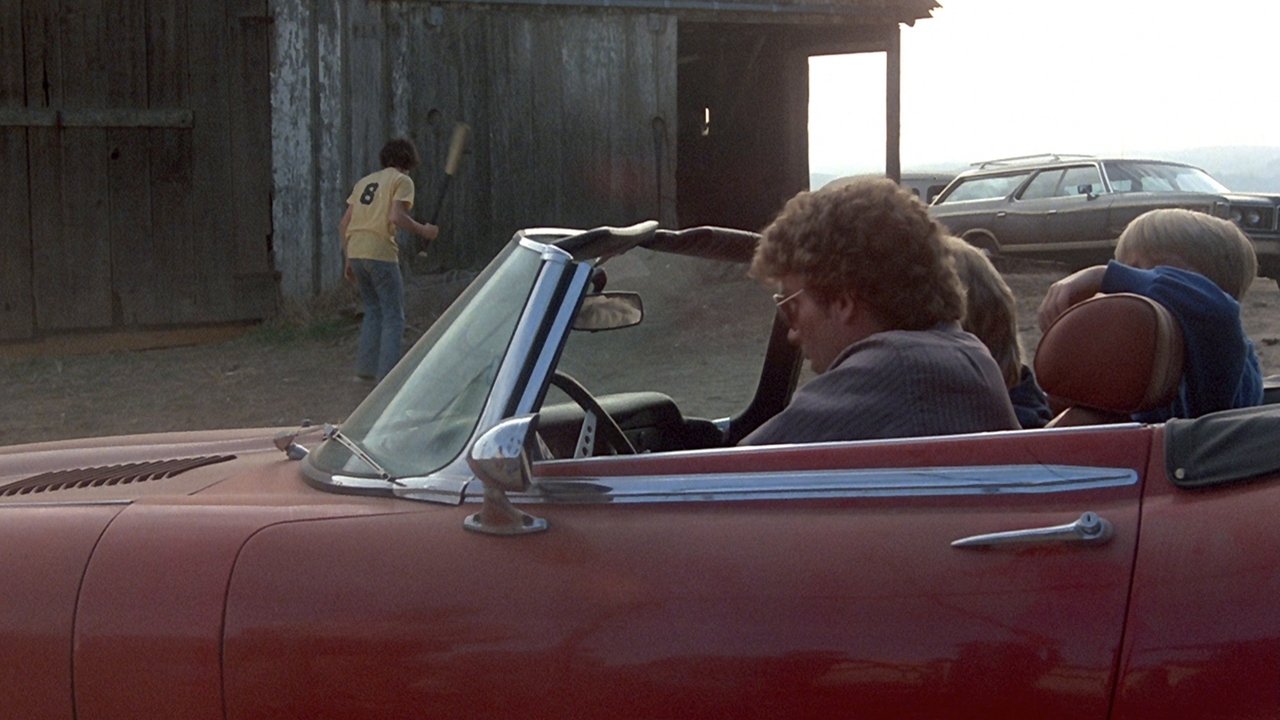
Forget haunted houses or ancient evils. Cujo finds its horror in the terrifyingly mundane. It begins with the idyllic facade of small-town life – family dramas, marital strife (Dee Wallace's Donna Trenton dealing with the fallout of an affair with Christopher Stone's Steve Kemp, while husband Vic, played by Daniel Hugh Kelly, is away on business), the lazy pace of summer. But beneath the surface, something festers. A playful chase after a rabbit leads the gentle giant Cujo into a bat-infested cave, and a single bite seals his fate – and that of anyone unlucky enough to cross his path. The rabies takes hold with terrifying speed, twisting loyalty into mindless aggression. It’s a stark reminder of how quickly the familiar can become fatal.
Director Lewis Teague, who had already wrangled creature features with Alligator, understood that the true horror wasn't just the attacks, but the agonizingly slow breakdown of safety and hope. The film patiently builds the tension, intercutting Donna and young Tad’s (Danny Pintauro) plight with the increasingly desperate attempts by Vic to reach them, hampered by distance and malfunctioning phones – oh, the analog dread!
### The Beast in Broad Daylight
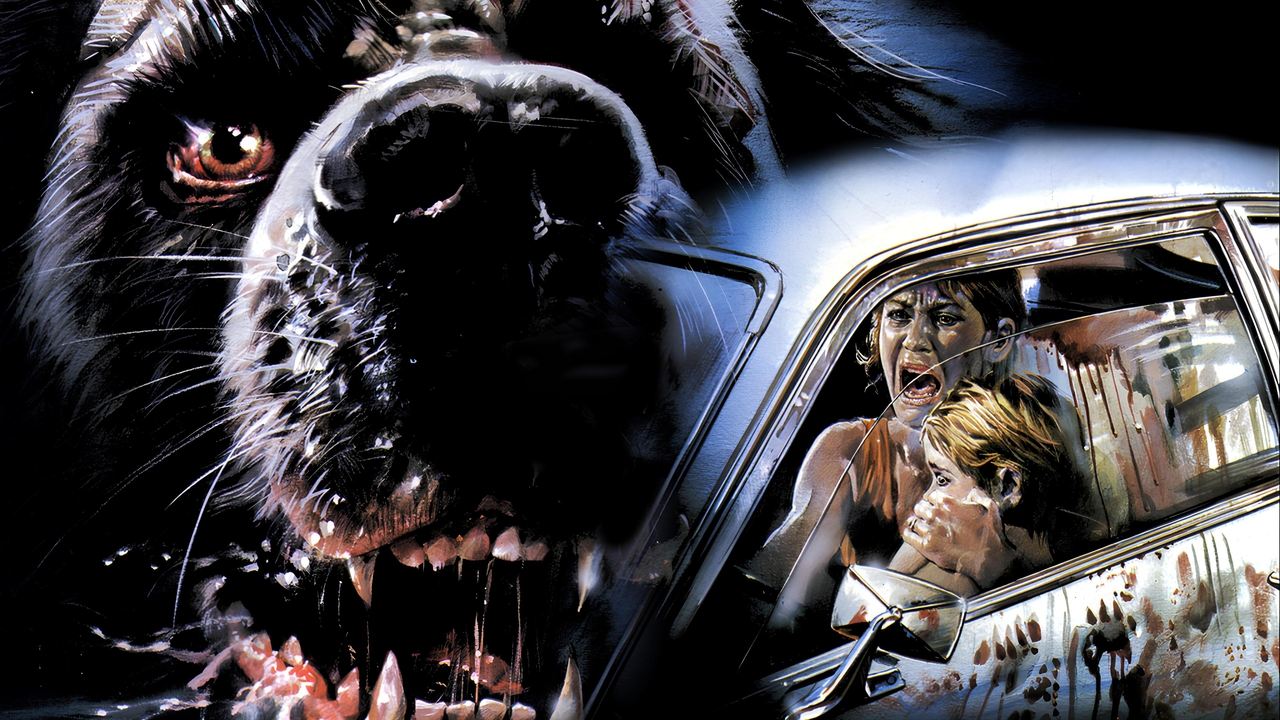
What makes Cujo linger long after the credits roll is the titular antagonist himself. This isn't a shadowy creature lurking in the dark; Cujo attacks in the unforgiving glare of daylight. The filmmakers used a reported five St. Bernards, a mechanical head for close-ups, and even a stuntman (Gary Morgan) in a cleverly disguised dog suit for some sequences. The effect, especially for its time, was remarkably visceral. The matted fur, the bloodshot eyes, the constant, stringy drool (a concoction reportedly involving egg whites and sugar) – it felt disturbingly real. You can almost smell the sickness, feel the heat radiating off the poor animal. There's a genuine tragedy to Cujo's transformation, a victim himself, which somehow makes him even more terrifying. Legend has it the dogs often seemed more interested in playing than attacking, requiring careful editing and handlers just out of frame – their tails sometimes had to be tied down to stop them from wagging during attack scenes!
### Siege in a Sunbaked Pinto
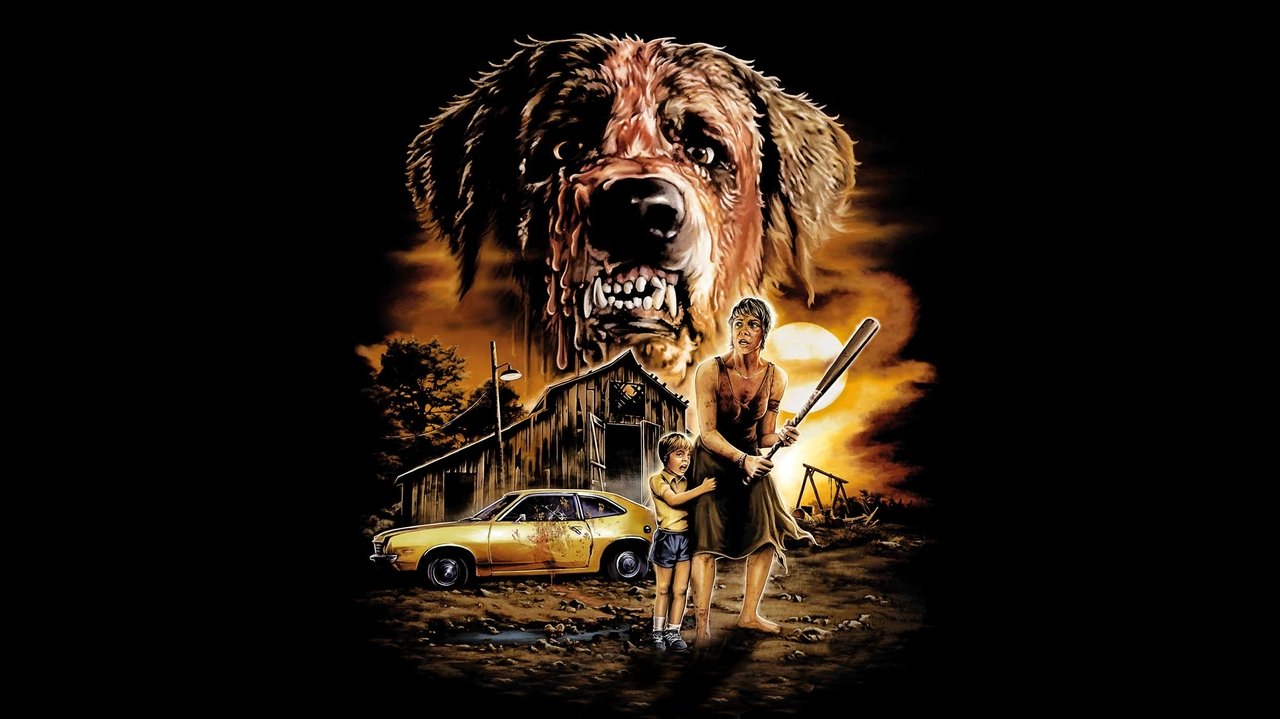
The film truly locks into high gear when Donna and Tad's Pinto dies at the remote Camber farm. What follows is essentially a siege movie, brilliantly confined to the suffocating interior of the car. Dee Wallace, already beloved by genre fans for her role in E.T. the Extra-Terrestrial, delivers a powerhouse performance here. Her transformation from a fragile woman grappling with personal failings to a ferocious mother fighting for her child's survival is utterly compelling. She sells the exhaustion, the dehydration, the sheer terror, and finally, the primal rage. Young Danny Pintauro, who would later find fame on TV's Who's the Boss?, is equally effective as the terrified, asthmatic Tad, his suffering adding another layer of urgency and helplessness to their ordeal. The claustrophobia is palpable; the car becomes both shelter and prison, the cracked windows offering only glimpses of the snarling horror relentlessly circling them. Doesn't that feeling of being trapped, with help seemingly miles away, still resonate?
### King's Shadow and Celluloid Changes
It’s well-known that Stephen King himself has stated he barely remembers writing Cujo, owing to his struggles with addiction at the time. He called it one of the books he "barely remembers writing at all." This dark footnote adds a layer of grim irony to the story's themes of uncontrollable forces taking over. While the film captures the raw terror of the novel, it famously diverges in its ending. (Spoiler Alert for the novel!) King's original text offered a far bleaker conclusion for young Tad. The filmmakers, including producer Daniel H. Blatt, opted for a more conventionally "Hollywood" finale, believing the original was simply too devastating for audiences. It remains a point of contention among King purists, but arguably, the film's ending provides a necessary catharsis after the preceding ordeal, even if it softens the novel's brutal gut punch. The film, made on a budget of around $6 million, went on to gross over $21 million, proving audiences were receptive to its brand of grounded, canine terror.
### Lasting Bite
Cujo isn't complex horror. It doesn't delve into cosmic dread or intricate mythologies. Its power lies in its brutal simplicity and its terrifying plausibility. It preys on fundamental fears: the fear of disease, the fear of animal attack, the fear of isolation, and the primal fear of a parent unable to protect their child. The practical effects hold up remarkably well, conveying a sense of weight and ferocity that CGI often lacks. Dee Wallace's performance anchors the film, elevating it beyond mere creature feature territory. While some of the domestic drama subplots feel a bit dated or less engaging than the central siege, they serve to ground the horror in a recognizable reality before tearing it apart. It remains a standout among the many Stephen King adaptations of the 80s, a lean, mean exercise in sustained tension.
VHS Heaven Rating: 8/10
The rating reflects the film's effectiveness in generating sustained dread, Dee Wallace's incredible performance, the memorable practical effects work on Cujo himself, and its status as a top-tier, grounded horror film from the era. Points are slightly deducted for the somewhat less compelling subplots and the controversial ending change (depending on your perspective). Still, Cujo remains a potent reminder that sometimes the most terrifying monsters aren't supernatural, but horrifyingly close to home, perhaps even sleeping at the foot of your bed... until they're not. It’s a sweaty-palmed, nerve-shredding experience that truly earned its place on the top shelf of the horror section back in the day.