The grinning face in the peepshow booth wasn't the worst thing Karen White would see. Not by a long shot. That brief, terrifying encounter, meant to trap a serial killer under the glare of news cameras, instead rips open a primal wound, sending the television journalist spiraling into a nightmare far older and darker than the neon-lit sleaze of 1980s Los Angeles. This is the chilling entry point to Joe Dante's 1981 masterclass in creature feature dread, The Howling. Forget jump scares; this film sinks its teeth into your psyche and leaves a lingering chill, the kind that felt disturbingly real under the flickering cathode rays of a late-night VHS viewing.

### From Urban Decay to Primal Fear
The initial setup feels ripped from the gritty headlines of the era. Dee Wallace, in a performance brimming with raw vulnerability, plays Karen, haunted by PTSD after her near-fatal encounter with Eddie Quist (Robert Picardo, unforgettable even in brief screen time). Her therapist, the suspiciously suave Dr. George Waggner (Patrick Macnee, trading his Avengers bowler hat for a comforting, yet deeply unsettling, demeanor), recommends a retreat. "The Colony," a secluded therapeutic community nestled deep in the woods, promises peace and recovery. But from the moment Karen and her husband R. William "Bill" Neill (Dennis Dugan, who would later direct comedies like Happy Gilmore) arrive, the promised sanctuary reeks of something ancient and predatory hiding beneath a veneer of new-age wellness. Dante, ever the B-movie maestro graduating to bigger things here, masterfully contrasts the cold, isolating sprawl of LA with the claustrophobic, strangely intimate menace of the forest community.
### The Colony's Secret Smile
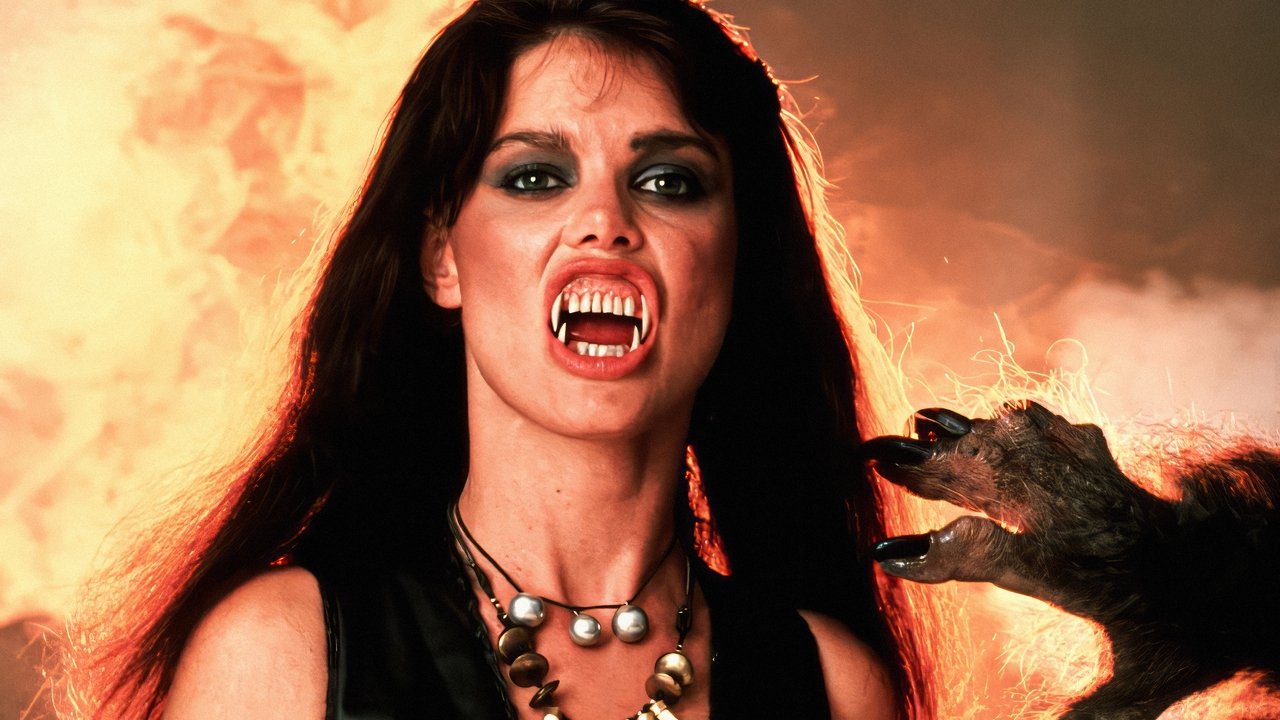
What makes The Howling burrow under your skin isn't just the threat of violence, but the pervasive wrongness of The Colony itself. The inhabitants are just… off. Their welcoming smiles seem too wide, their understanding nods too knowing. The script, penned with sharp wit and unsettling undertones by John Sayles (already known for thoughtful genre work like Piranha) and Terence H. Winkless, layers in a subtle social satire. This isn't just a monster movie; it's a commentary on letting go of societal constraints, albeit in the most terrifying way imaginable. The therapy sessions feel less about healing and more about indoctrination into a pack mentality. There’s a palpable sense of gaslighting as Karen's fears are dismissed, her grip on reality deliberately loosened by those around her. Doesn't that feeling of being surrounded by smiling faces hiding monstrous intent still feel unnervingly relevant?
### When the Beast Transforms
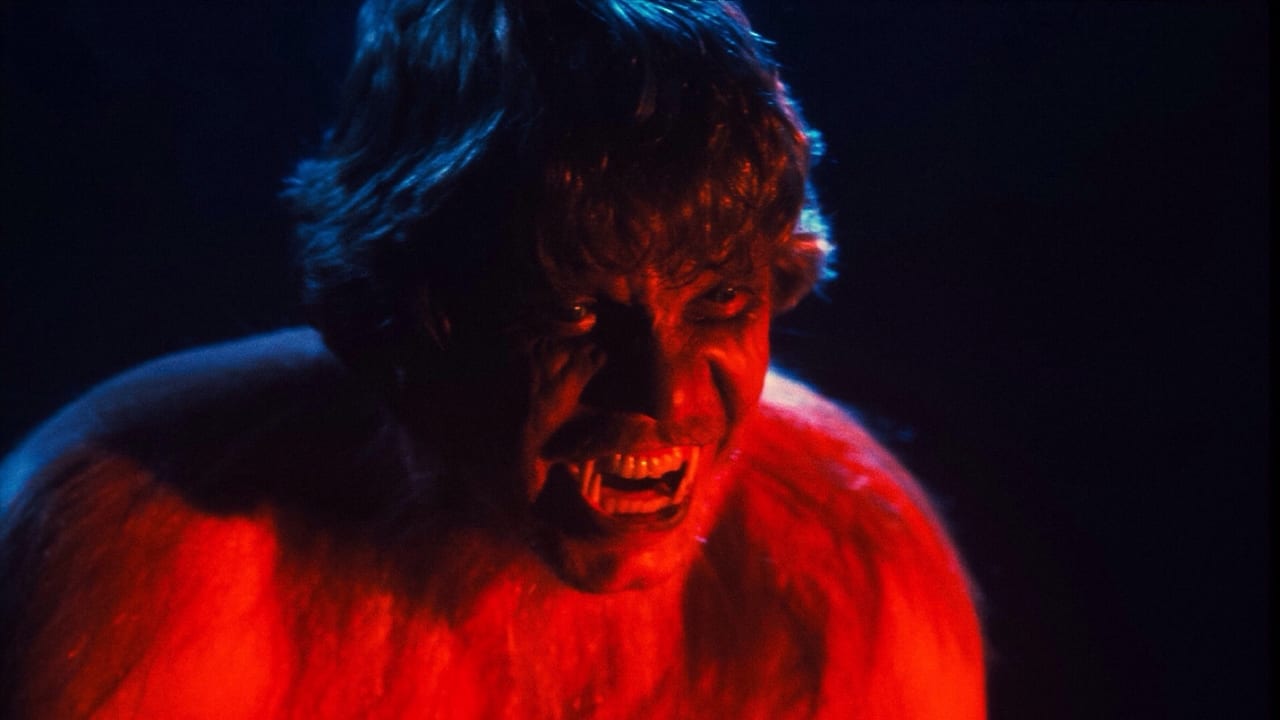
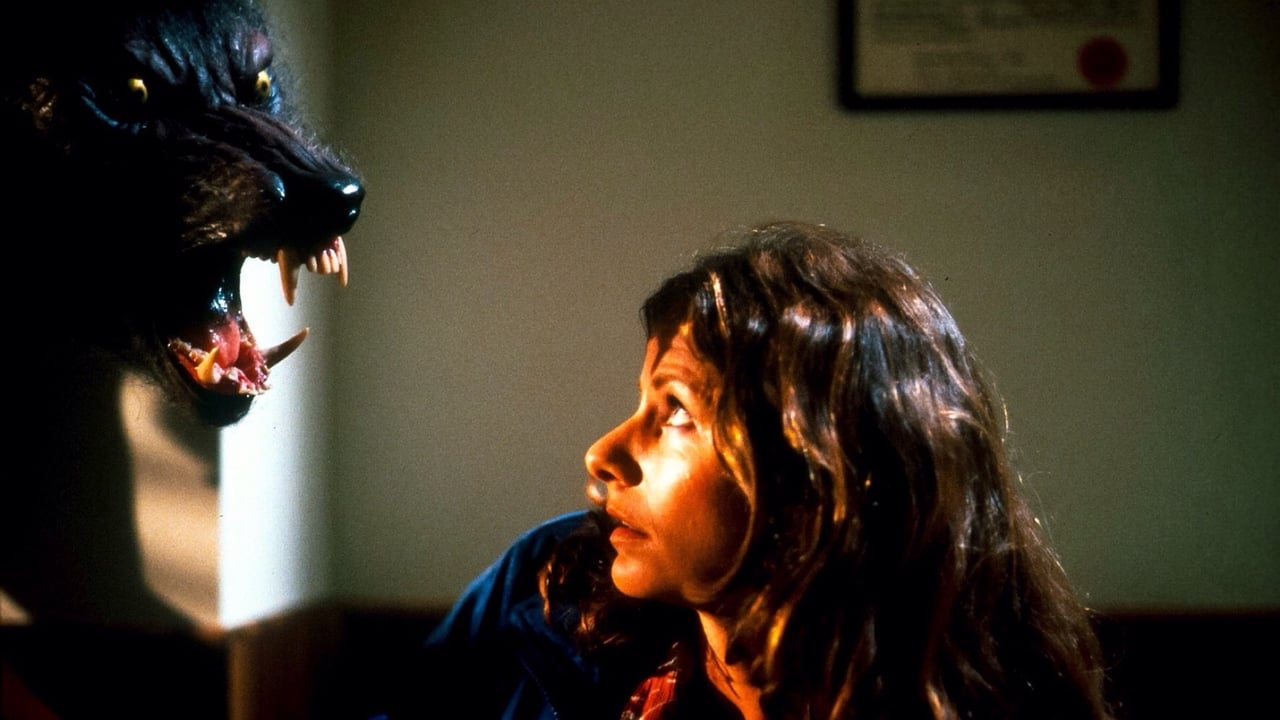
And then there’s the scene. Even now, decades later, the transformation sequence in The Howling remains a landmark achievement in practical effects. Forget the smooth, almost elegant morphing often seen today; this is agony made flesh. Skin bubbles and stretches, bones crack and reshape, hair bursts forth in a grotesque symphony orchestrated by a young Rob Bottin. It’s a painful, visceral spectacle that redefined werewolf transformations on screen. The behind-the-scenes story is almost as wild: Bottin, a protégé of makeup legend Rick Baker, stepped up after Baker departed for John Landis's An American Werewolf in London (released the same year, sparking endless fan debates about which transformation reigned supreme). Bottin, pulling double duty as he was also gearing up for his legendary work on John Carpenter's The Thing, used innovative techniques involving air bladders and puppetry to create something truly stomach-churning. I distinctly remember renting this tape, probably far too young, and being absolutely mesmerized and horrified by the raw physicality of that change. It felt real in a way CGI rarely achieves.
### Dante's Playful Darkness
Amidst the dread, Joe Dante can't resist injecting his signature dark humor and cinephilia. The film is littered with in-jokes and references, from characters named after werewolf movie directors (like Freddie Francis) to brief glimpses of classic horror films on television screens. Even legendary B-movie producer Roger Corman, Dante's mentor, gets a cameo. This playful self-awareness doesn’t undercut the horror; instead, it creates a unique tone, acknowledging the genre's history while simultaneously pushing its boundaries. It’s a reminder that Dante understands the mechanics of fear but also the sheer, unadulterated fun of a good monster movie. The film reportedly cost around $1.5 million and clawed its way to nearly $18 million at the box office – a testament to its potent blend of scares and smarts striking a chord with audiences hungry for sophisticated horror.
### Echoes in the Woods
The Howling wasn't just a successful horror film; it felt like a revitalization of the werewolf subgenre, proving these creatures could be genuinely terrifying again. Its influence is undeniable, paving the way for more adult-oriented creature features. While the franchise unfortunately devolved into a series of largely forgettable direct-to-video sequels (best left unwound on the shelf), the original remains a potent piece of 80s horror cinema. Its blend of psychological tension, groundbreaking practical effects, and sharp social commentary ensures its bite is still felt today.
---
Rating: 8.5/10
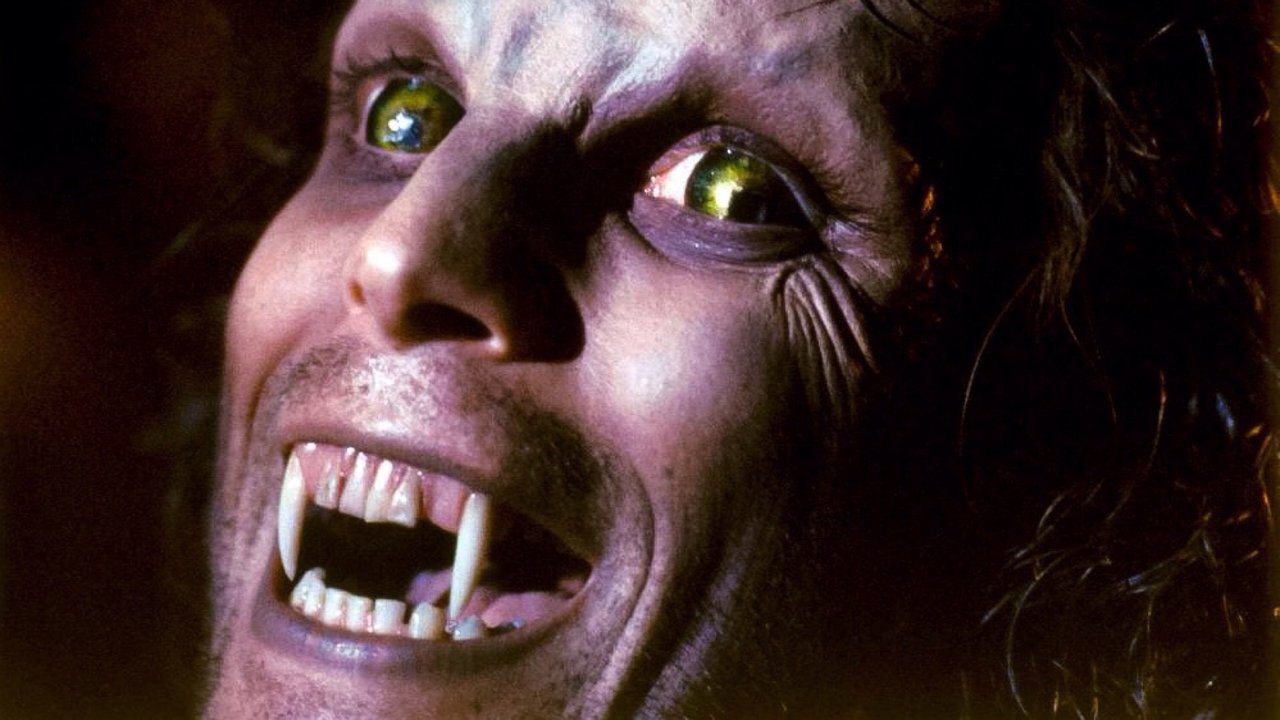
This score reflects The Howling's status as a landmark werewolf film, elevated by Dee Wallace's compelling performance, Rob Bottin's revolutionary effects, and Joe Dante's masterful direction that balances genuine dread with dark wit. It loses a point perhaps for some pacing lulls in the second act and supporting characters that occasionally feel underdeveloped, but its strengths – particularly its atmosphere and iconic transformation – vastly outweigh any minor quibbles.
Final Howl: A chilling, intelligent, and gruesomely effective creature feature that proved werewolves could be more than just movie monsters; they could be the terrifying embodiment of the beast lurking just beneath society's fragile skin. Its howl still echoes through the woods of horror history.