Alright, fellow tapeheads, let's rewind to a time when Mr. T pitied fools on the big screen almost as often as he did on TV. Pop the cassette in, ignore the slightly fuzzy tracking for a moment, and let's talk about 1983's chaotic, messy, but undeniably energetic ensemble comedy, D.C. Cab. This wasn't exactly tearing up the critical darlings list back in the day, but man, did it find its groove on the rental shelves and late-night cable.
Capital Chaos and New Arrivals
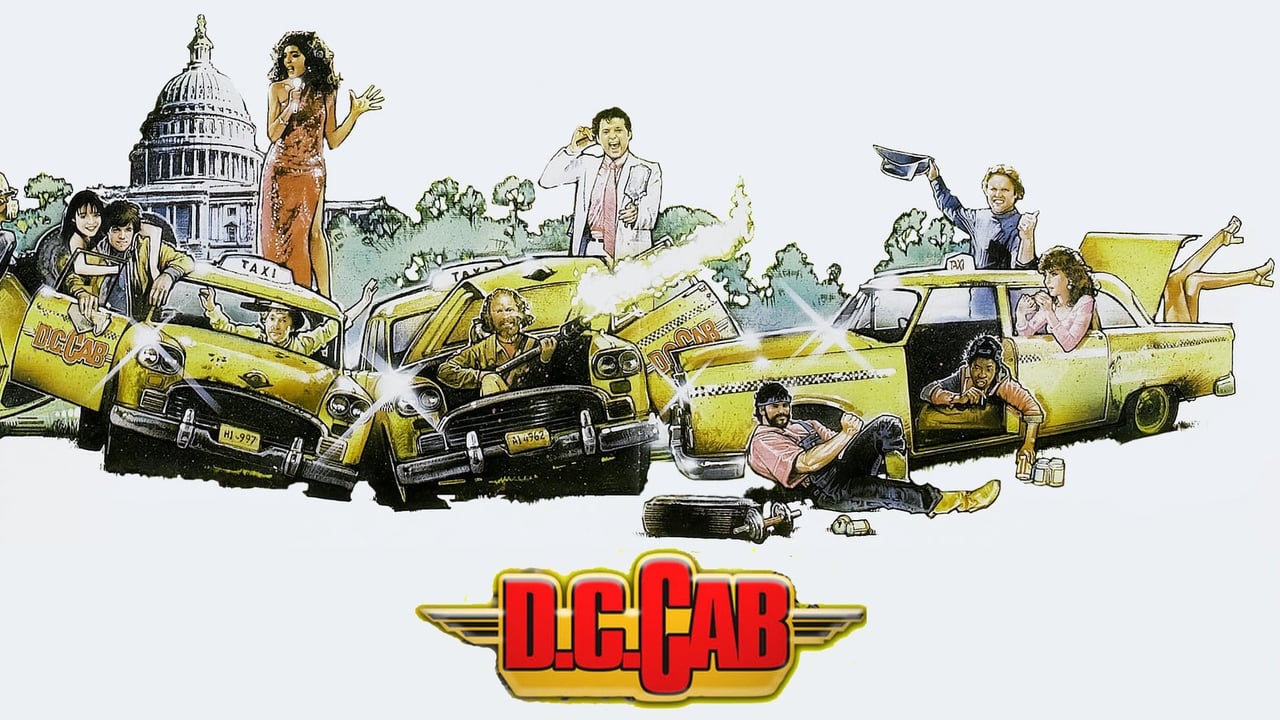
The setup is pure, earnest 80s: wide-eyed Albert Hockenberry (Adam Baldwin, fresh off making us root for the quiet giant in My Bodyguard) arrives in Washington D.C. with dreams bigger than his suitcase. His late father's army buddy, Harold (Max Gail), runs the titular D.C. Cab company, a dilapidated outfit populated by the most gloriously mismatched crew of drivers imaginable. Think less 'professional transport service', more 'mobile halfway house for aspiring comedians and lovable weirdos'. The company is on its last legs, facing buyout threats from a slicker, soulless competitor, and it's up to Albert's infectious optimism (and maybe a conveniently discovered bag of money) to try and turn things around.
Meet the Crew (The Real Stars)
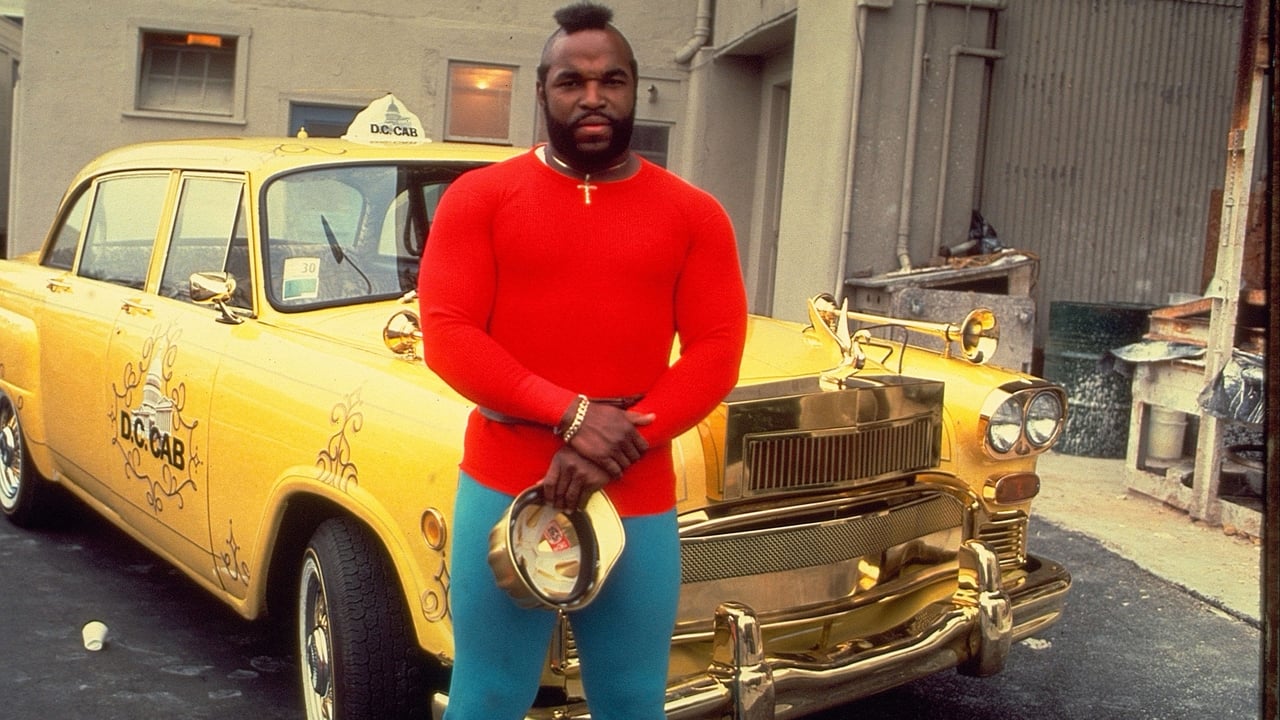
While Baldwin provides the earnest heart, the movie truly belongs to its absolutely stacked ensemble of cabbies. Leading the charge, naturally, is Samson (Mr. T), radiating pure, unadulterated T-power. Fresh off Rocky III and smack in the middle of The A-Team's peak popularity, his presence alone was probably worth half the rental revenue back then. He’s essentially playing himself, dispensing life lessons and intimidating potential fare-jumpers, and it’s exactly what you wanted. But the real comedic engine room is filled with killer talent, many plucked straight from the stand-up circuit. The tragically departed Charlie Barnett absolutely crackles with manic energy as the perpetually hyped-up Tyrone; you also get early glimpses of Paul Rodriguez, Marsha Warfield, and even a surprisingly straight-laced (well, straighter-laced) Bill Maher. Their rapid-fire banter and clashing personalities give the film its ramshackle charm. It feels less like actors hitting marks and more like a bunch of genuinely funny people let loose in taxi cabs.
Schumacher Finds His Feet
Behind the camera was Joel Schumacher, who also co-wrote the script. This was still relatively early in his directing career, before he gave us the slick Brat Pack angst of St. Elmo's Fire (1985) or the stylish vampire cool of The Lost Boys (1987). You can see hints of the visual flair he'd later develop, but D.C. Cab has a grittier, rougher feel. It’s energetic, sometimes to the point of being frantic, capturing the barely-controlled chaos of both the city and the cab company itself. Filming on location in D.C. adds a layer of authenticity – those are real streets, real traffic, giving the whole thing a grounded (if slightly grimy) feel. It’s not polished, but it’s got heart.
That Glorious, Practical Mayhem
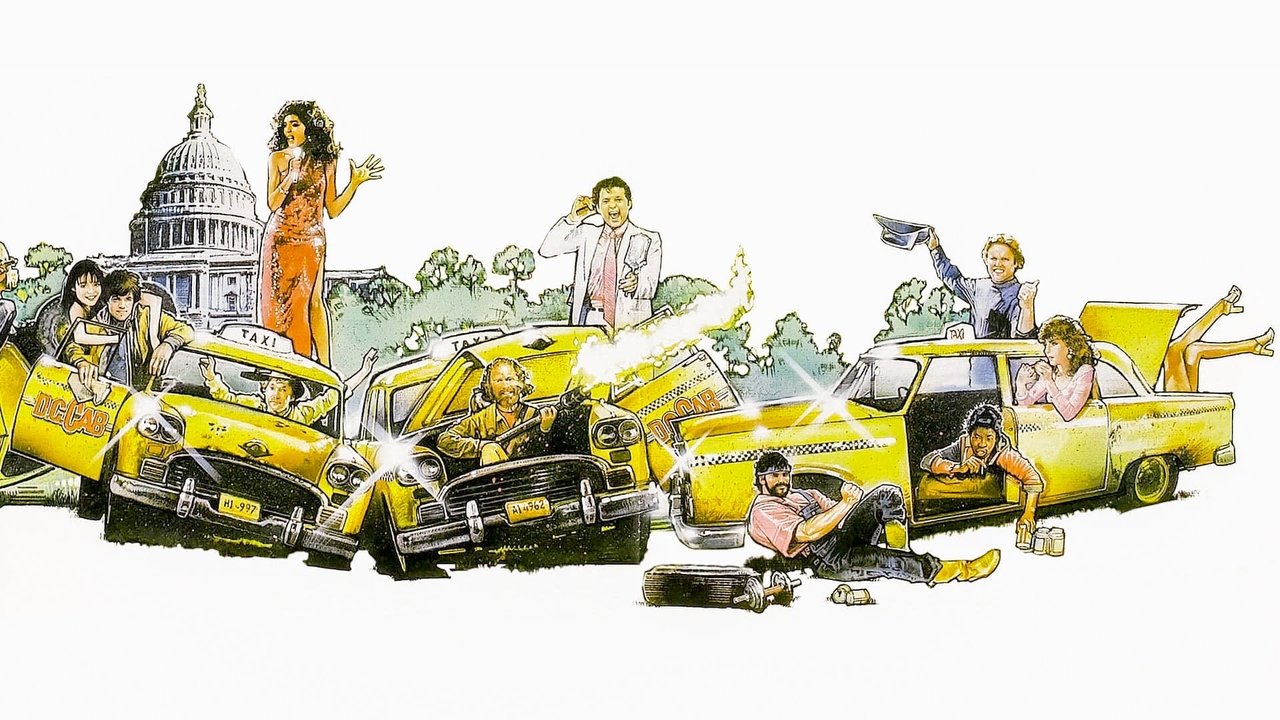
Okay, let's talk about the action, because D.C. Cab eventually throws a bizarre kidnapping plot into the mix involving diplomat's children (because, 80s!). This culminates in a climactic chase sequence that is pure, unadulterated practical stunt work. Remember watching this on a CRT, the picture maybe a little wobbly, and just being thrilled by the vehicular chaos? This wasn't slick CGI; this was real metal, real tires squealing on real pavement. You see those cabs weaving through traffic, bumping and grinding, performing J-turns – that’s stunt drivers pushing actual cars to their limits. There’s a tangible sense of weight and danger that often gets lost in today's smoother, digitally augmented sequences. Sure, it might look a bit less refined now, but the feel of it – the raw energy of actual vehicles doing crazy things – is undeniable. It’s a fantastic snapshot of how action comedy was done before computers took over the heavy lifting. Reportedly, the production even put up the massive "DC CAB" sign on a real building for filming, adding to that tangible world.
A Product of Its Time, For Better or Worse
Let's be honest, viewed through modern eyes, some of the humor hasn't aged perfectly. There are stereotypes and gags that definitely plant it firmly in the early 80s, moments that might make you chuckle knowingly or perhaps cringe slightly. But it’s delivered with such goofy enthusiasm by the cast that it mostly lands as charmingly dated rather than mean-spirited. It’s part of the film's specific time-capsule appeal. Add in a catchy soundtrack featuring Irene Cara, and you’ve got a quintessential slice of Reagan-era cinematic comfort food. It wasn't a box office smash (around $16 million gross on a $12 million budget), but like so many films of its ilk, D.C. Cab found its true home on VHS, becoming a beloved fixture for those weekend rental binges.
***
VHS Heaven Rating: 7/10
Justification: D.C. Cab earns a solid 7 for its infectious energy, killer ensemble cast packed with comedic talent (especially the electric Charlie Barnett and iconic Mr. T), and wonderfully chaotic practical stunt work in the finale. It’s undeniably dated in spots and the plot is flimsy, but its heart is in the right place, capturing a specific, rough-around-the-edges charm. Joel Schumacher directs with a frantic energy that suits the material, even if it lacks the polish of his later work. It perfectly embodies the kind of fun, slightly messy, star-driven comedy that thrived on video store shelves.
Final Take: Forget ride-sharing apps; this is a raucous, bumpy, but ultimately endearing trip back to a time when hailing a cab could lead to genuine adventure (and maybe pitying some fools). A must-watch for fans of 80s ensemble comedies and tangible, tire-squealing action.