It starts, as so many great rock ‘n’ roll legends do, with a mystery. A ghost on the airwaves. In 1983, a sound hit the radio that felt instantly familiar yet utterly new – raw, passionate, straight out of the Jersey shore playbook, maybe? But who was this Eddie Wilson? That question hangs heavy over Martin Davidson’s Eddie and the Cruisers, a film whose own story is almost as intriguing as the one it tells. It wasn't a blockbuster smash out of the gate; far from it. This was a movie many of us likely discovered later, perhaps during a late-night HBO session or nestled hopefully on the ‘New Releases’ shelf at the local video store, its cover art promising rock rebellion and forgotten secrets.
Echoes of the Past
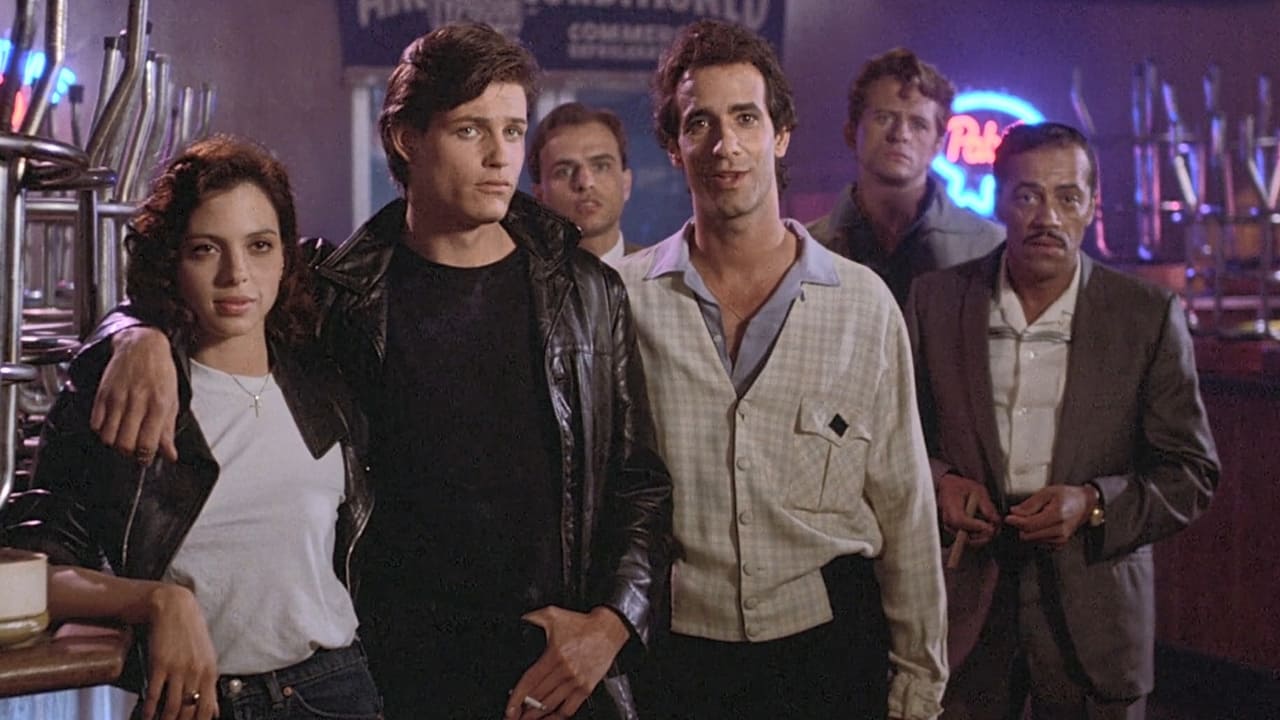
The premise itself is pure rock mythology spun into a compelling narrative thread. We follow Maggie Foley (Ellen Barkin, sharp and inquisitive), a TV reporter piecing together a documentary about Eddie and the Cruisers, a fictional early-60s band whose charismatic frontman, Eddie Wilson (Michael Paré), vanished after a car crash, his body never found. The band’s groundbreaking second album, "A Season in Hell" – supposedly darker, more poetic, ahead of its time – also disappeared without a trace. Maggie interviews the surviving band members, dredging up memories, rivalries, and maybe, just maybe, the location of those legendary lost tapes.
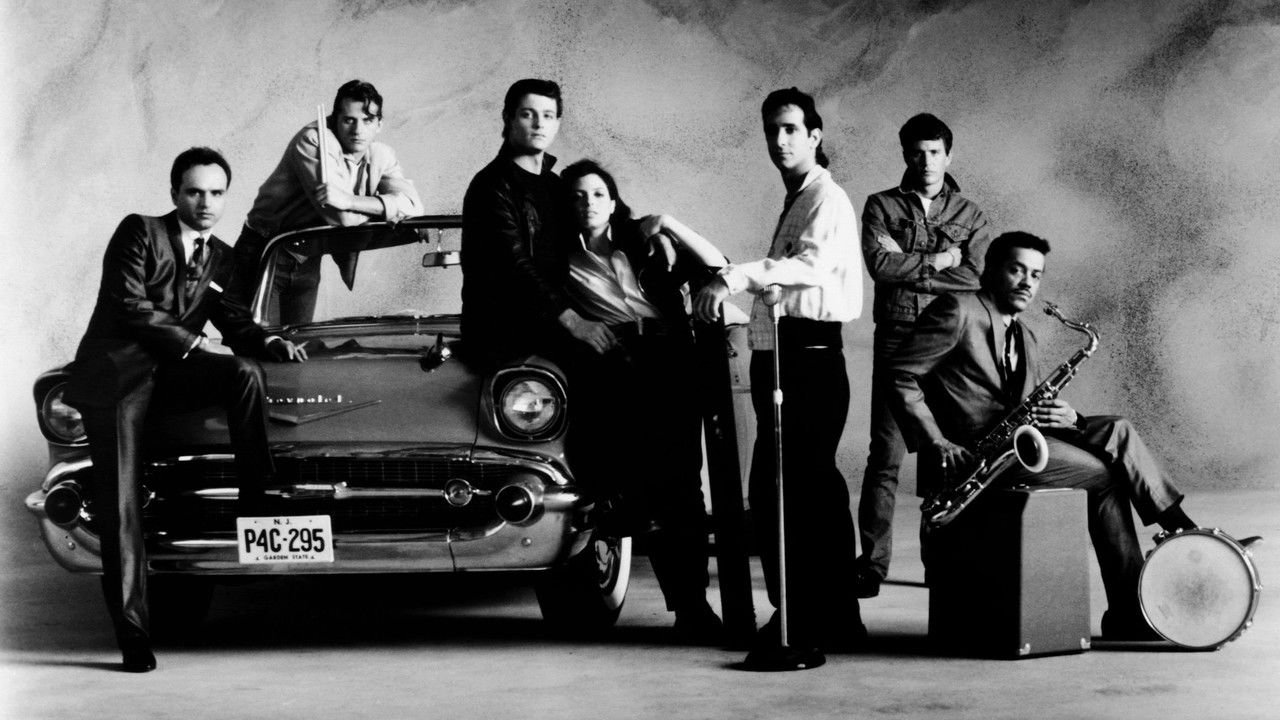
Our main guide through these hazy recollections is Frank Ridgeway, aka "Wordman" (Tom Berenger, bringing a thoughtful, world-weary gravitas). Once the band's keyboardist and lyricist, now a high school teacher, Frank is the reluctant keeper of the flame, wrestling with the legacy of his magnetic, difficult friend. Through his eyes, we flash back to the band's heyday: sweaty club gigs, the thrill of hearing their song on the radio for the first time, and the mounting tensions between Eddie's artistic vision and the safer path the record company demands. Joe Pantoliano – affectionately known to many as ‘Joey Pants’ – is perfectly cast as Doc Robbins, the band's slick manager, navigating the tricky waters between art and commerce. We also get glimpses of the other Cruisers, like Sal Amato (Matthew Laurance) on bass, loyal but perhaps less ambitious than their frontman.
On the Dark Side: That Killer Soundtrack
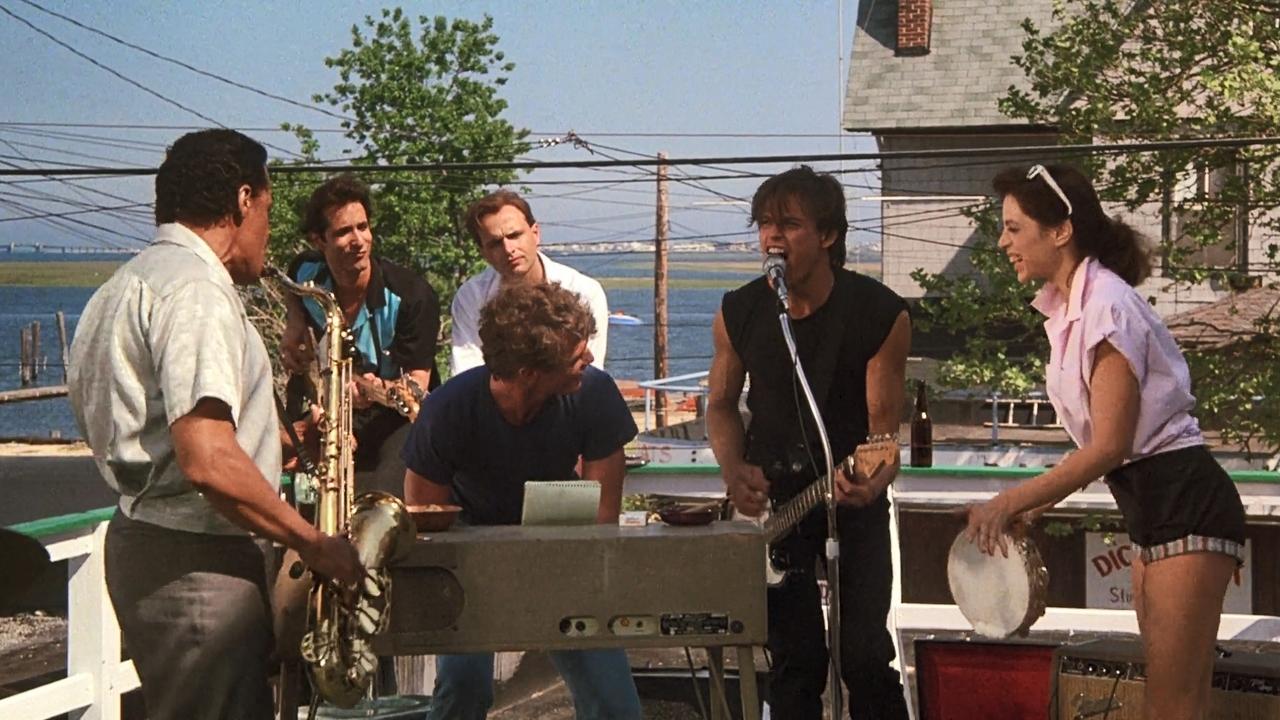
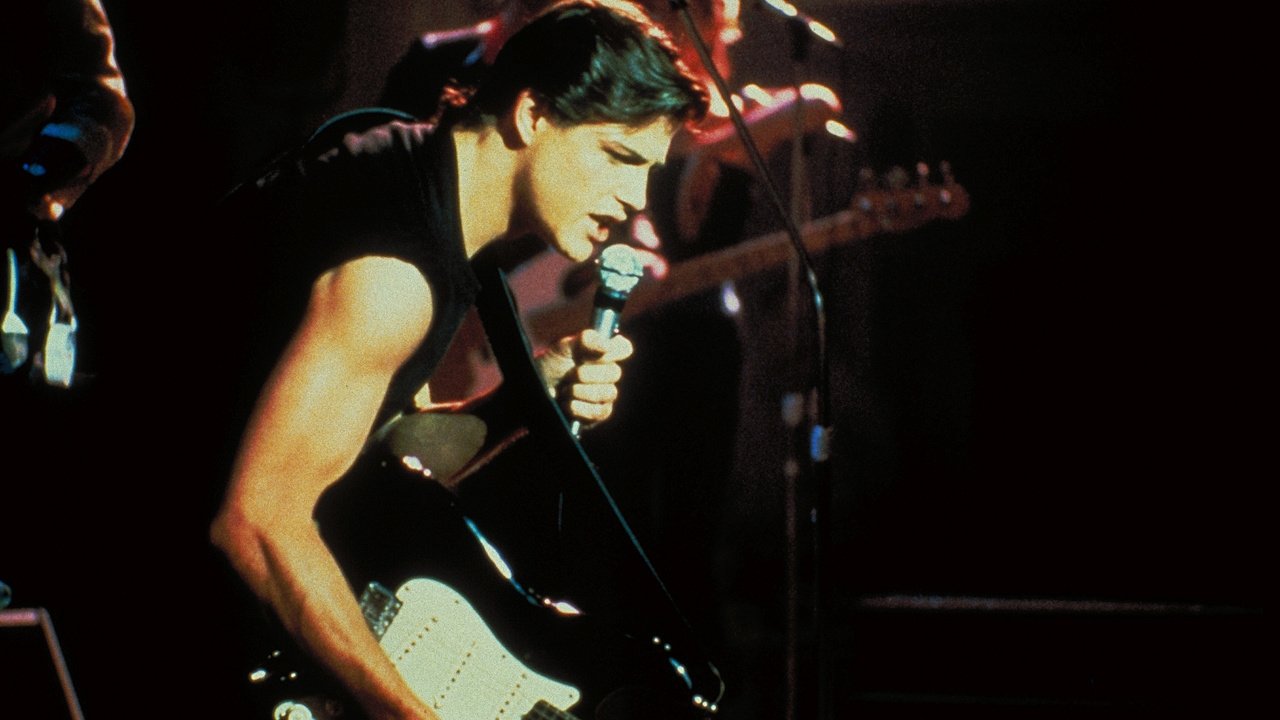
Let's be honest: you can't talk about Eddie and the Cruisers without talking about the music. While Michael Paré absolutely looked the part – brooding, intense, capturing that James Dean-meets-Springsteen vibe perfectly – the voice belonged to John Cafferty & The Beaver Brown Band. Director Martin Davidson, who also co-wrote the screenplay with Arlene Davidson based on P.F. Kluge's novel, made a genius move bringing them aboard. Cafferty’s vocals uncannily matched Paré’s on-screen intensity, creating a seamless illusion. The resulting soundtrack wasn't just good; it was a phenomenon.
Songs like the anthemic "On the Dark Side," the yearning ballad "Tender Years," and the driving "Wild Summer Nights" became massive radio hits long after the film had initially fizzled at the box office. Earning a meager $4.7 million upon release, Eddie and the Cruisers seemed destined for obscurity. But then came cable television and the burgeoning VHS rental market. Suddenly, everyone was hearing these incredible songs and asking, "Who are the Cruisers?" The soundtrack album soared to #9 on the Billboard 200 chart and eventually went Triple Platinum. It’s a classic example of the music eclipsing the movie, only to then resurrect it, granting Eddie the cult classic status it enjoys today. It became one of those quintessential cable/VHS discoveries that defined the era for so many film fans.
Retro Fun Facts: The Legend Builds
The journey of Eddie and the Cruisers is a testament to the power of word-of-mouth and second chances, fueled significantly by its killer soundtrack. Paré, though relatively unknown at the time, beat out other actors for the role partly because of his intense screen presence, perfectly embodying the rebellious spirit Davidson envisioned. While comparisons to Bruce Springsteen were inevitable given the sound and Jersey setting, Cafferty and the band forged their own identity through the film. Interestingly, Matthew Laurance (Sal) actually could play bass and reportedly taught Paré some believable stage moves. The film itself was shot primarily in New Jersey and Philadelphia, adding to that authentic East Coast rock vibe. It’s fascinating how a film that barely made a ripple theatrically could embed itself so firmly in the pop culture consciousness thanks to heavy rotation on channels like HBO and the magic of home video – a true "VHS Heaven" success story.
Why We Still Tune In
Beyond the killer tunes and the central mystery, Eddie and the Cruisers taps into timeless themes: the pursuit of artistic integrity, the price of fame, the bittersweet ache of nostalgia, and the enduring power of music to define moments and relationships. Sure, some elements might feel a bit dated now – the editing pace, some of the dialogue – but it possesses an earnestness and a raw energy that still connects. Paré’s portrayal of Eddie, all smoldering intensity and uncompromising vision, remains iconic. Berenger provides the soulful counterpoint, reminding us of the human cost behind the rock god myth.
It captures that specific kind of 80s cinematic yearning – a slightly melancholic look back at an idealized past, wrapped in a genuinely compelling story. It makes you believe in Eddie Wilson, makes you want those lost tapes to exist. Did anyone else desperately wish they could find a battered vinyl copy of "A Season in Hell" after watching this?
Rating: 8/10
Eddie and the Cruisers might not be a flawless masterpiece, but its cultural impact, driven by that incredible soundtrack and its second life on VHS and cable, is undeniable. The central mystery keeps you hooked, the performances (especially Paré and Berenger) are strong, and the music is legendary. It overcomes its initial box office stumble with sheer heart, soul, and rock 'n' roll energy. The 8/10 reflects its status as a beloved cult classic whose music transcended the screen and became a defining sound for many, perfectly capturing the spirit of rock mythology and nostalgic discovery.
It’s a film that reminds us that legends aren't always born in the spotlight; sometimes, they're resurrected by the echoes they leave behind, waiting to be rediscovered on a worn-out tape. Words and music, man... that's the stuff dreams, and great cult movies, are made of.