Okay, pull up a beanbag chair and dust off that VCR head cleaner, because today we're diving into a film that practically explodes with eighties ambition, even while trying to capture the spirit of the late fifties. I'm talking about Julien Temple’s vibrant, sprawling, and famously flawed musical extravaganza, Absolute Beginners (1986). This wasn't just a movie; it felt like an event, a kaleidoscopic statement piece that landed with the subtlety of a neon sign in a blackout.
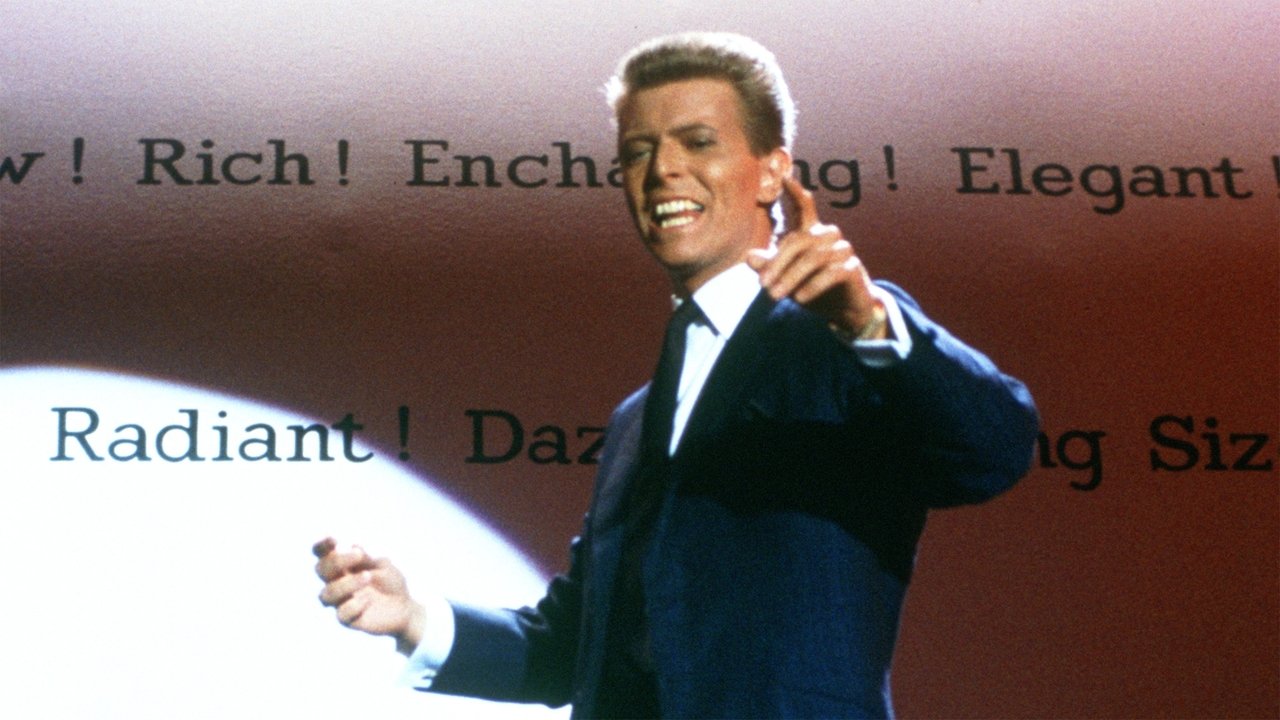
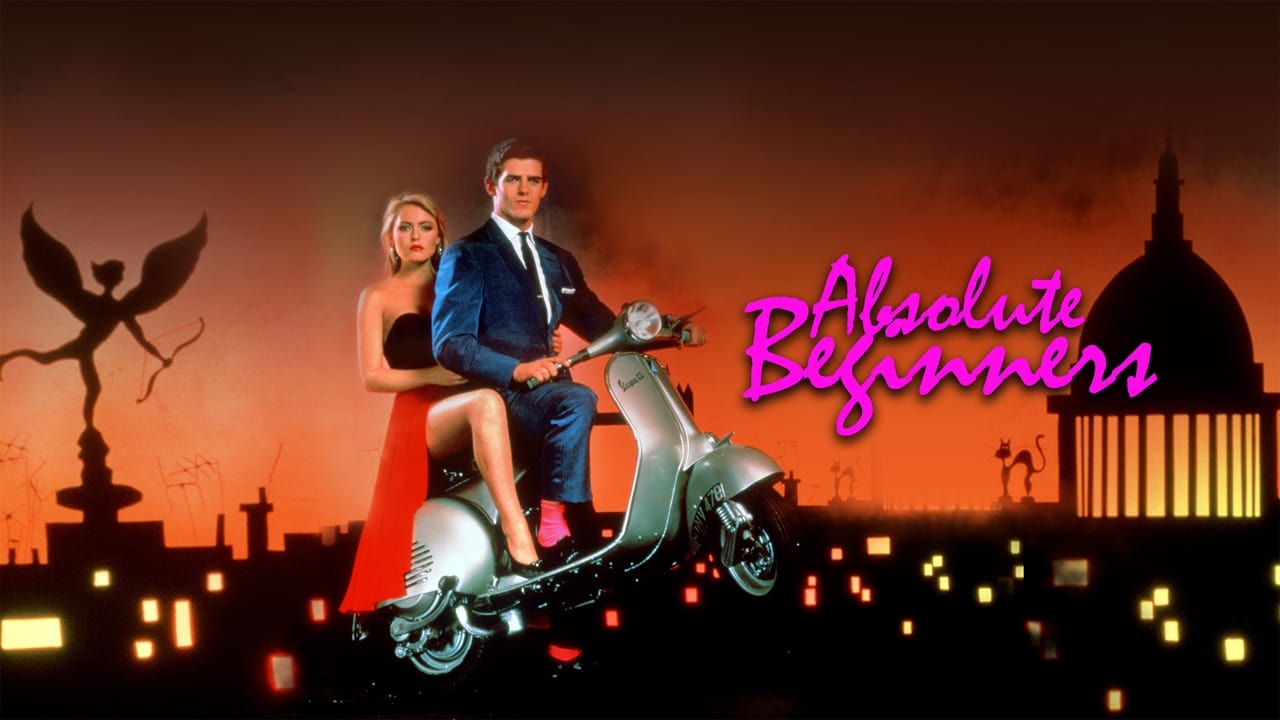
Based on Colin MacInnes's sharp 1959 novel about youth culture and simmering racial tensions in Notting Hill, the film takes that source material and filters it through a distinctly mid-80s prism. Director Julien Temple, already renowned for his groundbreaking music video work with artists like the Sex Pistols and David Bowie, approached this not just as a period piece, but as a hyper-stylized fantasy. Forget gritty realism; this London fizzes with impossible colours, gravity-defying dance numbers, and a sense of theatricality that bursts from every frame. I remember seeing the poster for this one back in the day – that bold, graphic style – and thinking, "What is this?" It promised something utterly unique.
Neon Dreams and Soho Schemes
Our guide through this heightened reality is Colin (Eddie O'Connell), a young photographer trying to make his name and win the affections of the impossibly chic Crepe Suzette (Patsy Kensit, barely 18 at the time but already possessing screen presence). Colin navigates a world populated by sharp-suited advertising execs, bohemian artists, jaded jazz musicians, and simmering resentment towards the recently arrived West Indian community. Suzette, meanwhile, gets swept up in the world of high fashion, manipulated by the smooth but sinister designer Henley of Mayfair (James Fox, oozing aristocratic menace).
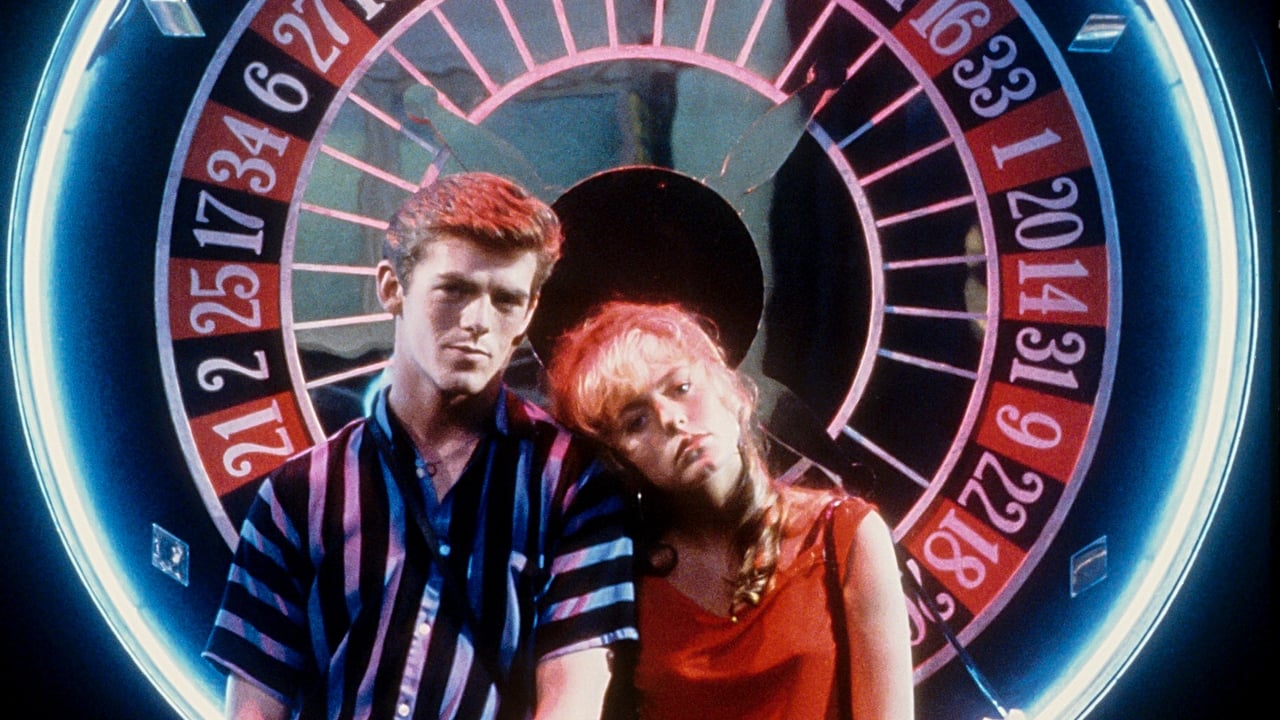
The plot itself is perhaps the film's weakest link, often feeling secondary to the sheer spectacle. It ambles through Colin's experiences, focusing more on capturing the vibe of the era – the excitement of burgeoning rock 'n' roll, the clash of cultures, the desperate pursuit of cool – than on tight narrative construction. But oh, what spectacle! Temple didn't just recreate Notting Hill; he built a gargantuan, £2.5 million fantasy version of it on the legendary 007 Stage at Shepperton Studios. This colossal set allowed for incredible, sweeping camera movements, elaborate choreography (often involving seemingly the entire cast), and a sense of scale rarely seen in British cinema at the time. It’s a film that looks expensive, and indeed it was, clocking in at around £8.6 million overall – a huge gamble for production company Goldcrest Films.
The Sound of a Generation (or Two)
And then there's the music. If the visuals are dazzling, the soundtrack is arguably the film's most enduring legacy. Who could forget David Bowie’s absolutely magnificent title track? "Absolute Beginners" wasn't just a song in the movie; it became a massive worldwide hit, a perfect slice of sophisticated mid-80s pop that somehow felt timeless. Bowie himself appears in the film as the slick advertising guru Vendice Partners, delivering a typically charismatic performance and a show-stopping number, "That's Motivation," complete with dancing mannequins and giant typewriters.
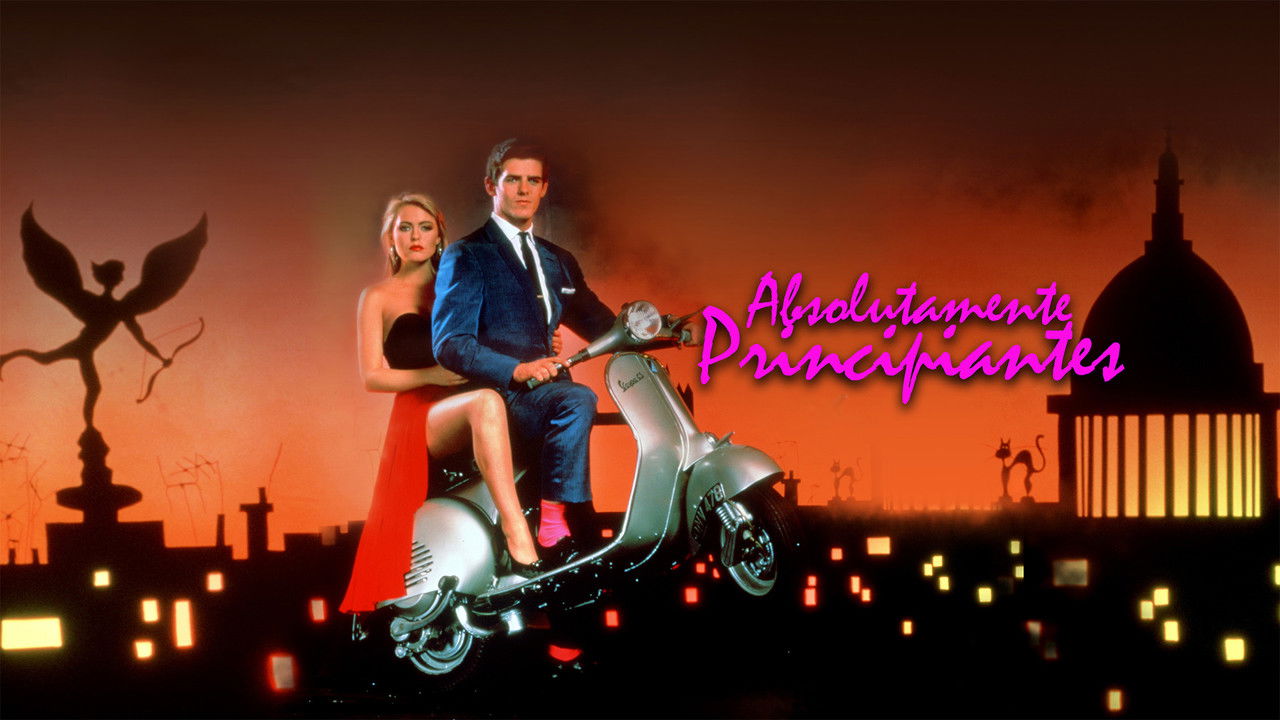
But the sonic riches don't stop there. We get sultry contributions from Sade ("Killer Blow"), a poignant tune from The Kinks' frontman Ray Davies ("Quiet Life"), and tracks from Style Council and others. It’s a killer line-up that perfectly complements the film’s fusion of 50s setting and 80s sensibility. For many, the soundtrack album was a bigger success and a more cohesive experience than the film itself. I definitely owned the cassette and played it until the tape warped!
A Glorious, Flawed Spectacle
Let's be honest, Absolute Beginners wasn't exactly embraced upon release. Critics were often baffled, even hostile (it currently sits at a chilly 35% on Rotten Tomatoes), and audiences didn't flock to it. Its staggering budget and subsequent box office failure (making only around $1.8 million in the US) famously contributed to the financial woes, and near collapse, of Goldcrest Films, who had previously given us hits like Chariots of Fire (1981) and Gandhi (1982). The film became shorthand for ambitious folly.
Yet... watching it now, especially through the warm, fuzzy lens of VHS nostalgia, there's something undeniably captivating about its sheer, unadulterated nerve. Temple threw everything at the screen: intricate long takes, bold production design bordering on the surreal, energetic musical numbers, and a surprisingly sharp (if sometimes overwhelmed) commentary on racism and gentrification lurking beneath the gloss. O'Connell makes for a likable, if slightly blank, lead, while Kensit radiates star quality.
It’s a film that feels utterly handmade, despite its budget – you sense the passion project enthusiasm, even when it stumbles. Some scenes feel disjointed, the tone can veer wildly, and the sheer sensory overload might exhaust some viewers. But isn't that part of its charm now? It’s a relic from a time when a major studio would gamble big on a director's wildly personal, stylised vision for a period musical tackling social issues. Can you imagine something quite like this getting greenlit today?
VHS Heaven Rating: 6/10
Absolute Beginners is far from perfect. Its narrative is messy, its ambition sometimes outstrips its execution, and its historical significance is tangled up in its infamous box office failure. However, it's also a visually stunning, musically vibrant, and utterly unique piece of 80s cinema. The sheer audacity of Julien Temple's vision, the unforgettable Bowie contribution, the incredible set design, and its snapshot of mid-80s stylistic excess make it a fascinating watch. It’s a beautiful, sprawling mess, a cult classic that earns its status through sheer, unadulterated, dazzling peculiarity.
For all its flaws, it remains a film that tried to do something daringly different, a neon-soaked time capsule that’s more than just the sum of its troubled parts. It’s a dazzling failure, perhaps, but a dazzling one nonetheless.