It begins not with a whisper, but with a howl – a psychic scream tearing through the celluloid. Watching Alan Parker’s Pink Floyd: The Wall (1982) again, decades after first encountering its imposing double VHS case on the rental shelf, feels less like revisiting a film and more like submitting to a sensory onslaught. It’s a film that doesn’t just depict a breakdown; it induces a state of unease, a disquieting immersion into the shattered psyche of its protagonist, Pink. It remains a singular, often harrowing, cinematic experience, one that refused to play by any conventional rules.
Behind the Bricks: A Troubled Genesis
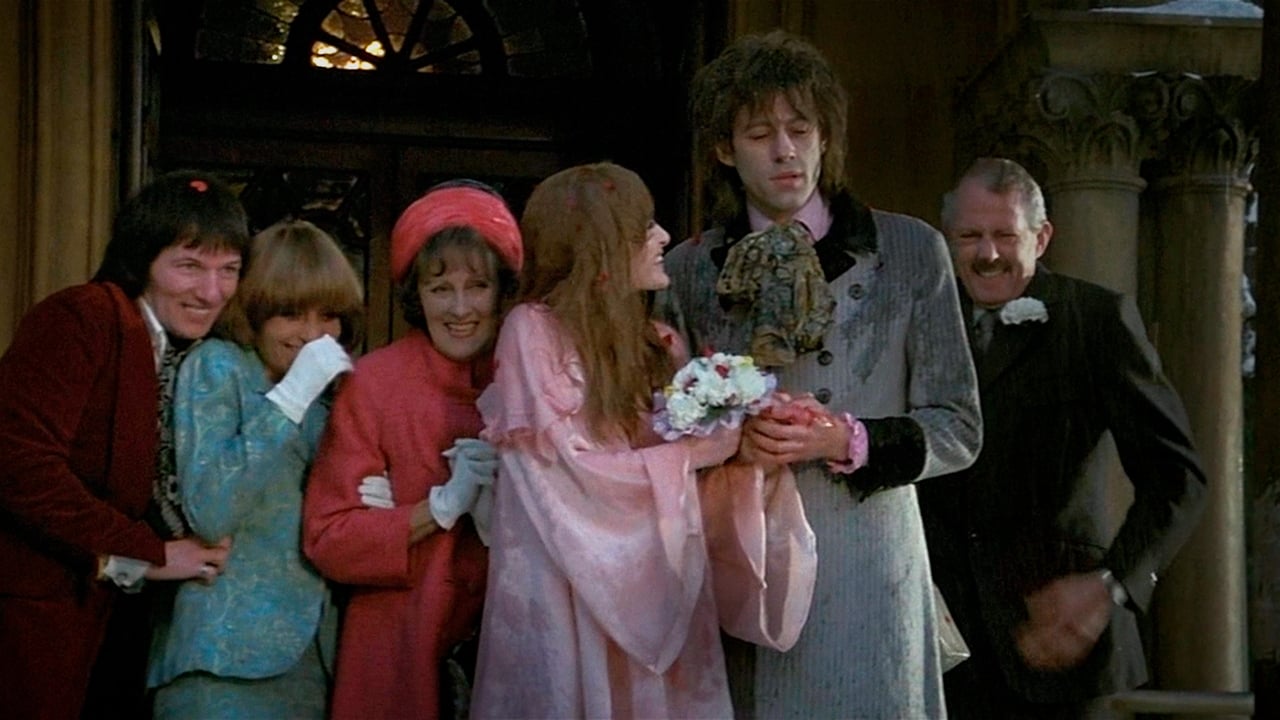
Based entirely on the monumental 1979 Pink Floyd album conceived primarily by Roger Waters, the film translates the music's themes of alienation, war trauma, authoritarianism, and the suffocating weight of fame into a relentless visual narrative. It's essentially Waters’ biography filtered through a dark, allegorical lens, tracing the rock star Pink's descent into isolation, brick by metaphorical brick. The journey from album to screen wasn't smooth. Initially envisioned perhaps with more concert footage, it was director Alan Parker, hot off gritty hits like Midnight Express (1978) and the vibrant Fame (1980), who championed a more cohesive, albeit challenging, narrative structure. This notoriously led to creative friction with Waters, who penned the screenplay himself. Reports from the era speak of a tense set, a battle of wills between two strong artistic visions – a conflict that, perhaps ironically, mirrors the film’s own themes of control and rebellion.
The casting of Bob Geldof, frontman of The Boomtown Rats, as Pink was another point of interest. Geldof himself has openly admitted he wasn't initially a fan of Pink Floyd's music and was hesitant to take the role. Legend has it animator Gerald Scarfe played a key part in convincing him. It proved an inspired choice. Geldof delivers a performance of raw, almost feral intensity, largely devoid of dialogue. His Pink is a vessel for pain, his eyes reflecting a terrifying vacancy or erupting in bursts of destructive rage. He embodies the isolated rock god, trapped in a gilded cage of his own making, communicating almost entirely through posture, expression, and primal screams set to Waters' searing lyrics.

A Symphony of Sight and Sound
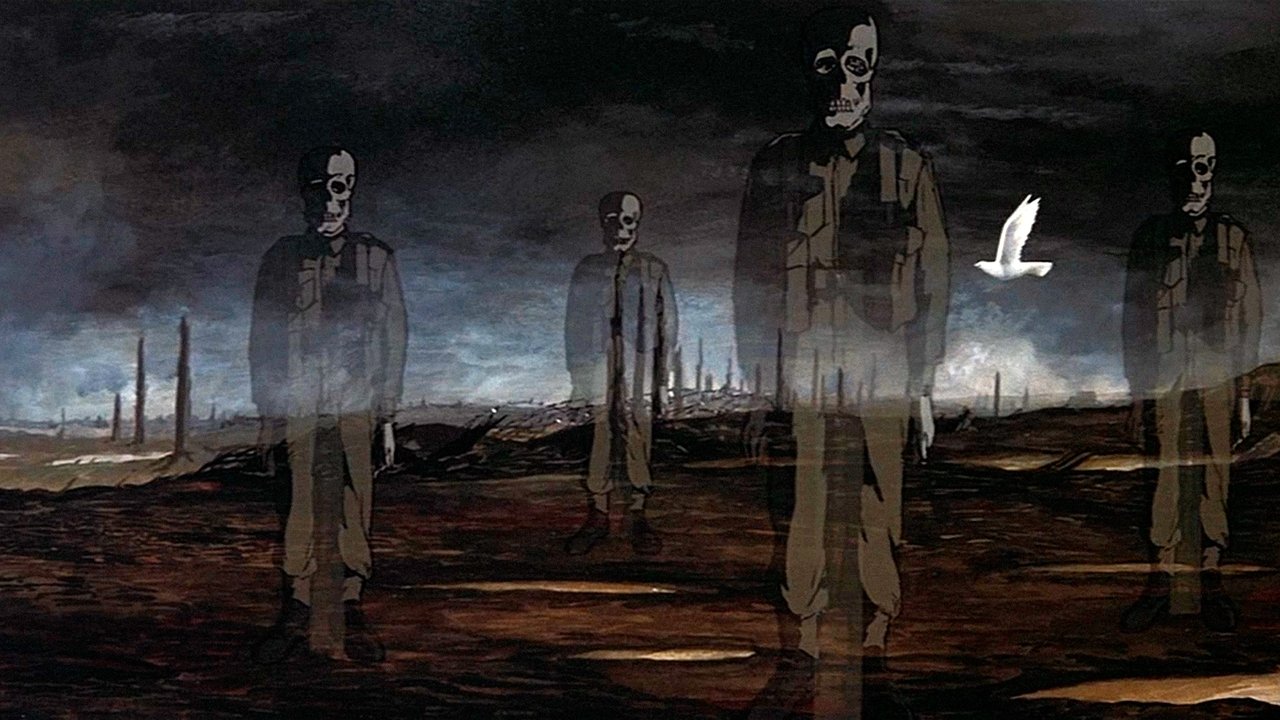
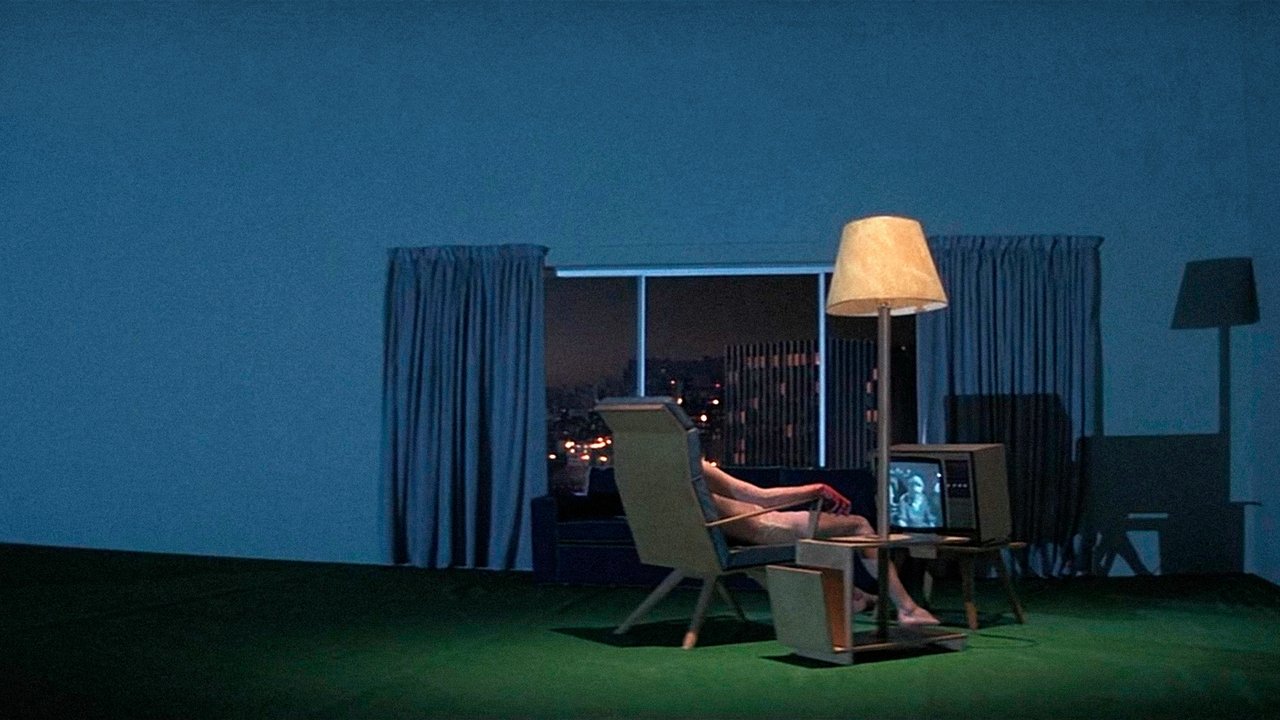
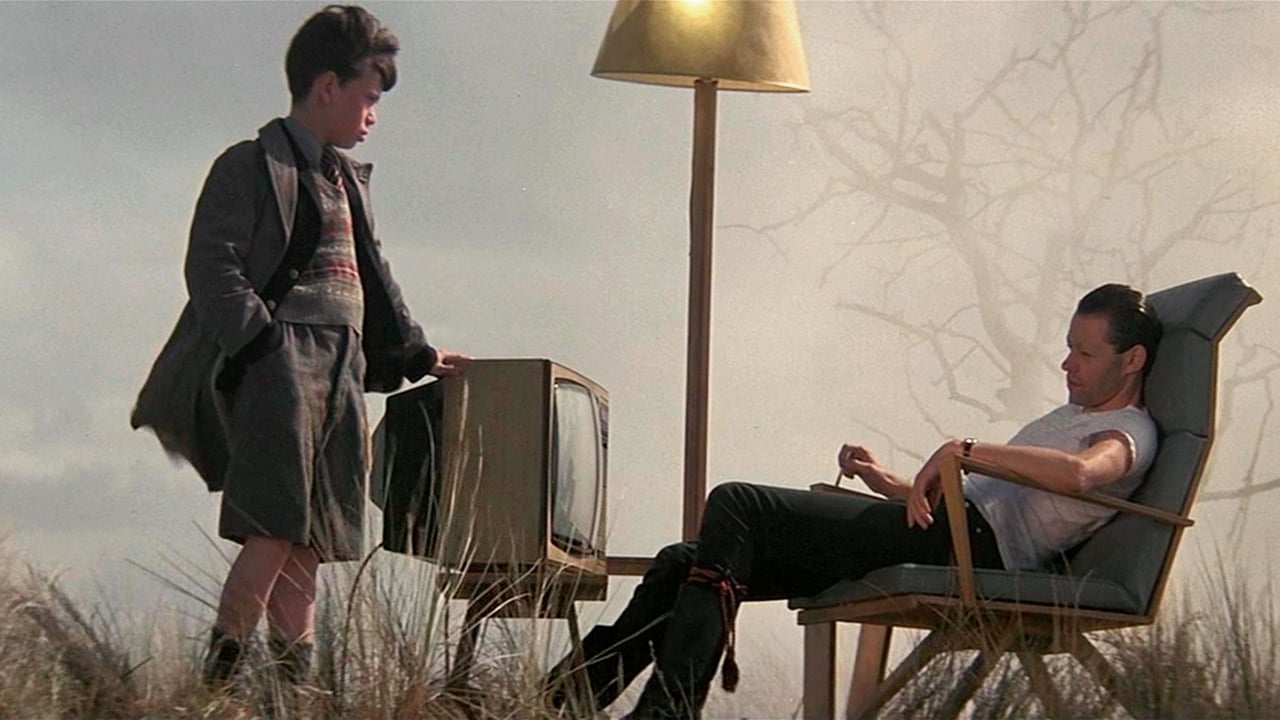
The Wall isn't just accompanied by music; it is music made manifest. Parker masterfully orchestrates a fusion of bleak live-action sequences – the sterile hotel rooms, the grim flashbacks to Pink's wartime childhood (Christine Hargreaves is heartbreakingly effective as the overbearing mother), the chilling fascist rally – with the groundbreaking and often nightmarish animation of Gerald Scarfe. These animated sequences aren't mere interludes; they are the film's id unleashed. Who can forget the grotesque, sexually menacing flowers, the relentless march of the hammers, or the terrifyingly authoritarian "Teacher"? Scarfe's creations burrow into the subconscious, giving form to Pink's deepest fears and societal critiques. The painstaking, hand-drawn nature of this animation feels intensely personal, a world away from the slick CGI that would come later. It has a tactile, visceral quality that enhances the film's unsettling power.
The production itself was ambitious. Staging the large-scale fascist rally sequence, for instance, was a significant logistical feat, demanding precision and a chilling commitment to visual impact. Even the film’s initial reception was divisive. It premiered out of competition at the Cannes Film Festival and faced ratings board hurdles – originally slapped with an 'X' in the UK before being reclassified – due to its disturbing imagery, sexual content, and violence. Yet, it found its audience, becoming a significant cult phenomenon and a surprise box office success, grossing over $22 million in the US against its estimated $12 million budget. It became the midnight movie for a generation, a rite of passage whispered about in school hallways and sought out on flickering CRT screens.
Echoes in the Architecture
Does The Wall hold up? It's not an easy watch, nor was it ever intended to be. Its narrative is deliberately fractured, reflecting Pink's disintegrating mind. The pacing is relentless, offering little respite from the bleakness. Some might find its symbolism heavy-handed, its portrayal of women problematic through Pink's damaged lens. Yet, its power remains undeniable. It’s a film that tackles immense themes with audacious visual flair and musical force. Parker’s direction navigates the challenging material with confidence, seamlessly blending the disparate elements into a cohesive, if overwhelming, whole.
Thinking back, I remember the sheer weight of the double VHS tape. Renting it felt like committing to something serious, something adult and maybe even a little dangerous. It wasn't background noise; it demanded your full attention, pulling you into its vortex of sound and fury. It explored mental illness, the scars of war, and the dangers of unchecked power in ways few mainstream films dared to at the time. Questions linger long after the final brick crumbles: how much of our own "walls" are built from fear, trauma, and the expectations of others? How thin is the line between performer and demagogue, between isolation and madness?
Rating: 9/10
This score reflects the film's towering artistic ambition, its groundbreaking fusion of music and visuals, Geldof's committed performance, and Scarfe's unforgettable animation. Its technical mastery and thematic depth are undeniable, justifying its status as a landmark achievement. While its unrelenting intensity and fragmented narrative make it a challenging experience rather than straightforward entertainment, its power and artistry are undeniable. It's a potent piece of cinema that earns its high rating through sheer audacity and lasting impact, even if it leaves you feeling wrung out.
Pink Floyd: The Wall remains a monumental testament to the power of visual storytelling married to music, a dark, disturbing, yet utterly compelling journey into the abyss that still echoes loudly decades later. It’s more than a movie; it’s an artifact of a specific time, a specific band, and a specific, troubled vision, preserved forever on those hefty VHS tapes.