It's a question that echoes through history, whispered in quiet corners where ambition chafes against constraint: what price would you pay for knowledge, for the freedom to pursue your intellectual passions? For the protagonist of Barbra Streisand's monumental 1983 film Yentl, the answer is transformative, demanding a sacrifice of identity itself. Watching it again after all these years, far removed from the flickering glow of a rented VHS tape on a bulky CRT, the film’s audacity still strikes with remarkable force. This wasn't just another movie; it felt like an event, a deeply personal statement smuggled onto screens disguised as a period musical drama.
A World Both Familiar and Forbidden
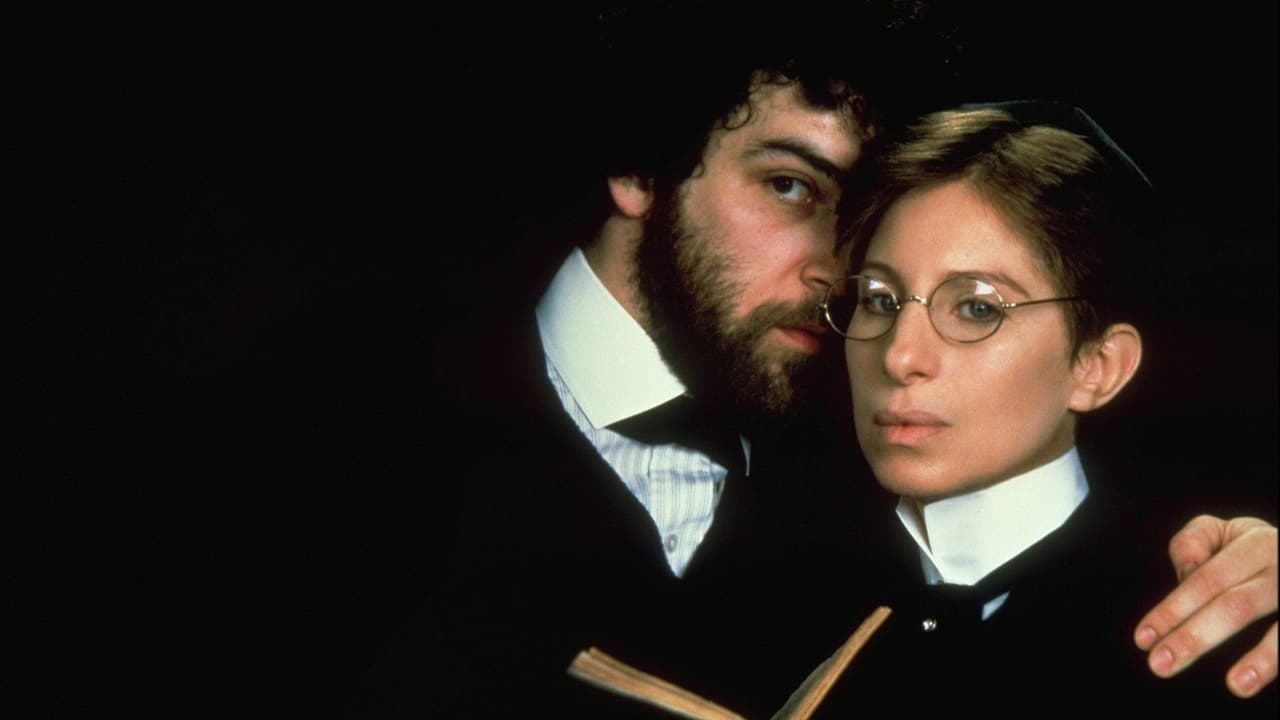
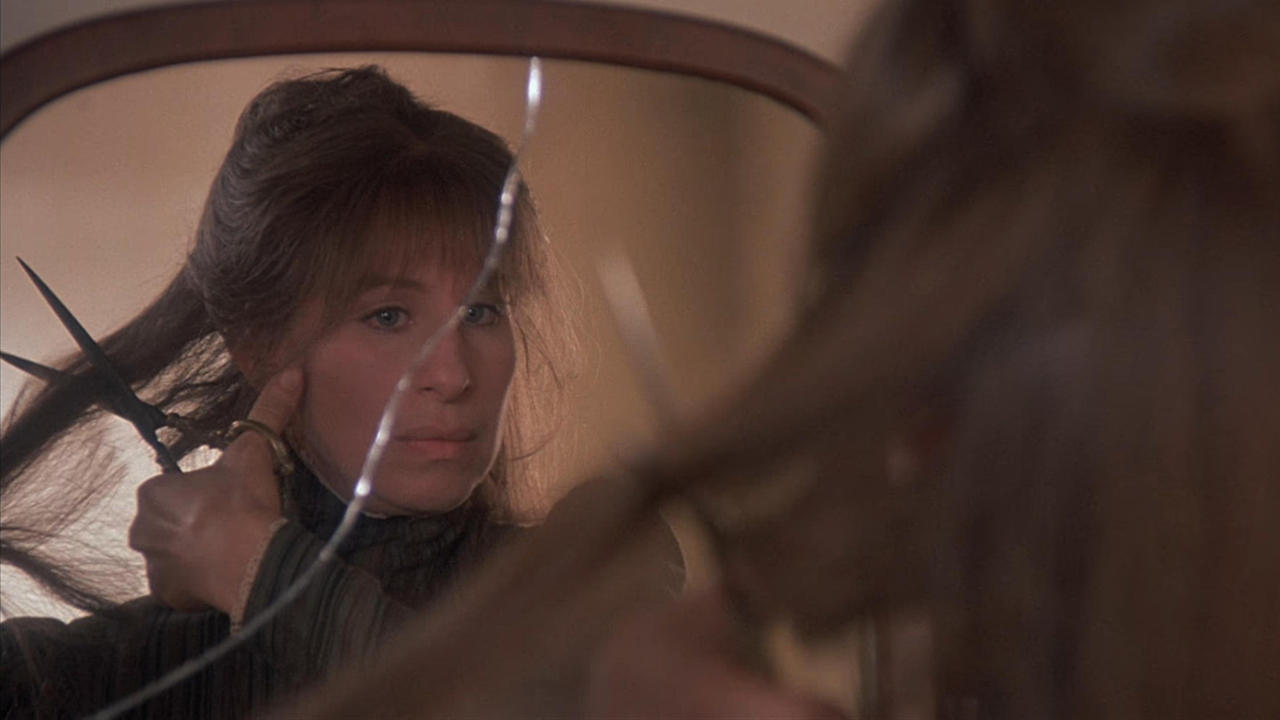
Based on Isaac Bashevis Singer's short story "Yentl the Yeshiva Boy," the film transports us to Ashkenazi Jewish life in Poland around the turn of the 20th century. Yentl Mendel (Barbra Streisand) possesses an insatiable hunger for Talmudic study, a realm strictly forbidden to women. Her beloved Papa (Nehemiah Persoff) secretly nurtures her intellect, but upon his death, Yentl faces a stark choice: conform to the expected life of marriage and domesticity, or chase the learning she craves. Her decision – to cut her hair, don men's clothes, and enroll in a yeshiva under the name Anshel – is the catalyst for a journey fraught with intellectual discovery and profound emotional complications.
Streisand, in her directorial debut (a feat she fought tooth and nail for over 15 years), immerses us in this world with loving detail. Shot largely in Czechoslovakia, the locations evoke a believable sense of time and place, the shtetl settings feeling lived-in, the candlelit interiors radiating warmth and intimacy contrasted with the starkness of Yentl's isolation. The atmosphere is thick with tradition, faith, and the unspoken rules governing gender roles – a world Yentl both cherishes and defies.
The Sound of Inner Conflict
One of the film's boldest – and initially controversial – choices was Streisand's decision (working with composers Michel Legrand and lyricists Alan & Marilyn Bergman) to make it a musical, but with a twist. Only Yentl sings, her soaring ballads serving as internal monologues, expressing the thoughts and turbulent emotions she cannot voice aloud as Anshel. It's a device that could easily have faltered, yet mostly succeeds due to the quality of the songs ("Papa, Can You Hear Me?", "The Way He Makes Me Feel") and, crucially, Streisand's powerhouse delivery. These aren't show tunes interrupting the plot; they are the character's inner life laid bare, a constant reminder of the woman beneath the disguise. Reportedly, Streisand faced immense pressure from studios to ditch the musical numbers, but her persistence resulted in an Academy Award for Best Original Song Score. It’s hard now to imagine Yentl without its distinctive musical heartbeat.
A Tangled Triangle of Hearts
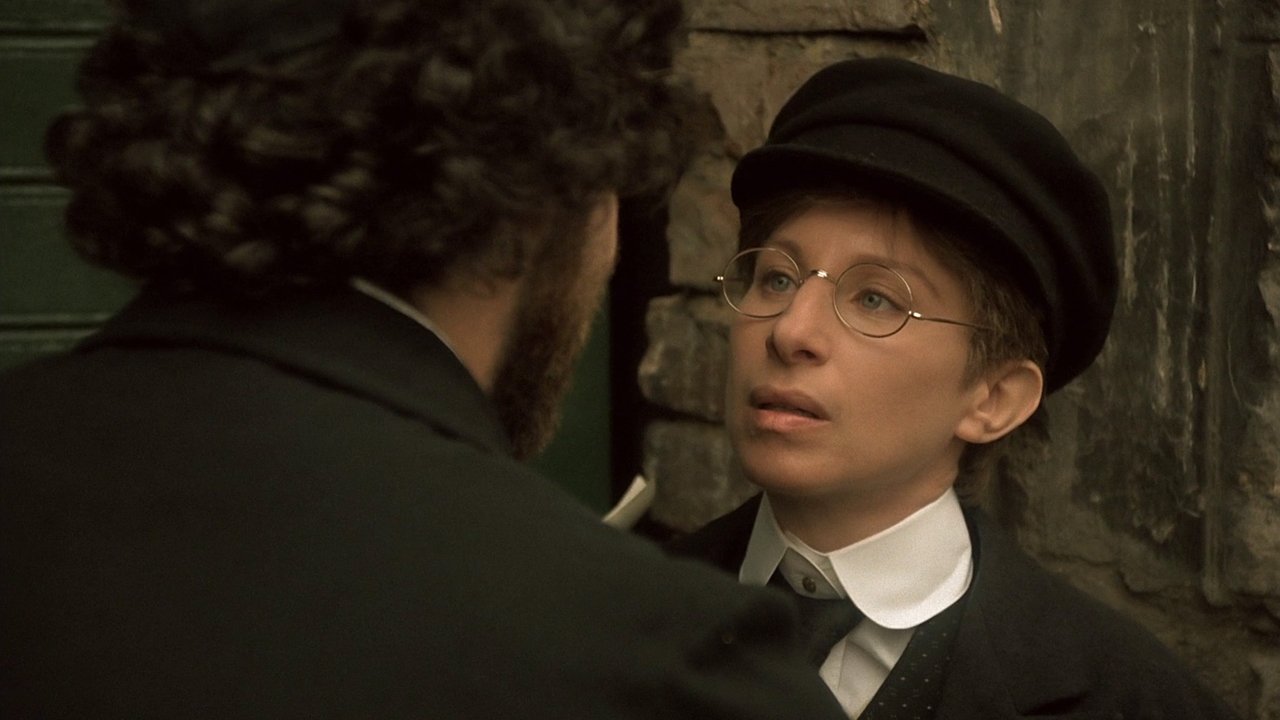
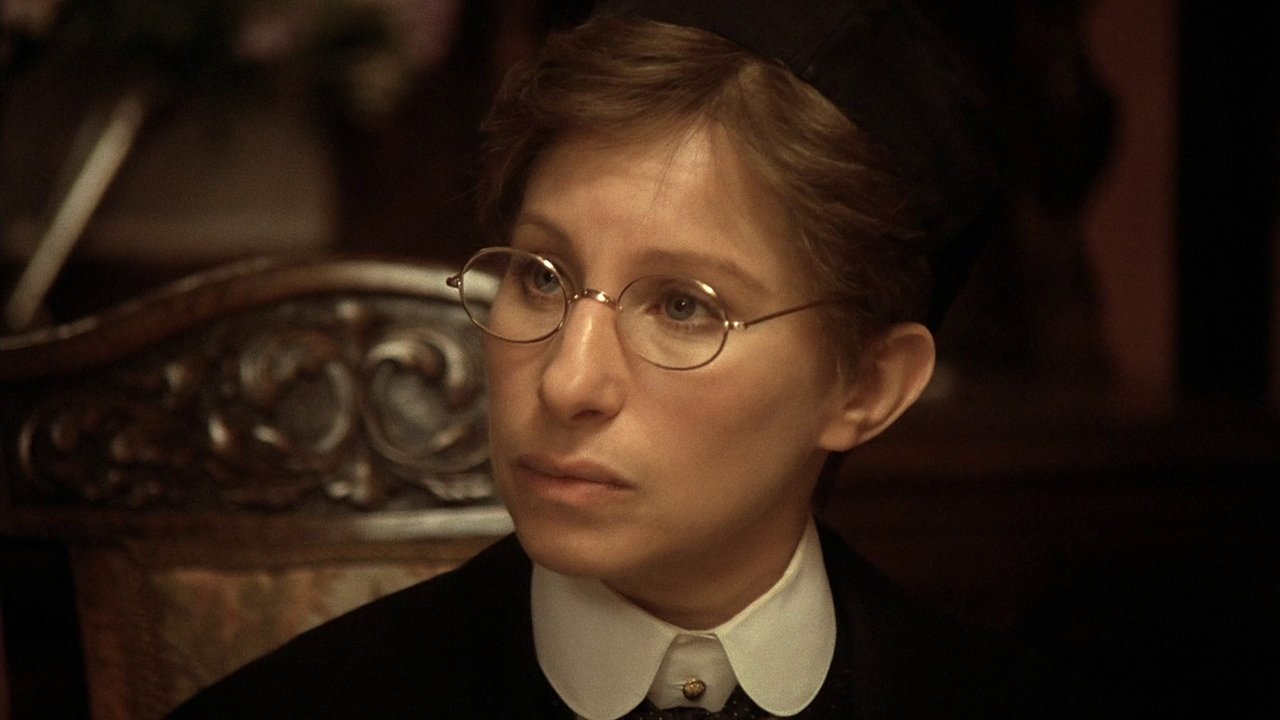
At the yeshiva, Anshel falls under the wing of the brilliant and charismatic Avigdor (Mandy Patinkin, radiating charm and intellectual fire). Their bond deepens through shared study and debate, a meeting of minds Yentl has always yearned for. But complications arise when Avigdor, heartbroken over his broken engagement to the gentle Hadass (Amy Irving, embodying sweetness and traditional femininity), convinces his "friend" Anshel to marry her instead. This sets up a complex triangle where Yentl/Anshel loves Avigdor, who loves Hadass, who develops genuine affection for the kind and scholarly Anshel.
The performances here are key. Streisand fully inhabits Yentl's dual identity, conveying the joy of learning, the terror of discovery, and the ache of suppressed longing. Patinkin, fresh off his Broadway triumph in Evita, is magnetic; his scenes with Streisand crackle with intellectual energy and burgeoning, confusing affection. Irving provides the essential emotional anchor, her Hadass more than just an obstacle, but a woman navigating her own desires within the confines of her world. Their interactions explore challenging questions about love, identity, and the nature of connection – can love exist purely on an intellectual plane? What happens when spiritual and physical desires collide with societal impossibility?
More Than Just a Movie: A Statement
Yentl was a massive undertaking for Streisand, who not only directed and starred but also co-wrote and produced. It’s undeniably a passion project, evident in every frame. The film cost around $12 million – a significant sum in 1983 – but grossed over $40 million worldwide, proving its commercial viability despite its unconventional nature. Its success paved the way, albeit slowly, for more women behind the camera tackling ambitious projects.
Does it have flaws? Perhaps. At nearly two hours and fifteen minutes, its pace can feel deliberate, and some might find the central conceit requires a significant suspension of disbelief. Yet, the film's earnestness and the sheer conviction of its execution overcome these hurdles. It tackles profound themes – the suffocation of patriarchal structures, the pursuit of knowledge as liberation, the fluidity of gender identity (long before such discussions were mainstream), the conflict between tradition and individual yearning – with sensitivity and intelligence.
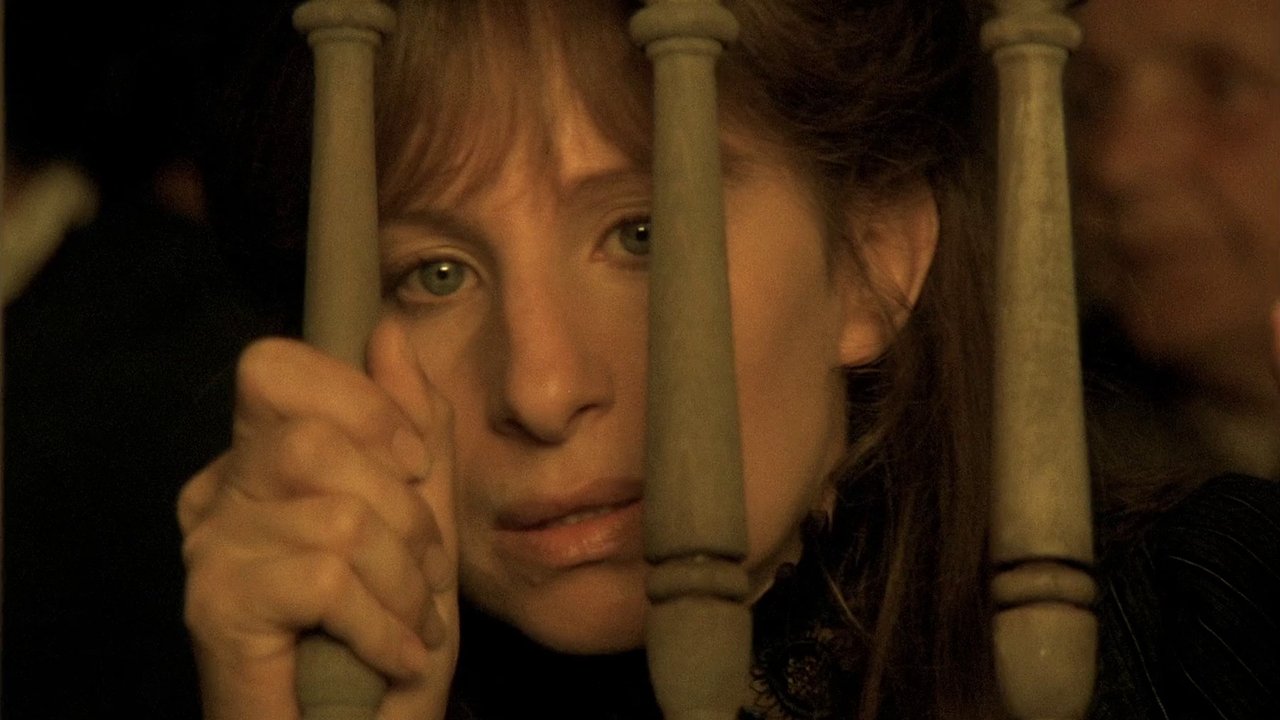
What lingers most after revisiting Yentl is its quiet power and unwavering focus. It’s a film that asks big questions and trusts its audience to grapple with them. In an era often remembered for its high-concept blockbusters and genre fare, Yentl stands out on the video store shelf – and in memory – as something different: ambitious, deeply felt, and utterly unique.
Rating: 8/10
The score reflects the film's artistic ambition, Streisand's commanding multi-hyphenate achievement, the powerful performances, and the enduring resonance of its themes. While its pacing might test some viewers, Yentl's unique blend of musical introspection and period drama remains a compelling and thought-provoking piece of 80s cinema, a testament to a singular artistic vision finally realized. It’s a film that doesn't just entertain; it invites you to think, to feel, and perhaps, to question the boundaries you accept in your own life.