It begins not just with a sight, but a sound: the unmistakable organ intro of "Let's Go Crazy," instantly transporting you back to a specific moment. For many of us clutching our worn VHS copy of Purple Rain (1984), that sound was an electric jolt – a promise of something raw, stylish, and utterly unique. It wasn't just a movie; it felt like being granted entry into a world pulsating with music, ambition, and a kind of Minneapolis-after-dark mystique. Does any other film capture the singular energy of its star quite like this one?
More Than Just a Movie Star Vehicle
In the landscape of 80s cinema, Purple Rain stands apart. It arrived when Prince was already a musical phenomenon, but this wasn't merely a cash-in or a series of music videos strung together, though it certainly boasted some incredible performance sequences. It was a gamble – a semi-autobiographical musical drama headlined by its enigmatic subject, directed by newcomer Albert Magnoli (who co-wrote with William Blinn), and populated largely by Prince's own musical collaborators rather than established actors. It felt intensely personal, almost voyeuristic, offering a fictionalized glimpse into the life of "The Kid," a talented but troubled musician navigating rivalry, romance, and family trauma.
The narrative itself is relatively simple: The Kid leads his band, The Revolution, at the legendary First Avenue club in Minneapolis (a real location integral to Prince's early career, which the film helped save from potential closure), battling for stage supremacy against the charismatic and outrageously entertaining Morris Day and his band, The Time. He simultaneously pursues a tumultuous relationship with aspiring singer Apollonia (Apollonia Kotero) while dealing with his own volatile home life. There’s ego, passion, artistic struggle, and moments of surprising vulnerability simmering beneath the cool exterior.
Echoes of Reality, Amplified by Performance
What elevates Purple Rain beyond its sometimes thin plotting and occasionally stilted dialogue is its undeniable authenticity, rooted in the real-world tensions and triumphs of the Minneapolis music scene. Prince reportedly drew heavily on his own experiences, though fictionalizing them significantly. He insisted on filming in Minneapolis during the harsh winter, lending the film a specific, moody atmosphere far removed from typical Hollywood gloss. The cold, wet streets feel like another character, mirroring the internal chill The Kid often projects.
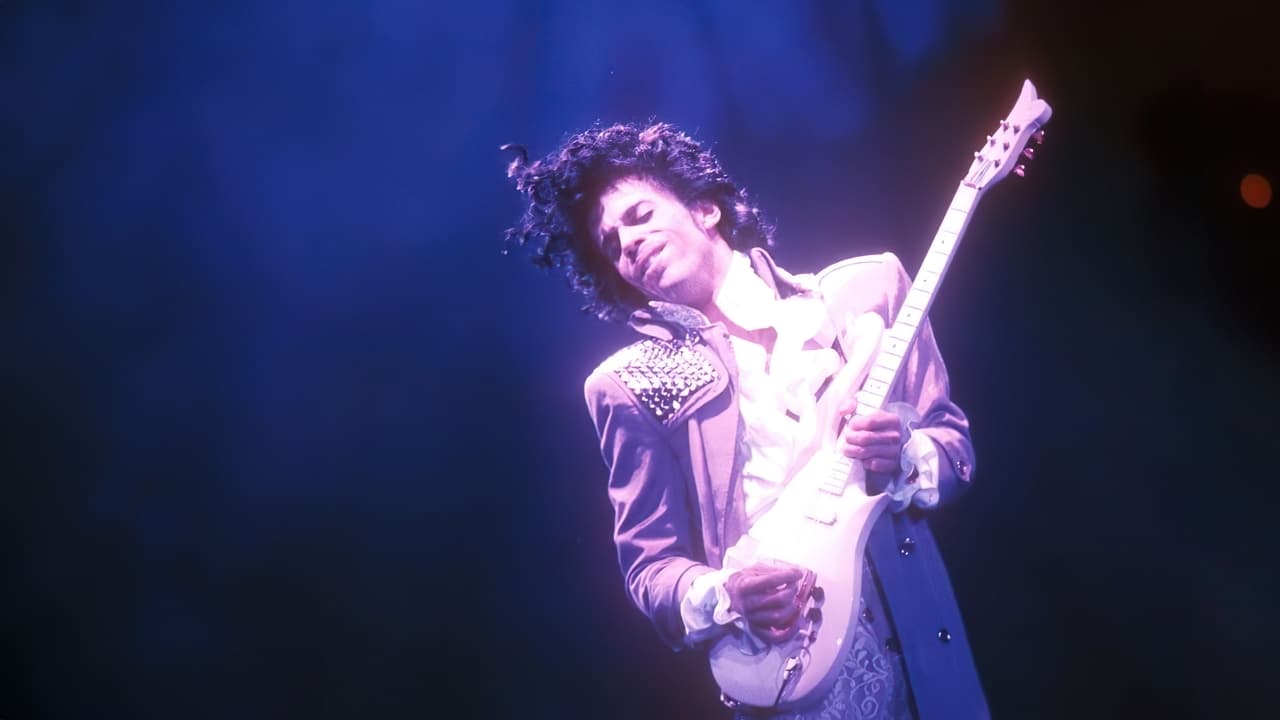
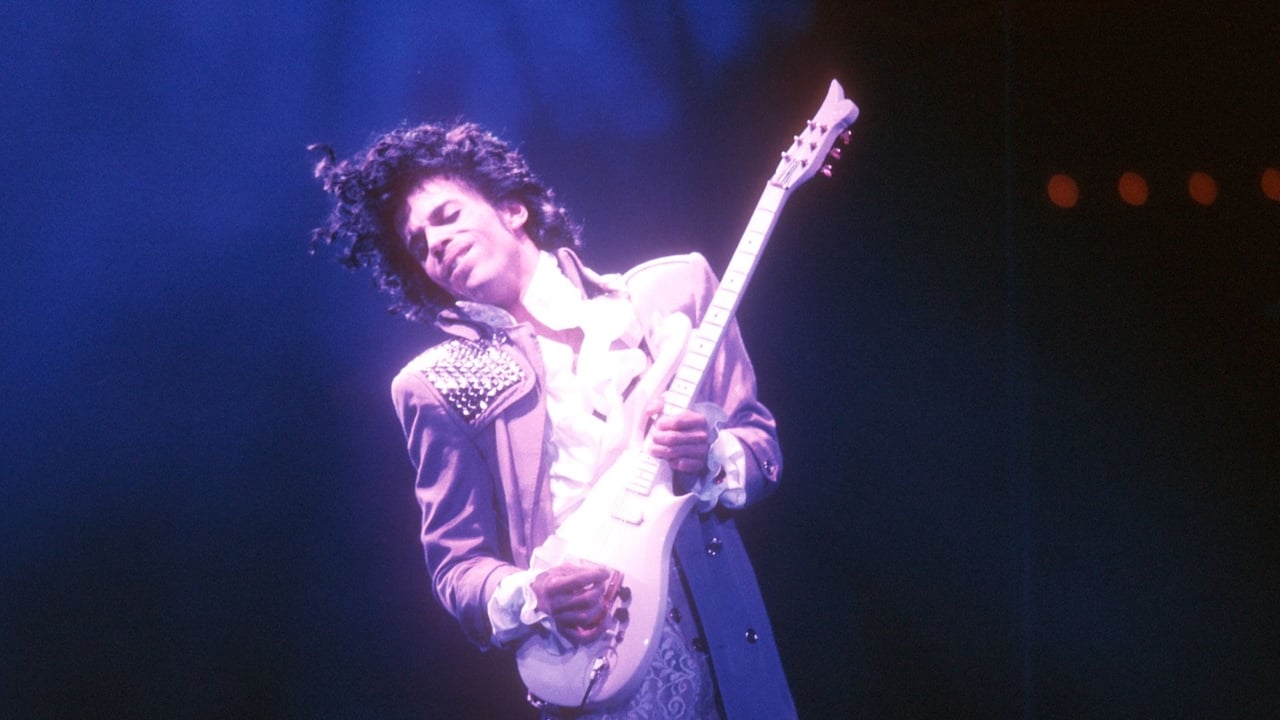
And then there's the music. The performance sequences – filmed live, capturing the sweat and energy of genuine concerts – are simply electrifying. Watching Prince command the stage during "The Beautiful Ones," "Darling Nikki," or the titular "Purple Rain" isn't just watching an actor perform; it's witnessing a force of nature unleashed. His charisma is off the charts, a mesmerizing blend of androgynous cool, vulnerability, and raw musical genius. While his traditional acting moments can feel guarded, even wooden, when the music starts, he’s utterly captivating. Morris Day, playing a heightened version of himself, is a revelation – funny, flamboyant, and a perfect foil, stealing nearly every scene he's in. Apollonia Kotero, chosen by Prince over more established names, embodies the ingénue role with a certain wide-eyed charm, even if her dramatic range feels limited compared to the musical powerhouses surrounding her.
Behind the Velvet Rope
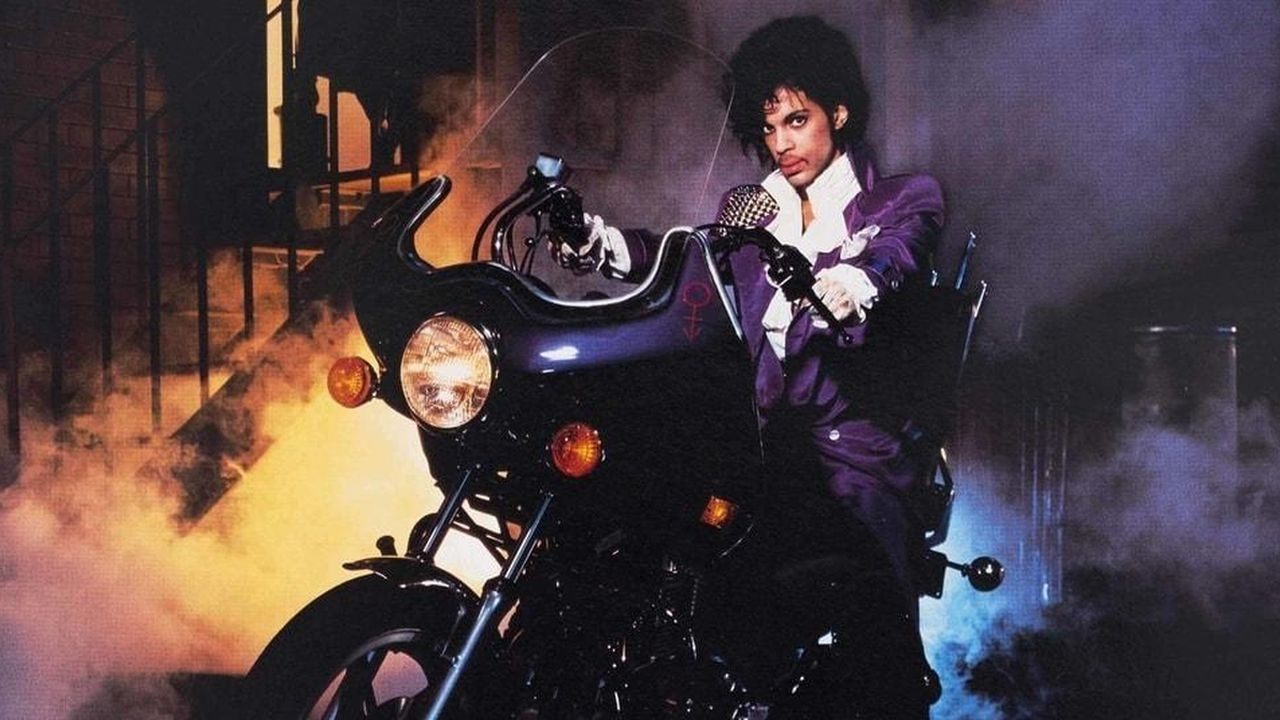
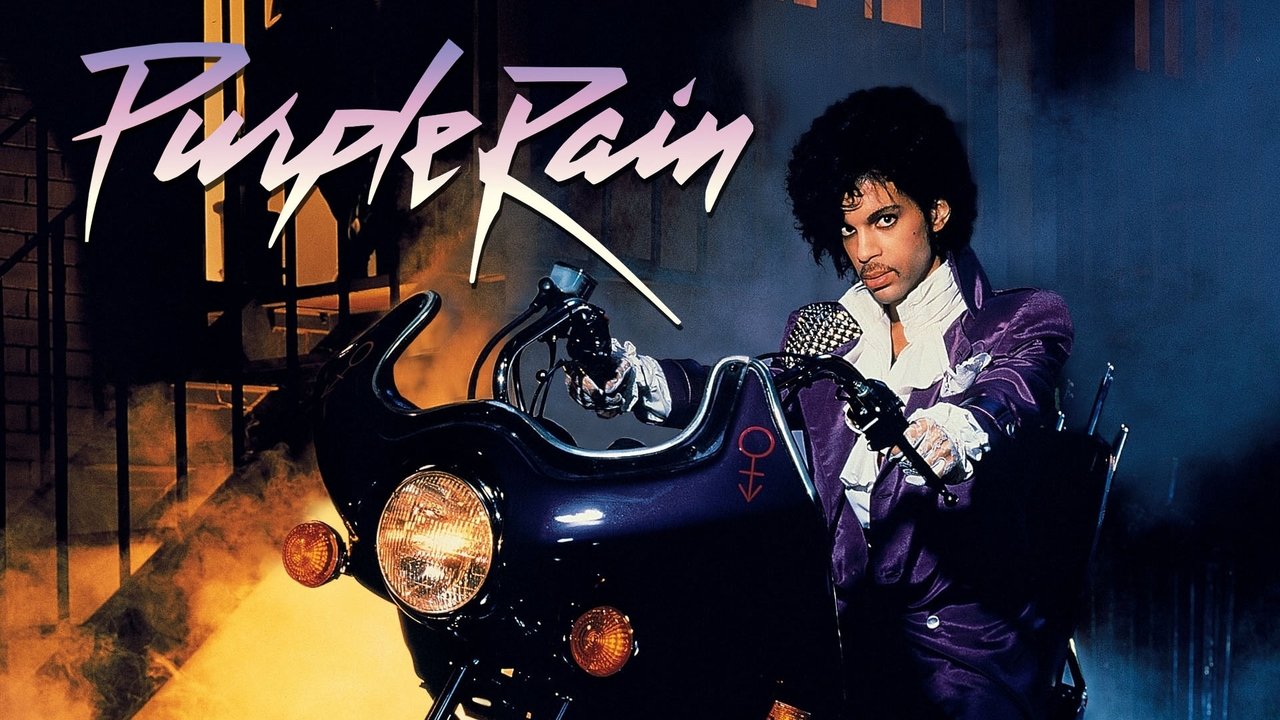
The production itself is a fascinating slice of 80s filmmaking lore. Made for a relatively modest $7.2 million (roughly $21 million today), its subsequent $70 million+ box office gross (over $200 million adjusted) was a phenomenal success, cementing Prince's status as a global megastar. The iconic purple motorcycle? A customized Honda CM400 Hondamatic. The film faced some struggles with the ratings board over its sexual content and language, eventually securing its R rating. But perhaps the most telling detail is how the soundtrack album, released before the film, became a cultural touchstone in its own right, spawning multiple hit singles and eventually winning an Oscar for Best Original Song Score – a category that rarely exists anymore. It's arguably one of the greatest soundtracks of all time, inextricably linked to the film's identity.
Purple Rain wasn't just a hit; it was a phenomenon. It influenced fashion, music videos, and the very idea of what a music-driven film could be. It paved the way, for better or worse, for other artists trying to translate their musical persona to the big screen, though few captured the same lightning in a bottle. A less successful sequel, Graffiti Bridge, followed in 1990, but it couldn't replicate the original's magic.
The Lingering Power of Purple
Watching Purple Rain today on that trusty (or perhaps recently acquired) VHS tape is a potent nostalgic hit, certainly. The shoulder pads, the lace, the sheer audacity of it all feels gloriously of its time. But beyond the nostalgia, there’s still something compelling about its raw energy, its exploration of artistic passion, and the sheer magnetism of its central star. It’s flawed, yes – the dramatic scenes can sometimes buckle under the weight of expectation, and its portrayal of relationships feels decidedly dated and problematic at times. Yet, the music remains timeless, the performances unforgettable, and the film's place in pop culture history is undeniable. It captured a moment, a mood, and a musical genius at the peak of his powers.
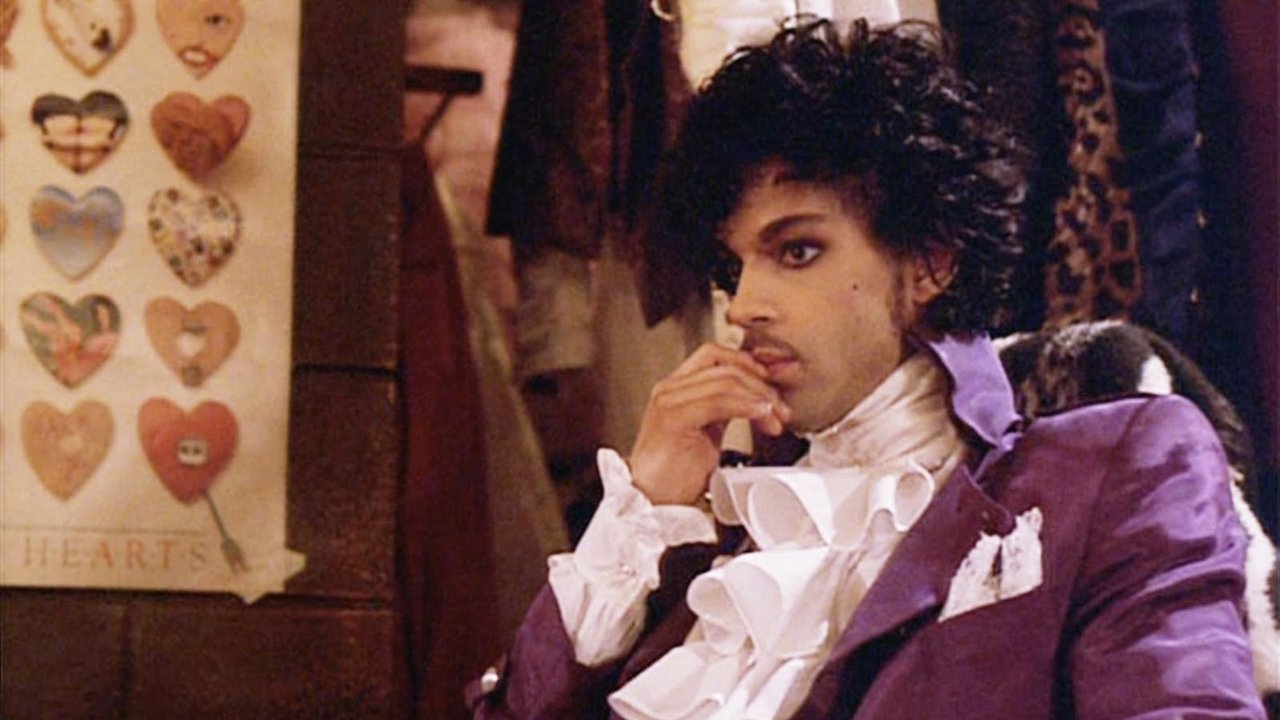
Rating: 8/10
The rating reflects the film's monumental cultural impact, its legendary soundtrack, and Prince's electrifying performance energy, balanced against its narrative shortcomings and sometimes uneven acting in the dramatic scenes. It's an essential piece of 80s cinema and music history, warts and all.
What lingers most, long after the tape clicks off, is the music and the unforgettable image of The Kid, bathed in purple light, pouring his soul out on stage – a moment of cinematic and musical alchemy that still resonates decades later.