The flickering static clears just enough to reveal the rain-lashed sign, barely hanging on: Mountaintop Motel. There’s a particular kind of chill that settles in when you stumble upon a film like Jim McCullough Sr.’s Mountaintop Motel Massacre (1983), a relic dug up from the grimy bottom shelf of the horror section. It doesn't scream its terrors; it lets them seep into the room, cold and damp, like the mildew blooming in the corners of its titular establishment. Forget polished Hollywood productions; this is regional filmmaking with dirt under its fingernails, and that’s precisely where its unsettling power lies.
Vacancy, With a Vengeance
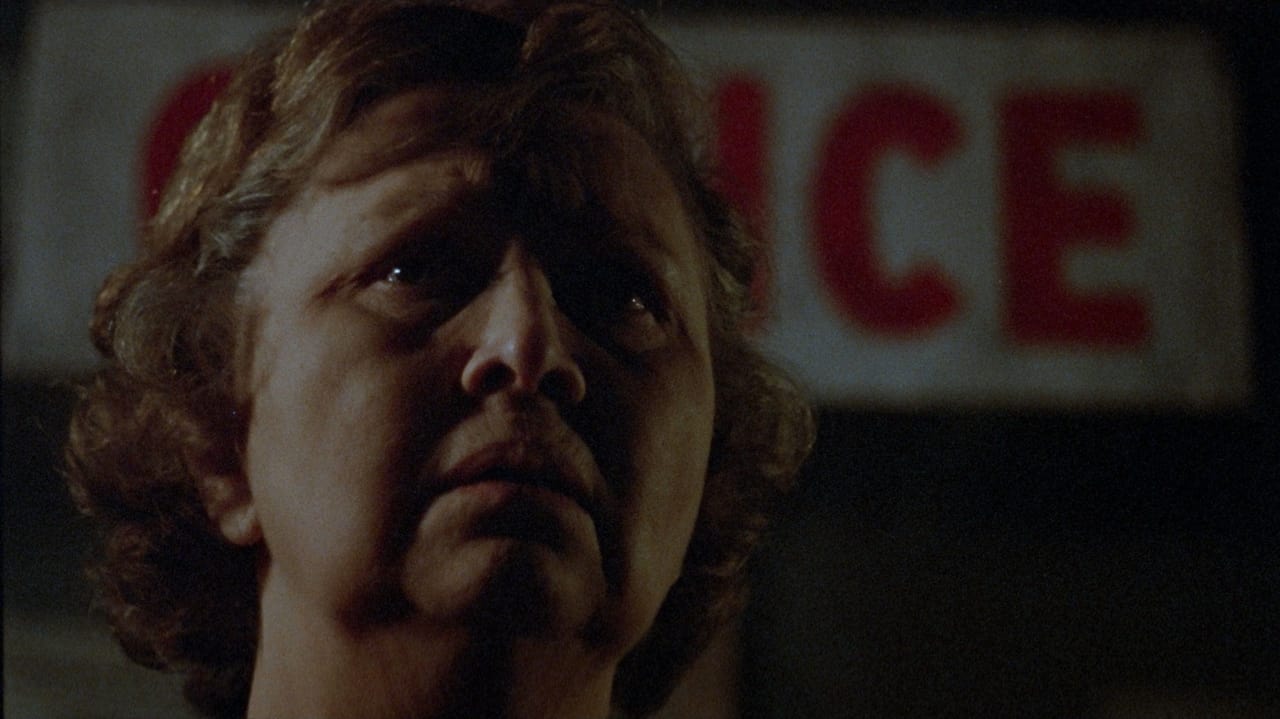
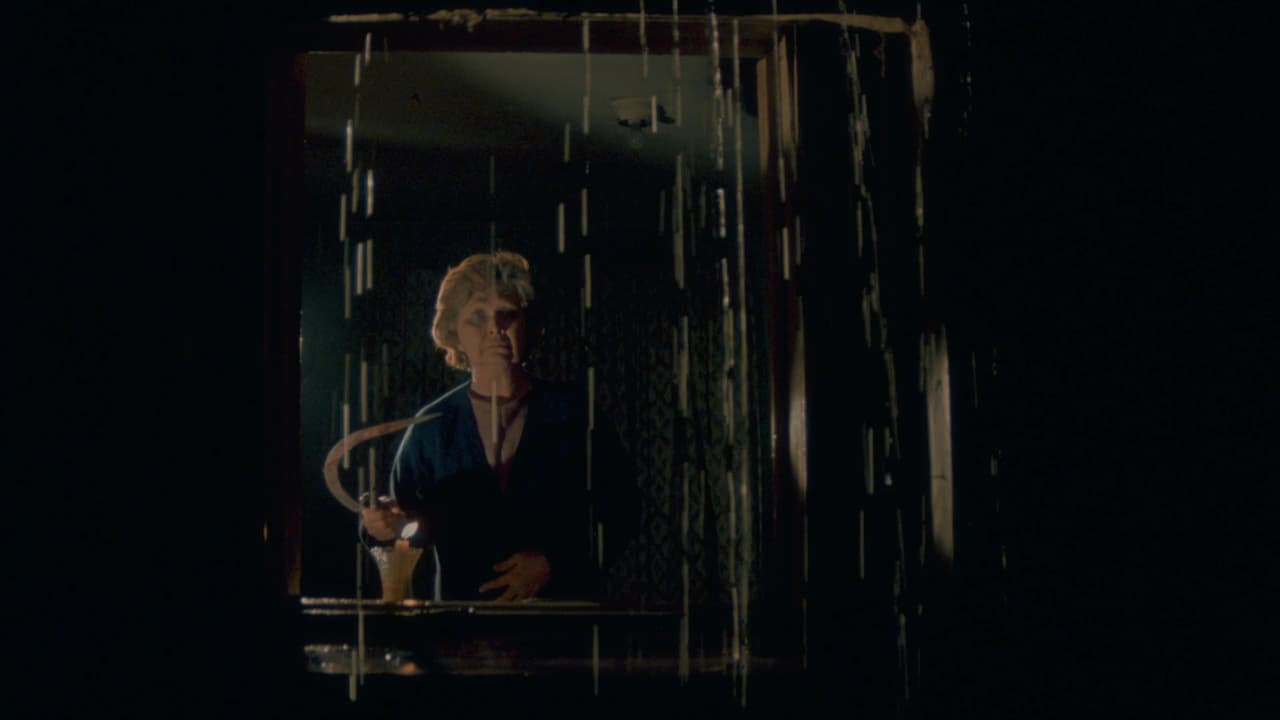
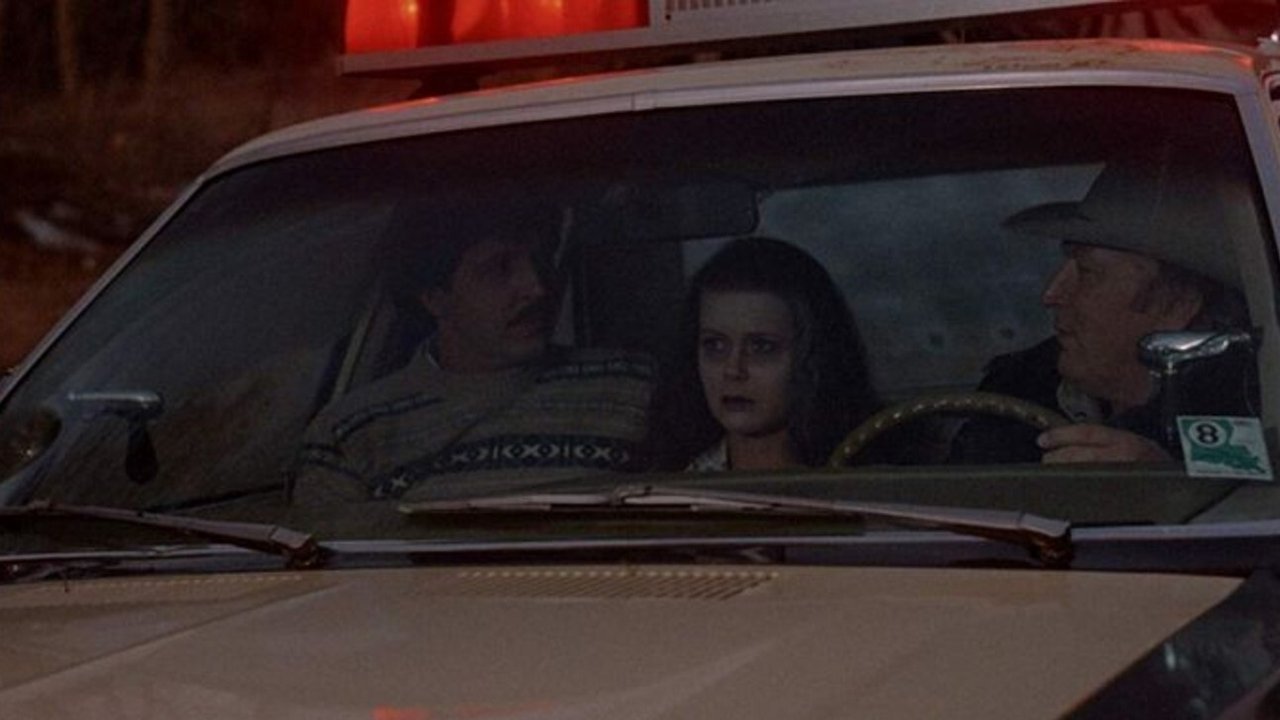
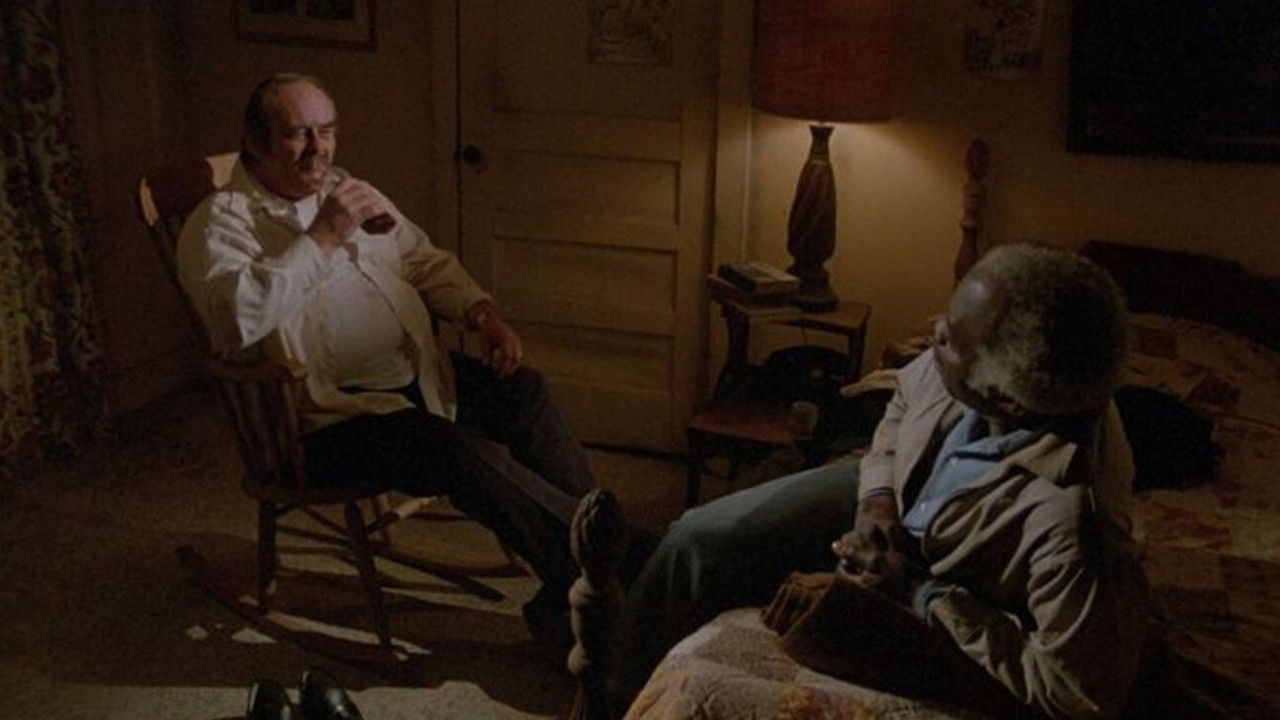
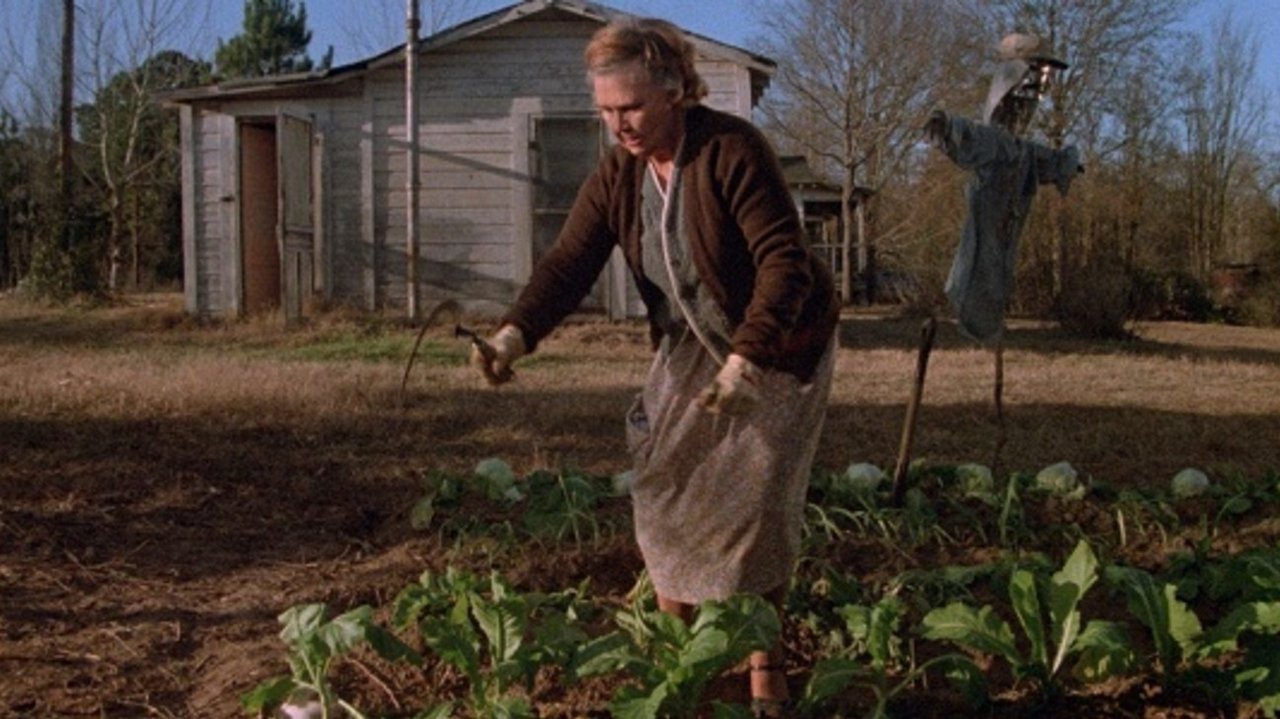
The setup is pure slasher boilerplate, which is part of its strange comfort. Evelyn (Anna Chappell), recently released from a mental institution after a psychotic break involving the death of her young daughter years prior, returns to manage her remote motel. A fierce storm traps a motley crew of travelers – adulterous couples, a wannabe preacher, a pair of cousins, and a lecherous salesman played with reliable sleaze by exploitation regular Bill Thurman. But Evelyn isn't quite herself. Hearing voices, plagued by visions, she decides the guests cluttering her sanctuary need… checking out. Permanently. Armed with a rather intimidating sickle, she begins her grim rounds.
What elevates this above countless other low-budget slashers isn't gore or elaborate kill sequences (though the sickle gets its work in), but the central performance and the pervasive sense of weary dread. Anna Chappell, primarily a stage actress from Louisiana where the film was shot on a shoestring budget of around $165,000 (roughly $500k today), is genuinely unnerving as Evelyn. She isn't a masked, unstoppable force; she's frail, elderly, and deeply disturbed. Her quiet moments, muttering to herself or staring blankly into the distance, are often more chilling than the actual violence. There’s a pathetic tragedy beneath the menace that many slashers bypass entirely. It’s rumored Chappell drew on deep personal reserves for the role, channeling a quiet intensity that feels startlingly authentic amidst the genre tropes.
Louisiana Gothic on a Budget
Filmed primarily in and around Shreveport, Louisiana, Mountaintop Motel Massacre wears its low budget not as a flaw, but as an aesthetic. The motel itself feels genuinely isolated and rundown, the rain-lashed exteriors and drab, wood-paneled interiors contributing significantly to the oppressive atmosphere. Director Jim McCullough Sr., working alongside his son Jim McCullough Jr. who co-wrote the screenplay, doesn't rush things. The film takes its sweet time introducing the guests and establishing the mood, a pacing choice often criticized but one that allows the creepiness to build organically. You feel trapped with the characters, waiting for the inevitable storm outside and the human storm brewing within Evelyn to break.
This wasn't a project blessed with studio resources. McCullough Sr., whose directorial credits lean more towards family fare like Charge of the Model T's (1977), likely faced significant hurdles. Yet, there's an undeniable effectiveness to the practical effects when they do arrive. The sickle, Evelyn’s weapon of choice, feels brutally tangible. Its presence is almost fetishized by the camera at times, a gleaming crescent of death against the gloomy backdrop. This wasn't about slick CGI; it was about suggestion, shadow, and the visceral impact of simple, well-executed practical gags that hit differently on grainy VHS watched late at night. Didn't those shadows seem deeper, the silence more profound, on an old CRT?
The Curious Case of the Title
It’s worth noting the film often circulated under the simpler title Mountaintop Motel. The addition of "Massacre" was almost certainly a marketing ploy to lure in gorehounds expecting something akin to The Texas Chain Saw Massacre (1974). This bait-and-switch might have disappointed some renters expecting non-stop carnage, but it inadvertently preserved a film that offers something slightly different: a character-focused slow burn with bursts of grim violence, rather than a relentless body count flick. It struggled for distribution initially, becoming one of those titles discovered years later on tape, its lurid cover art promising more mayhem than the strangely melancholic film delivered, yet offering its own unique brand of unease. I distinctly remember seeing that cover staring out from the horror aisle, hinting at terrors both explicit and psychological.
Legacy in the Static
Mountaintop Motel Massacre isn't a masterpiece of the genre. Its pacing can be glacial, some supporting performances are wooden, and the plot logic occasionally checks out early. Yet, it possesses a strange, lingering power. It feels like a half-remembered nightmare, fueled by Chappell's haunting performance and the authentically bleak atmosphere captured by the McCulloughs. It’s a testament to the weird gems that regional filmmaking could produce in the 80s, films made far from the studio system that carried a unique, often unsettling, flavor. Does that slow, deliberate crawl towards violence still manage to get under your skin?
VHS Heaven Rating: 6/10
Justification: The rating reflects the film's undeniable atmospheric strengths, Anna Chappell's standout unsettling performance, and its status as a noteworthy slice of regional low-budget horror. It earns points for its unique tone within the slasher genre. However, it's held back by significant pacing issues, uneven supporting acting, and budgetary limitations that are sometimes too apparent, preventing it from reaching the heights of the genre's best.
Final Thought: For those who appreciate the slower, stranger corners of the 80s slasher boom, Mountaintop Motel Massacre remains a fascinating, oddly poignant stay – a grimy VHS treasure offering a different kind of chill than its title might suggest.