The piercing shriek of a whistle cuts through the vast, indifferent silence of the mountains. It’s a sound both human and unnervingly alien, echoing off ancient trees long before the true horror lurking in Jeff Lieberman’s Just Before Dawn (1981) reveals itself. Forget the jump-scare factories that clogged video store shelves; this is a different breed of terror, one that seeps into your bones slowly, like the creeping damp of the forest floor after midnight. It trades frantic slashing for a suffocating sense of isolation and primal dread, proving that sometimes, the most terrifying place isn't a dark basement, but the wide, unforgiving open.
Where Beauty Masks the Beast
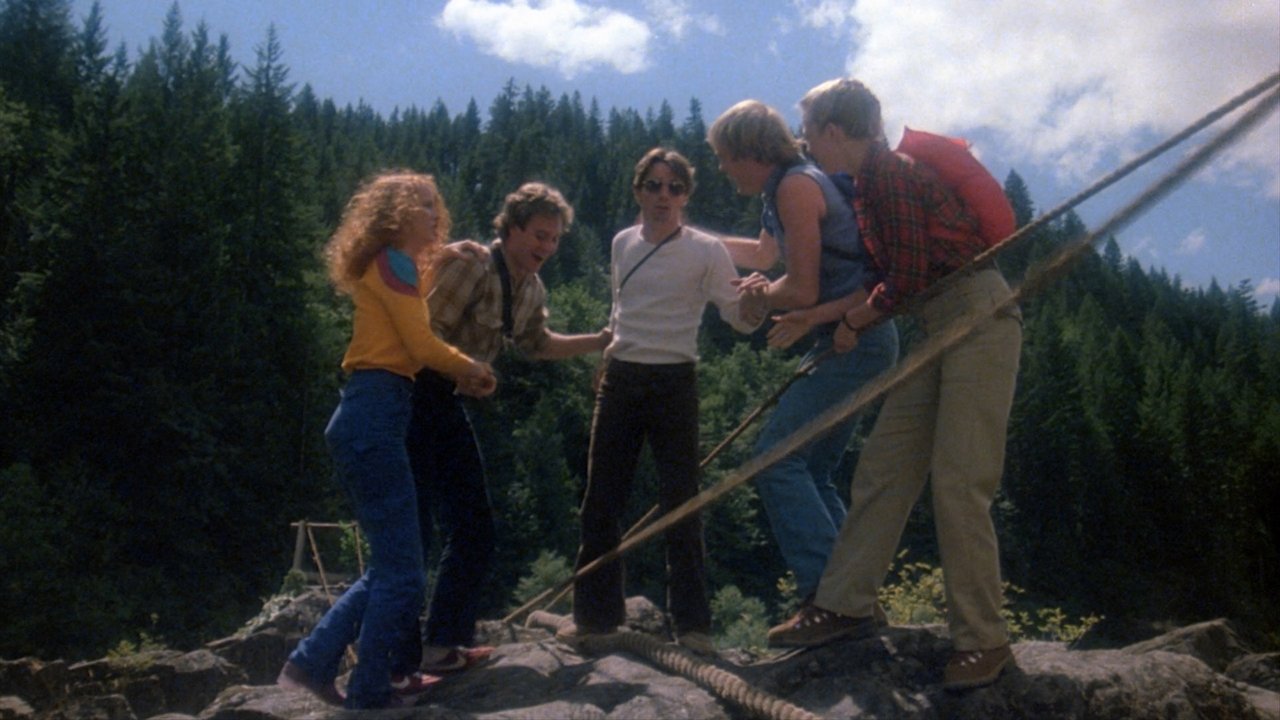
The setup feels familiar, almost deceptively so: five young city dwellers—Jonathan (Chris Lemmon), Warren (Gregg Henry), Constance (Deborah Benson), Daniel (Ralph Seymour), and Megan (Katie Powell) —venture deep into the remote Oregon mountains to inspect inherited land. They ignore the cryptic warnings of grizzled Forest Ranger Roy McLean (George Kennedy, lending his familiar gravitas to the proceedings) and the unsettling hostility of a local hunter (Mike Kellin, radiating pure backwoods menace). What follows isn't the expected bloodbath, at least not initially. Instead, Lieberman, known for his off-kilter genre entries like Squirm (1976) and Blue Sunshine (1977), masterfully uses the majestic landscape against his characters and the audience.
The sheer scale of the Oregon wilderness, captured beautifully even on grainy VHS transfers, becomes oppressive. Towering trees dwarf the protagonists, vast canyons promise only a long fall, and the rustling leaves seem to whisper threats. This wasn't just some anonymous patch of woods; the film was shot near the stunning Silver Falls State Park, its waterfalls and dense forests providing an authentic, imposing backdrop that feels miles away from any soundstage. That authenticity grounds the fear – you feel the isolation, the chill in the air, the terrifying realization that help is not coming.

Sound as Weapon
Complementing the visuals is an incredibly effective soundscape. Long stretches pass with only the sounds of nature – birdsong, rushing water, wind through the trees – lulling you into a false sense of security before that chilling whistle returns, a harbinger of doom delivered with chilling simplicity. And then there's the score by a young Brad Fiedel, years before he'd forge the iconic metallic pulse of The Terminator (1984). Here, his music is more subtle, often atmospheric and melancholic, swelling occasionally to underscore moments of dawning horror rather than telegraphing every shock. It’s a score that enhances the mood without overwhelming it, contributing significantly to the film's unique, unsettling feel.
Subverting Expectations

In an era increasingly dominated by the body counts of Friday the 13th and its ilk, Lieberman made a conscious choice to sidestep graphic carnage. He was reportedly more inspired by the slow-burn tension and environmental threat of Deliverance (1972) than by masked maniacs. While violence is present, it's often brief, brutal, and impactful precisely because it isn't constant. The terror comes less from gore and more from vulnerability, the psychological strain of being hunted, and the unsettling nature of the antagonists. Their reveal is handled with a disturbing matter-of-factness that avoids easy monster movie tropes, making them feel somehow more grounded and, therefore, more frightening. Doesn't that almost human, yet deeply broken, threat feel more unnerving than a supernatural force?
The performances are solid across the board. Chris Lemmon, son of the legendary Jack Lemmon, makes for a relatable lead, his journey from confident adventurer to terrified survivor feeling earned. But it's the veterans who anchor the film. George Kennedy, despite limited screen time, brings instant authority and weary concern as the ranger who knows the mountains hold dark secrets. His presence likely helped secure wider distribution, adding a touch of Hollywood legitimacy to this otherwise gritty indie production. And Mike Kellin, in one of his final roles, is genuinely unsettling as the hostile local Merry Cat Logan, embodying the unwelcoming nature of this isolated community.
Rediscovered in the Video Aisle
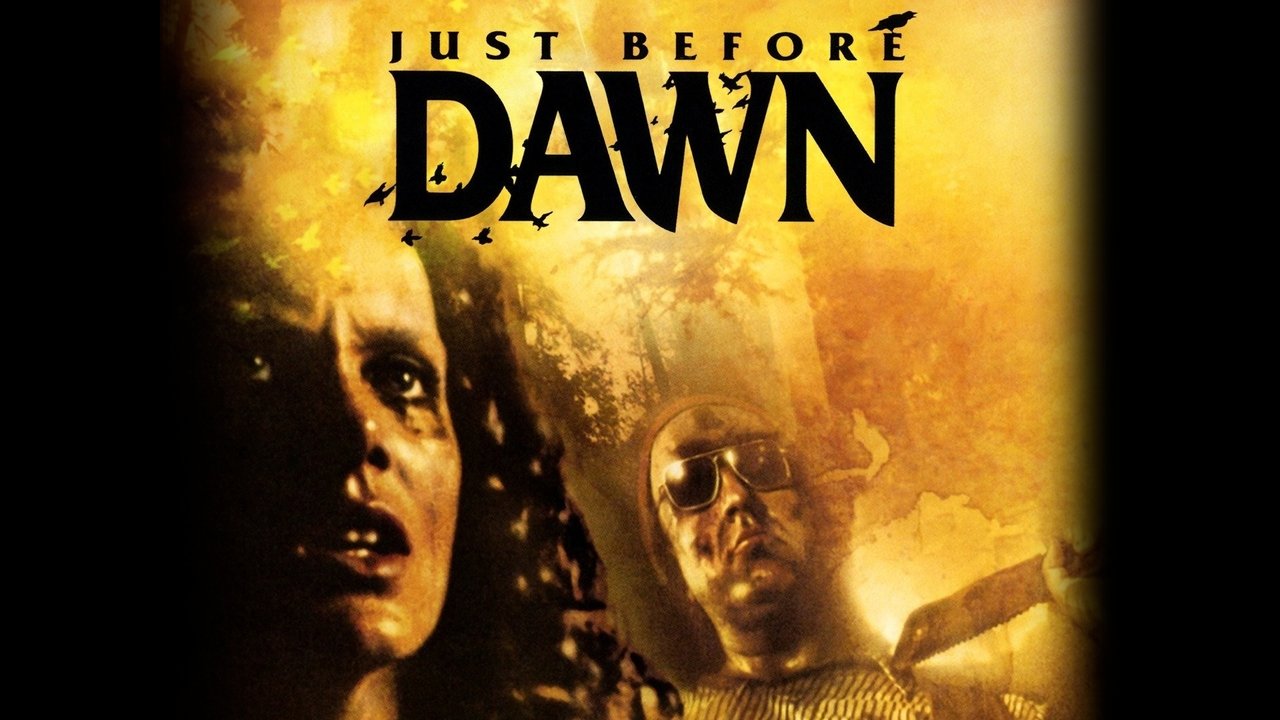
Just Before Dawn didn't exactly set the box office alight upon its initial, somewhat spotty release. Its budget was modest (around $1.5 million), and its deliberate pacing and lack of overt gore might have confused audiences expecting a typical slasher. But like so many genre gems of the era, it found its true home on VHS. I distinctly remember the imposing cover art beckoning from the horror section of my local rental store, promising something primal and terrifying. It became a cult favorite, passed around among horror aficionados who appreciated its atmosphere, its stunning location work, and its commitment to suspense over splatter. It’s a film that rewards patience, building its scares meticulously until the genuinely harrowing final act.
This is intelligent, atmospheric horror that uses its natural setting to maximum effect. It preys on primal fears – the fear of the unknown, of isolation, of nature turning hostile, and of humanity devolving. It might feel slow to viewers raised on modern hyper-kinetic horror, but its power lies in that deliberate pace, allowing the dread to accumulate like storm clouds over the peaks.
Rating: 8/10
Just Before Dawn earns its high marks for its masterful use of atmosphere, its stunning location work, its effective sound design, and its commitment to suspenseful, character-driven horror over cheap shocks. While its deliberate pace might not suit everyone, it stands as a unique and chilling entry in the backwoods horror subgenre, elevated by strong performances and Jeff Lieberman's confident direction. It’s a potent reminder that sometimes the most terrifying monsters are disturbingly human, and the most beautiful landscapes can hide the deepest darkness – a feeling that lingers long after the tape stops rolling.