There are sequels born from artistic necessity, sequels driven by audience demand, and then there are those cobbled together from fragments, echoes, and perhaps a healthy dose of contractual obligation. The Hills Have Eyes Part 2 feels hauntingly like the latter, a cinematic phantom limb twitching in the shadow of its brutal predecessor. It’s a film that doesn’t just revisit the desolate wastes; it seems to have lost its way there, leaving behind a chill that stems less from terror and more from the unsettling emptiness at its core.
Return to the Wasteland?
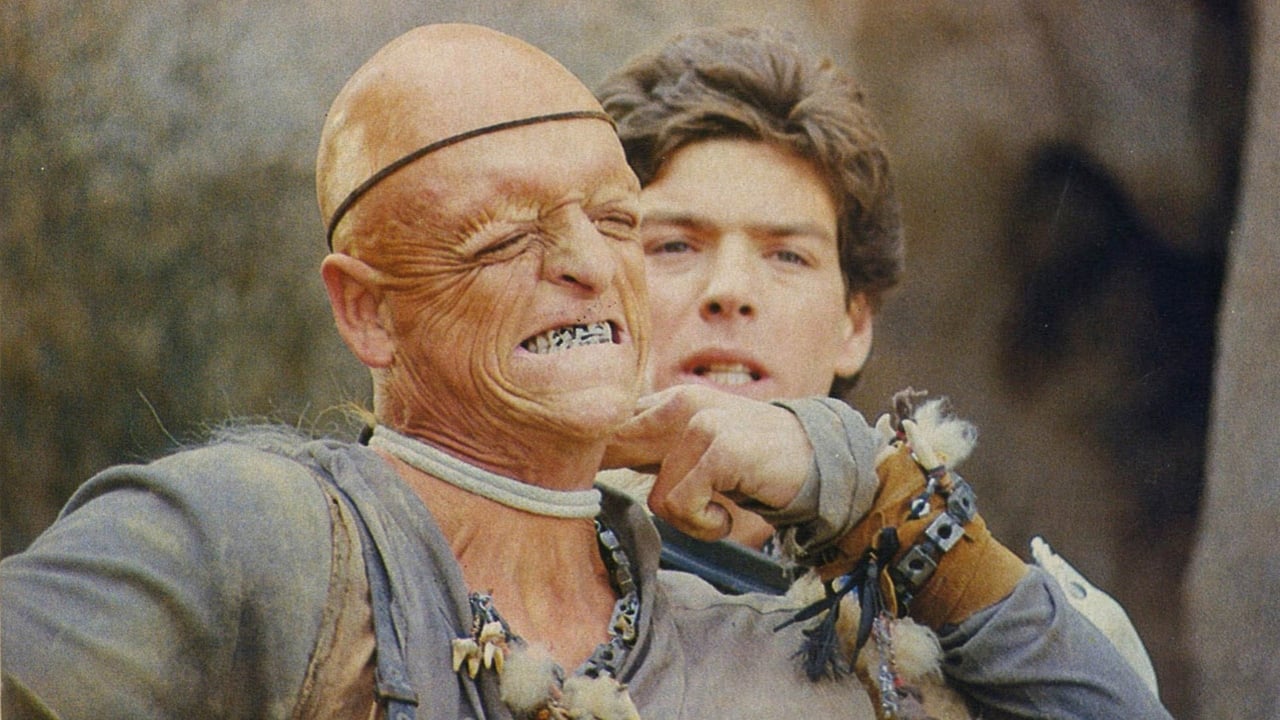
Picking up years after the harrowing events of the original, the sequel attempts to drag us back into that sun-scorched nightmare. We follow Rachel, now known as Ruby (Tamara Stafford), a survivor of the Carter family massacre, who now runs a motocross team with her boyfriend, Cass (Kevin Spirtas). Along with the rest of the young, photogenic team, they are heading to a race... naturally, via a shortcut through the very desert that still holds the cannibalistic remnants of Jupiter's clan. Joining them, inexplicably, is Beast, the German Shepherd who also miraculously survived the first film. The setup feels immediately flimsy, a transparent excuse to lure fresh meat back into the familiar killing grounds. The raw, gritty dread of the 1977 original is replaced almost instantly by something slicker, cheaper, and strangely hollow.
The Shadow of Reluctance
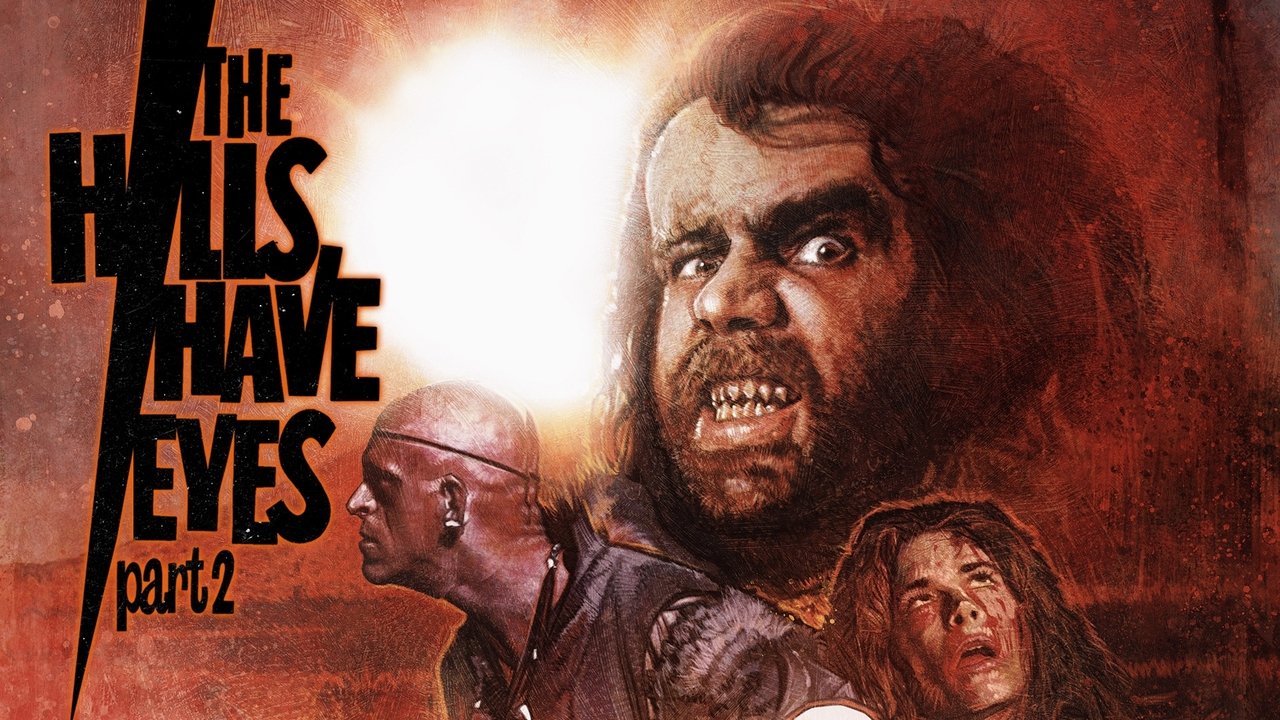
The pervasive sense of unease surrounding this film isn't just atmospheric; it's woven into its very production history. Wes Craven, who had redefined exploitation horror with the first film, returned to write and direct, but accounts suggest it was far from a passion project. Legend has it that Craven needed funds, possibly to get A Nightmare on Elm Street off the ground, and returning to the familiar well of The Hills Have Eyes seemed a pragmatic, if uninspired, choice. This reported lack of enthusiasm permeates the final product. The production was allegedly plagued by budget cuts mid-shoot, forcing Craven and his team into a corner. The result? A film padded mercilessly with lengthy flashbacks to the first movie. While intended to save money and fill runtime, these recycled sequences act like jarring interruptions, constantly reminding you of the superior film you could be watching, shattering any tension Part 2 might accidentally stumble upon. It feels less like a sequel and more like a desperate highlight reel stitched onto a threadbare new narrative.
Where Did the Terror Go?
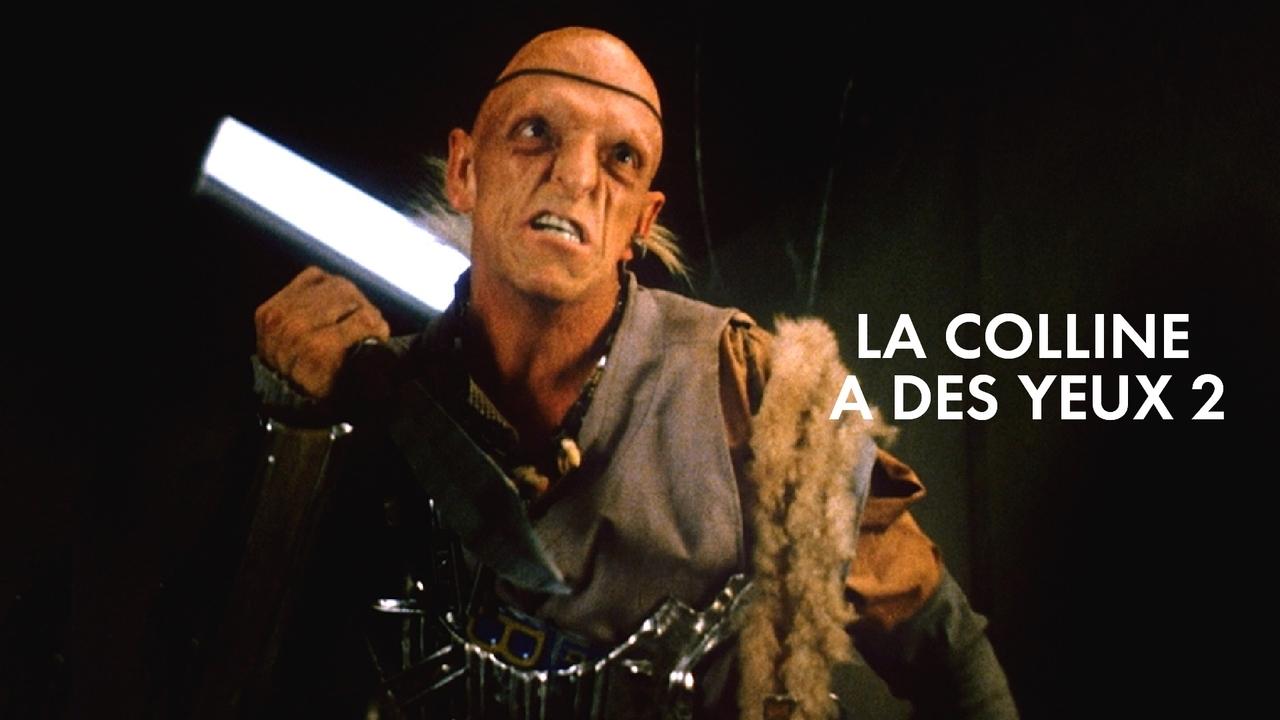
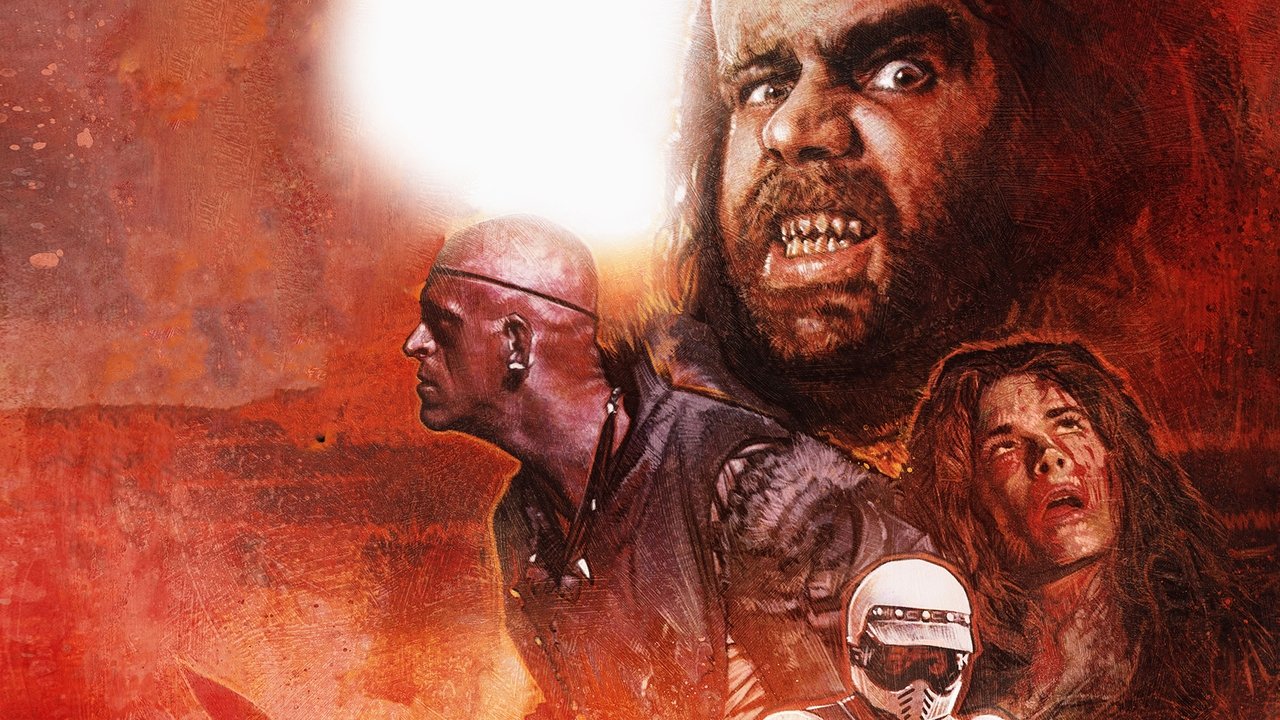
The original film thrived on primal fear, isolation, and the terrifying degradation of civility. This sequel, however, feels oddly defanged. The remaining cannibals, primarily Pluto (a returning Michael Berryman) and the new hulking menace, The Reaper (John Bloom), lack the same terrifying presence. The Reaper, in particular, feels like a generic slasher heavy, losing the disturbing familial degeneracy that made the original clan so skin-crawlingly effective. The desert setting, once a character in itself, feels like a mere backdrop for standard 80s slasher tropes: attractive young people making foolish decisions, picked off one by one. The practical effects are minimal and uninspired, a far cry from the grim realism Craven achieved years earlier on a smaller budget. Even the score feels generic, failing to conjure the oppressive atmosphere that is so crucial to this kind of horror. Reportedly budgeted at a mere $700,000 (around $2 million today), it often looks and feels every bit the cut-price affair it was, sitting unreleased for roughly two years before finally hitting screens (and video stores) in 1985.
Echoes of Beast
Perhaps nothing encapsulates the film's baffling nature more than its handling of Beast, the dog. Not only does he return, but the film grants him... flashbacks. Yes, you read that correctly. In a moment of cinematic audacity (or desperation), we see events from the dog's perspective, recalling moments from the first film. It's a sequence so jarringly out of place, so tonally bizarre, that it snaps you right out of the experience. Did anyone watching this on a grainy rental VHS back in the day genuinely find this terrifying, or just utterly bewildering? It’s a moment that borders on accidental dark comedy, a testament to the film's struggle to find its footing, or perhaps just fill another minute of screen time.
A Faded Footprint in the Sand
The performances are largely functional, with the young cast (John Laughlin plays the requisite skeptic, Roy) doing their best with thin material. Tamara Stafford tries to carry the weight of her character's past trauma, but the script gives her little to work with beyond reaction shots and running. Ultimately, The Hills Have Eyes Part 2 stands as a curious, slightly morbid footnote in Wes Craven's filmography. It lacks the raw power of its predecessor and the inventive nightmares of his later work like Elm Street or Scream. It’s a film born perhaps more of necessity than inspiration, a ghost assembled from salvaged parts. For hardcore Craven completionists or lovers of notoriously troubled sequels, it holds a certain strange fascination – like discovering a faded, warped photograph from a trip you barely remember taking.
VHS Heaven Rating: 2/10
Justification: The score reflects the film's fundamental failures: a weak, derivative plot recycling slasher tropes, jarring and excessive use of flashbacks that undermine any tension, lacklustre antagonists compared to the original, and a general sense of disengagement likely stemming from its troubled production. The infamous dog flashback alone is enough to warrant a significant markdown for sheer absurdity. It fails both as a sequel and as a standalone horror film, offering little genuine dread or atmosphere.
Final Thought: While the original Hills burrowed under your skin with its primal terror, Part 2 mostly just leaves you scratching your head, wondering how something with such a brutal pedigree could end up feeling so utterly lost in the desert. A true VHS-era oddity, remembered more for its baffling existence than any actual scares.