Alright, fellow tapeheads, dim the lights, adjust the tracking if you need to (we’ve all been there), and let’s talk about a movie that practically screams early 80s, complete with roaring engines, questionable fashion choices, and the undeniable charisma of its leading man. I’m talking about 1983’s Stroker Ace, a film that reunited the dynamic duo of superstar Burt Reynolds and legendary stuntman-turned-director Hal Needham. Pull this one off the shelf, pop it in the VCR, and you're instantly transported back to a time when fast cars, goofy comedy, and a certain brand of Southern charm ruled the box office... or at least, tried to.
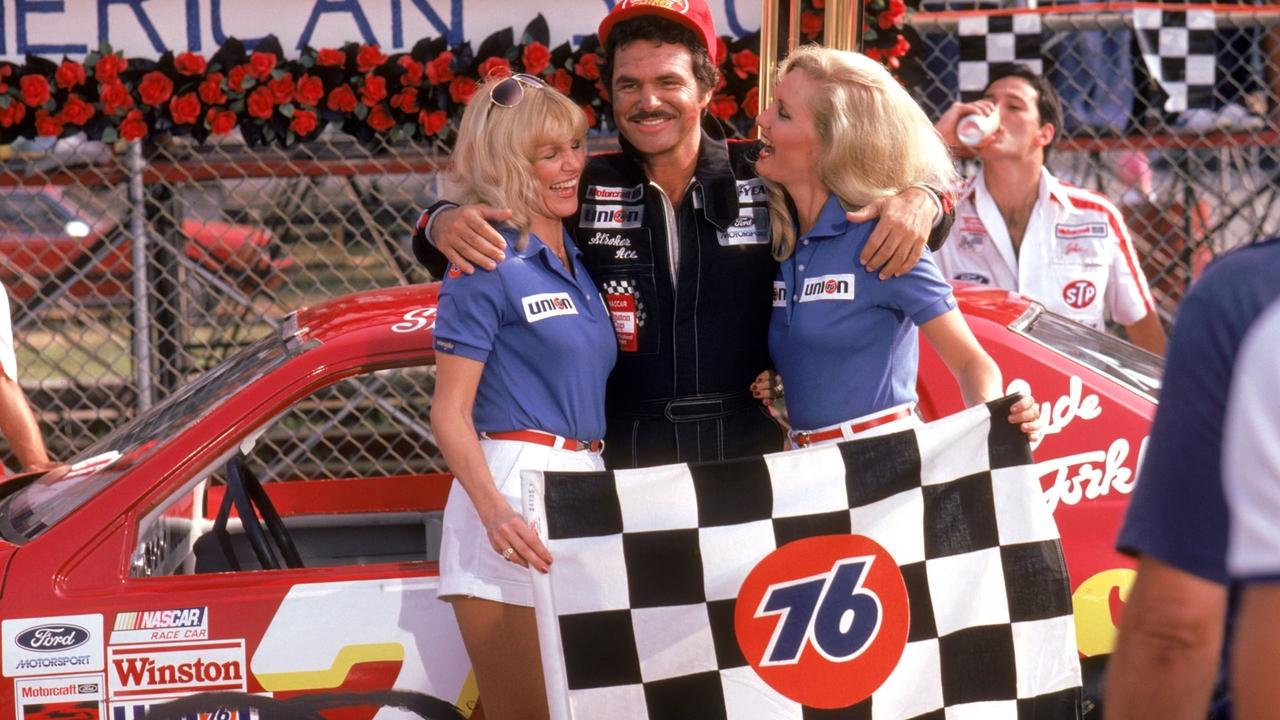
The premise is pure, unadulterated 80s silliness: Reynolds, radiating that effortless cool he patented, plays Stroker Ace, a top NASCAR driver with an ego as big as his moustache. Fed up with his current sponsor, he impulsively signs a lucrative but deeply restrictive contract with Clyde Torkle (Ned Beatty, delightfully slimy), the perpetually grinning owner of the "Chicken Pit" fast-food chain. The catch? Stroker has to become the face of the brand, leading to endless public humiliations, most famously involving a giant chicken suit. Caught between his desire to race and the absurdity of his contractual obligations – and perpetually trying to woo the lovely Pembrook Feeney (Loni Anderson) – Stroker schemes to break free.
### Needham Unleashed: Real Steel, Real Danger
Let’s be honest, you didn't rent a Hal Needham movie in the 80s expecting intricate plot twists or deep character studies. You came for the action, and Stroker Ace, despite its comedic leanings, delivers that classic Needham brand of vehicular mayhem. Remember, Needham wasn't just a stuntman; he was arguably the stuntman, a pioneer who broke bones and records long before he stepped behind the camera for hits like Smokey and the Bandit (1977) and Hooper (1978). That background bleeds onto the screen here.
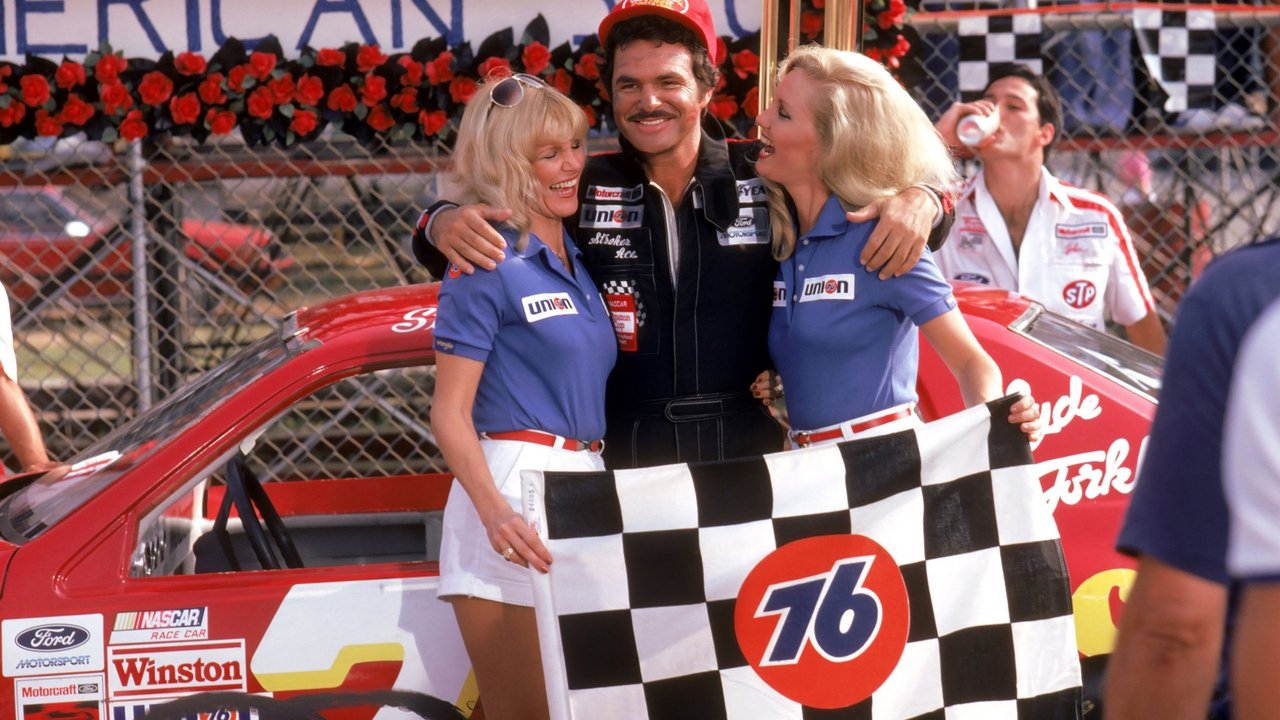
The racing sequences, largely filmed at iconic tracks like Talladega Superspeedway and Charlotte Motor Speedway, feel visceral and grounded in a way that’s increasingly rare. When cars spin out, crunch metal, or tumble down the track, it’s real. These aren't weightless digital models; they're tons of steel being expertly (and dangerously) maneuvered by skilled stunt drivers, often including Needham himself planning the gags. There’s a raw energy to it, a sense of actual peril that CGI, for all its smoothness, often struggles to replicate. Wasn't there something undeniably thrilling about seeing those genuine pile-ups, knowing actual drivers were pulling off those near misses? The film is peppered with cameos from real NASCAR legends of the era too, adding a layer of authenticity for racing fans.
### The Reynolds Smirk vs. The Chicken Suit
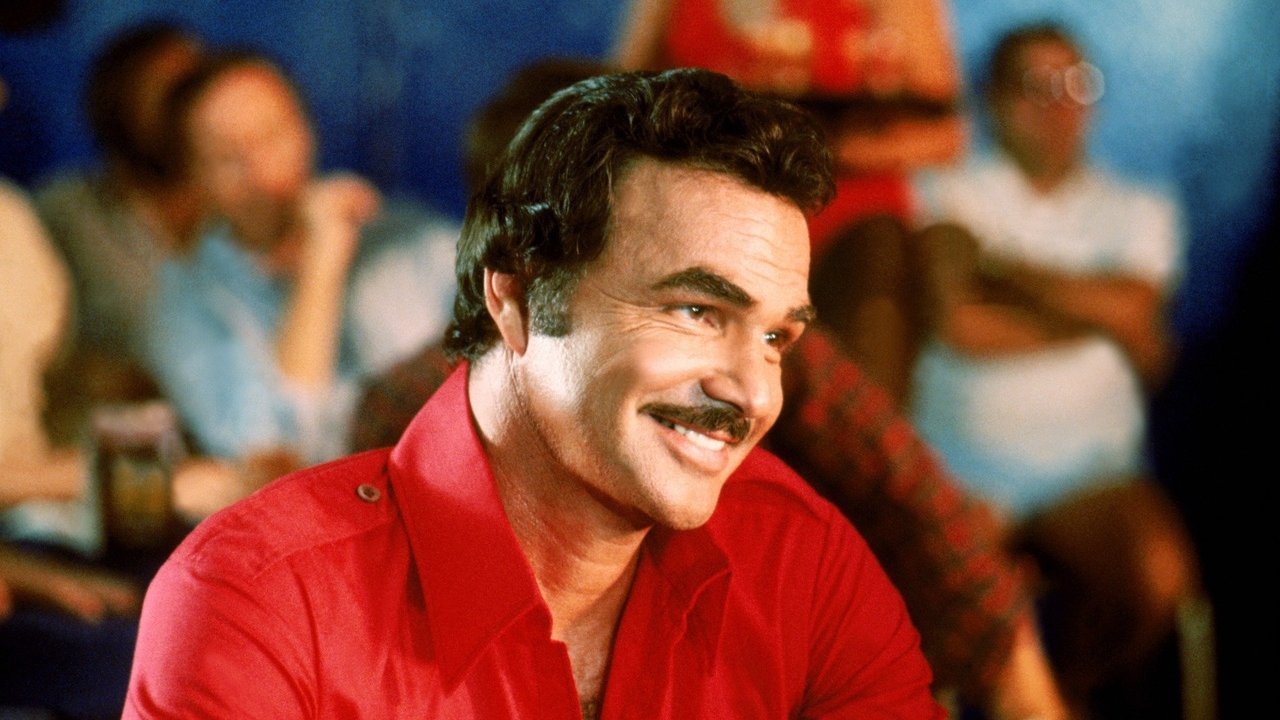
Of course, the other main draw was Burt Reynolds. By 1983, he was one of the biggest movie stars on the planet, and Stroker Ace leans heavily into his established persona: the charming rogue with a twinkle in his eye and a quick comeback for every situation. His chemistry with Loni Anderson, whom he was famously involved with off-screen, is palpable, providing the film's romantic angle. Yet, even Reynolds' considerable charm struggles against some of the script's broader comedic moments.
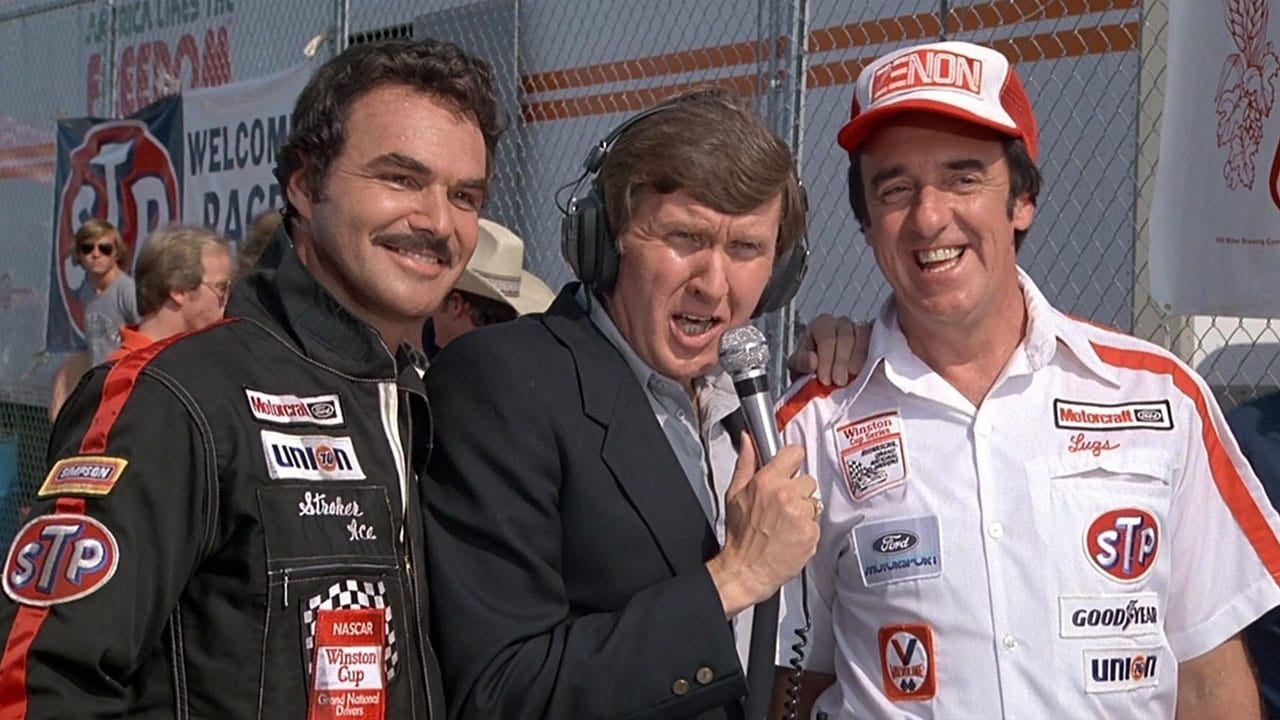
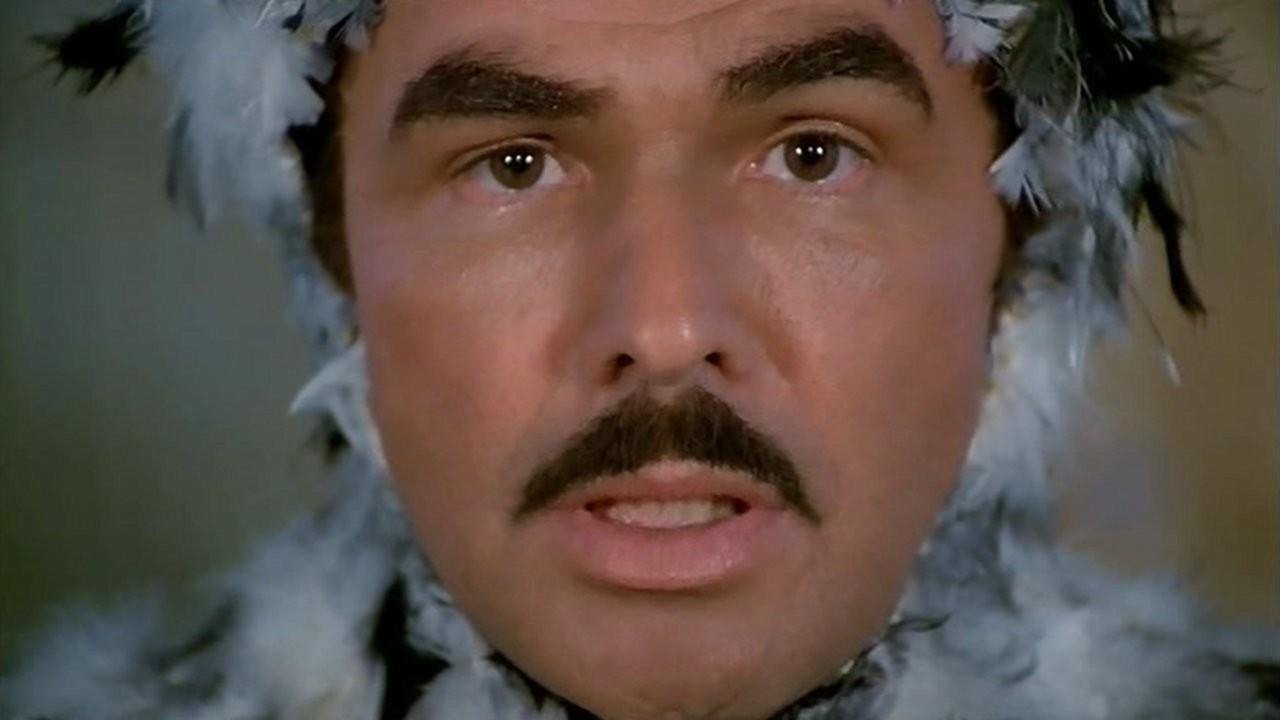
The running gag involving the chicken suit... well, it’s certainly memorable. Whether it’s funny is a matter of taste, but it undeniably became the film's defining image. Supporting players like Ned Beatty chew the scenery with gusto as the folksy but ruthless Torkle, and Jim Nabors (yes, Gomer Pyle himself!) gets a surprising amount of screen time as Stroker's loyal but dim-witted head mechanic, Lugs. It’s a cast full of familiar faces clearly having some fun, even if the material feels thin at times.
Interestingly, Reynolds famously chose Stroker Ace over a role that could have dramatically altered his career trajectory: the part of astronaut Garrett Breedlove in Terms of Endearment (1983). That role ultimately went to Jack Nicholson, who won an Academy Award for his performance. It’s a fascinating "what if" – Reynolds stuck with his established action-comedy brand, a decision indicative of his immense loyalty to collaborators like Needham, even if this particular venture didn't quite hit the mark financially or critically.
### Box Office Skid Marks and VHS Glory
Speaking of hitting the mark, Stroker Ace famously underperformed. Made on a reported budget of around $15 million, it only pulled in about $13 million domestically – a significant disappointment for a Reynolds/Needham vehicle. Critics were largely unkind, finding the humor repetitive and the plot flimsy. It didn't help that the central sponsor, the Chicken Pit, was entirely fictional, though amusingly, some promotional merchandise like hats and t-shirts were produced and sold, becoming minor collector's items.
Despite its initial reception, Stroker Ace found a second life on home video. For many of us browsing the aisles of the local rental store, that cover art – Burt grinning, maybe even in the chicken suit – was an irresistible promise of goofy fun and car crashes. It became one of those movies you'd watch late at night, maybe with friends, enjoying the stunts and Reynolds' charisma while chuckling at the sheer 80s-ness of it all. It might not be high art, but it’s a specific flavor of cinematic comfort food.
Rating: 5/10
Justification: Stroker Ace gets points for its genuinely impressive practical stunt work courtesy of the legendary Hal Needham, the undeniable star power of Burt Reynolds doing his thing, and a heavy dose of pure, unadulterated 80s nostalgia. However, it loses points for a weak, repetitive script, humor that often falls flat (hello, chicken suit), and ultimately being a lesser echo of the superior Reynolds/Needham collaborations. It's more of a curiosity than a classic.
Final Thought: Stroker Ace is like finding a slightly greasy, maybe questionable, but fondly remembered fast-food wrapper in an old box – it instantly reminds you of a specific time and place, even if the meal itself wasn't exactly gourmet. Fire it up for the stunts and the smirk, but maybe keep your expectations parked in the pit lane.