Okay, fellow tape travelers, let's rewind to 1983. You slide that slightly worn Superman III cassette into the VCR, the machine groans familiarly, and the picture flickers to life. But something feels… different. The soaring majesty of the first two films gives way to… slapstick? And is that comedy legend Richard Pryor stumbling into Metropolis? Strap in, because Superman III is one of the weirder, wilder rides in the Salkind-produced Super-saga, a film that often feels like two different movies awkwardly bolted together, yet somehow remains fascinatingly watchable on a fuzzy CRT screen.
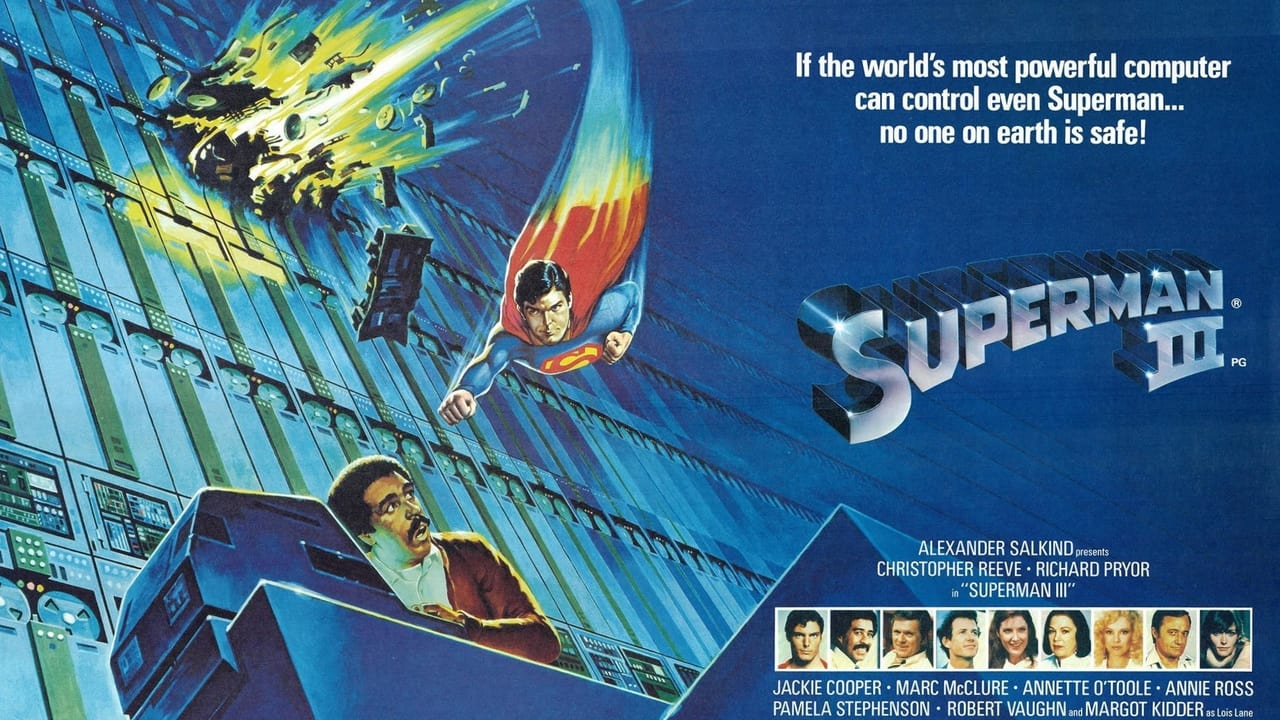
When Metropolis Met the Metropolis Kid
Right off the bat, the tone shifts. We open not with cosmic grandeur, but with an almost Looney Tunes-esque sequence of comedic mishaps in Metropolis, setting the stage for the film's biggest gamble: integrating Richard Pryor as computer genius (and petty criminal) Gus Gorman. Now, Pryor was arguably the biggest comedy star on the planet in the early 80s. Legend has it, his appearance on The Tonight Show joking about wanting to be in a Superman movie caught the producers' ears, leading to this unlikely casting. He reportedly commanded a hefty $5 million salary for the role – significantly more than Christopher Reeve himself! While Pryor brings his undeniable comedic timing, his character often feels shoehorned into the plot, pulling focus from the Man of Steel and nudging the film towards outright comedy. Director Richard Lester, who finished Superman II after Richard Donner's departure and had a strong background in comedy (think A Hard Day's Night), leans heavily into these lighter moments, sometimes to the film's detriment.
Reeve Remains Super, Especially When He's Bad
Despite the comedic detours, Christopher Reeve is still the definitive Superman. He embodies the earnestness and quiet strength of Clark Kent returning to Smallville for his high school reunion, rekindling a charming romance with childhood sweetheart Lana Lang (played wonderfully by Annette O'Toole, who, in a nice bit of trivia, would later play Martha Kent on TV's Smallville). It's worth noting Margot Kidder's Lois Lane is mostly sidelined here, reportedly due to her vocal support for the ousted Donner – a behind-the-scenes drama that definitely impacted the final film.
But where Reeve really gets to chew the scenery is when Gus Gorman, under pressure from his nefarious boss, billionaire Ross Webster (Robert Vaughn, chewing scenery with relish), creates a batch of synthetic Kryptonite. This knock-off green rock doesn't kill Superman; instead, it corrupts him. And this is where the movie suddenly finds a dark, fascinating edge. Remember seeing Superman turn into a scowling, selfish jerk? Straightening the Leaning Tower of Pisa for laughs, blowing out the Olympic torch, getting drunk in a bar and flicking peanuts with destructive force? It was genuinely unsettling back then!

Junkyard Brawl: Practical Effects Gold
This descent culminates in the film's undeniable high point: the epic battle between the corrupted Superman and a physically manifested Clark Kent in a grimy junkyard. Forget slick CGI – this was raw, practical filmmaking. Seeing Reeve play both the noble Clark and the sneering, super-powered bully felt visceral. The choreography might look a bit clunky now, but the impact – the crushing of metal, the sheer physicality of the fight – felt incredibly real on those old tube TVs. It’s a testament to Reeve’s performance and the stunt team's work. This sequence alone almost justifies the rental fee back in the day. Wasn't that fight surprisingly brutal for its time, especially amidst all the comedy?
The film’s climax involves battling Webster’s ludicrously advanced "Ultimate Computer" (dubbed Vulcan), a sequence brimming with flashing lights, primitive computer graphics (that likely looked cutting-edge in '83!), and more practical effects work. The whole computer-hacking plot, involving manipulating satellites and causing global chaos via keyboards, feels incredibly dated now, tapping into that early 80s mix of fascination and fear surrounding the burgeoning computer age. The idea that the synthetic Kryptonite formula's "unknown element" turned out to be tar from Webster's cigarette pack? Pure Richard Lester absurdity.
A Super Relic with Flawed Charm
Filmed partly in Calgary, Alberta (which doubled for Metropolis sections and Smallville), and with some stunning location work in places like Glen Canyon for the "Grand Canyon" stand-in, Superman III visually maintains some of the scope of its predecessors, even if the script wobbles. Ken Thorne returns to adapt John Williams' iconic themes, though the score feels lighter, reflecting the overall shift in tone.

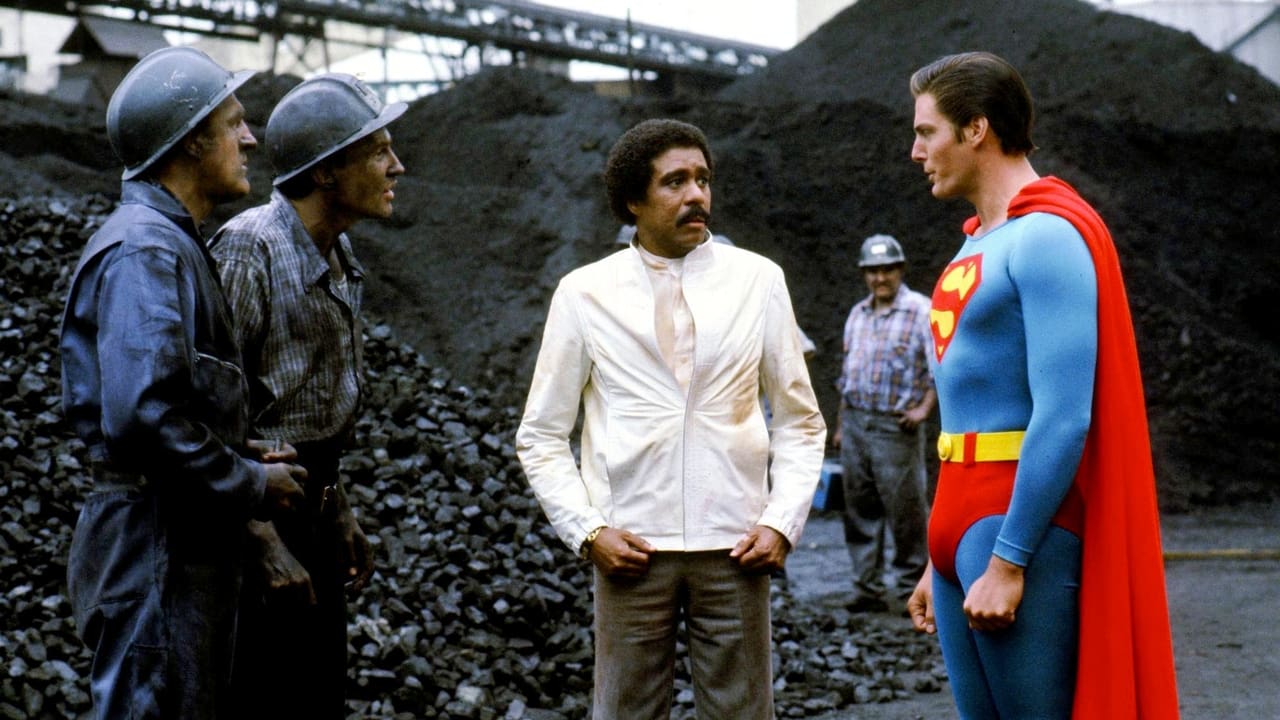
Critically, the film was met with a shrug compared to the first two, and its box office ($80 million worldwide against a $39 million budget) was considered a step down. Audiences seemed unsure what to make of this comedic superhero hybrid. Yet, watching it today on a worn VHS (or, okay, maybe a streaming service emulating that feel), there's an undeniable charm to its weirdness. It's a fascinating artifact of its time – a studio trying to blend genres, leverage a massive comedy star, and keep a franchise flying high, with decidedly mixed results.
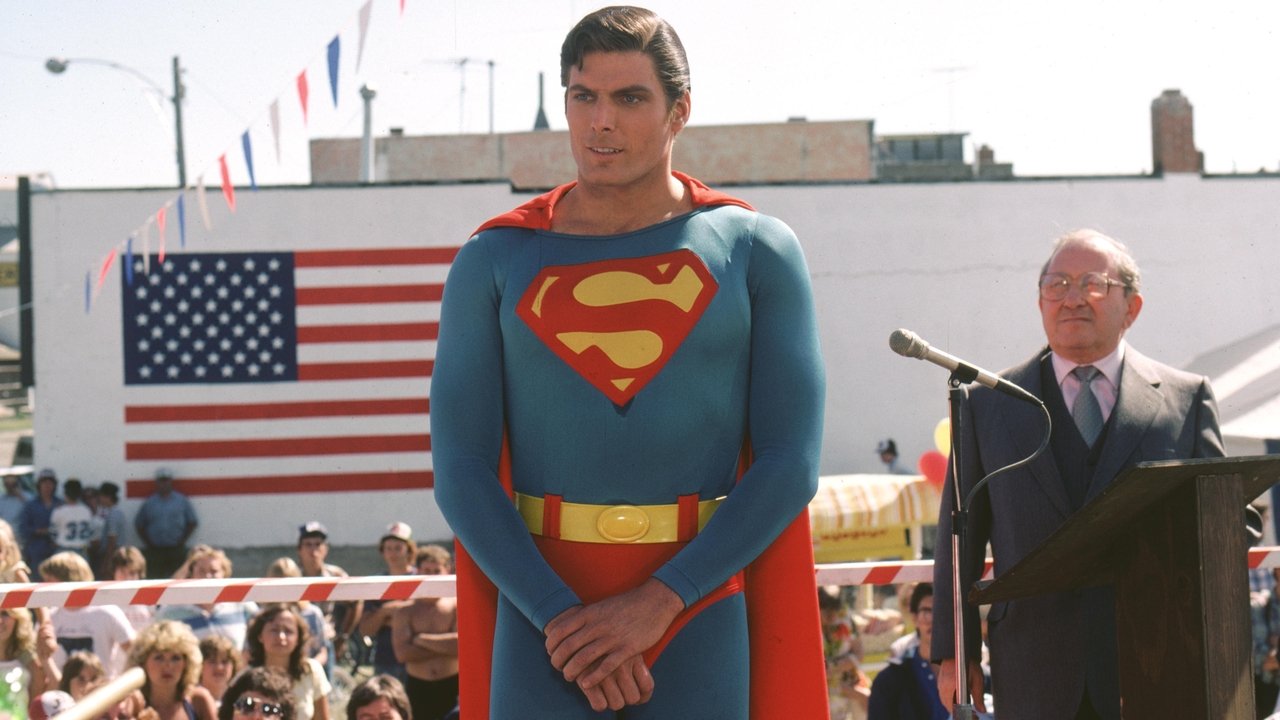
VHS Heaven Rating: 6/10
Justification: While Christopher Reeve remains pitch-perfect and the "evil Superman" sequence (especially the junkyard fight) is a genuine classic of practical effects grit, the film is undeniably uneven. Richard Pryor's comedic talents feel awkwardly grafted onto the plot, and the overall tone veers wildly. It lacks the heart and narrative coherence of I & II. However, its very strangeness, Reeve's dual performance, and that standout junkyard battle make it a memorable, if flawed, entry worthy of a nostalgic revisit.
Final Thought: Superman III might be the cinematic equivalent of finding a weird flavor combo in your retro candy stash – maybe not your favourite, but you remember exactly what it tasted like, and that junkyard fight still packs a surprisingly gritty punch from the days before pixels polished everything smooth.