Okay, fellow tapeheads, let’s rewind to a time when seeing anthropomorphic reptiles practice ninjutsu felt less like a fever dream and more like the coolest thing imaginable. The year was 1990, and the heroes in a half-shell exploded from the sewers onto the big screen in Teenage Mutant Ninja Turtles. Forget the Saturday morning cartoon’s bright colours for a moment; this film plunged us into a grittier, rain-slicked New York City, one that felt surprisingly real despite being populated by talking turtles.
### Gotham City, Turtle Style
From the opening scenes, director Steve Barron, known for his stylish music video work (think A-ha's "Take on Me" or Dire Straits' "Money for Nothing"), established a mood that felt distinct. This wasn't just a kids' movie; it had atmosphere. The cinematography captured a city under siege by the shadowy Foot Clan, a wave of juvenile delinquency orchestrated by the menacing Shredder. Into this steps intrepid reporter April O'Neil, played with a perfect blend of toughness and vulnerability by Judith Hoag. When she gets targeted by the Foot, her unlikely saviours emerge from the darkness – four teenage mutant ninja turtles. It was a premise that sounded ludicrous on paper but translated into something unexpectedly compelling on screen. The script, penned by Todd W. Langen and Bobby Herbeck, cleverly balanced the inherent silliness with genuine stakes and surprisingly heartfelt moments, drawing inspiration more from the darker tone of Kevin Eastman and Peter Laird's original Mirage Studios comics than the massively popular animated series that preceded it.
### Henson's Half-Shell Heroes
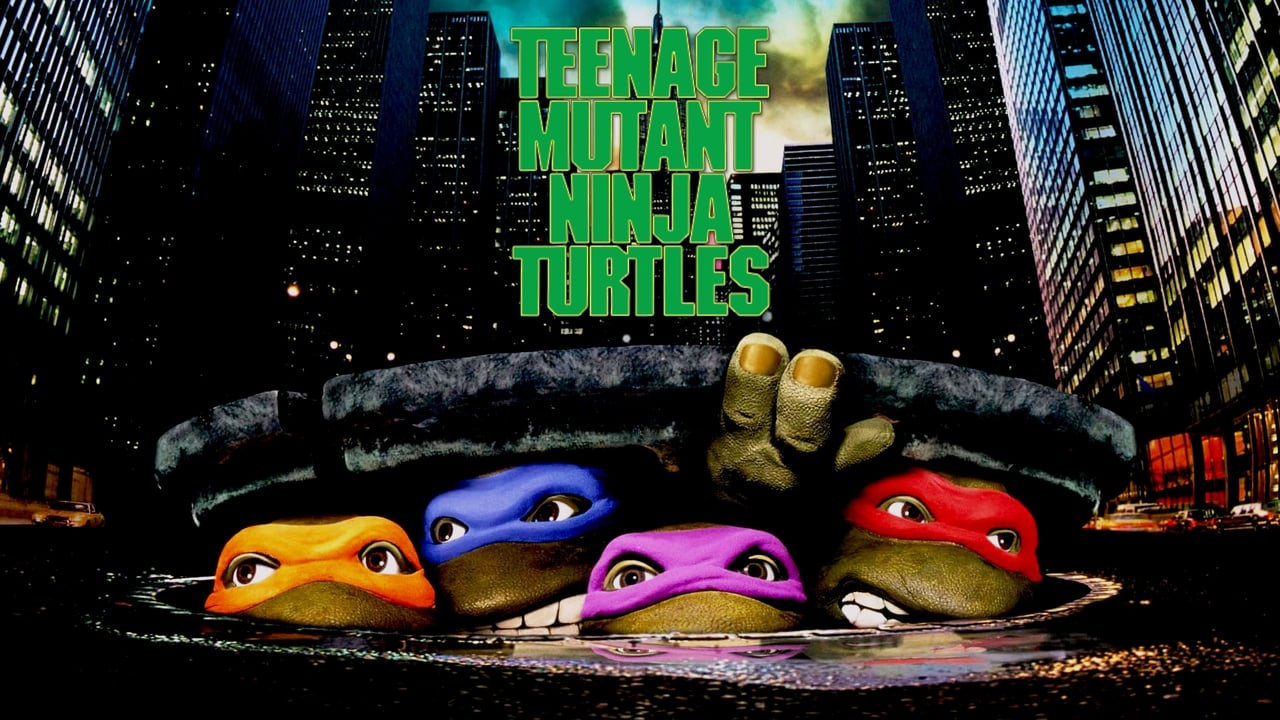
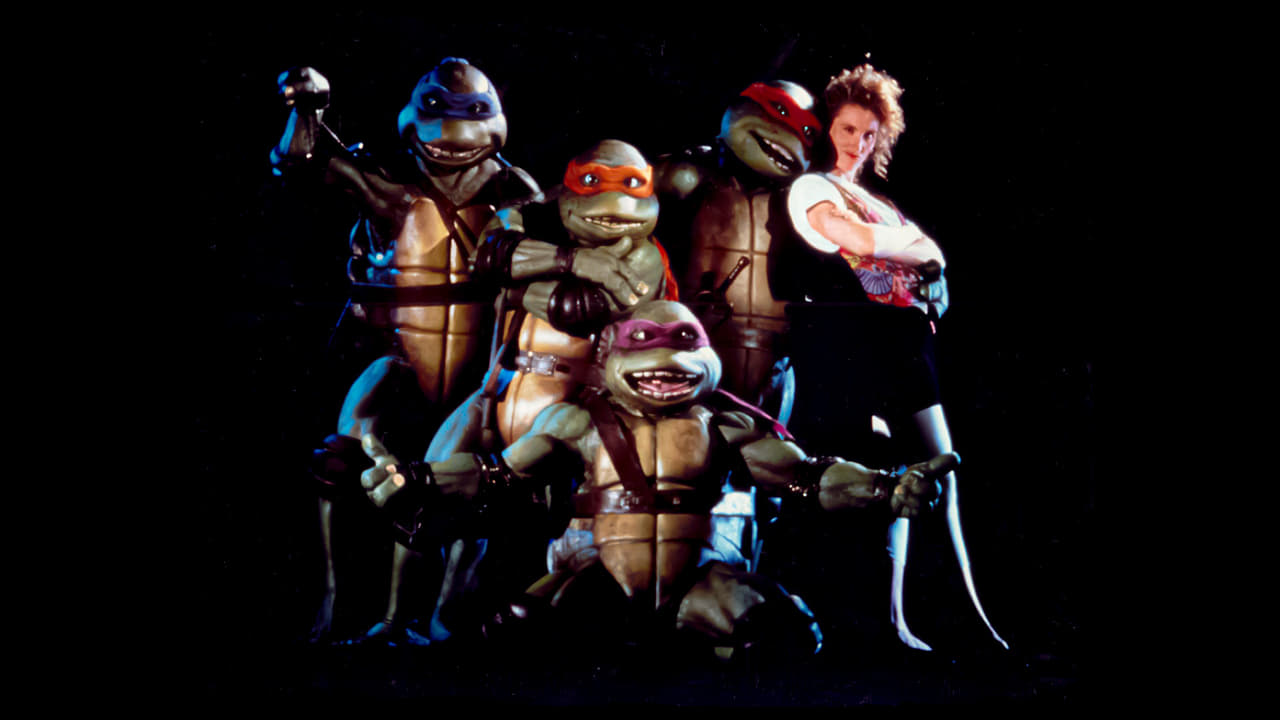
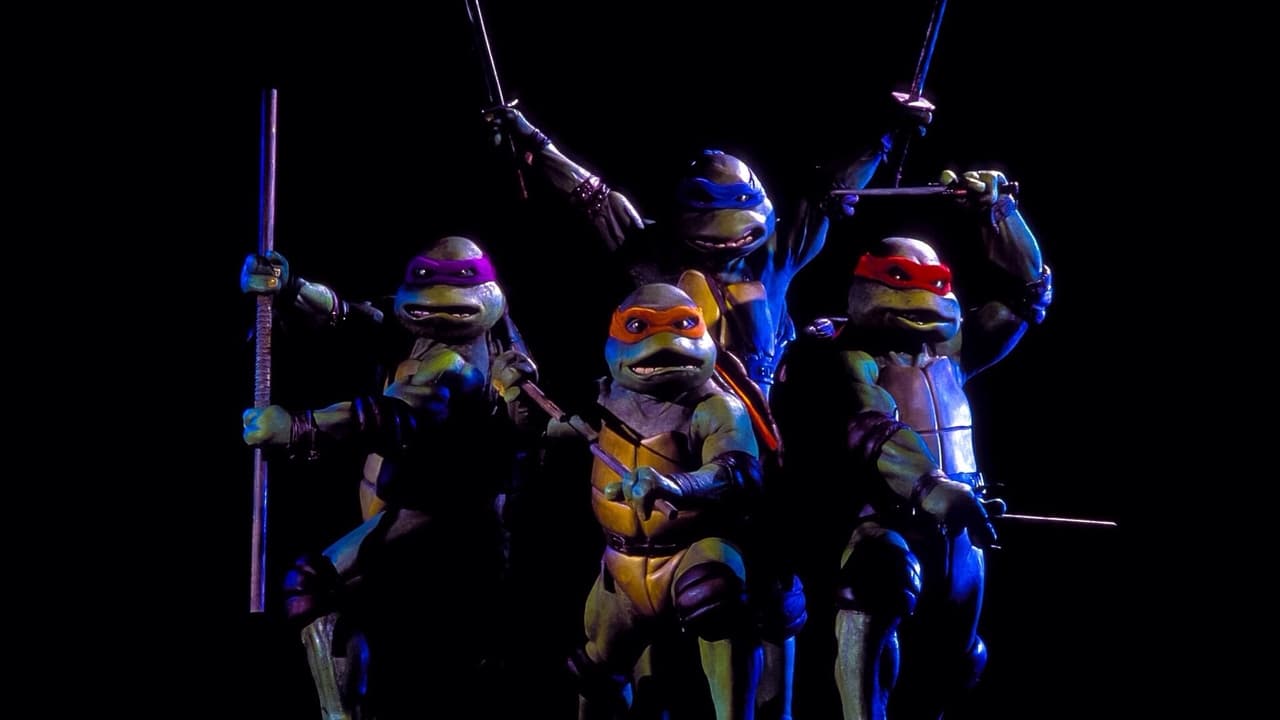
Let's talk about the shells in the room: the Turtles themselves. Bringing Leonardo, Donatello, Michelangelo, and Raphael to life was a monumental task, falling to the wizards at Jim Henson's Creature Shop. Just imagine the pitch meeting! Yet, they pulled it off with breathtaking ingenuity. These weren't sleek CGI creations; they were intricate, expressive, full-body suits operated by actors and puppeteers working in tandem. You could feel the weight, the texture. Inside those famously hot and complex suits (rumour has it they lost considerable weight during filming!), performers gave the turtles distinct physicalities, while voice actors like Brian Tochi (Leonardo) brought their iconic personalities bubbling to the surface. Henson himself was reportedly hesitant initially, fearing the violence might tarnish his company's family-friendly image, but his team's groundbreaking work became the film's heart and soul. The animatronic heads alone, capable of conveying a surprising range of emotions, were a technical marvel for the time. Seeing them move, fight, and scarf down pizza felt utterly believable within the film's world, a testament to the Creature Shop's unparalleled artistry. It's hard to overstate how real they felt back then, popping that tape into the VCR.
### Allies and Antagonists
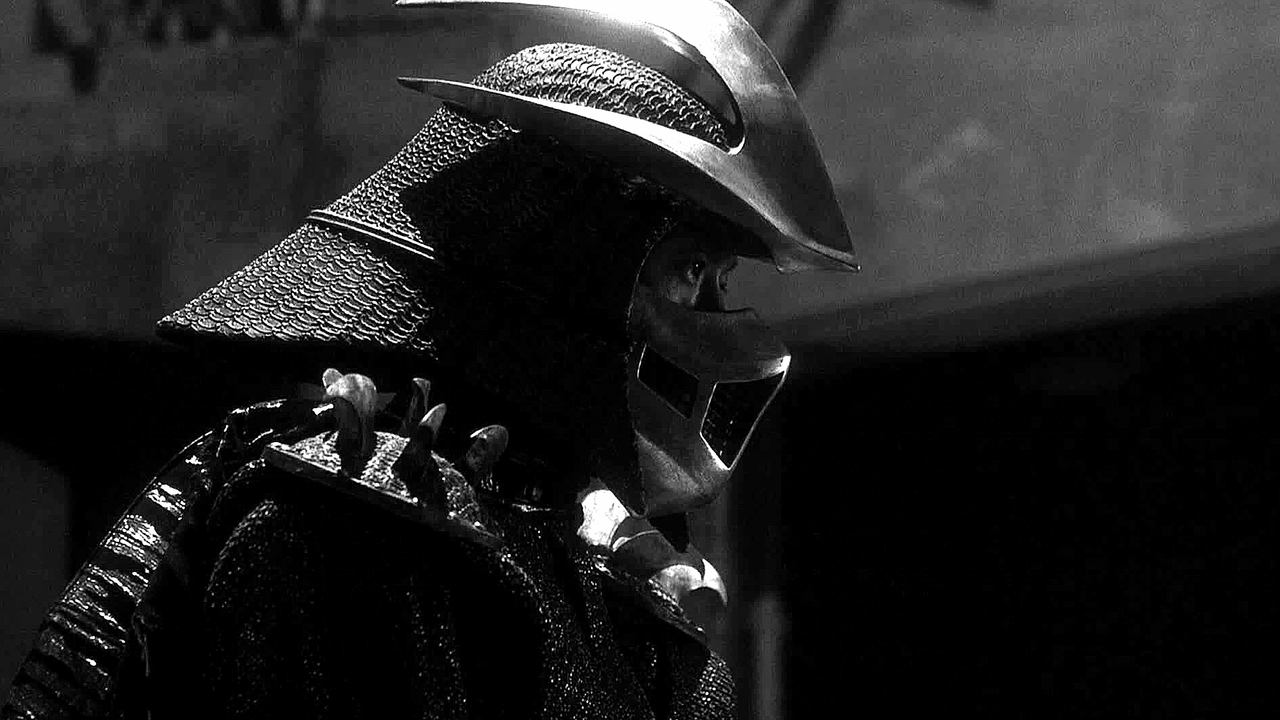
Beyond the fantastic four, the human element grounded the film. Judith Hoag made April O'Neil a capable investigator you could root for, not just a damsel in distress. It's a shame contractual disagreements kept her from returning for the sequels, as her chemistry with the Turtles felt genuine. And then there's Elias Koteas as Casey Jones. Oh, Casey Jones! Arriving like a force of nature with his hockey mask and sporting goods arsenal, Koteas perfectly embodied the streetwise vigilante. His slightly unhinged energy and reluctant alliance with the Turtles provided some of the film's most memorable moments and funniest lines ("A Jose Canseco bat? Tell me... you didn't pay money for this."). Koteas, who would later impress in films like The Thin Red Line (1998) and Zodiac (2007), threw himself into the role, even sustaining some minor injuries during filming. On the villainous side, Shredder, though perhaps less fleshed out, had undeniable presence, his imposing armour and quiet menace making him a formidable foe. The Foot Clan felt like a genuine threat, their near-silent ninja tactics adding to the film's surprisingly gritty edge.
### More Than Just Pizza and Punchlines
While packed with action – the apartment fight scene remains a standout of practical stunt work and puppetry – Teenage Mutant Ninja Turtles also found time for heart. The scenes at April's farmhouse, where the Turtles regroup after a devastating encounter, offer moments of reflection, bonding, and even melancholy. Splinter's wisdom, conveyed through masterful puppetry and Kevin Clash's soulful voice work, provided the film's emotional anchor. It dared to treat its bizarre premise with a degree of seriousness, exploring themes of family, belonging, and finding your place in a world that doesn't understand you. This tonal tightrope walk – balancing ninja action, goofy humour ("Pizza dude's got 30 seconds..."), and genuine character moments – is what made the film resonate so strongly. Fun Fact: Shot on a modest budget of around $13.5 million, it became a colossal success, grossing over $200 million worldwide and proving independent films could dominate the box office, kicking off full-blown Turtlemania.
### The Verdict
Watching Teenage Mutant Ninja Turtles today is like revisiting an old friend. Yes, some aspects have aged – the dialogue can be delightfully cheesy, and the plot isn't overly complex. But the practical effects retain a tangible charm that modern CGI often lacks. The blend of gritty action, goofy humour, and surprising heart still works remarkably well. The commitment to bringing these characters to life through sheer physical craft is something to be admired. It captured the imaginations of a generation, successfully bridging the gap between the darker comics and the lighter cartoon. For its groundbreaking effects, perfect casting (especially Koteas!), atmospheric tone, and sheer nostalgic power, it remains a standout of the era.
Rating: 8/10
Justification: This score reflects the film's massive nostalgic value, the incredible achievement of the Henson Creature Shop effects (which were groundbreaking for 1990), the perfect casting of key roles like Casey Jones, and its successful blending of tones. It captures the spirit of the Turtles brilliantly. It loses a couple of points for some slightly dated dialogue and a plot that, while effective, is relatively straightforward. However, its impact and enduring charm are undeniable.
It wasn't just a movie; it was an event. And popping that well-worn VHS into the machine still feels like uncovering treasure from the New York sewers – minus the smell, thankfully. Cowabunga, indeed.