The cursor blinks rhythmically in the pre-dawn gloom, an emerald pulse against the CRT screen's void. An incongruous sight, perhaps, for a tale steeped in the primal terror of cold steel meeting warm flesh. Yet, this primitive digital ghost haunts the edges of Edge of the Axe (1988), a harbinger of the unseen connections and masked identities that fester beneath the surface of an idyllic Northern California mountain town. It's a strange, unsettling marriage of the technological and the brutally archaic, setting the stage for a slasher that feels both familiar and distinctly... off.
### The Woods are Lovely, Dark, and Deeply Dangerous
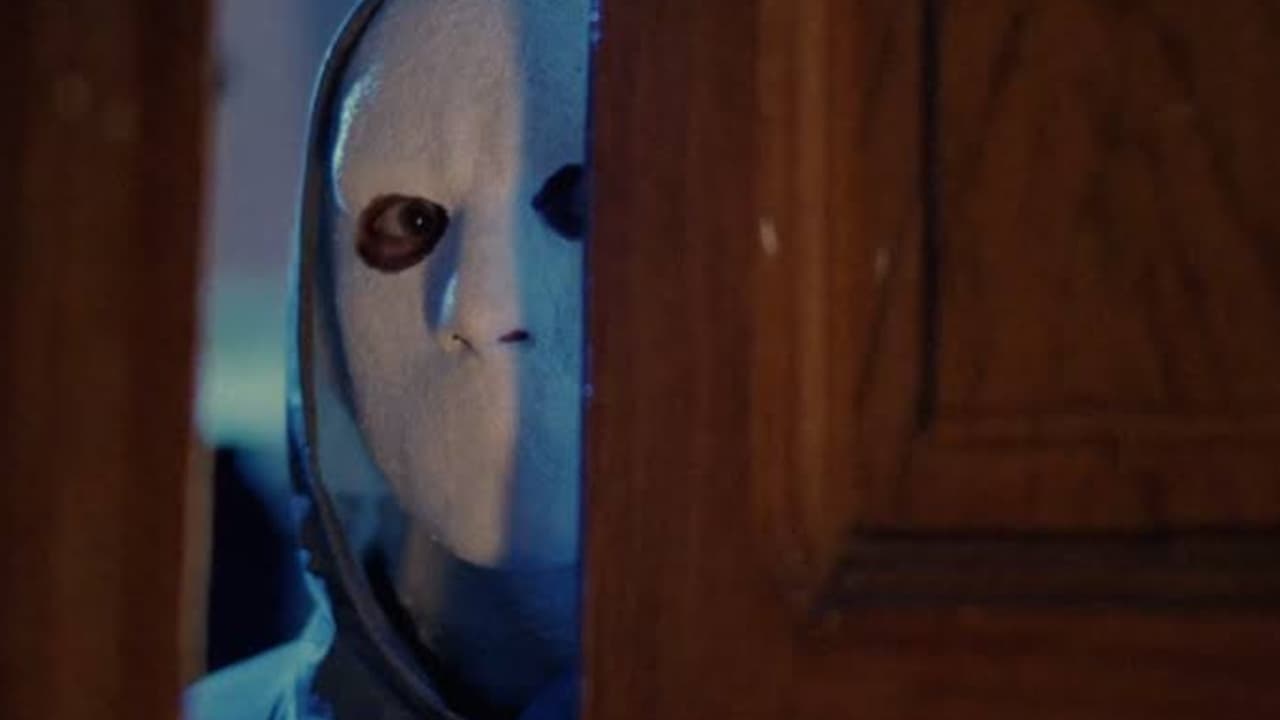
We're dropped into Paddock County, a place seemingly built on picture-postcard logging town charm. But the crisp mountain air carries whispers of violence. A masked killer, face obscured by a blank white façade, is methodically hacking their way through the populace with the titular weapon. Enter Gerald (Barton Faulks), a newcomer fixing up his aunt’s place and dabbling in the nascent world of computer programming. He quickly crosses paths with Lillian (Christina Marie Lane), another recent arrival working at the local pest control – a slightly on-the-nose profession, given the town's infestation. As the bodies pile up, paranoia mounts, fingers point, and the serene woodland setting transforms into a claustrophobic hunting ground.
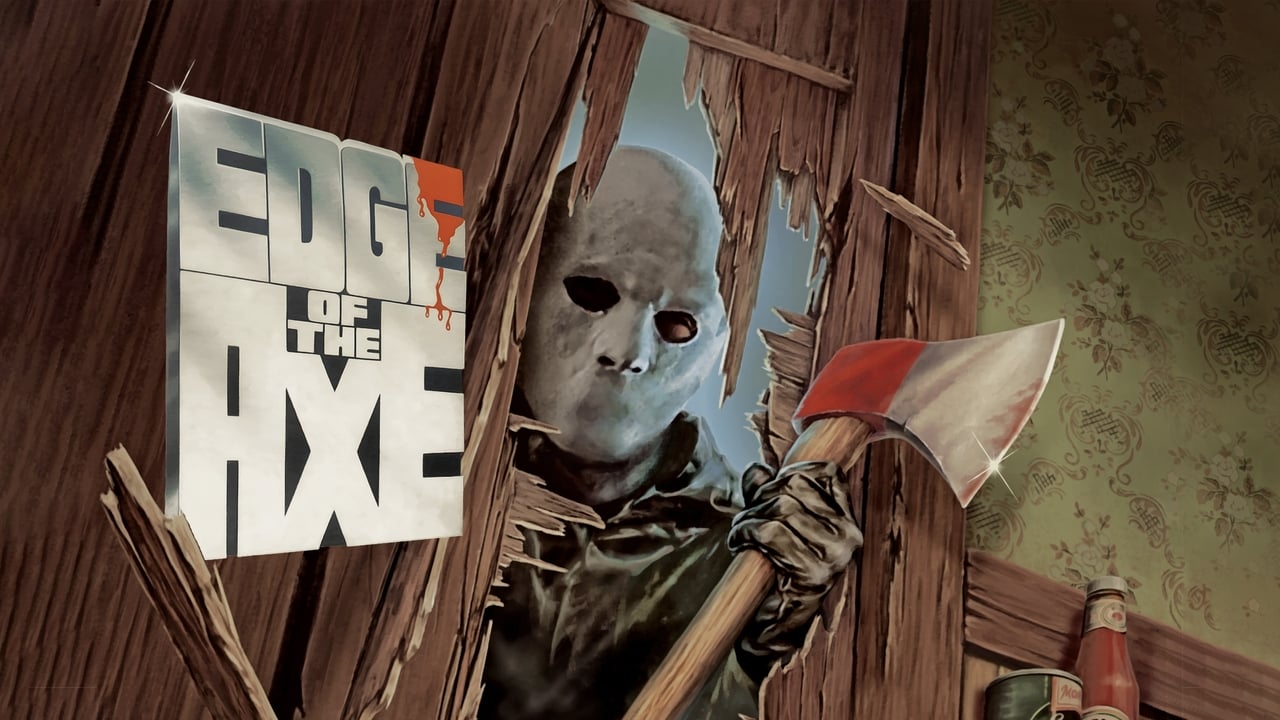
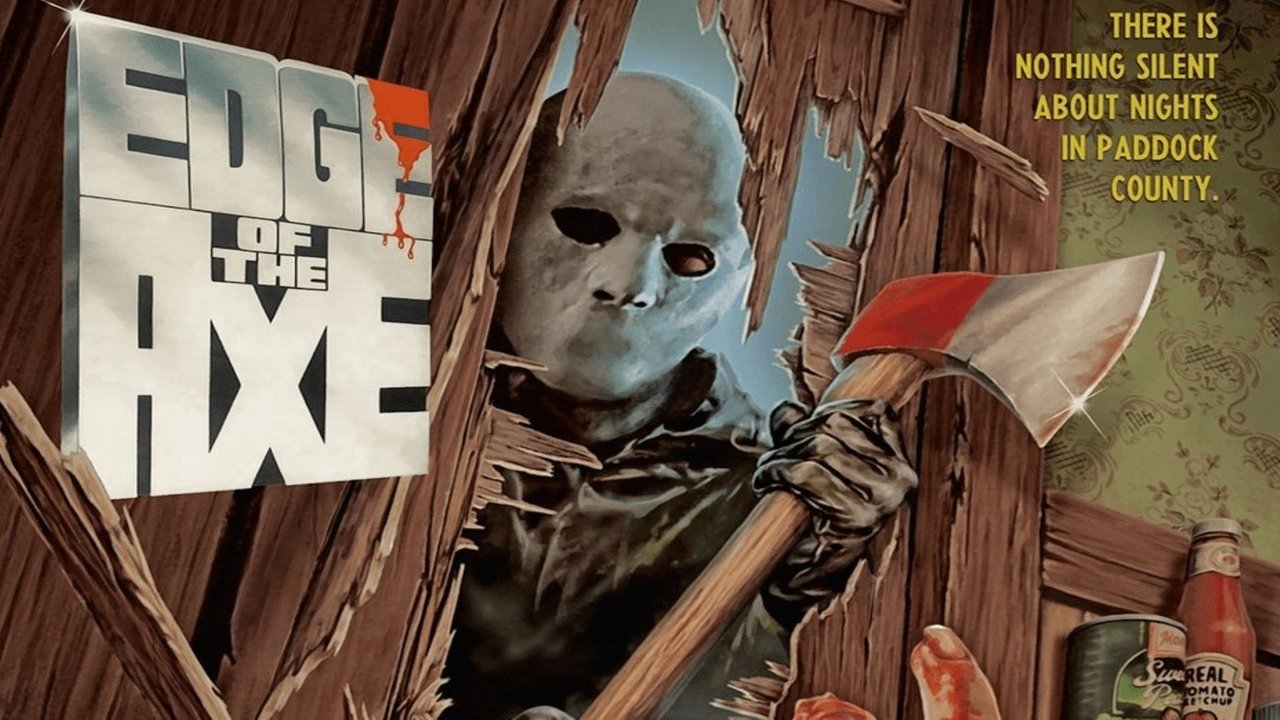
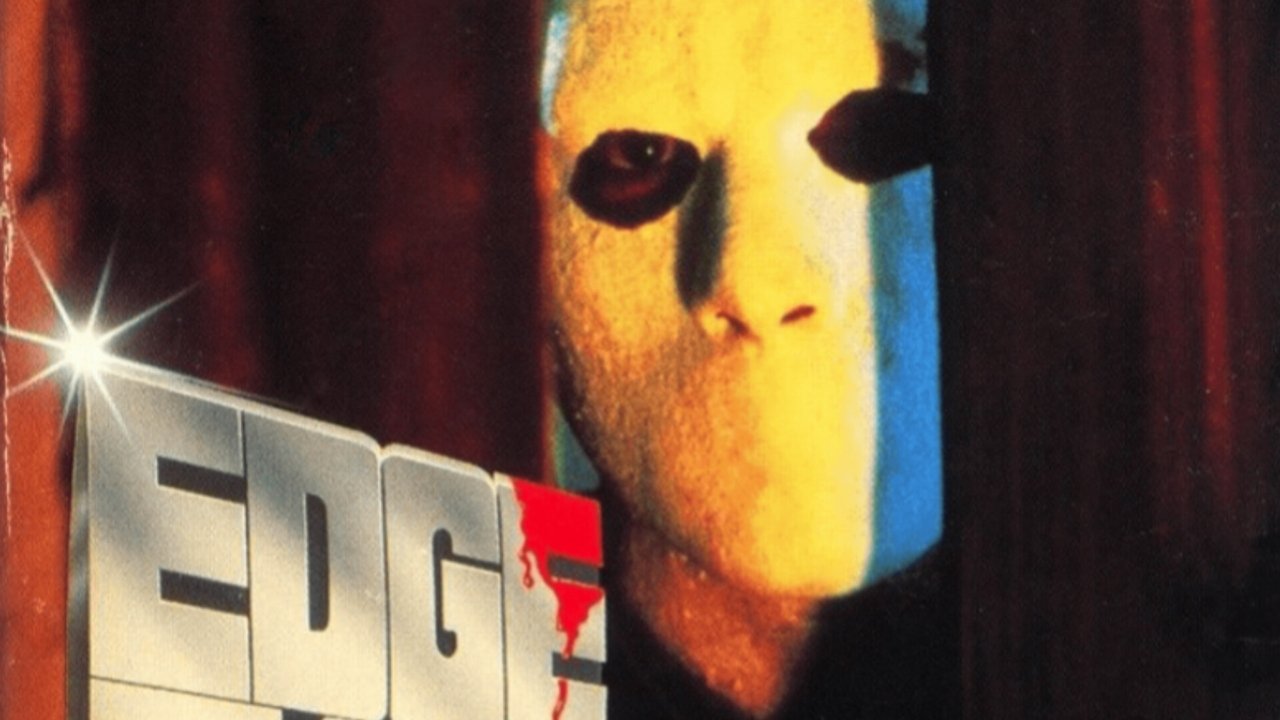
Director José Ramón Larraz, a Spanish filmmaker better known on these shores for lurid, atmospheric Euro-horror like the cult classic Vampyres (1974), brings a peculiar sensibility to this American-style slasher. Filmed on location in Big Bear Lake, California (standing in for Northern California), there's a tangible sense of place, but Larraz often shoots it with a detached, almost clinical eye. Daylight scenes possess a crispness that makes the eventual bursts of nocturnal violence feel even more jarring. The atmosphere isn't one of constant dread, but rather an unnerving stillness, like the calm before a particularly nasty storm. This wasn't your typical summer camp slaughterhouse; it had a slightly colder, European edge despite its American setting and cast. Originally titled Al filo del hacha in its native Spain, the film eventually found its way onto American VHS shelves via Trans World Entertainment, becoming one of those intriguing oddities you might pluck from the horror section based purely on the menacing cover art.
### Swinging for the Fences (and Throats)
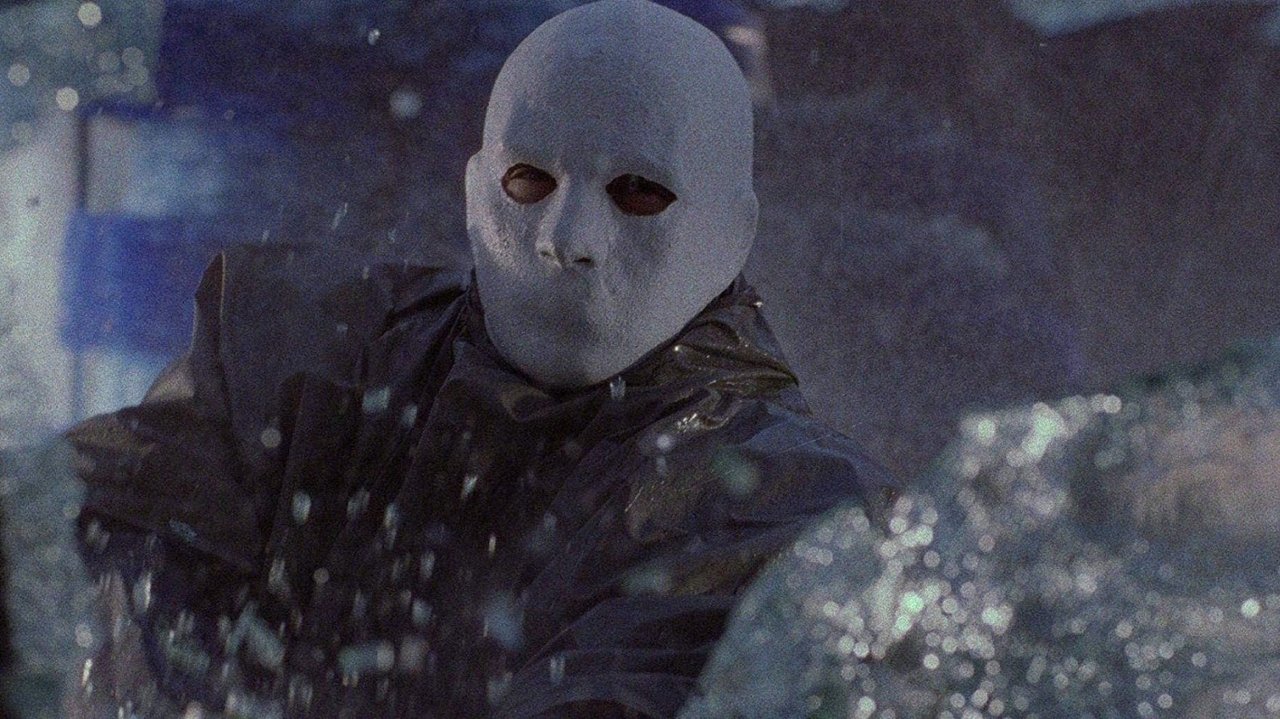
For slasher aficionados, the kills are paramount, and Edge of the Axe delivers some memorably brutal moments. The axe itself is wielded with grim efficiency, and Larraz doesn't shy away from the impact. One particular sequence in a car wash remains grimly effective, playing on vulnerability in a mundane location. The practical effects, while perhaps showing their seams by today's standards, felt visceral and unflinching back on those flickering tube TVs. You felt the thud, the terrible finality of it. Remember how certain effects just hit differently in the pre-digital age? There was a weight, a disturbing tangibility, that CGI often struggles to replicate. The killer's mask, simple and expressionless, is also surprisingly unnerving – a void onto which we project our fears.
The production itself wasn't without its quirks. Larraz, working outside his usual European stomping grounds, navigates the American setting with a style that sometimes feels slightly alien, contributing to the film's unique flavour. The dialogue occasionally dips into stilted B-movie territory, and the pacing can meander. Yet, these aren't necessarily fatal flaws; for many fans, they contribute to the film's distinct charm, that feeling of discovering a slightly dusty, forgotten gem from the late-80s direct-to-video boom. The modest budget is apparent, but Larraz uses his resources effectively to build suspense where it counts.
### Cracking the Code, or Just Cracking Up?
The performances are functional, serving the plot adequately. Barton Faulks brings a certain earnestness to Gerald, the tech-savvy outsider trying to make sense of the escalating madness. Christina Marie Lane provides a sympathetic counterpart in Lillian. The supporting cast fills out the roster of small-town archetypes – the suspicious locals, the overworked sheriff, the potential red herrings. Nobody is likely to win awards here, but they inhabit this increasingly dangerous world convincingly enough.
Where Edge of the Axe truly carves its infamous niche, however, is in its third act.
(MAJOR SPOILER ALERT!)
The reveal of the killer's identity and motivation is... audacious. Let's call it that. The film pulls a double-twist involving not one, but two primary characters working in tandem, connected through that very computer system Gerald was tinkering with earlier. The logic is convoluted, requiring a significant suspension of disbelief, and pivots on reveals that feel somewhat out of left field. Did that final twist genuinely land for you back then, or did it feel like a glorious train wreck? It's the kind of ending that polarizes viewers – some find it frustratingly nonsensical, while others revel in its sheer, unadulterated B-movie insanity. It certainly ensures Edge of the Axe isn't easily forgotten, even if it's for reasons bordering on the absurd.
(Spoilers End)
### Legacy on the Chopping Block
Edge of the Axe never set the box office alight, largely bypassing theaters for the burgeoning home video market in the US. Yet, like so many slashers of its era, it found a second life on VHS. It became a cult favourite, appreciated for its effective kills, unsettling atmosphere, unique blend of American setting and European directorial sensibility, and, yes, its truly bonkers ending. It stands as a fascinating example of late-80s slasher output, a period where the genre was arguably running on fumes but could still produce memorable, if flawed, entries. It captures that specific feel of discovering a slightly weirder, off-kilter horror film on the rental shelves, a welcome deviation from the more formulaic franchise entries dominating the multiplexes.
Rating: 6/10
Justification: Edge of the Axe earns points for its effective atmosphere, some genuinely brutal and well-staged axe murders, and its sheer memorable weirdness, particularly the early inclusion of computer technology and that infamous twist. However, it's held back by clunky dialogue, occasionally wooden acting, uneven pacing, and a final reveal that strains credulity to breaking point. It's a must-see for dedicated slasher completists and fans of 80s horror oddities, but its flaws prevent it from reaching the upper echelons of the genre.
Final Thought: A curious and often effective slasher that’s more than the sum of its sometimes awkward parts, Edge of the Axe remains a sharp, if jagged, piece of 80s horror history – memorable for its brutality, its strangeness, and an ending that still prompts debate among VHS veterans.