It starts not with a bang, but with the terrible silence that follows. The debris settles, the screams fade, and one person walks away inexplicably unharmed. But survival, as Thom Eberhardt’s chilling 1984 film Sole Survivor suggests, isn't always the end of the ordeal. Sometimes, it's just the beginning of a different kind of nightmare, one where the silence itself starts to listen back, and the faces in the crowd seem… wrong. This isn't your typical slasher fare; it's a slow burn, a creeping dread that sinks under your skin, much like the clammy feel of a worn VHS tape slid into the VCR late on a lonely night.
The Unwanted Miracle
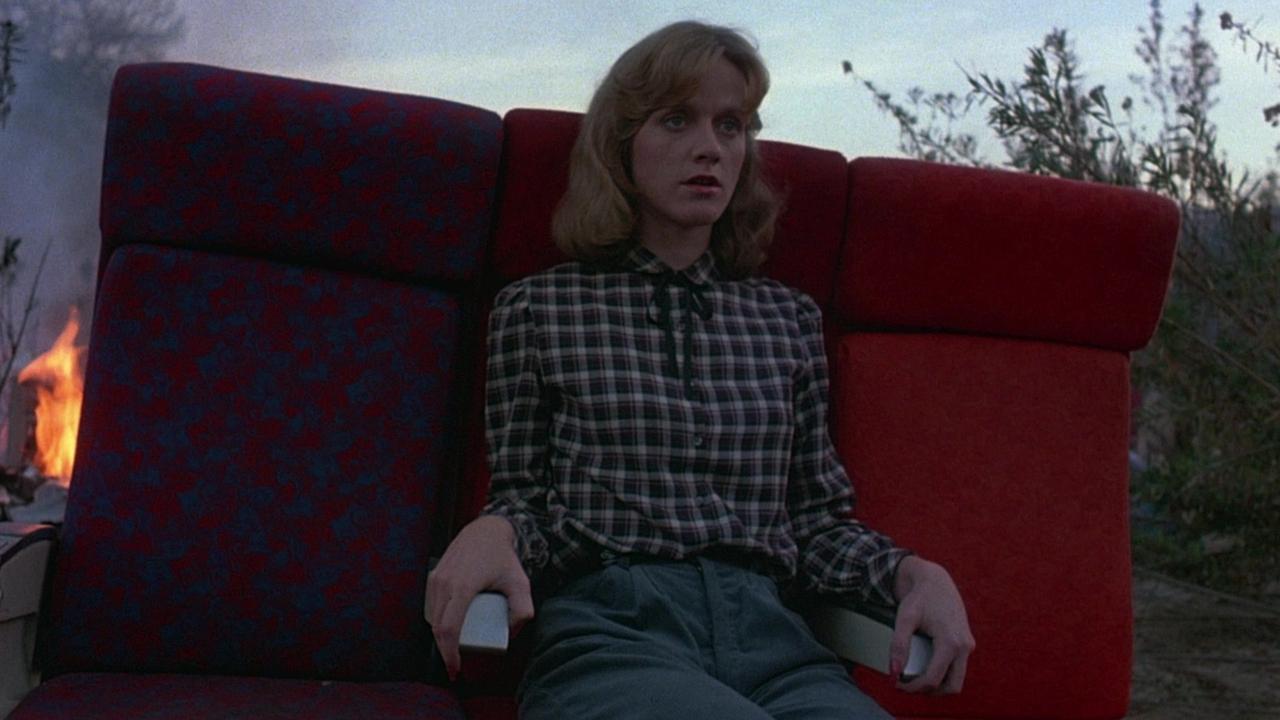
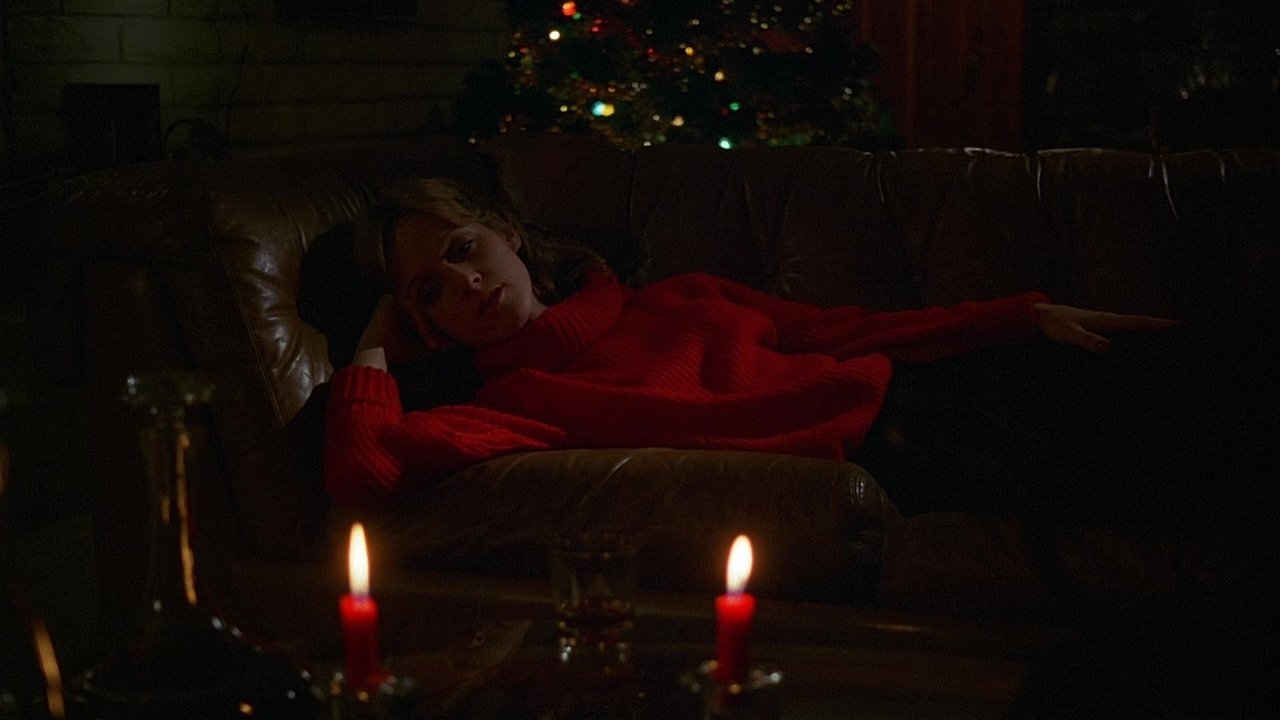
The premise is elegantly simple, yet deeply unsettling. Denise (Anita Skinner) is the lone survivor of a horrific plane crash. Rescued, celebrated, she tries to resume her life as a TV station producer. But the relief is short-lived. A chilling sense of being watched begins to pervade her days and nights. Strangers appear, lingering at the edges of her vision, their presence radiating a quiet, inexplicable menace. Are they figments of her traumatized imagination, or has death itself sent emissaries to collect the one that got away? It's this ambiguity that forms the cold heart of Sole Survivor.
Atmosphere Over Atrocity
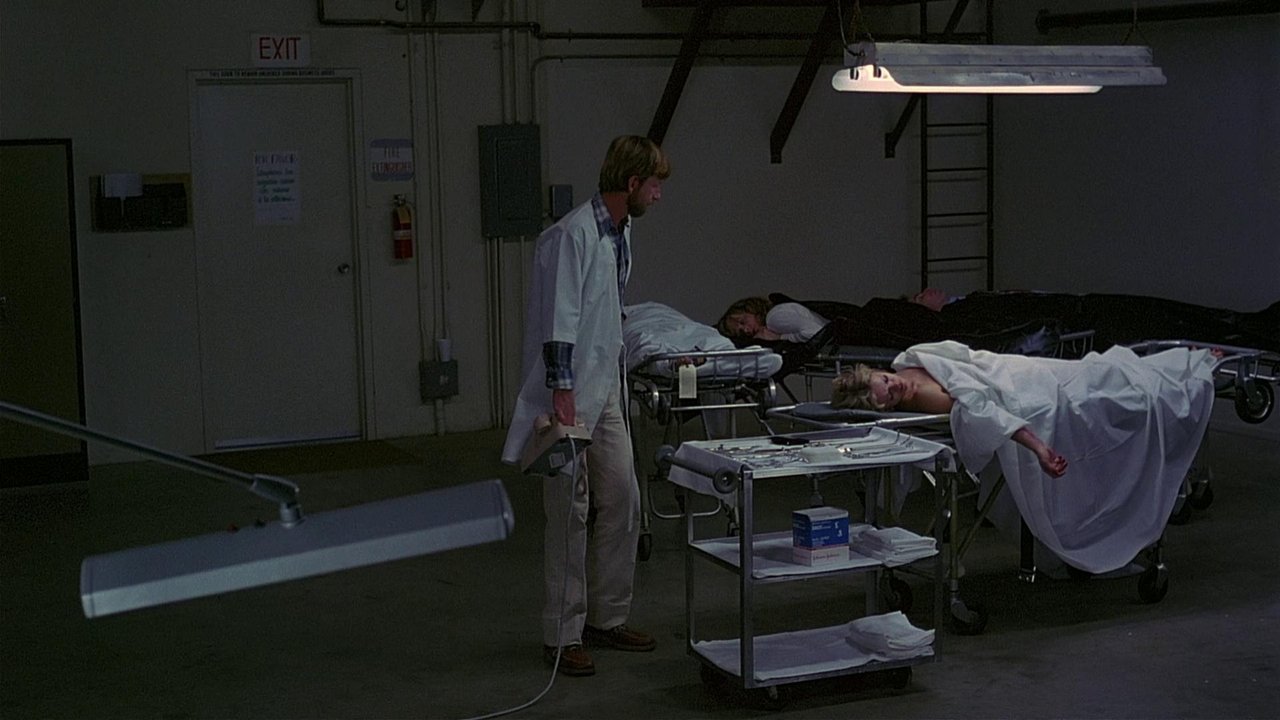
What makes this film burrow into your memory isn't jump scares or overt gore – though there are moments of sharp, sudden violence. It's the pervasive, suffocating atmosphere Eberhardt crafts. Shot on what was clearly a modest budget (reportedly around $350,000 – peanuts even back then), the film turns its limitations into strengths. The mundane locations – parking garages, apartments, quiet streets – become imbued with a palpable sense of threat. The film understands that true horror often lies not in the monstrous, but in the ordinary becoming subtly, terrifyingly off. Remember how effective that slow pan across a seemingly empty street could be, hinting at eyes watching from just beyond the frame?
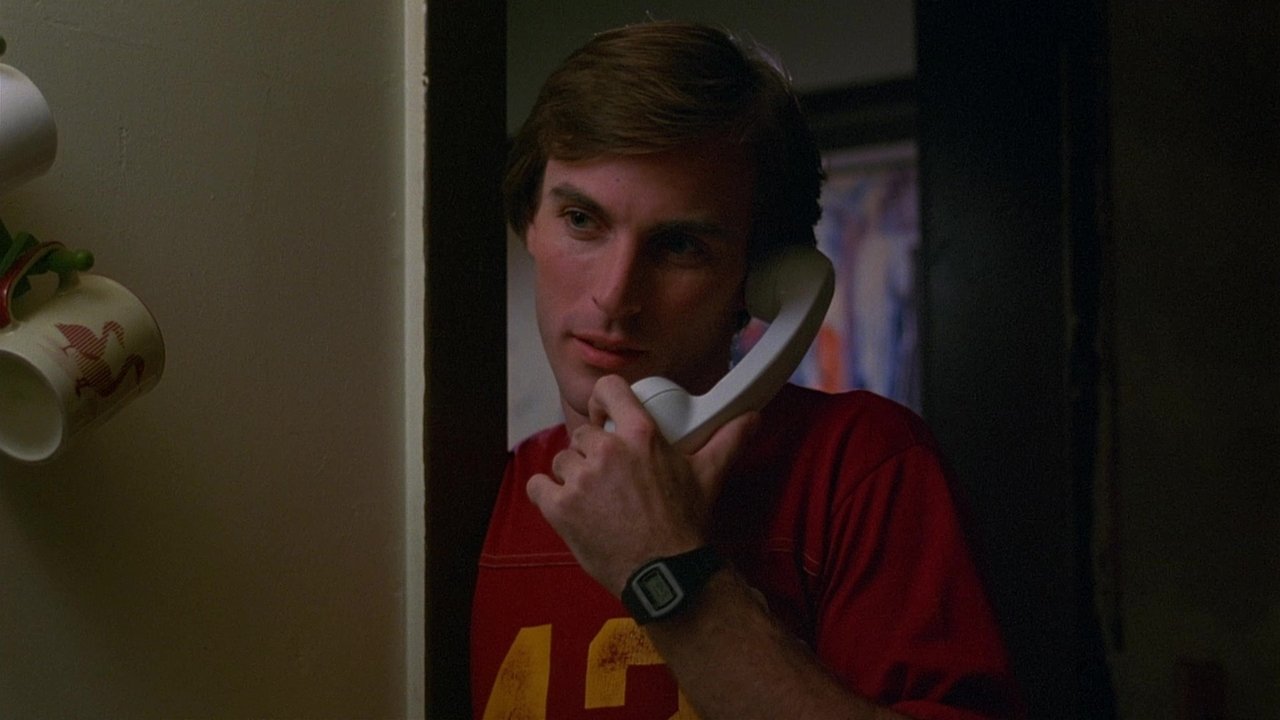
The "stalkers," when they appear, aren't grotesque monsters. They often look like average people – a man reading a newspaper, a woman pushing a pram, a maintenance worker. This normality is precisely what makes them so disturbing. They don't chase; they simply… appear. They wait. This patient, almost passive malevolence feels far more unnerving than a masked killer wielding a knife. It taps into a primal fear of being singled out, of an inevitable fate patiently closing in. Anita Skinner carries the film admirably, conveying Denise’s crumbling composure and growing isolation with unnerving conviction. You feel her reality warping, her certainty eroding, helped by solid support from actors like Kurt Johnson as her skeptical doctor boyfriend.
Echoes in the Genre (Retro Fun Facts)
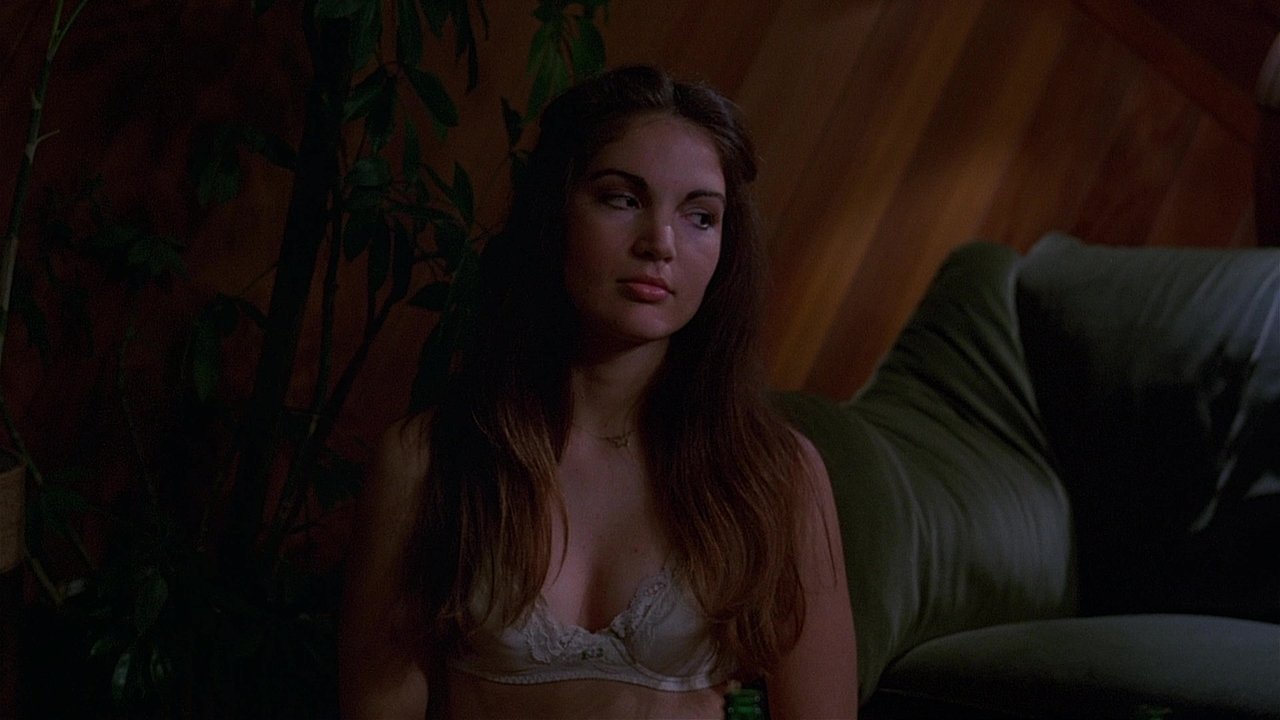
It's impossible to discuss Sole Survivor today without mentioning its striking conceptual similarity to the Final Destination franchise, which debuted over 15 years later. While Final Destination leans heavily into elaborate, Rube Goldberg-esque death sequences, Eberhardt's film is the quieter, more existential original blueprint: the idea that escaping death merely puts you back on its list, marked for collection. One wonders if Thom Eberhardt ever felt a pang of 'hey, wait a minute!' when those later films hit big. Eberhardt, incidentally, showed his versatility by also directing the much more colourful and comedic cult classic Night of the Comet in the same year (1984), proving he could handle vastly different tones within the genre space. Sole Survivor itself remained somewhat obscure for years, a true hidden gem passed around on grainy VHS copies among dedicated horror fans before eventually finding wider appreciation through later physical media releases. Its journey mirrors the discovery process many of us remember – finding that unassuming tape on the rental shelf and stumbling into something unexpectedly potent.
Does the Chill Linger?
Watching Sole Survivor now, its deliberate pacing might test the patience of viewers accustomed to faster-paced modern horror. Some aspects feel undeniably dated, a product of their low-budget 80s origins. Yet, the core concept remains chillingly effective. The film's power lies in its mood, its quiet insistence on the inescapable. It doesn’t rely on elaborate effects; it relies on making you look twice at the person standing across the street, on making you feel the weight of unseen attention. Doesn't that slow, creeping dread feel more insidious, somehow, than a sudden shock? It captures a specific kind of existential fear, the feeling that maybe, just maybe, the universe keeps cosmic books, and it doesn't appreciate errors in the ledger.
VHS Heaven Rating: 7/10
Sole Survivor earns its 7/10 rating through its masterful creation of atmosphere and its genuinely unsettling premise that predates more famous takes on the theme. While the low budget and pacing might be minor hurdles, Anita Skinner's performance anchors the escalating dread effectively. It's a film that prioritizes psychological chills over visceral shocks, proving that sometimes the quietest threats are the most terrifying.
It might not be flashy, but Sole Survivor is a potent slice of 80s atmospheric horror, a film that understands the terror of inevitability. It’s a reminder that sometimes, the most frightening thing isn't what's chasing you, but the cold, patient certainty that something eventually will catch up.