Alright, pull up a chair, maybe grab a can of Krylon (just kidding... mostly), because we're diving deep into a genuine time capsule today. Forget choreographed action sequences or slick Hollywood gloss for a moment. We're hitting the gritty, vibrant streets and rattling subway tunnels of early 80s New York City with Tony Silver's landmark 1984 documentary, Style Wars. This wasn't just a movie you rented; for many of us who caught it on a fuzzy UHF broadcast or a treasured, passed-around VHS tape, it felt like unlocking a secret world, a raw pulse of creativity exploding against a backdrop of urban decay.
### The Writing on the Wall
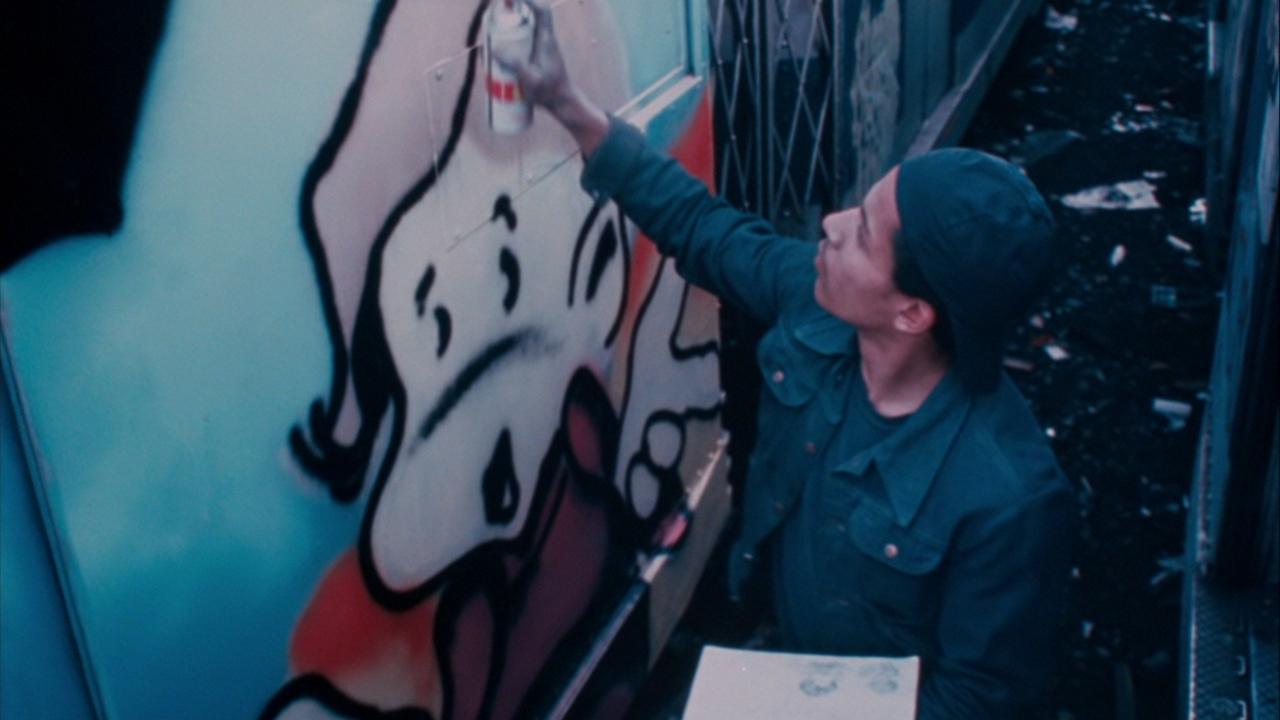
Style Wars plunges us headfirst into the burgeoning hip-hop culture, focusing intensely on the world of graffiti artists – or "writers," as they rightfully called themselves. Forget simple tagging; this was about elaborate, colourful masterpieces ("burners," "pieces") claiming entire subway cars as moving canvases. The film doesn't just observe; it immerses us in the lives, rivalries, and philosophies of legendary figures like the confident Seen, the innovative Kase 2 (inventor of the "computer rock" style), the influential Dondi, the notorious Cap, and many others. Their voices – young, passionate, defiant – form the core of the film, articulating their drive to "get up," to leave their mark, to wage a war of style against the city and each other.
Director Tony Silver, alongside producer and photographer Henry Chalfant (whose earlier photographic documentation was crucial), managed something extraordinary: they gained intimate access to a largely clandestine world. You feel the adrenaline rush of late-night missions to the train yards, the meticulous planning, the pride in a finished piece rolling into a station, and the constant threat of the Vandal Squad. This wasn't some detached academic study; Silver and Chalfant clearly developed a rapport with their subjects, allowing their personalities and artistic visions to shine through with remarkable authenticity. It feels less like a documentary crew observing and more like being let into the circle, hearing the stories straight from the source.
### More Than Just Paint
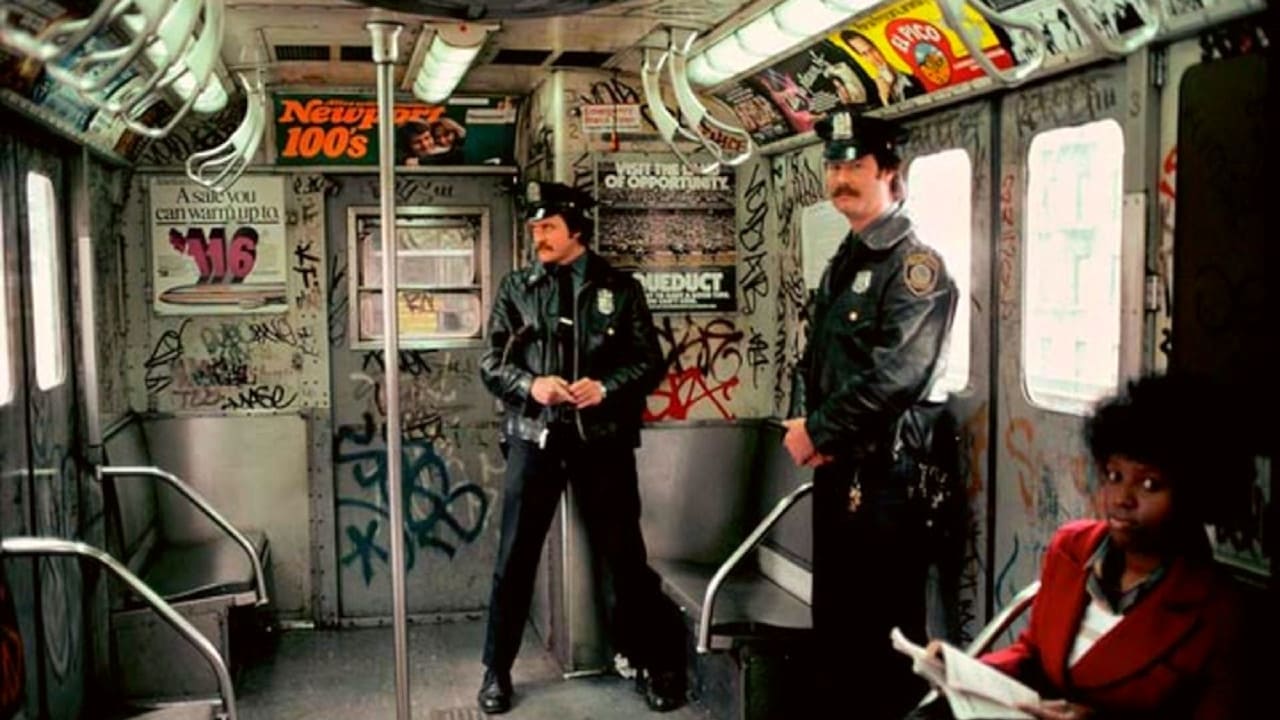
But Style Wars brilliantly understood that graffiti wasn't happening in a vacuum. It skillfully weaves in the other vital elements of early hip-hop: the breathtaking acrobatics and rhythmic battles of b-boys (featuring the legendary Rock Steady Crew in some electrifying footage) and the infectious beats and rhymes that formed the soundtrack to this cultural revolution. The film captures the synergy, showing how these art forms fed off each other, creating a vibrant ecosystem of expression born from the streets. It even gives voice to the opposition – Mayor Ed Koch railing against the "vandals," MTA officials detailing their costly cleanup efforts, and bewildered parents trying to understand their kids' nocturnal activities. This balance provides crucial context, highlighting the "war" aspect of the title – a clash of culture, perspective, and ownership of public space.
### Retro Fun Facts: Capturing Lightning
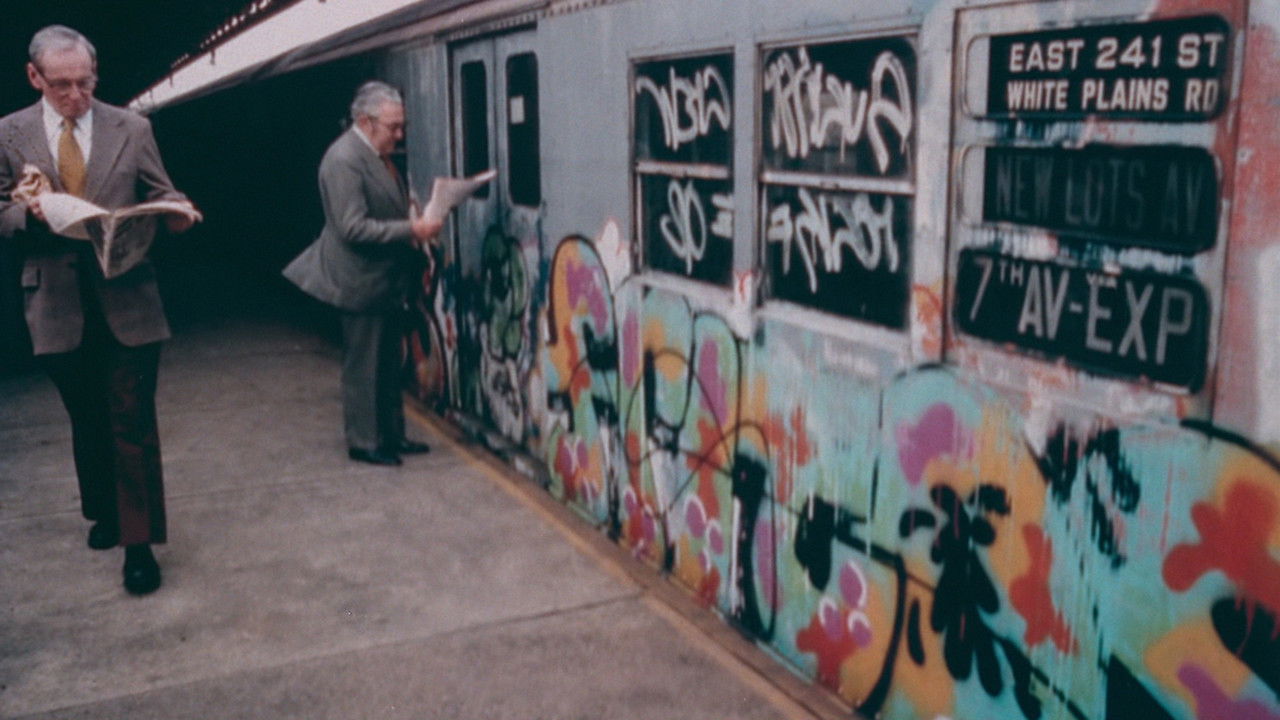
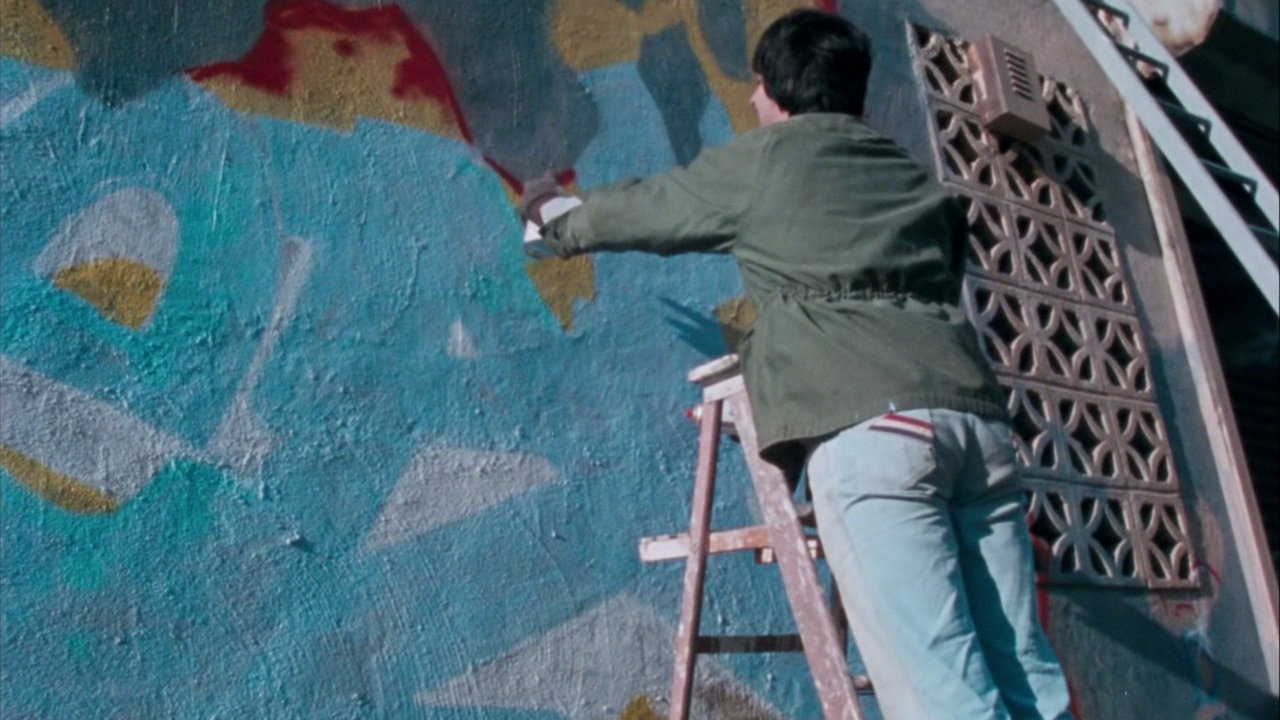
Making Style Wars was its own kind of guerilla operation. Originally funded partly by grants and intended for PBS (where it first aired), Silver and Chalfant navigated the complexities of filming illegal activities and capturing the ephemeral nature of the art itself. Trains painted one night might be buffed clean the next day. Securing trust within the writers' community was paramount. One fascinating tidbit is how Chalfant's existing relationships and photographic work laid the groundwork, providing credibility. The film went on to win the Grand Jury Prize for Documentaries at the 1984 Sundance Film Festival (then known as the United States Film Festival), signaling its importance beyond just a niche cultural document. Its raw, vérité style wasn't just an aesthetic choice; it was often a necessity born from the conditions of filming – capturing energy and action on the fly, often in low light and high-stakes environments. The film's impact was immediate and global, becoming the essential document for countless kids worldwide fascinated by this emergent culture, long before the internet could provide such instant access. For many outside of NYC, this film was their introduction to hip-hop.
### Enduring Legacy
Watching Style Wars today is like stepping into a living museum. Yes, the clothes and slang scream early 80s, and the specific battles depicted are long over. But the core themes – the urge for self-expression, the clash between authority and art, the creation of vibrant culture from limited resources – remain incredibly potent. It captured lightning in a bottle, preserving not just the artwork but the spirit, the energy, and the voices of a pivotal moment in cultural history. It’s no wonder the Library of Congress selected it for preservation in the National Film Registry, deeming it "culturally, historically, or aesthetically significant." It’s more than just a film; it’s a foundational text. You can see its influence echoed in countless documentaries and narratives exploring street art and youth culture that followed.
---
VHS Heaven Rating: 9.5/10
Style Wars isn't just a documentary; it's an essential cultural artifact. Its raw energy, intimate access, and historical significance are undeniable. It perfectly captures the birth of a global phenomenon with respect, understanding, and an infectious dynamism. The -.5 is only because, as a pure viewing experience, its vérité style and focus might not grip every viewer accustomed to more polished narratives, but its importance cannot be overstated.