Okay, pull up a chair, maybe pour yourself something – remember those slightly sticky video store counters? Tucked between the action heroes and the slasher flicks, there was sometimes something... different. Something that wasn't quite a movie, but felt bigger, more revealing. That's where Madonna: Truth or Dare (released as In Bed with Madonna outside North America) landed in 1991, a monochrome and Technicolor grenade lobbed right into the pop culture landscape. It wasn't just a concert film; it felt like being granted a backstage pass to the eye of a hurricane, a hurricane named Madonna.
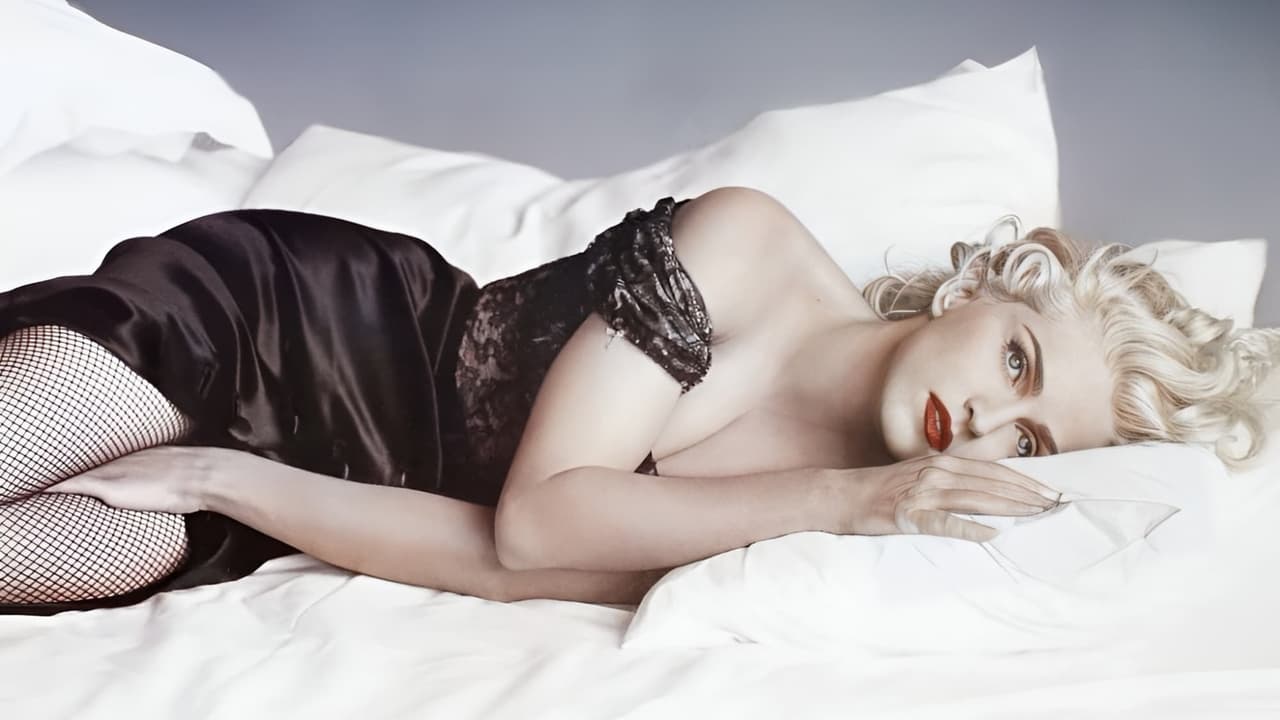
More Than Just Music
What strikes you immediately, even rewatching it now on a screen far sharper than my old CRT ever was, is the audacity. Not just Madonna's calculated provocations on stage – the Gaultier cone bras, the simulated acts that sent censors into overdrive – but the audacity of the access. Director Alek Keshishian, barely 25 at the time, captured something raw alongside the meticulously crafted spectacle of the 1990 Blond Ambition World Tour. The film masterfully cuts between the vibrant, almost overwhelming color footage of the concert performances and the intimate, often stark, black-and-white vérité of life behind the curtain. This stylistic choice isn't just aesthetic; it deliberately separates the performer from the person, asking us constantly: where does one end and the other begin?
The Woman Behind the Myth?
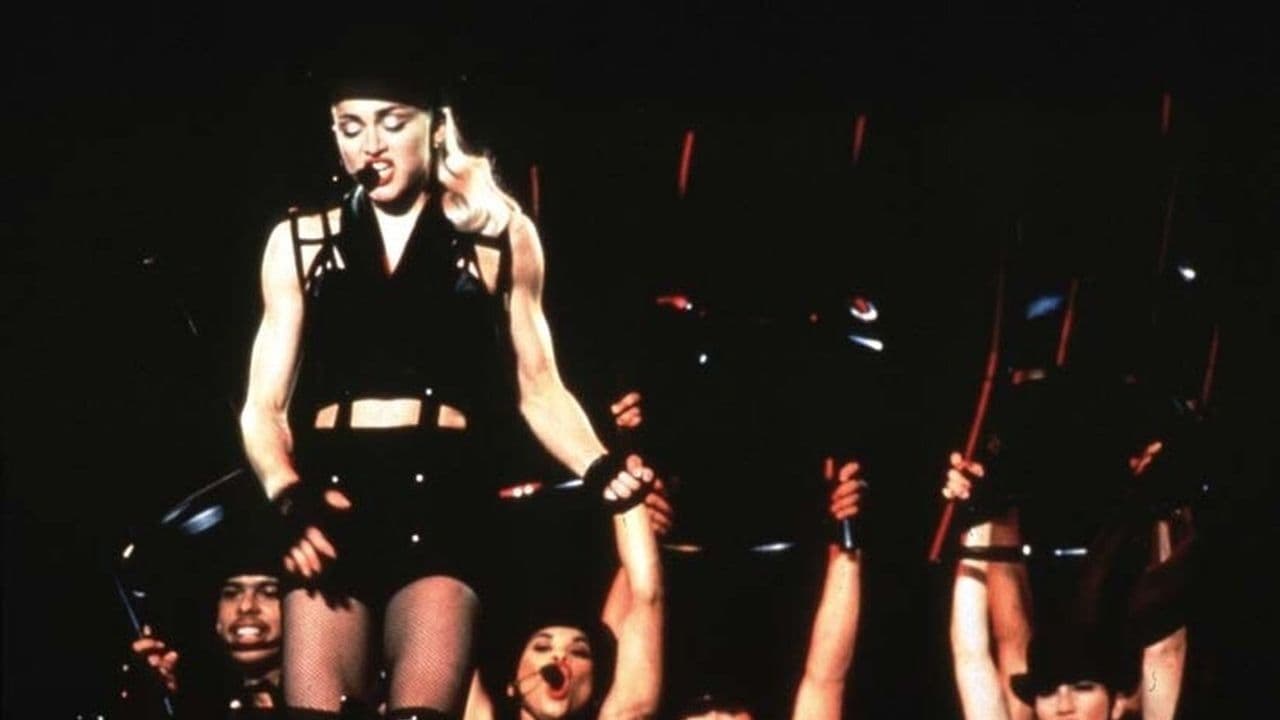
This film lives and breathes through Madonna herself. She’s magnetic, controlling, vulnerable, sharp-tongued, maternal, and calculating, often all within the same scene. Is it the "real" Madonna? That’s the million-dollar question the film never explicitly answers, and perhaps that's its brilliance. She's performing even when she's seemingly not performing. Watch her interactions: the playful dominance over her dancers (who became minor celebrities in their own right – remember Slam, Jose, Luis, Oliver, Carlton, Kevin, and Gabriel?), the almost motherly counsel mixed with cutting remarks, the brief, telling moments with family, the awkward tension with then-boyfriend Warren Beatty. Beatty, ever the old-school movie star, seems genuinely uncomfortable with the relentless gaze of the camera, famously muttering, "She doesn't want to live off-camera." It's a line that perfectly encapsulates the film's central tension: the compulsive need to be seen versus the cost of that visibility.
Moments That Stick
Certain scenes are seared into the memory of anyone who saw this back in the day. The infamous Evian bottle fellatio demonstration, less shocking now perhaps, but a potent symbol of her deliberate boundary-pushing then. The vulnerable moments, like the visit to her mother's grave or the painful throat examination, offer glimpses beneath the armor. The casual cameos – Antonio Banderas looking slightly bewildered, Kevin Costner's backstage compliment deemed merely "neat" – serve as reminders of the stratosphere she occupied. And the prayer circles before each show, led by Madonna herself, add another layer of complexity, blending spiritual seeking with the demands of superstardom. It’s a dizzying mix, expertly captured by Keshishian, who turned what was initially conceived as an HBO special into a feature documentary that felt revolutionary.
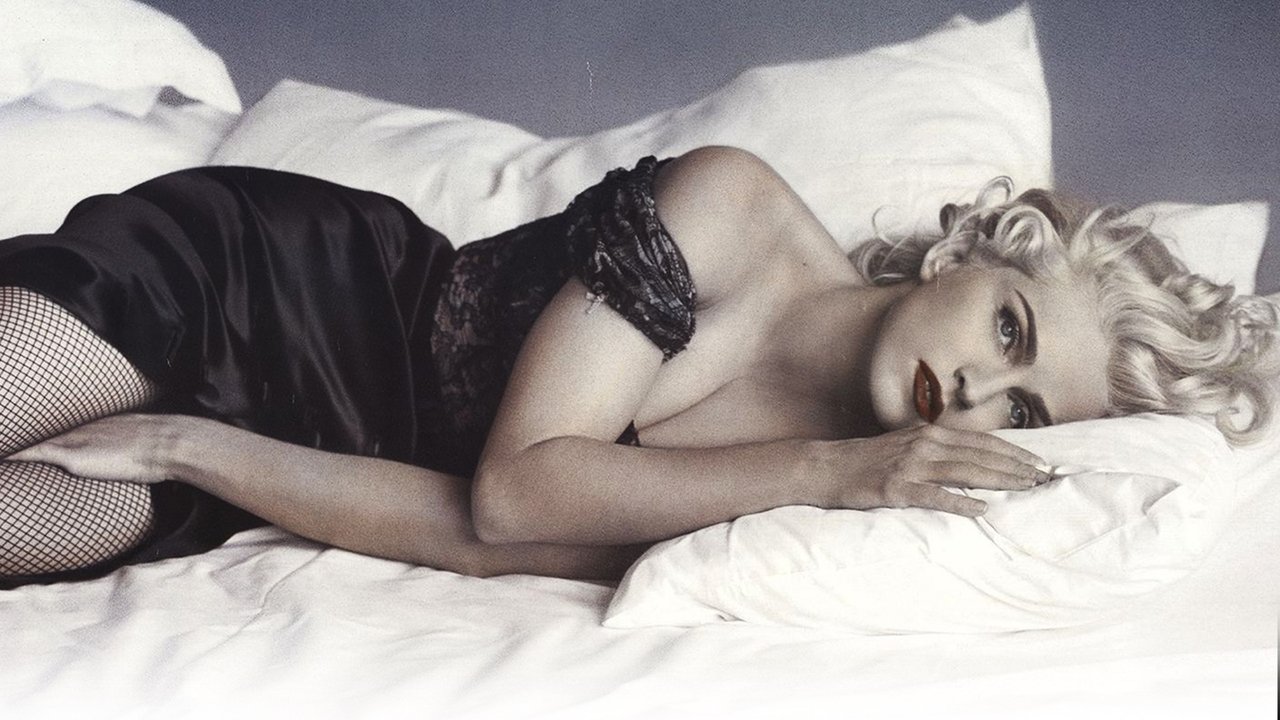
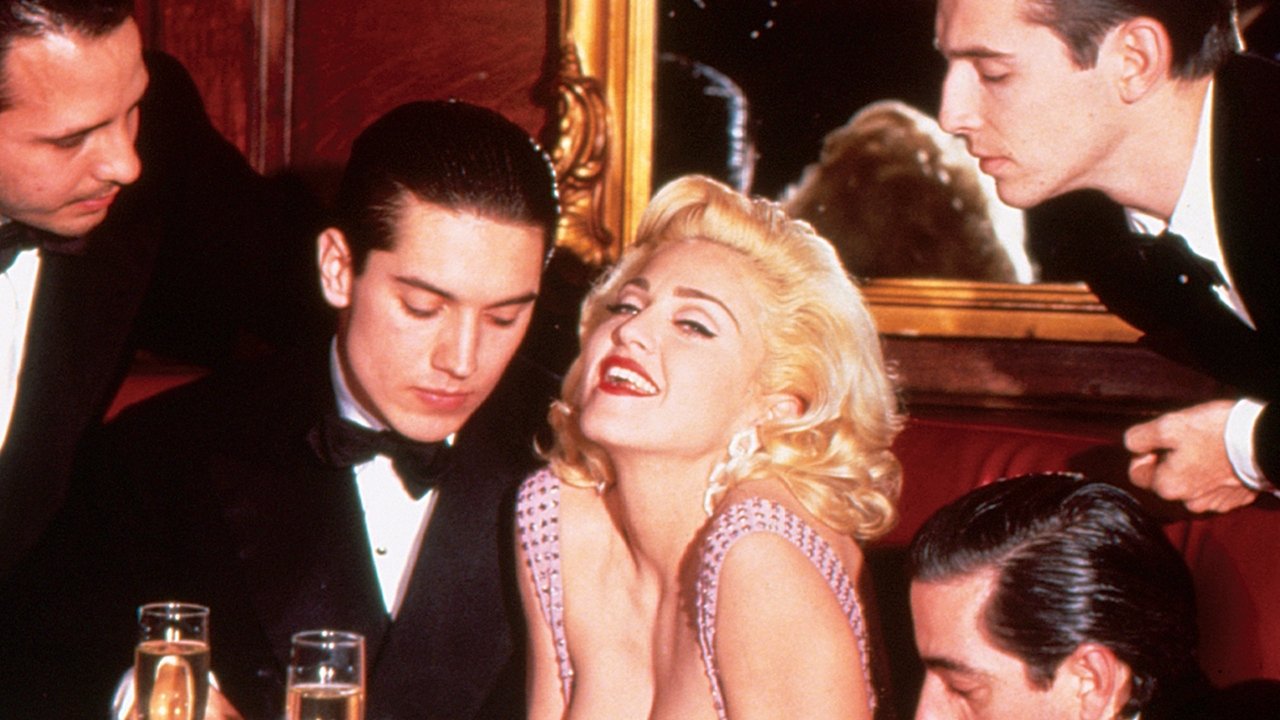
Beneath the Gloss: Retro Fun Facts
It’s easy to forget just how huge this film was for a documentary. Made for a relatively modest budget (around $4.5 million), it pulled in over $29 million worldwide – that’s roughly $65 million in today’s money, a staggering success that proved audiences craved this kind of unfiltered (or seemingly unfiltered) access. The Blond Ambition Tour itself was a lightning rod for controversy, facing protests from the Vatican and even threats of arrest for Madonna in Toronto over the simulated masturbation during "Like a Virgin." Keshishian reportedly shot over 250 hours of footage, wrestling it down into this tightly constructed narrative, over which Madonna maintained significant creative control. And while the film portrays a tight-knit "family" on tour, the reality proved more complex; several dancers later sued Madonna regarding payment and invasion of privacy related to the film, a slightly sour postscript to the onscreen camaraderie.
The Legacy of 'Dare'
Watching Truth or Dare today feels like observing the embryonic fluid from which much of modern celebrity culture and reality television emerged. Its influence is undeniable. It normalised the idea of the curated "behind-the-scenes" look, the blurring of public and private personas for entertainment. Does it hold up? Absolutely. It’s a fascinating time capsule of peak Madonna, a relentlessly driven artist consciously shaping her own myth in real-time. It’s also a surprisingly intimate, funny, and occasionally uncomfortable portrait of fame, ambition, and the weird surrogate families forged on the road. I remember renting the VHS, the chunky plastic cassette feeling somehow substantial, weighty, like the secrets it held. It felt important then, and its power, its sheer watchability, hasn't entirely faded.
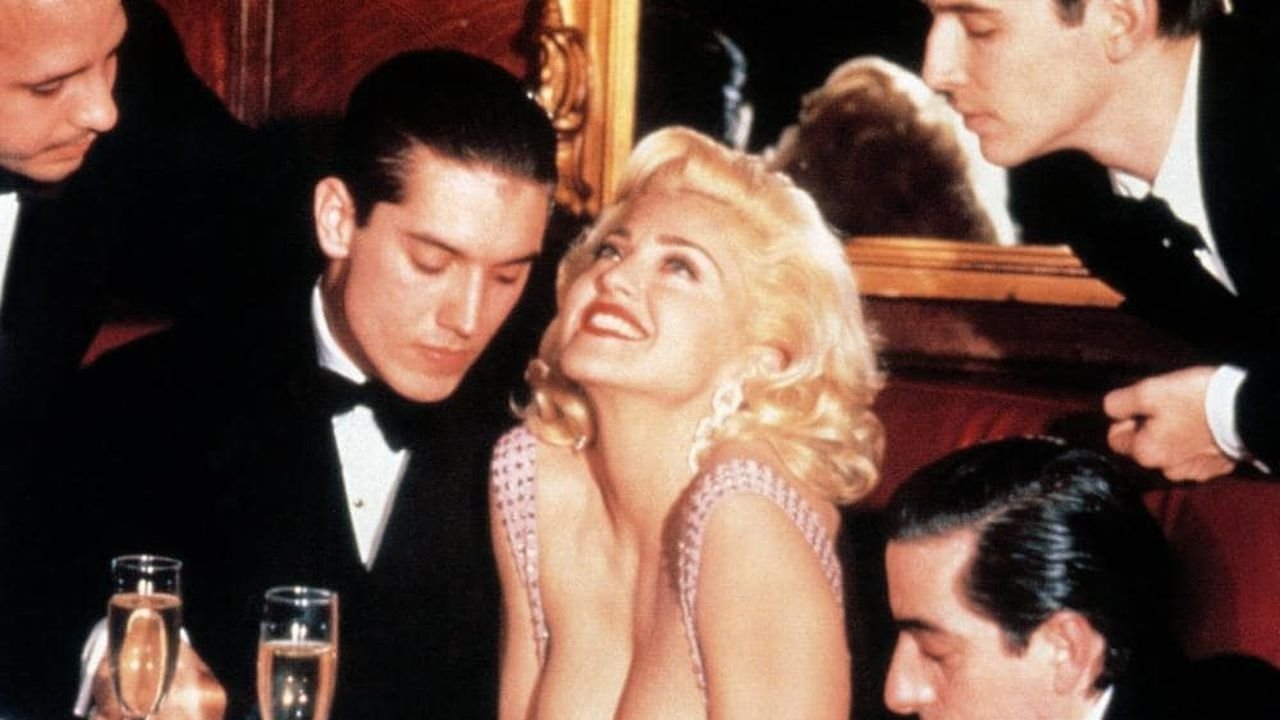
Rating: 8.5/10
This score reflects the film's groundbreaking impact, its technical execution (especially the B&W/color interplay), and its unforgettable central performance by Madonna as... Madonna. It captured a cultural zeitgeist moment like few documentaries before or since, offering a template that countless others would follow. While some aspects feel intensely 'of their time' and the question of true authenticity lingers, its power as a piece of filmmaking and a cultural document remains potent. It's more than just a tour diary; it's a deliberate construction of reality that forced us all to question what's real when the cameras are always rolling.
It leaves you wondering, even now: Was the vulnerability just another costume, or was the bravado the real mask? Maybe the truth, as the title suggests, was always the dare itself.