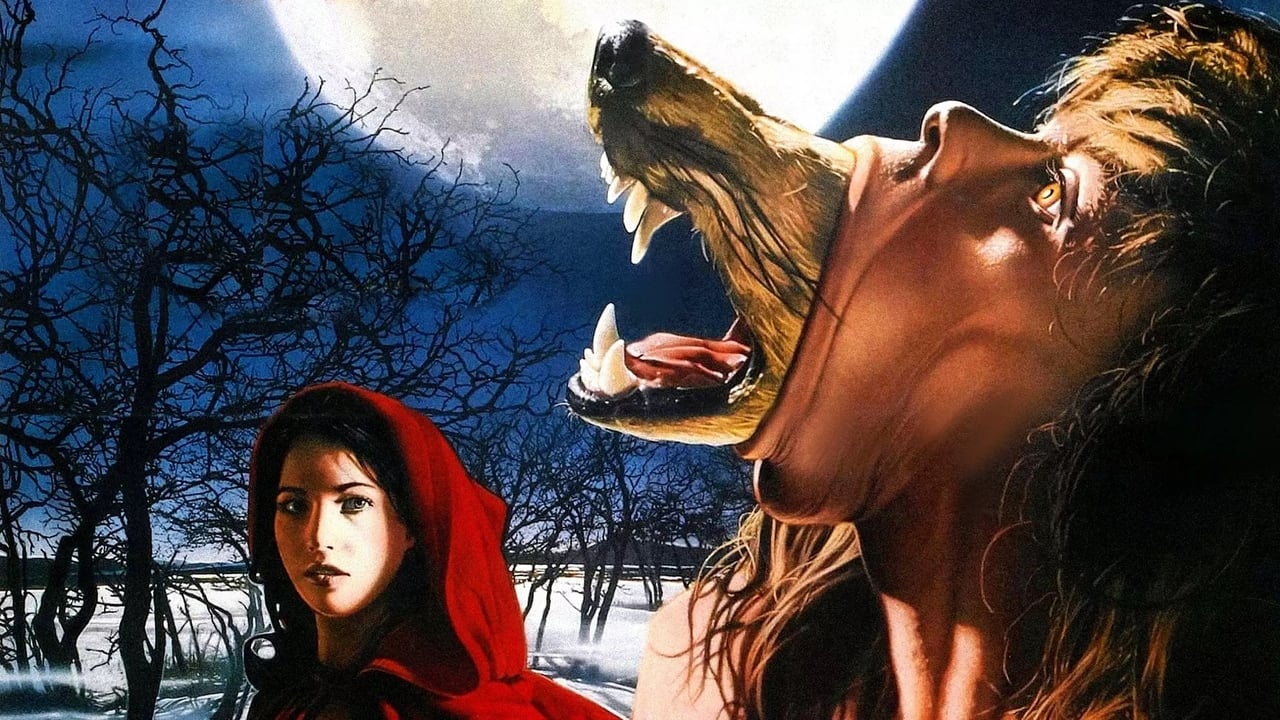
"Never stray from the path, never eat a windfall apple, and never trust a man whose eyebrows meet." Angela Lansbury’s voice, both grandmotherly comforting and laced with ancient warning, echoes long after the tape clicks off. The Company of Wolves (1984) isn’t just a film; it’s a fever dream woven from folklore, Freudian psychology, and the unsettling shadows that flicker at the edge of adolescence. Forget Disneyfied fairytales; this is Red Riding Hood as reimagined through a dark, distinctly adult lens, a journey into a forest teeming with desires as dangerous as any lupine predator. Watching it again on a grainy VHS transfer somehow feels right, enhancing the murky, dreamlike quality that permeates every frame.
### Into the Woods We Go
The film, born from a collaboration between director Neil Jordan (who would later give us Interview with the Vampire) and the fiercely original writer Angela Carter based on her own short stories from "The Bloody Chamber", doesn't offer a straightforward narrative. Instead, it wraps stories within stories, dreams within dreams. Young Rosaleen (Sarah Patterson, remarkably poised in her debut) drifts off to sleep in the modern day, only to find herself living within the very gothic tales spun by her Granny (Angela Lansbury). The structure itself feels disorienting, mirroring the confusing transition from childhood innocence to the complexities of burgeoning womanhood. It’s a film that asks you to surrender to its logic, much like falling into a deep, unsettling sleep.
### A Forest Steeped in Dread
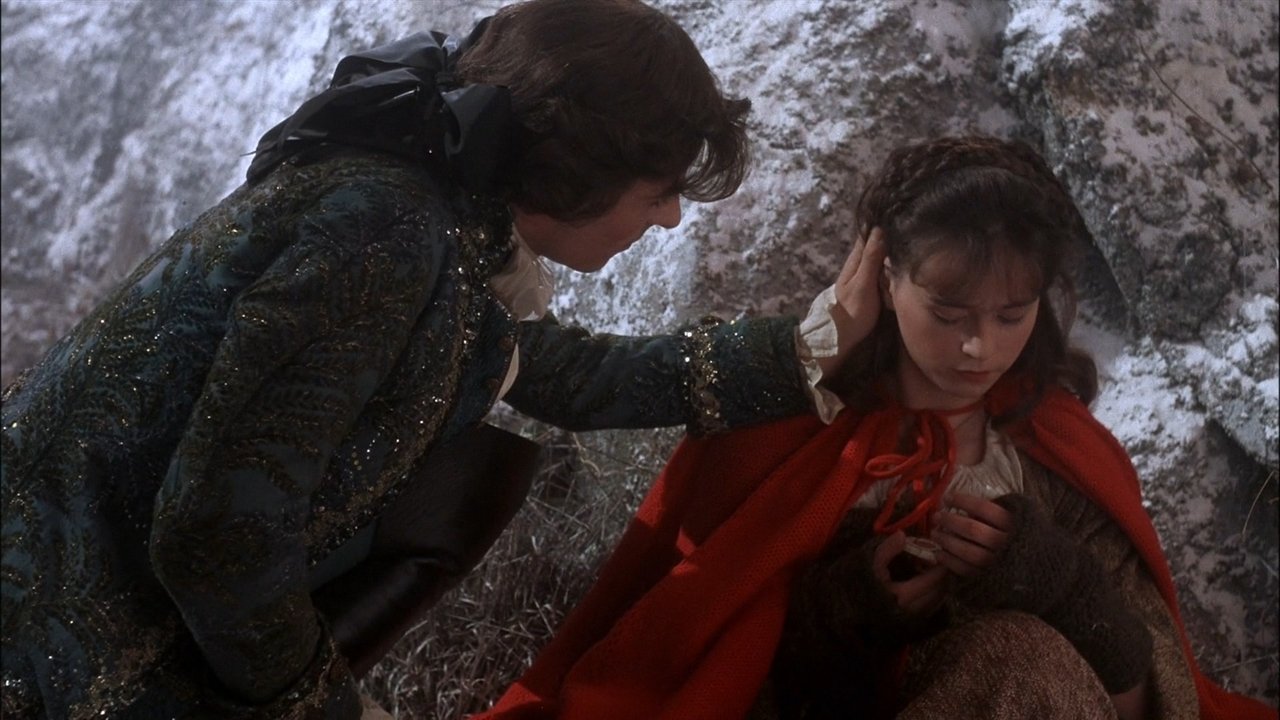
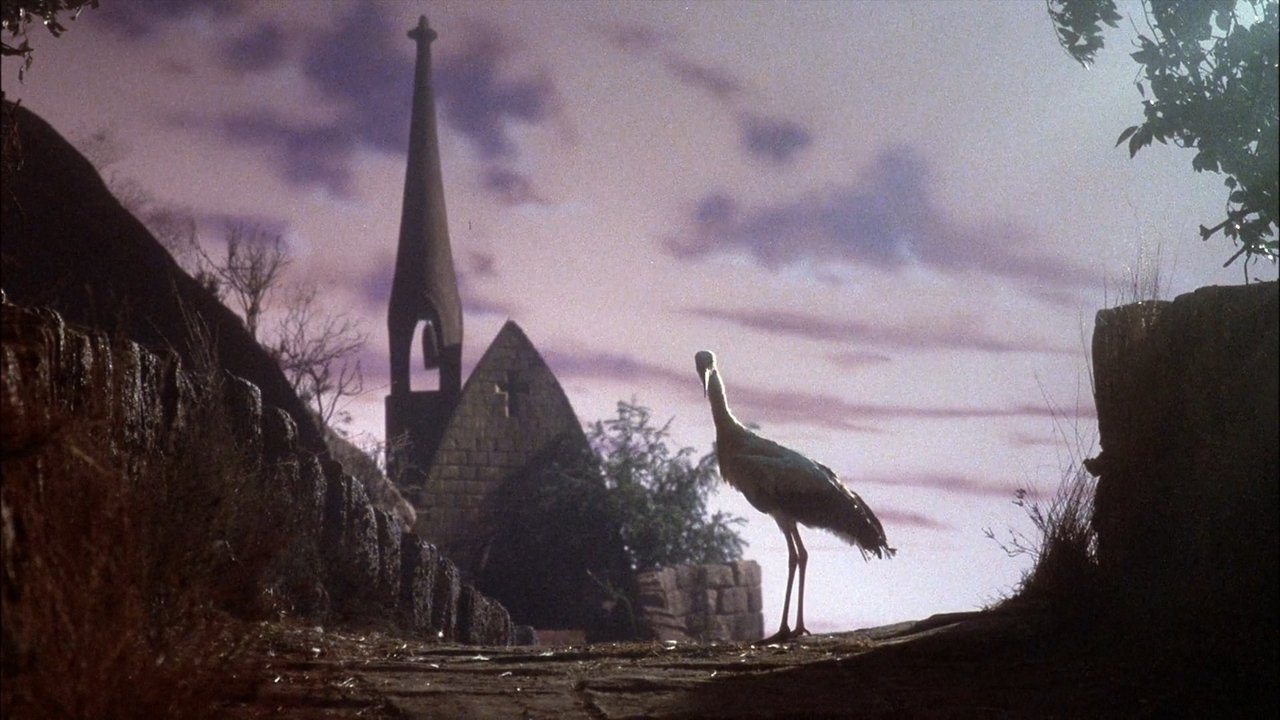
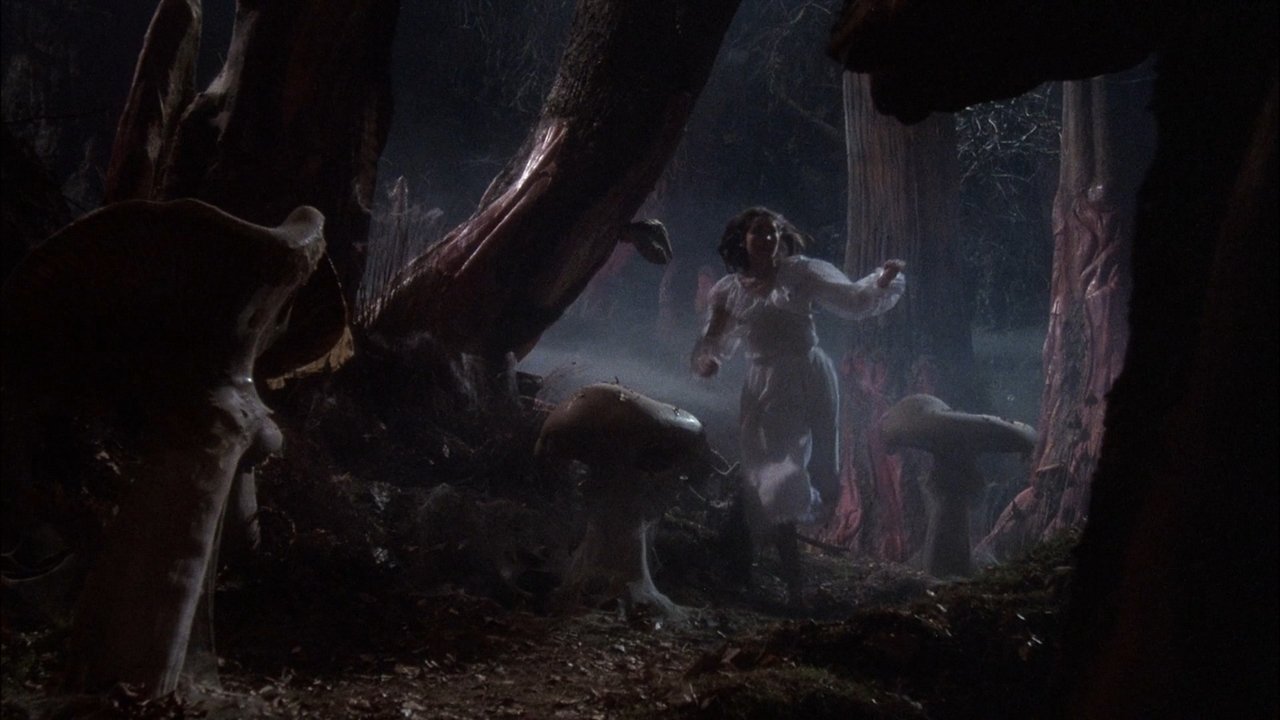
What truly sets The Company of Wolves apart is its oppressive, claustrophobic atmosphere. The forest isn't just a location; it's a living entity, realised through stunningly artificial, yet deeply effective, studio sets designed by Anton Furst (who would later win an Oscar for his work on Tim Burton's Batman). Twisted trees loom, fog clings heavily, and oversized props – giant mushrooms, eerie nests filled with cracked porcelain dolls – contribute to a sense of surreal dislocation. It feels less like a real wood and more like a landscape dredged from the subconscious. George Fenton's score enhances this, weaving between lyrical beauty and discordant notes that signal lurking danger. This wasn't some sprawling epic shot on location; much of its magic came from the meticulous, often claustrophobic, soundstage creations funded by its relatively modest budget (around £1.6 million, roughly $2.5 million then). The contained environment perfectly mirrors the psychological confines of the village and the burgeoning pressures on Rosaleen.
### Granny Knows Best (Or Does She?)
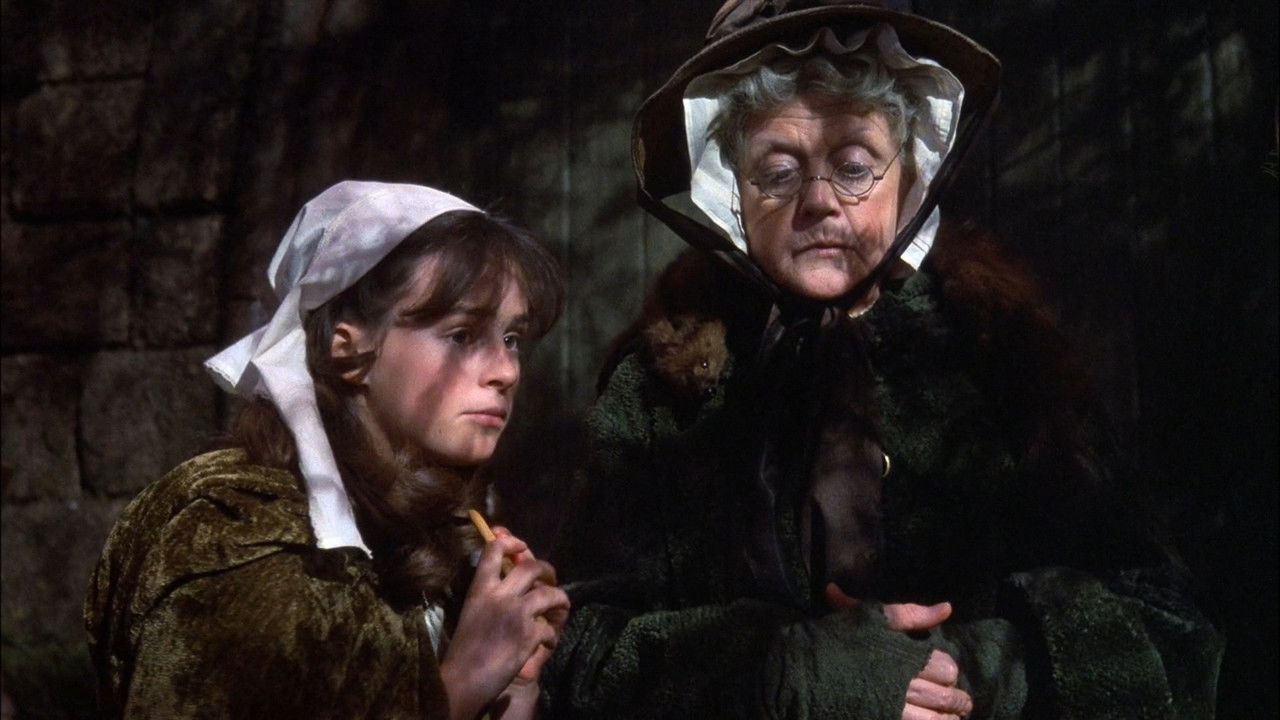
Angela Lansbury is simply magnetic. Far removed from Jessica Fletcher, her Granny is a figure of both comfort and subtle menace. Her knitting needles click like tiny bones, and her warnings about men carry the weight of bitter experience. There’s a chilling ambiguity to her character – is she protecting Rosaleen, or merely passing down a legacy of fear and repression? Opposite her, Sarah Patterson, only about 14 during filming, carries the film with a surprising maturity. Her Rosaleen is curious, defiant, and increasingly aware of the power dynamics at play, navigating the treacherous path between innocence and experience. The supporting cast, including David Warner as Rosaleen's father, adds to the slightly theatrical, heightened reality of this fairytale world.
### The Beast Within: Effects That Bite
And then there are the wolves. And the werewolves. Forget slick CGI; this is the glory of 80s practical effects, courtesy of wizards like Christopher Tucker (renowned for his work on The Elephant Man). The transformation sequences are genuinely grotesque and memorable. One particularly infamous scene, where a man literally peels his own skin off to reveal the wolf beneath, is a masterclass in body horror – visceral, painful, and utterly unforgettable. It reportedly required complex puppetry and prosthetic layers, pushed to the absolute limit by the effects team. Does it look dated now? Perhaps. But back then, projected on a CRT screen late at night, these moments felt terrifyingly real, possessing a tactile, Cronenbergian horror that digital effects often struggle to replicate. Remember seeing that skin-peeling sequence for the first time? It certainly left a mark.
### More Than Just a Fairytale
Beneath the gothic trappings and creature effects, The Company of Wolves delves into potent themes. Angela Carter's fiercely feminist and psychoanalytical interpretations of fairytales are front and centre. The film explores female sexuality, the fear of the masculine "other," the transition to adulthood, and the power dynamics inherent in storytelling itself. Rosaleen’s journey isn't just about avoiding wolves in the literal sense; it’s about navigating the predatory nature of desire and societal expectations. The film never offers easy answers, leaving much open to interpretation, which is perhaps why it continues to fascinate. It famously divided critics upon release; some hailed its artistry and intellectual depth, while others found it disjointed or overly symbolic. Yet, its unique vision secured it a dedicated cult following, particularly among those who discovered its weird magic on home video.
***
VHS Heaven Rating: 8/10
The Company of Wolves is a strange, beautiful, and often deeply unsettling beast. Its dreamlike structure and heavy symbolism won't appeal to everyone, and the pacing occasionally meanders. However, its stunning visuals, potent atmosphere, memorable practical effects, and fearless exploration of dark fairytale themes make it a standout piece of 80s fantasy horror. The performances, particularly from Lansbury and Patterson, anchor the surreal narrative. It earns its 8 for sheer audacity, artistic vision, and its power to crawl under your skin and linger, much like the myths it so brilliantly deconstructs. It remains a haunting reminder that the most dangerous forests, and the most fearsome wolves, often lie within ourselves. A true gem from the era when fairytales still had teeth.