Alright, settle in, grab whatever dubious snack you used to sneak from the kitchen late at night, and let’s talk about a tape that lurked in the shadowy corners of the video store, radiating a weird kind of energy. We’re cracking open the case for Urotsukidōji: Legend of the Overfiend (1989), an anime that wasn't just pushing envelopes – it was shredding them with demonic claws and tentacles. Finding this one, often in a nondescript box that barely hinted at the chaos within, felt like discovering forbidden knowledge, something whispered about but rarely seen in its full, unfettered glory.

This wasn't your Saturday morning cartoon fare, folks. This was something else entirely, a deep dive into a world teetering on the brink of cosmic horror and apocalyptic transformation.
The End is Nigh, and It's Weird
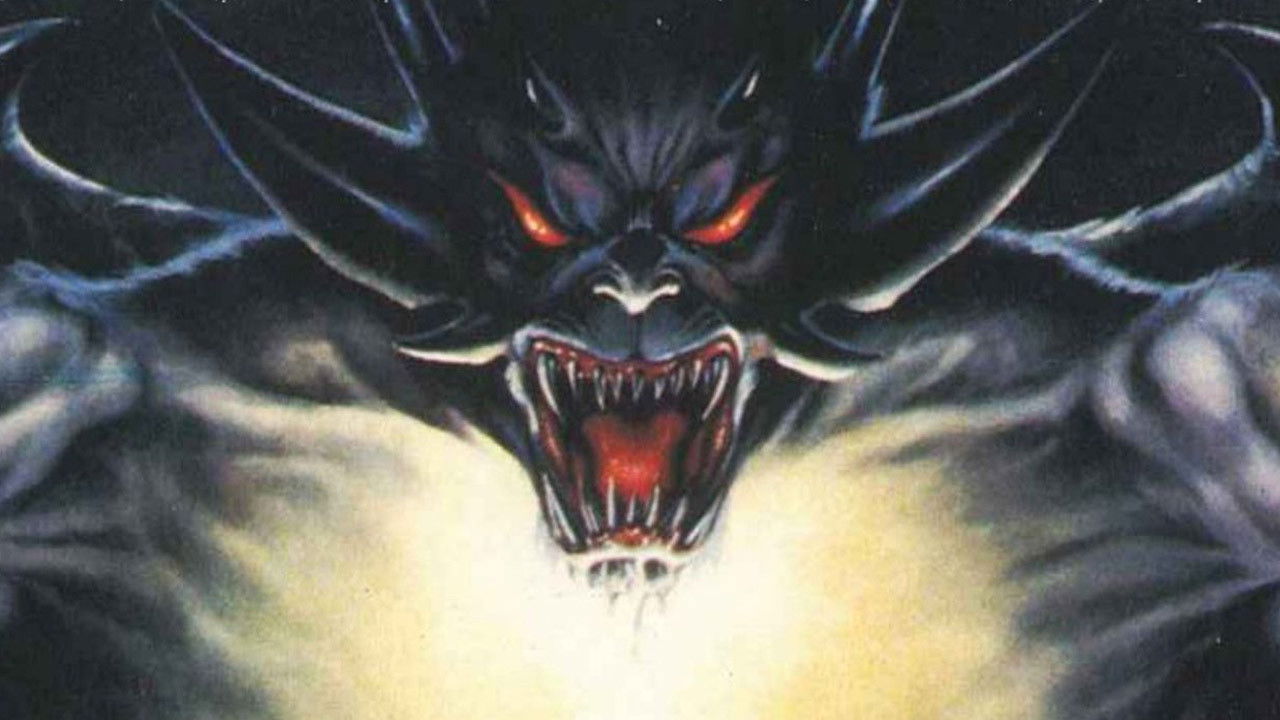
At its core, Urotsukidōji spins a dark fantasy yarn about the imminent arrival of the Chōjin, the legendary Overfiend, prophesied to unite the three realms: the human world, the demon world (Makai), and the world of the half-human, half-beast Man-Beasts (Jūjinkai). Our reluctant guide through this escalating madness is Amano Jyaku (voiced by Tsutomu Kashiwakura), a seemingly lecherous but secretly powerful entity searching for the human destined to become this immensely powerful being before reality unravels. The plot, adapted from the manga by Toshio Maeda, is dense, sometimes convoluted, involving demonic conspiracies, grotesque transformations, and a sense of impending doom that feels genuinely unsettling. But let’s be honest, for many who first encountered this on a grainy VHS, the intricate plot points often took a backseat to the sheer visual spectacle.
An Unflinching Vision, Hand-Drawn and Raw
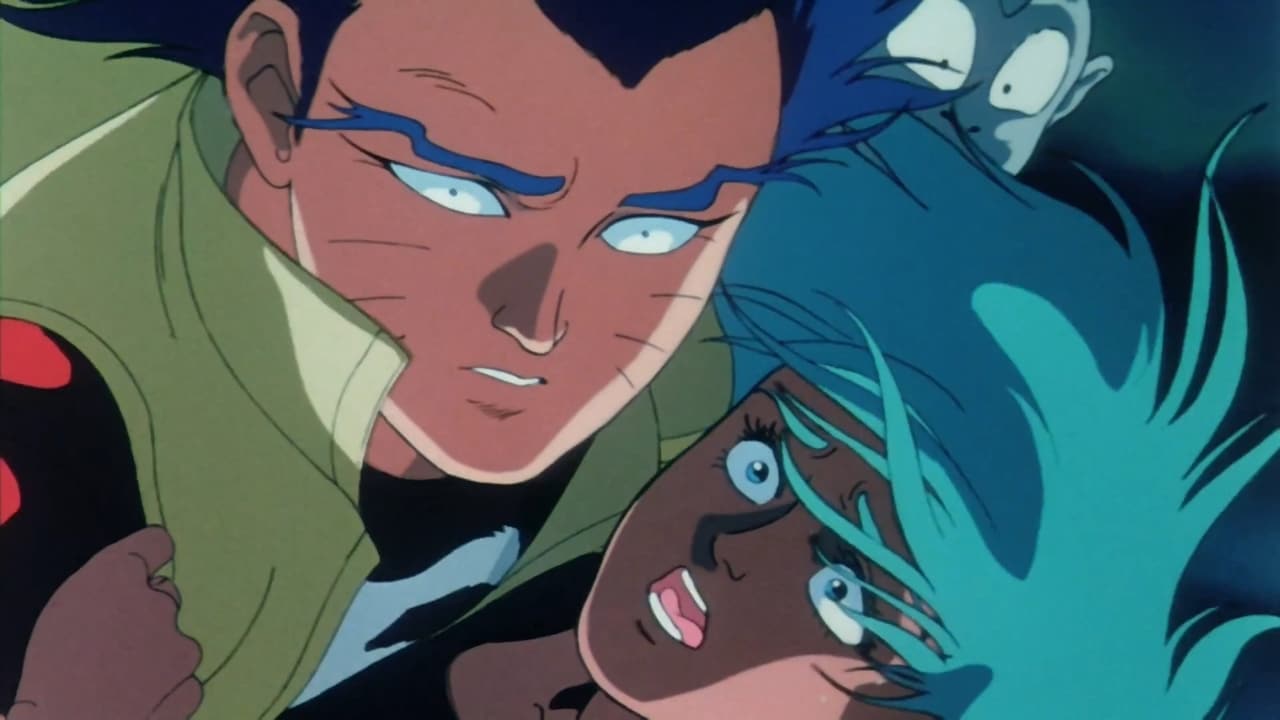
Forget sleek digital perfection. The power of Urotsukidōji on VHS stemmed from its raw, hand-drawn animation delivering imagery that felt viscerally wrong in a way CGI rarely achieves. Directed by Hideki Takayama, the film presents its extreme content without flinching. We're talking about body horror that would make Cronenberg pause, graphic violence that felt startlingly impactful before desensitization truly set in, and, of course, the element that became its calling card: incredibly explicit, often bizarre demonic sexual encounters. Yes, the tentacles. It's impossible to discuss Urotsukidōji without acknowledging its infamous reputation for pioneering (or perhaps unleashing) tentacle erotica upon Western audiences. This wasn't subtle; it was confrontational, designed to shock, and boy, did it succeed. Remember how real those squirming appendages and visceral transformations felt on a flickering CRT screen? It was animation, sure, but it had a tangible, almost grimy weight to it.
Finding an uncut version back in the day was its own quest. The film often circulated in heavily edited forms, particularly in the US and UK, where censors understandably balked at its content. The original Japanese OVA (Original Video Animation) series, from which Legend of the Overfiend was compiled and edited for Western release, was even more extensive. Hearing about the different versions, the rumoured scenes, only added to its mystique – a genuine piece of underground media lore. The fact that it was animated somehow made the transgression feel even starker; these weren't actors covered in prosthetics, but drawings brought to life to depict the unthinkable.
More Than Just Shock Value?
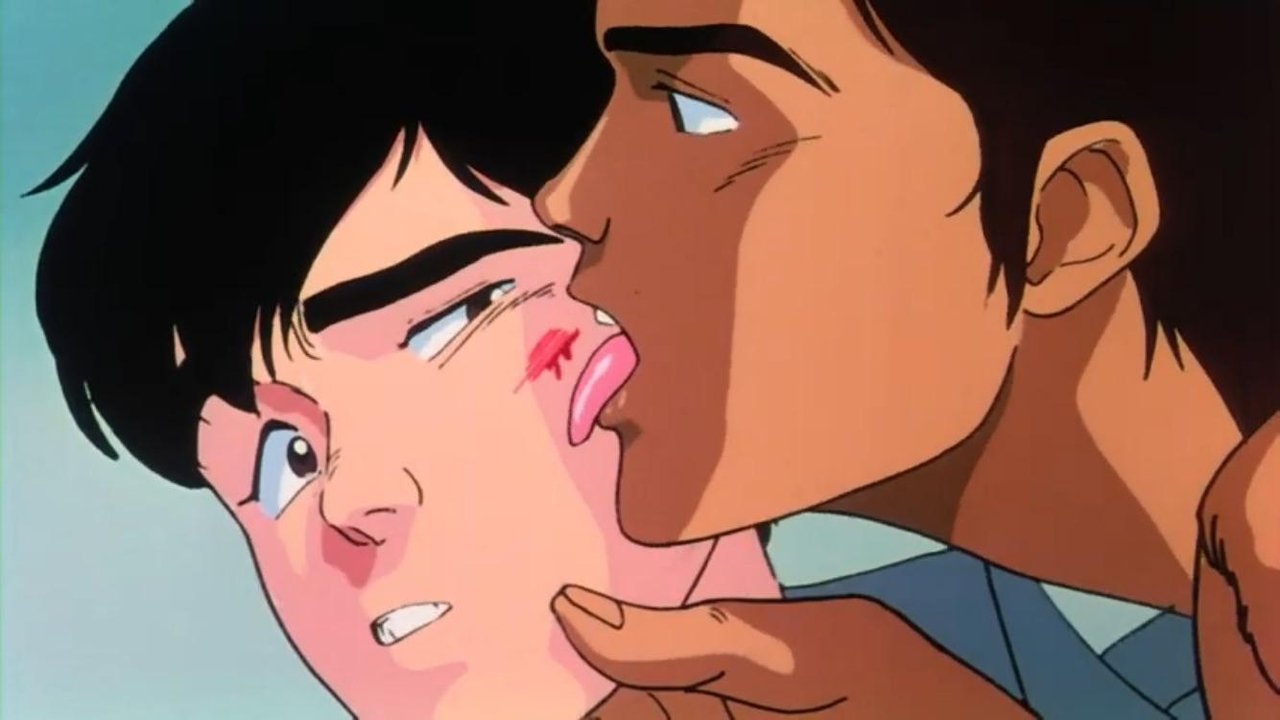
Beneath the layers of extreme imagery, Noboru Aikawa's screenplay (adapting Maeda's work) touches on themes of transformation, societal breakdown, and the thin veil between realities. The characters, like the conflicted Akemi (Mayumi Shō) or the naive Nagumo (Kappei Yamaguchi – yes, the same voice actor who would later bring life to the much lighter characters of Ranma Saotome and Usopp!), are often swept away by forces far beyond their comprehension. It attempts a kind of Gnostic horror mythology, albeit one frequently overshadowed by its most explicit elements. Did it always succeed in its narrative ambitions? Perhaps not. The pacing can be uneven, and the relentless barrage of shocking content can be numbing.
But its impact is undeniable. Urotsukidōji became a cult phenomenon precisely because it was so extreme. It arrived in the West during the late 80s and early 90s anime boom, becoming a controversial figurehead for "adult animation." For some, it was proof that animation could tackle mature (if deeply disturbing) themes; for others, it unfairly painted the entire medium with a brush of perversion and violence. Mainstream critics were often appalled, and bans were common, yet it thrived in the rental market and through word-of-mouth, a testament to its power to provoke a reaction. It definitely wasn't made on a shoestring budget for an OVA of its time, reportedly costing around ¥350 million (roughly $2.5 million USD back then, which would be closer to $6 million today), allowing for its detailed, if often grotesque, animation.
The Verdict
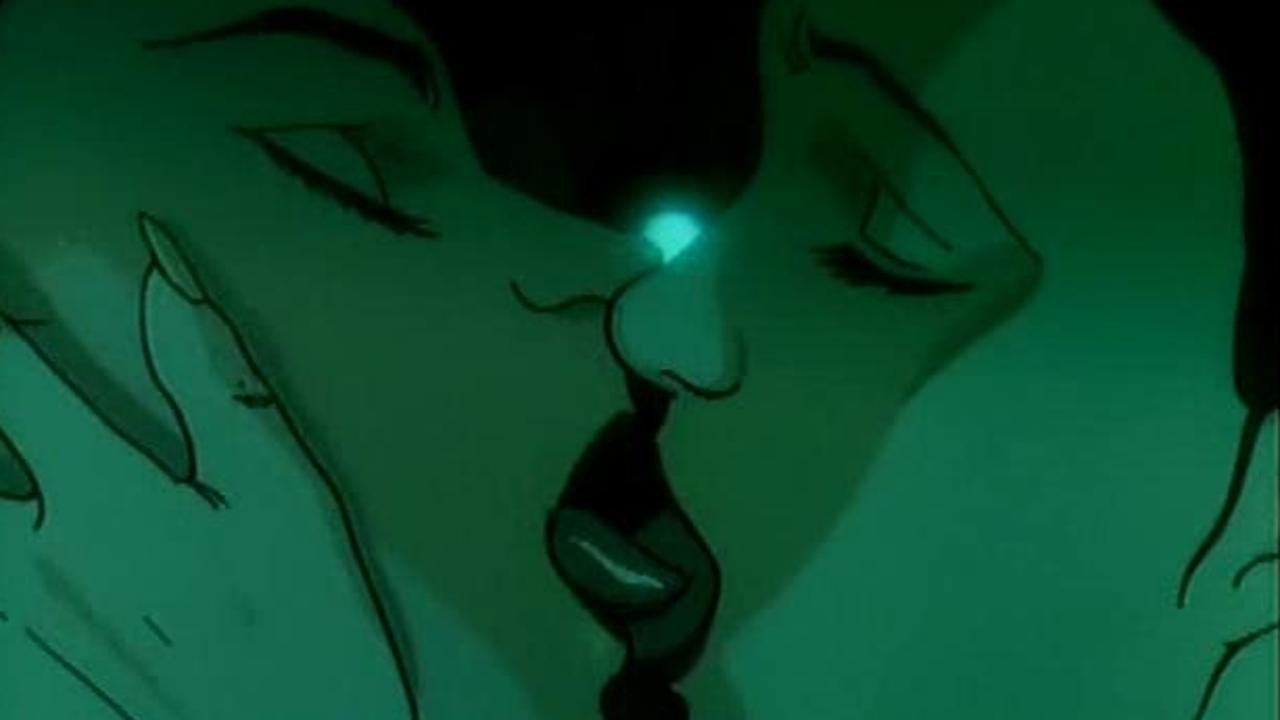
Urotsukidōji: Legend of the Overfiend is not an easy watch, nor is it easily recommended. It's a film that remains deeply problematic and controversial for its explicit content. Yet, viewed through the lens of VHS history, it's a landmark artifact – a transgressive slice of anime horror that shattered boundaries and sparked endless debate. It represents that thrill of finding something truly forbidden, genuinely shocking, on the video store shelf. The hand-drawn mayhem feels uniquely potent, a relic from a time before digital smoothing took the edge off animated horror.
Rating: 6/10 - This score reflects its undeniable historical impact, its cult status, and its technical execution within the context of late 80s OVA production, heavily caveated by its extreme and often deeply unsettling content. It's significant, but definitely not for everyone (or even most people).
Final Thought: It’s a time capsule of animated extremity, a reminder that sometimes the most talked-about tapes weren't the blockbusters, but the bizarre, boundary-pushing nightmares you watched with the curtains drawn and the volume low. Approach with extreme caution, but its place in VHS infamy is secure.