Okay, settle back into that comfy armchair, maybe grab a Jolt Cola if you can still find one – we need to talk about a giant monster comeback that absolutely nobody saw coming, delivered straight to our VCRs in the glorious mid-90s. Forget the slightly goofy, "friend of all children" flying turtle you might dimly remember from grainy Saturday afternoon TV. In 1995, Shusuke Kaneko, a director then perhaps better known for his work on the Death Note films years later, teamed up with writer Kazunori Itō (a name revered by anime fans for Patlabor and Ghost in the Shell), and together they performed cinematic alchemy. They took Gamera, a character often overshadowed by the King of the Monsters, and forged him anew in the fiery spectacle that is Gamera: Guardian of the Universe. This wasn't just a movie; it felt like witnessing a legend being rewritten.
### Not Your Dad's Gamera
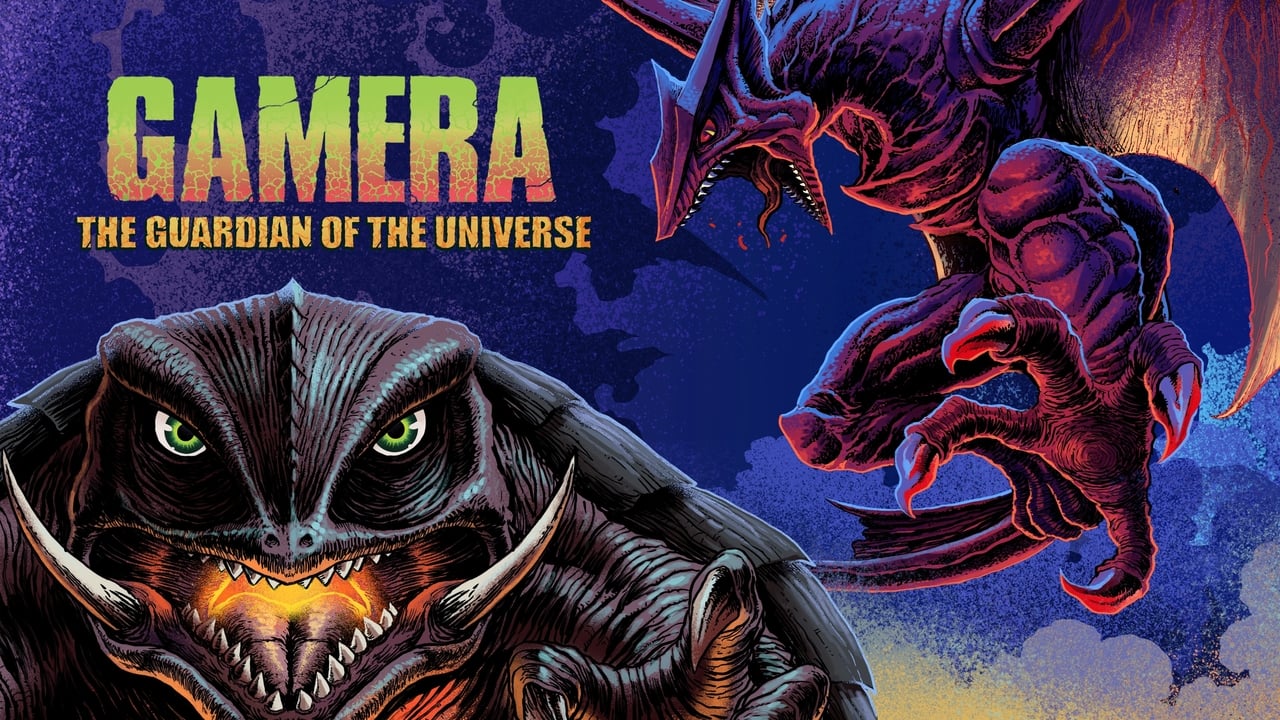
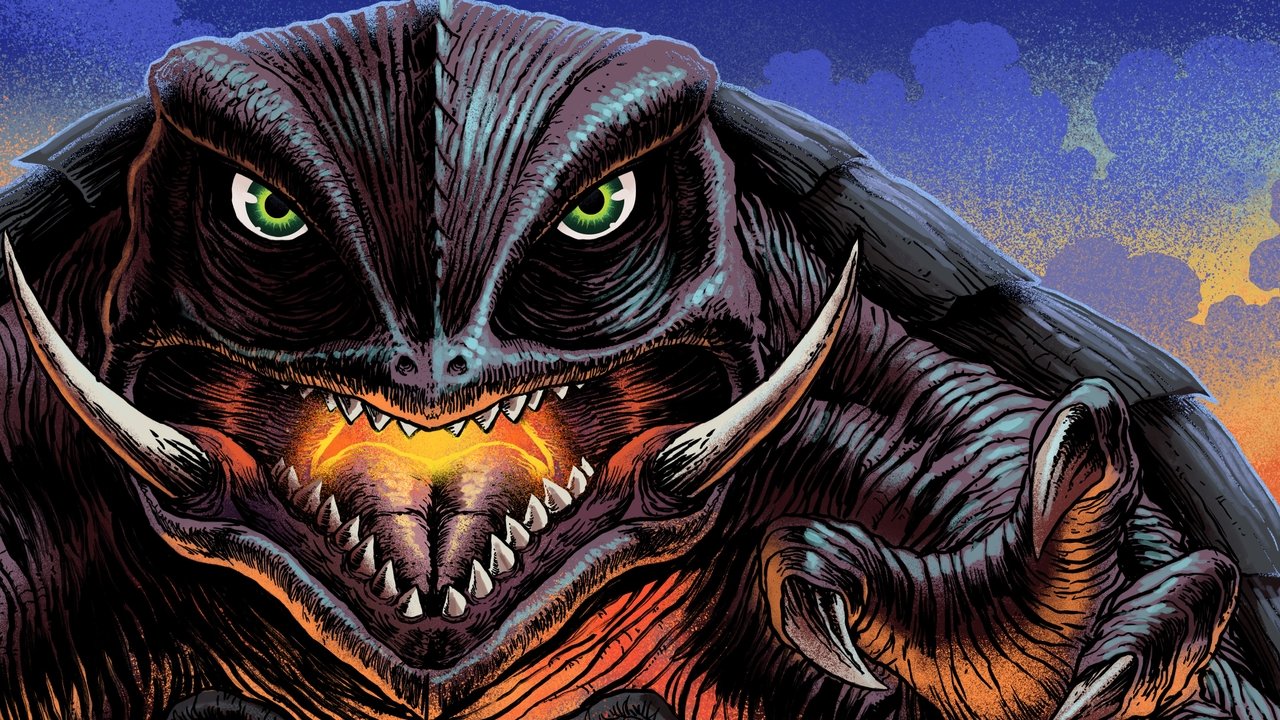
The film wastes no time establishing its more grounded, almost ominous tone. We begin not with cheesy monster intros, but with ecological disasters and mysterious moving atolls. When giant, carnivorous bird-like creatures dubbed "Gyaos" emerge, humanity finds itself terrifyingly outmatched. The sense of scale and threat is palpable from the start. Then, from the depths, rises Gamera – not as a simple protector, but as an ancient, bio-engineered guardian with a design far more imposing and primal than his Showa-era counterpart. The mystery surrounding his Atlantean origins, hinted at through ancient inscriptions and artifacts, adds a layer of intrigue that elevates the film beyond simple monster-mashing. It felt like watching a proper science-fiction thriller that just happened to feature city-stomping titans.
### Heisei Era Heroics on a Budget

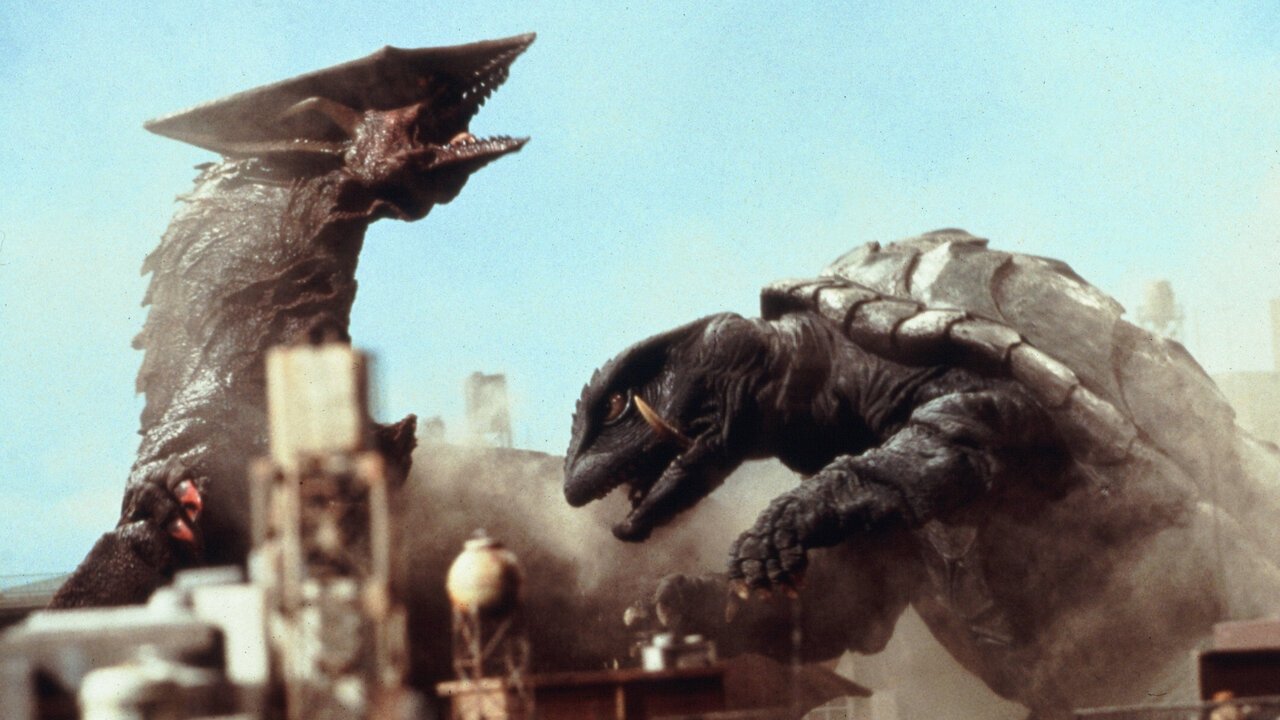
What truly made Gamera: Guardian of the Universe pop out of the tape deck was the sheer quality of its execution, especially considering its relatively modest budget (estimated around $4.5-6 million – peanuts compared to Hollywood blockbusters, but used incredibly effectively). Kaneko directs with a kinetic energy, framing the monster battles with a dynamic flair that makes every impact feel significant. The special effects, a masterful blend of detailed suitmation and intricate miniature work, are simply outstanding for the time. Seeing Gamera unleash his plasma fireballs or the Gyaos slice through buildings with their sonic beams felt genuinely thrilling on our CRT screens. There's a weight and realism to the destruction that many bigger-budget films struggled to achieve. This wasn't just guys in rubber suits bumping into cardboard boxes; it was carefully choreographed chaos that sold the immense power of these creatures. You could almost feel the rumble through the living room floor.
### Grounding the Colossal
While the monsters are the main draw, the human cast does a commendable job of anchoring the story. Tsuyoshi Ihara plays the pragmatic marine officer trying to make sense of the escalating crisis, while Akira Onodera portrays the skeptical police inspector. Perhaps most pivotal is Shinobu Nakayama as Asagi Kusanagi, an ornithologist's daughter who forms a psychic link with Gamera via an ancient amulet. This connection provides not only crucial exposition but also an emotional core to the narrative, allowing us glimpses into Gamera's purpose and even his pain. It’s a plot device that could easily feel contrived, but here it works, adding a unique dimension to the human-kaiju relationship that sets it apart from many Godzilla entries of the era. It made Gamera feel less like a force of nature and more like a character we could actually root for on a personal level.
### Retro Fun Facts: Reviving a Legend
- The Comeback Kid: This film resurrected Gamera after a 15-year hiatus following the widely panned Gamera: Super Monster (1980), a film cobbled together mostly from stock footage. The contrast couldn't be starker.
- Critical Darling: Against expectations, Guardian of the Universe was met with significant critical acclaim, praised for its intelligent script, strong direction, and impressive effects. It proved kaiju films could be smart and thrilling. Current scores like IMDb's 7.0 and Rotten Tomatoes' 86% reflect its enduring quality.
- Trilogy Triumph: This film kicked off what is now known as the Heisei Gamera trilogy, followed by the equally brilliant Gamera 2: Attack of Legion (1996) and the darker, stunning Gamera 3: Revenge of Iris (1999). Many fans consider this trilogy the absolute pinnacle of the entire kaiju genre. Kaneko and Itō remained the creative force throughout.
- Design Detail: Gamera's roar was created by mixing sounds from various animals, including elephants and lions, contributing to his more formidable presence.
### A Guardian Worth Remembering
Gamera: Guardian of the Universe isn't just a great Gamera movie; it's a fantastic kaiju film, period. It successfully rebooted a character many had written off, injecting the genre with fresh energy, intelligent storytelling, and genuinely exciting action. The practical effects hold up remarkably well, serving as a testament to the artistry of Japanese suitmation and miniature work in the 90s. Watching it again evokes that specific thrill of discovering a hidden gem at the video store – something familiar, yet surprisingly sophisticated and incredibly cool. It reminded us that giant monster movies could be more than just spectacle; they could be compelling cinema.
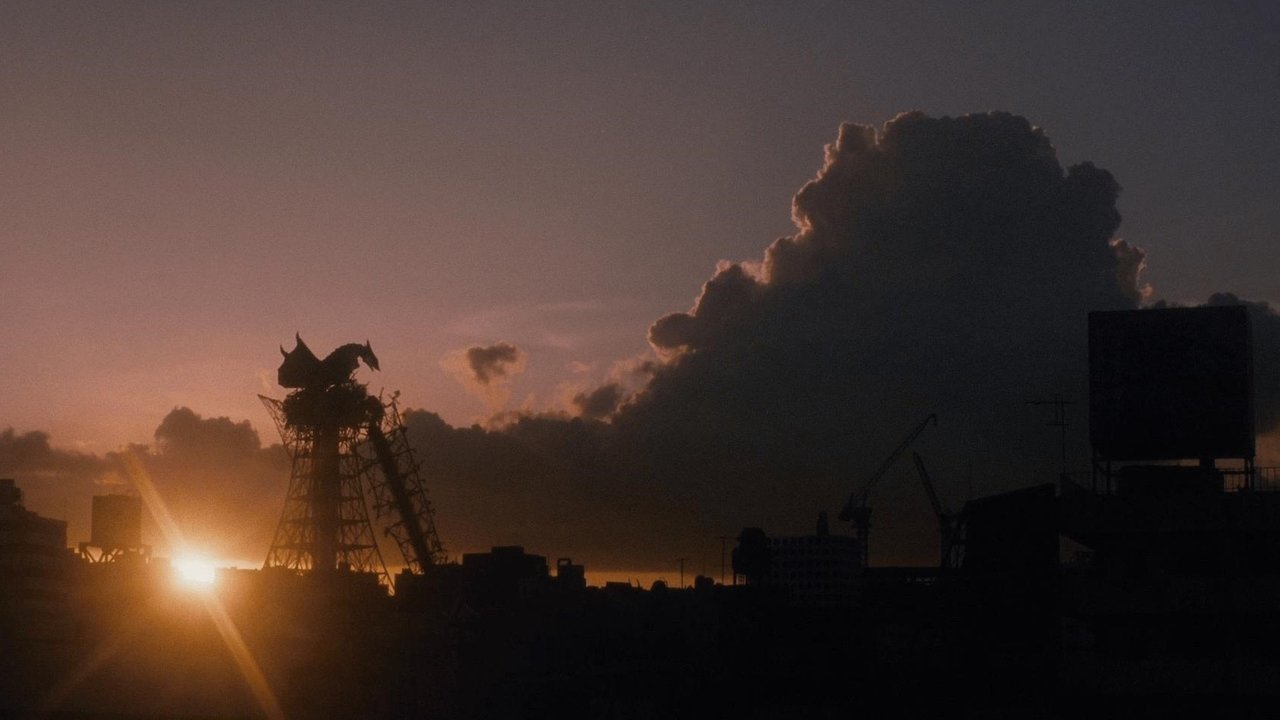
Rating: 9/10
This rating reflects the film's incredible success as a reboot, its smart script, Kaneko's dynamic direction, the outstanding practical effects achieved on its budget, and its crucial role in launching one of the most beloved trilogies in kaiju history. It took Gamera seriously, and the result was spectacular.
For anyone whose VHS memories lean towards city-wide destruction and epic creature battles, Gamera: Guardian of the Universe remains an absolute essential – proof that even giant turtles can have a truly awesome renaissance.