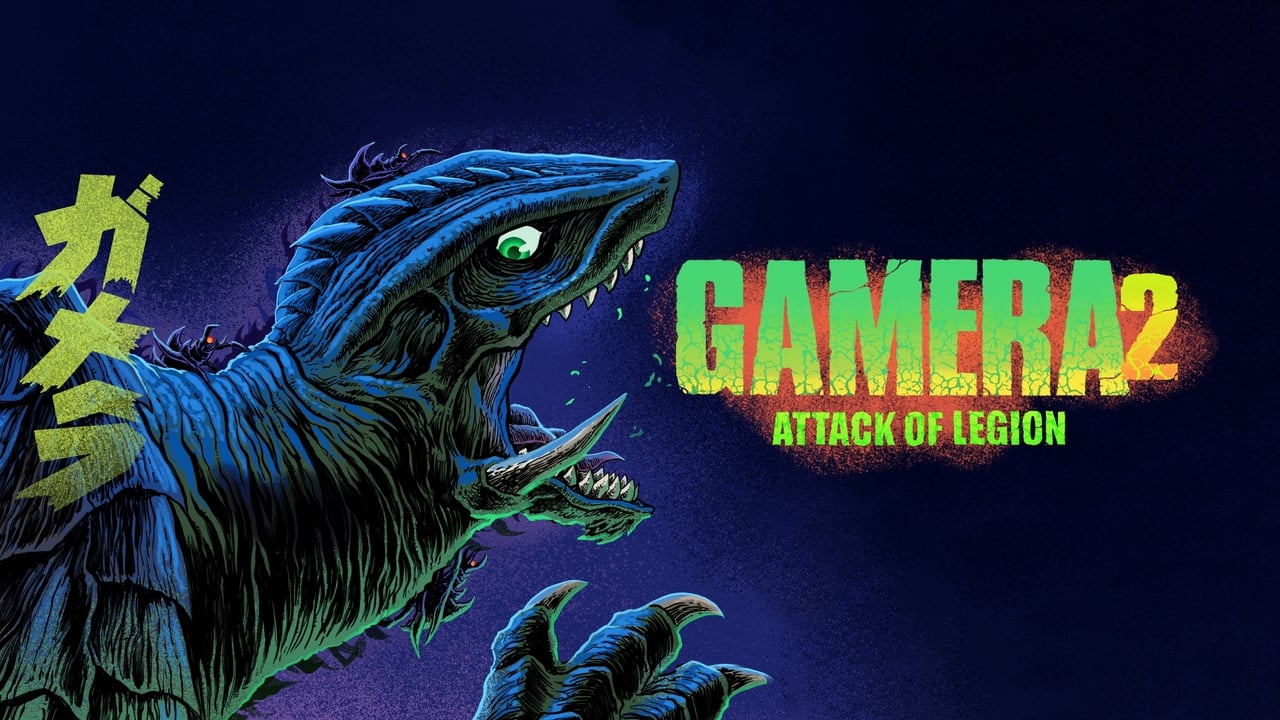
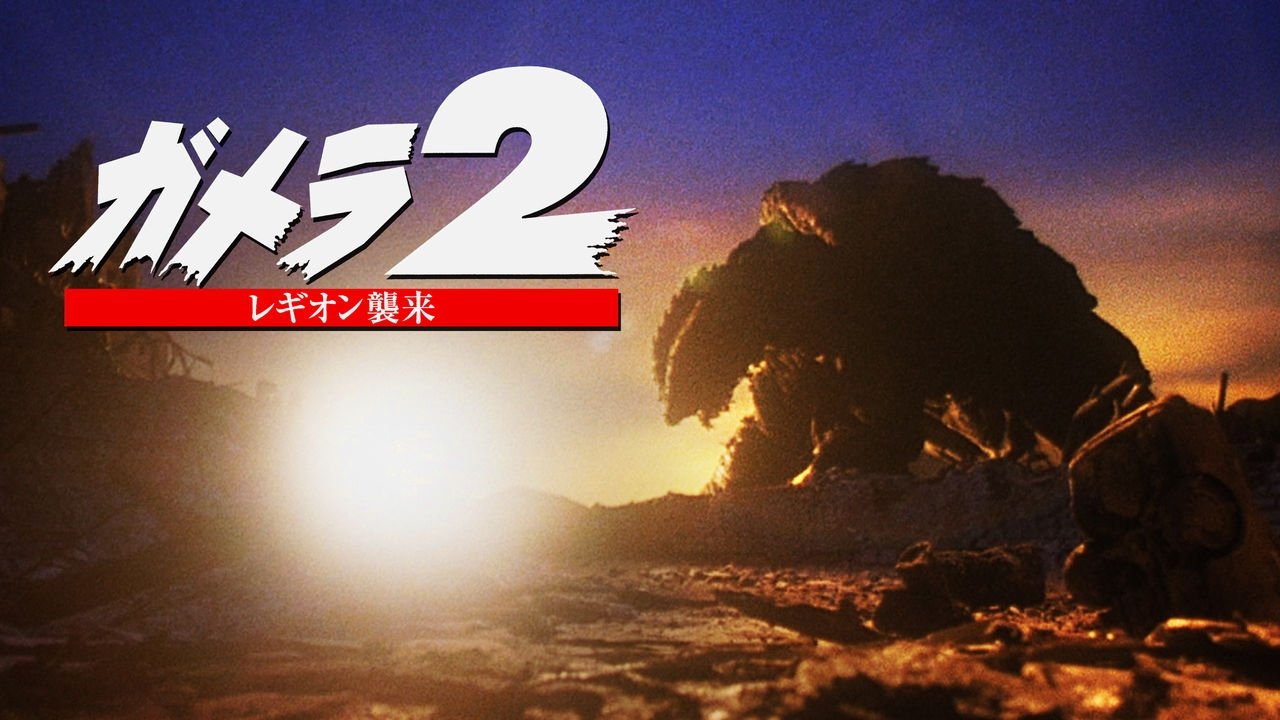
There’s a chill that settles deep in the bones when watching Gamera 2: Attack of Legion. Not just the flickering cathode ray glow of a late-night viewing, but something colder, more alien. It starts subtly: a meteor shower, strange electromagnetic interference disrupting Sapporo, glass mysteriously imploding. Then, the silence breaks. It’s not the roar of a familiar foe, but the skittering, chittering arrival of something utterly other, burrowing out from the city's underbelly. This wasn't just another monster mash-up; this felt different, darker.
An Invasion, Not Just an Attack
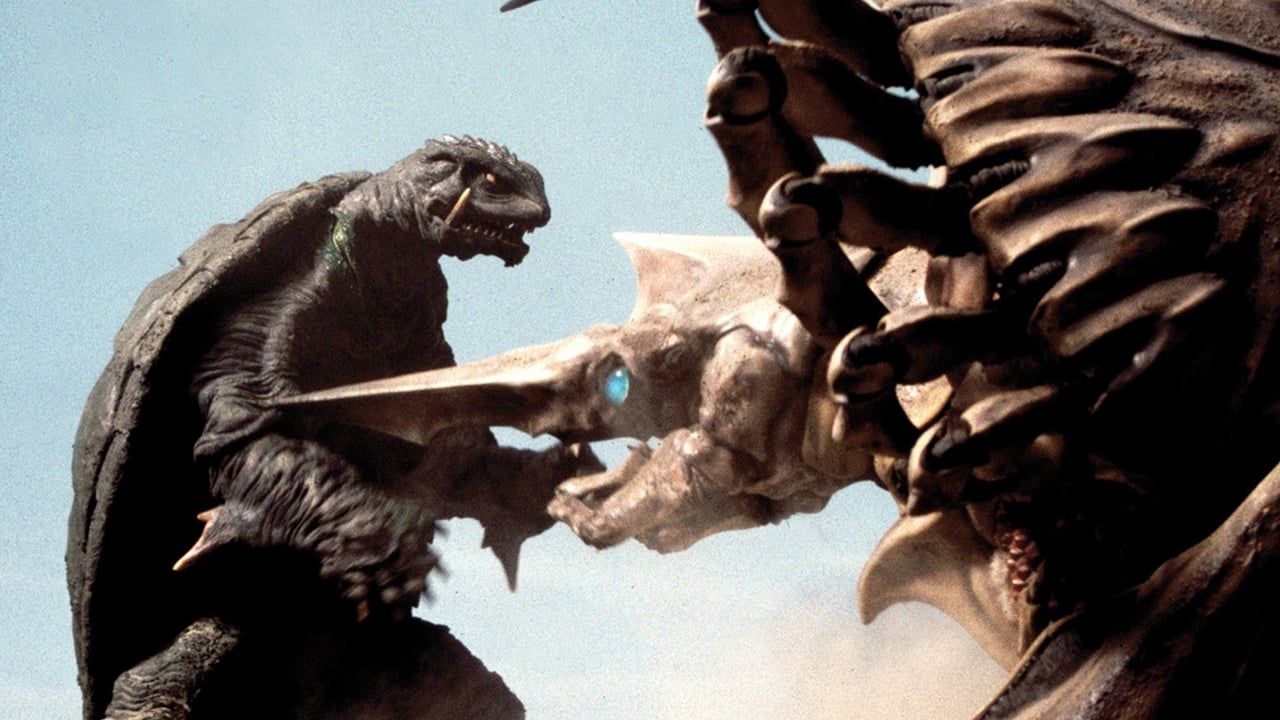
Released in 1996, Shusuke Kaneko’s follow-up to the already impressive Gamera: Guardian of the Universe (1995) didn't just raise the stakes; it plunged them into a chilling abyss of sci-fi horror seamlessly blended with explosive Kaiju action. Working again with screenwriter Kazunori Itō (whose pedigree includes Ghost in the Shell), Kaneko crafted a narrative that felt disturbingly plausible, grounding its extraterrestrial threat in believable consequences. The initial emergence of the Symbiotic Legion – those man-sized, insectoid drones – is pure nightmare fuel. Their relentless, swarming attacks in the claustrophobic confines of the Sapporo subway recall scenes from Aliens, amplified by disturbingly effective practical effects and puppetry that hold up remarkably well. Remember seeing those things scuttle across the screen for the first time? That unsettling bio-mechanical design still crawls under the skin.
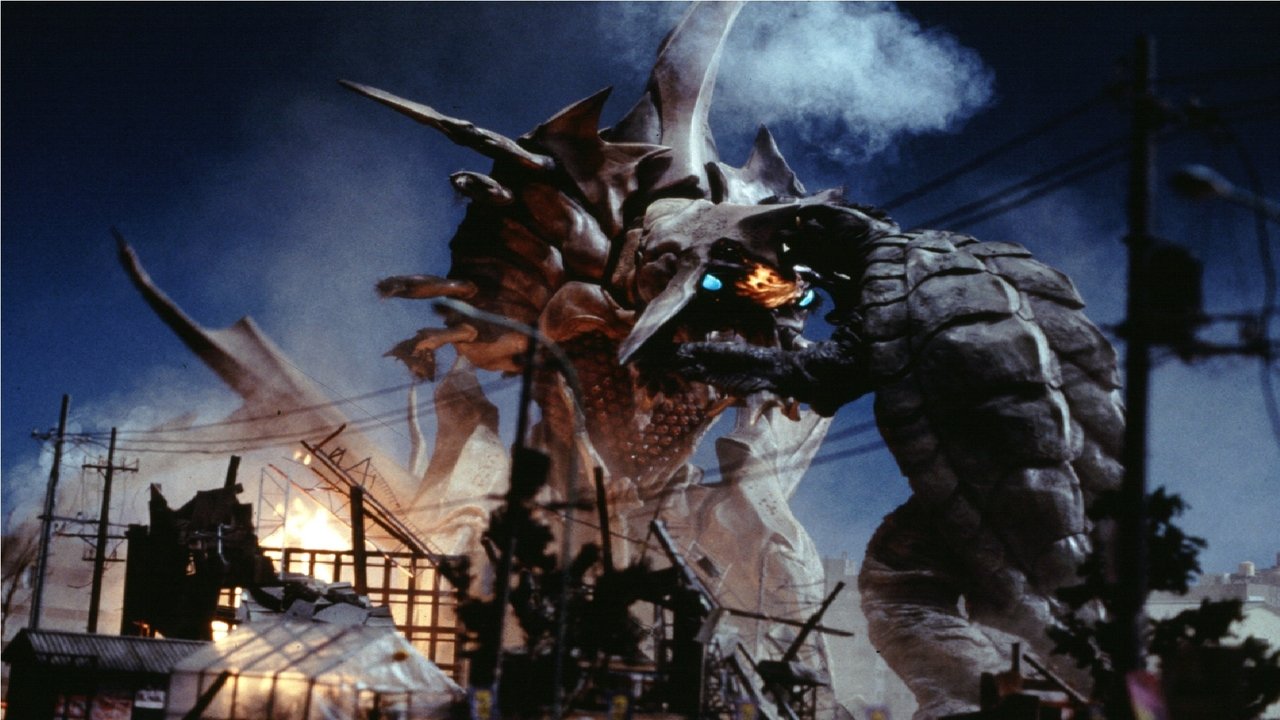
The true terror, however, lies in the scale and intelligence of the threat. Legion isn't just a single entity; it's an ecosystem, a silicon-based lifeform propagating via a colossal, city-destroying bio-engineered flower designed to launch its seed into space. The sheer biological horror of this concept, combined with the chillingly logical way the creatures operate – neutralizing electronic threats, adapting their strategies – lends the film an unusual weight. The design of the massive Legion Queen herself is a triumph of 90s practical effects: a terrifying, multi-limbed behemoth bristling with energy weapons and an unnerving, almost impassive alienness. Rumor has it the complexity of the Queen suit and the numerous smaller Legion puppets pushed the effects team at Nikkatsu Studios to their limits, resulting in some truly groundbreaking (for the time) sequences.
Grounded Chaos
What truly sets Gamera 2 apart, especially within the Kaiju genre of the mid-90s, is its commitment to a grounded human perspective and a realistic portrayal of military engagement. Colonel Watarase (Toshiyuki Nagashima) leads the Japan Self-Defense Forces (JSDF) response, coordinating tanks, helicopters, and missile strikes with a tactical seriousness rarely seen in these films. Kaneko famously secured unprecedented cooperation from the actual JSDF, allowing for authentic equipment and personnel to be featured, adding a layer of verisimilitude that makes the fantastical elements hit even harder. We see the devastating impact of the Legion flower blooming over Sendai, the desperate evacuation efforts, and the very real collateral damage of the ensuing battles. Miki Mizuno as NTT science officer Midori Honami provides the crucial scientific exposition, unraveling the nature of the Legion threat, but she's never just a damsel in distress; she's actively involved in finding solutions. Reportedly, Mizuno, known for her action roles later in her career, brought a physical commitment even to this earlier role.
The Guardian's Stand
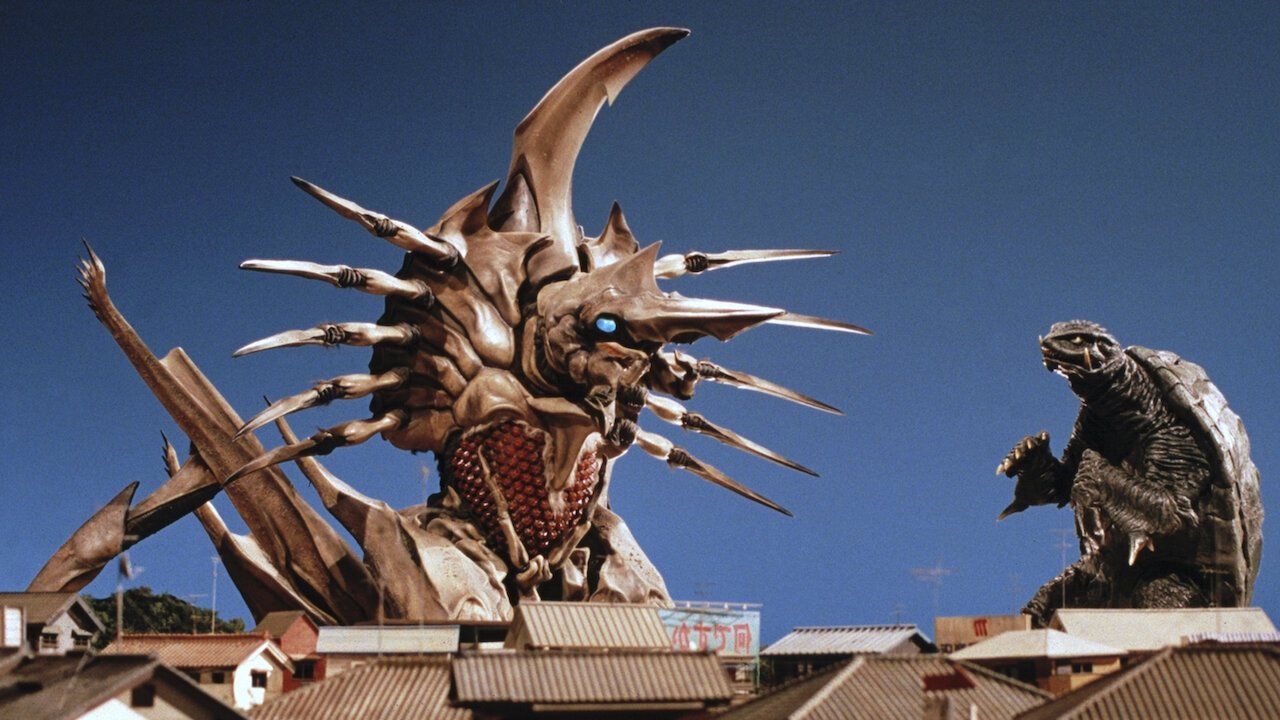
And then there’s Gamera. Our heroic turtle returns, but this isn't the almost invincible guardian of the previous film. He's immediately challenged, facing an enemy unlike any he's encountered. The battles are brutal, visceral affairs. Gamera is swarmed, impaled, and faces overwhelming firepower from the Legion Queen. The suitmation, helmed by veteran suit actor Naoaki Manabe (who played Gamera throughout the trilogy), conveys a sense of weight and power, but also vulnerability. You feel every blow Gamera takes. The film masterfully blends suit work with miniatures and burgeoning CGI (particularly for energy effects and atmospheric elements) to create sequences like the Sendai showdown that still feel epic. The sense of scale is immense, the destruction palpable. This was Kaiju action treated with the gravity of a war film. The effects budget, while modest compared to Hollywood blockbusters (around ¥600 million, roughly $5.5 million USD back then), was stretched incredibly far, delivering spectacle that put many contemporaries to shame.
A Chilling Legacy
Gamera 2 isn't just noise and fury, though. Kow Otani's score is exceptional, shifting from militaristic bombast during JSDF engagements to eerie, atmospheric dread when focusing on the Legion, perfectly complementing Kaneko’s tense direction. The film understands the power of silence and anticipation, making the eventual Kaiju smackdowns even more impactful. It explores themes of symbiosis, the cost of protection, and humanity's place in a potentially hostile universe, elevating it beyond simple monster fare. It wasn't a massive box office smash (grossing around ¥700 million domestically), but its critical reception was stellar, cementing the Heisei Gamera trilogy's reputation among fans and critics alike. Its influence can be seen in later Kaiju films striving for a similar blend of serious tone and high-stakes action. It paved the way perfectly for the even darker, more complex conclusion, Gamera 3: Revenge of Iris (1999).
My own well-worn VHS tape of this, probably recorded off a late-night TV broadcast, got countless plays. Even through the tracking fuzz and muffled speaker sound, the power of those practical effects, the unsettling design of Legion, and the sheer ferocity of the battles shone through. Seeing it again sharpens that memory – it wasn't just cool monsters; it was genuinely gripping filmmaking.
Rating: 9/10
This score reflects the film's stunning achievement within its genre and era. Gamera 2: Attack of Legion delivered (and still delivers) intense, intelligent Kaiju action, groundbreaking practical effects for its time, a genuinely unsettling villain, and a surprisingly grounded human element. It avoids the camp that often plagued the genre, opting for a serious, atmospheric tone that blends sci-fi horror with military action effectively. While some minor dated elements exist, its strengths overwhelmingly outweigh them.
Gamera 2: Attack of Legion remains a high watermark for 90s Kaiju cinema and arguably the pinnacle of the entire Gamera franchise. It proved that giant monster movies could be thrilling, terrifying, and thoughtful all at once, leaving a chill that lingers long after the credits roll – a truly standout gem from the shelves of VHS Heaven.