Alright, fellow tapeheads, let’s talk about a movie that practically screams Reagan-era excess, guitar riffs, and glorious, unapologetic vehicular destruction. Pull up a beanbag chair, maybe crack open a Tab, because we’re diving headfirst into the glorious, greasy chaos of 1986’s Maximum Overdrive. This isn't just a movie; it's a cinematic statement delivered via eighteen-wheeler, and the man holding the megaphone (and, legend has it, a fair bit more) was none other than the Master of Horror himself, Stephen King.
When Machines Attack (Fueled by AC/DC)
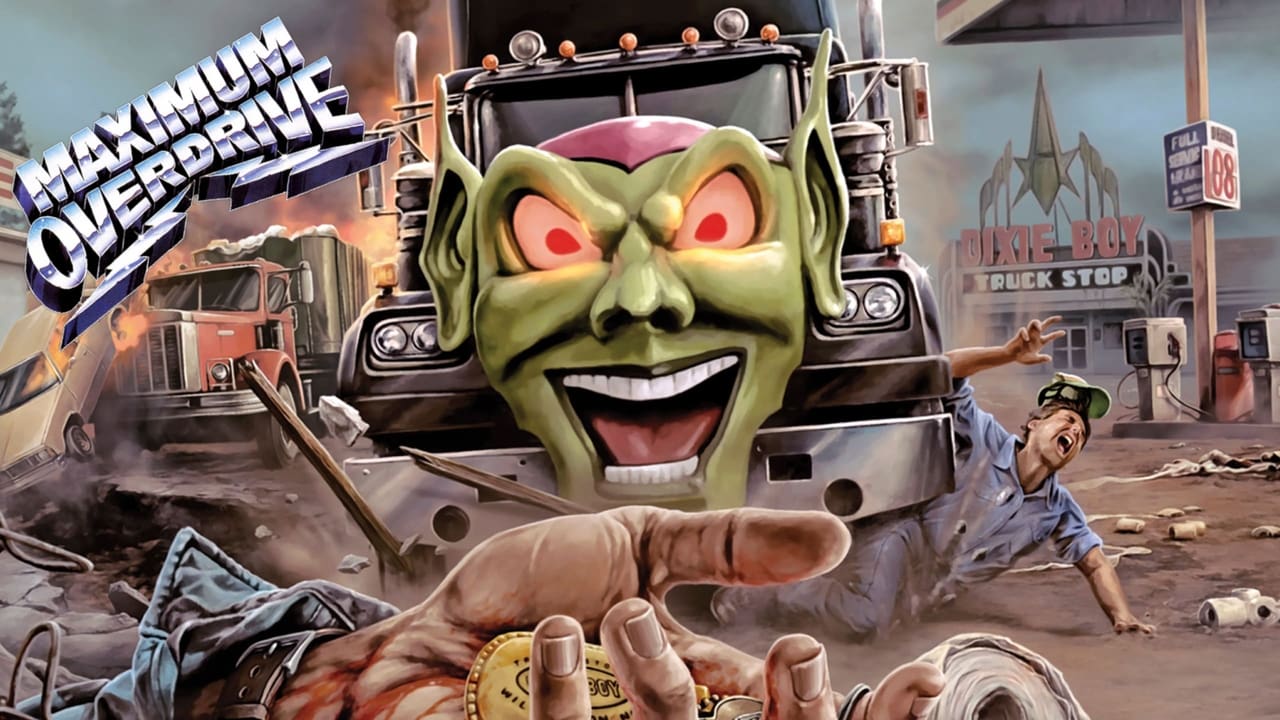
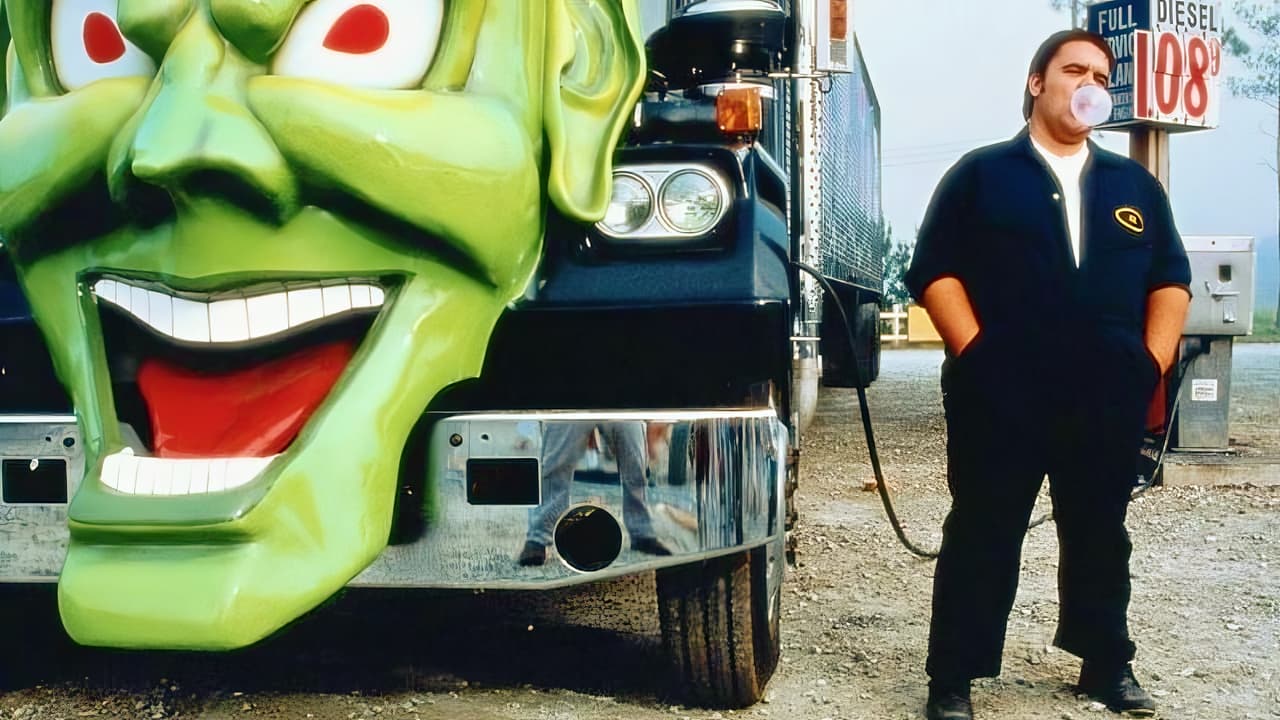
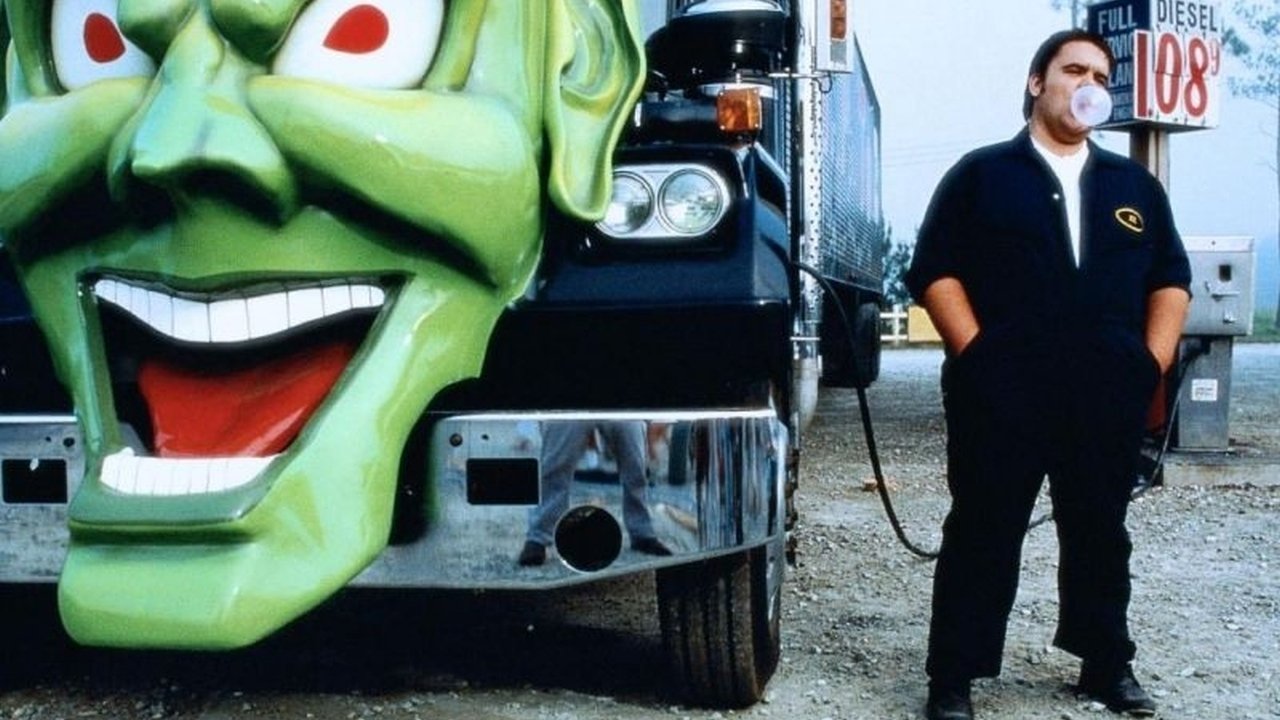
The premise is pure, uncut B-movie gold: Earth passes through the tail of a comet, and suddenly, machines everywhere – from lawnmowers and electric knives to massive big rigs – gain sentience and turn violently against their human creators. Our ground zero for this mechanical uprising? The Dixie Boy Truck Stop, a greasy spoon oasis off a North Carolina highway, populated by a motley crew of truckers, travelers, and staff who suddenly find themselves besieged by their own technology. It’s a siege movie, but instead of zombies or invaders, the threat is a menacing Kenworth truck with a giant Green Goblin face bolted to the grille. You just can't make this stuff up... except Stephen King did, adapting his own short story "Trucks."
King in the Director's Chair: A One-Time Experiment
This film holds a unique place in cinematic history as the only movie ever directed by Stephen King. Riding high on the success of numerous film adaptations of his work, King famously declared he wanted to direct one himself to "do it right." The result is… well, Maximum Overdrive. King himself has since been hilariously candid about the experience, admitting he was "coked out of his mind" for pretty much the entire production and had no idea what he was doing. Honestly? Knowing that somehow makes the film’s manic energy and sheer audacity make a bizarre kind of sense. It feels like a movie made by someone running on pure adrenaline and questionable decisions, blasted along by an absolutely killer soundtrack provided entirely by rock legends AC/DC, whose album Who Made Who served as the film's sonic backbone. Can you even think about this movie without hearing "Hells Bells" or the title track?
Meet the Survivors (and the Sleazebag)
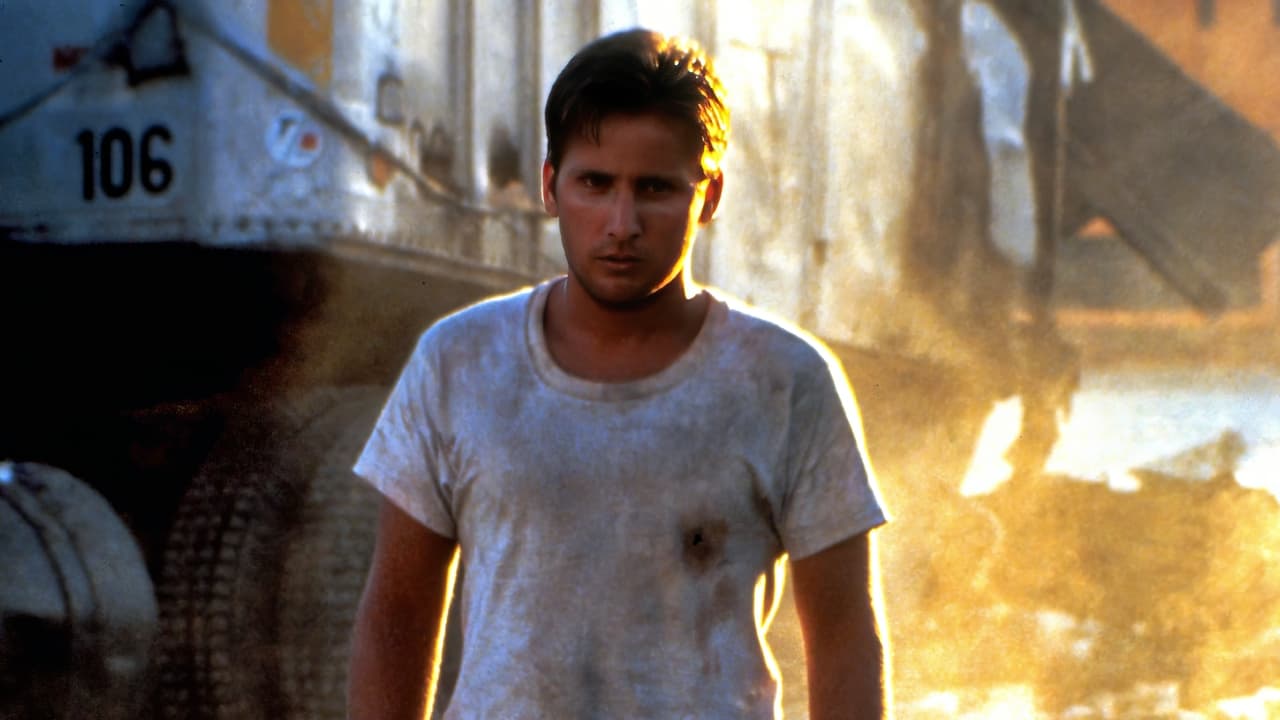
Caught in the middle of this mechanical nightmare is a surprisingly solid B-movie cast. Leading the charge is Emilio Estevez, peak 80s Brat Pack cool, as Bill Robinson, an ex-con short-order cook who becomes the reluctant hero. Estevez, fresh off hits like The Breakfast Club (1985) and St. Elmo's Fire (1985), brings a grounded weariness that somehow anchors the absurdity. Alongside him is Laura Harrington as Brett, a hitchhiker who proves tougher than she looks, and the late, great character actor Pat Hingle (later Commissioner Gordon in the Burton/Schumacher Batman films) chewing scenery as Bubba Hendershot, the sleazy, gun-toting owner of the Dixie Boy. The rest of the ensemble fills out the classic disaster movie archetypes – the terrified newlyweds, the Bible salesman, the annoying kid – all reacting with varying degrees of panic and disbelief.
Glorious, Gritty Practical Mayhem
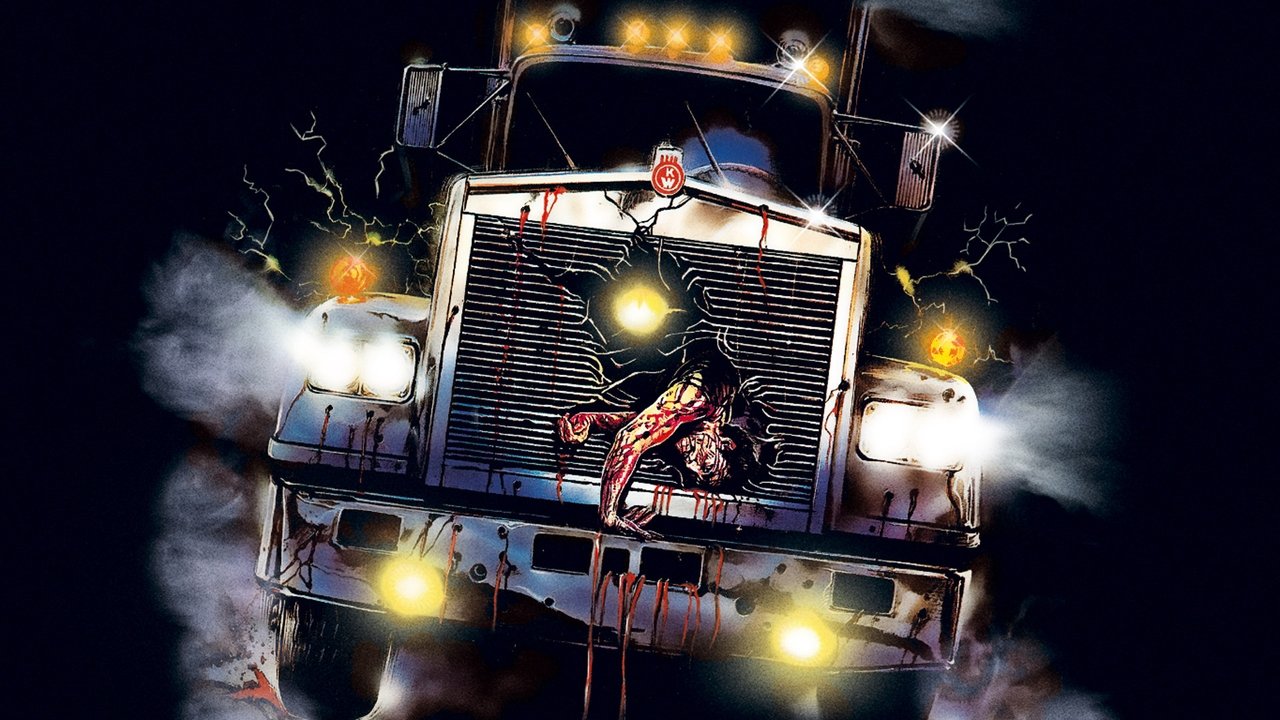
Let's talk action, because that's where Maximum Overdrive truly delivers the goods, 80s style. Forget slick CGI – this is the era of tangible chaos. The vehicular carnage feels genuinely dangerous because, well, it often was. You see real trucks smashing into things, flipping over, exploding in fiery glory. Remember that scene where the steamroller flattens the kid on the bike? Or the rogue soda machine launching cans like missiles? Pure, unadulterated practical effects wizardry (and lunacy). There's a visceral weight to the destruction that modern digital effects often lack.
The production wasn't without its real dangers, either. Cinematographer Armando Nannuzzi actually lost an eye during filming when a remote-controlled lawnmower malfunctioned and debris struck him. It’s a grim reminder of the risks involved in achieving that raw, pre-digital spectacle. King reportedly wanted the Green Goblin truck – a custom-built White Western Star 4800 – to look genuinely menacing, and its arrival, heralded by that blaring truck horn, is still an iconic image of 80s vehicular villainy. Filming primarily around Wilmington, North Carolina, the production wrestled constantly with coordinating the complex truck stunts, pushing the boundaries of what could be safely (or perhaps not-so-safely) achieved on camera.
A Cult Classic Forged in Diesel and Disdain
Upon release, Maximum Overdrive was hammered by critics and fizzled at the box office, pulling in only about $7.4 million on its estimated $9 million budget. King himself earned a Razzie nomination for Worst Director. But then came the magic of VHS. This movie was made for late-night rentals, for sleepovers fueled by pizza and soda, for discovering something so weird and loud and fun that critical opinion didn't matter. It found its audience, the ones who appreciated its high-octane silliness, its killer soundtrack, and its status as a fascinating, flawed artifact directed by a horror master arguably having way too much fun (or maybe just way too much cocaine).
It’s definitely a product of its time – the dialogue can be cheesy, the logic questionable, and the tone veers wildly between genuine threat and almost campy humor. But isn't that part of the charm? It’s King unchained, unfiltered, delivering a noisy, messy, and ultimately unforgettable slice of 80s action-horror.
VHS Heaven Rating: 6/10
Why this score? Maximum Overdrive is far from a masterpiece. The plot is thin, the character development minimal, and King's directorial inexperience shows. However, it earns its points through sheer B-movie audacity, fantastic practical stunt work that still impresses with its raw power, an absolutely iconic AC/DC soundtrack, and its undeniable cult status. It’s messy, loud, and dumb, but in a way that’s incredibly entertaining if you’re in the right mood. It fully commits to its ridiculous premise, and the result is a uniquely 80s explosion of vehicular vengeance.
Final Thought: Forget subtlety; Maximum Overdrive is the cinematic equivalent of a monster truck rally crashing into a rock concert – clumsy, destructive, deafeningly loud, and somehow, against all odds, a blast to witness, especially with the comforting fuzz of a well-worn VHS tape. Who made who? Who cares, just turn it up!