Okay, fellow tapeheads, buckle up for a wild ride straight outta the Turkish video rental aisles of 1987. You know those moments when you’d grab a VHS box purely based on some bonkers cover art or a premise that sounded too strange to be true? That’s the exact energy surrounding Kartal Tibet’s Japon İşi (literally "Japanese Job" or "Japanese Affair"). This isn't your typical Hollywood fare; it's a distinctly Turkish concoction blending broad comedy, heartfelt romance, and a dash of utterly charming, low-budget 80s sci-fi.

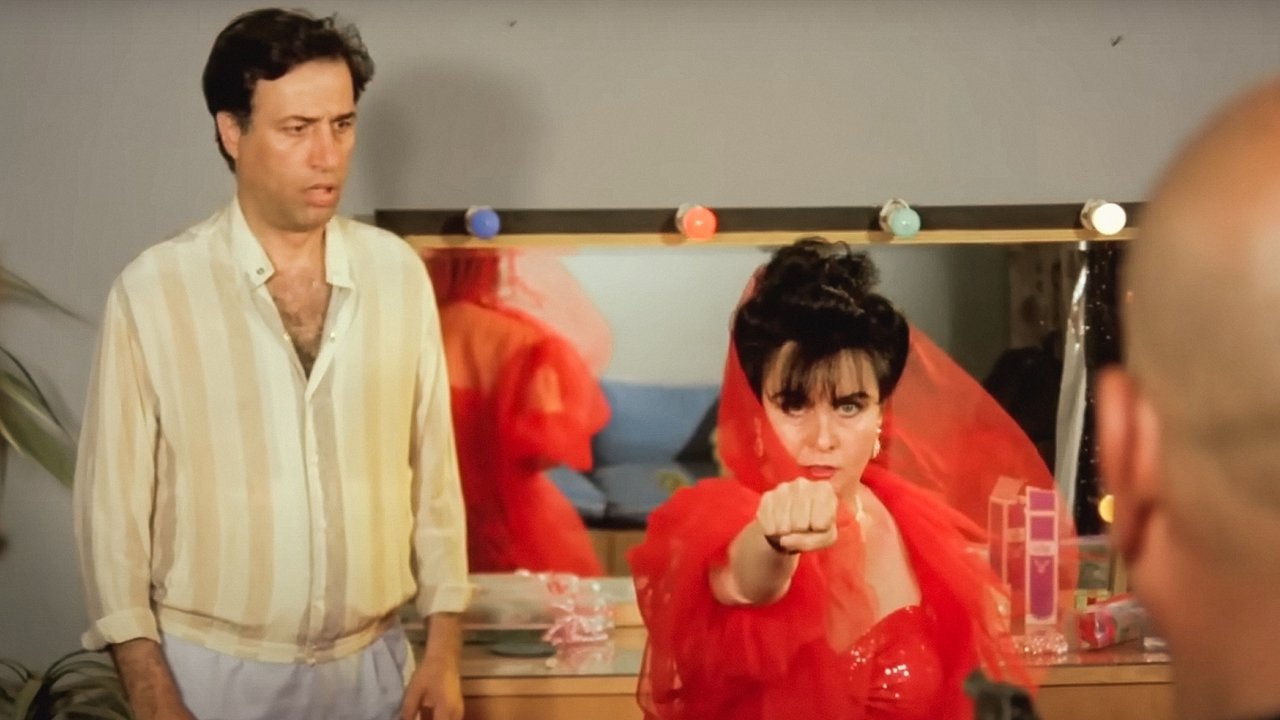
Imagine this: Veysel, played by the absolute legend of Turkish comedy, Kemal Sunal, is a sweet but perpetually down-on-his-luck guy working at a nightclub. He's hopelessly smitten with the club's star singer, Başak (Fatma Girik), who barely knows he exists. After yet another rejection, a mysterious Japanese salesman (yes, really) offers him a solution – a custom-made, life-sized robot duplicate of Başak. What could possibly go wrong? Everything, naturally, and that's where the fun begins.
### The Unmistakable Charm of Kemal Sunal
If you’re not familiar with Kemal Sunal, picture a blend of Charlie Chaplin's pathos, Buster Keaton's physical comedy, and maybe a touch of Peter Sellers' knack for inhabiting hapless characters. He was a cinematic giant in Turkey, beloved for his portrayals of the "little man" navigating absurd situations. In Japon İşi, Sunal is in top form. His Veysel is instantly sympathetic – all awkward gestures, hopeful eyes, and disastrous attempts at wooing. His reactions to the increasingly bizarre events unfolding around his robotic girlfriend are pure comedic gold. Retro Fun Fact: Sunal starred in dozens of films throughout the 70s and 80s, often directed by Kartal Tibet (himself a former actor) and written by Erdoğan Tünaş, forming a trio that churned out hit after hit, defining Turkish popular cinema for a generation. They knew exactly how to play to Sunal's strengths.
### Robot Dreams on a VHS Budget
Let's talk about the "sci-fi" element – the robot Başak. Forget slick CGI; this is glorious 80s practical magic. The film relies entirely on the talented Fatma Girik playing both the human singer and her robotic counterpart. How did they pull it off back then? Think clever editing, careful camera placement, maybe some classic split-screen trickery that feels delightfully tangible today. Girik, a highly respected dramatic actress in Turkish cinema, does a fantastic job differentiating the two roles – the warm, if somewhat dismissive, human Başak versus the initially stiff, literal-minded robot who gradually learns… or does she? Retro Fun Fact: Girik taking on this dual role in a lighthearted comedy was quite a departure, showcasing her versatility beyond the powerful dramas she was famous for. The effect might seem simple now, but it’s part of the film’s undeniable, handcrafted charm. There’s a genuine warmth to these effects that modern blockbusters sometimes lack.
### When Worlds (and Genres) Collide


Kartal Tibet keeps things moving at a brisk pace, blending slapstick scenarios (Veysel trying to hide the robot, teach it human nuances, etc.) with moments of genuine sweetness and the inevitable arrival of trouble, often personified by shady characters like the one typically played by veteran actor Sümer Tilmaç. The action, when it comes, is pure 80s vintage – think slightly clumsy fistfights, maybe a car bumping into something rather than exploding in a fireball. It feels grounded, physical, and perfectly suited to the comedic tone. Remember how real those staged punches sometimes looked, even if they were clearly pulled? There’s an earnestness to it.
The film doesn't shy away from the inherent absurdity. Veysel essentially orders a mail-order version of the woman he loves, raising all sorts of comedic (and slightly uncomfortable, if you think too hard) questions. But it's all handled with a light touch, characteristic of Turkish comedies of the era which often used outlandish premises to explore everyday hopes and frustrations. The soundtrack likely features catchy, period-appropriate Turkish pop, further anchoring it in its time and place. Retro Fun Fact: Films like Japon İşi were often shot relatively quickly and efficiently on location in Istanbul, capturing the city's atmosphere in the late 80s – a vibrant backdrop to the unfolding chaos.
### Why It Still Clicks Rewind
Watching Japon İşi today is like unearthing a fascinating cultural time capsule. It’s a window into Turkish popular cinema during the VHS boom, showcasing its unique stars and storytelling sensibilities. For those who grew up with Kemal Sunal, it’s pure nostalgia. For newcomers, it's a quirky, funny, and surprisingly endearing oddity. The humor is broad but effective, Sunal's performance is magnetic, and the whole premise is just so wonderfully bizarre. Does it hold up technically? Maybe not against modern standards. But its heart, humor, and sheer 80s-ness are infectious. It captures that feeling of discovering something unexpected and delightful on a fuzzy tape late at night.
Rating: 7/10
Justification: While the low-budget effects and some plot points are undeniably dated, Japon İşi scores high on charm, nostalgia (especially for Turkish audiences), and the sheer comedic brilliance of Kemal Sunal. Fatma Girik's dual performance is commendable, and the film's quirky premise delivers consistent laughs. It loses points for production limitations but gains them back for its unique cultural flavor and embodiment of 80s Turkish comedy.
Final Take: Forget sleek cyborgs – this is Turkish delight with circuits, a wonderfully weird reminder that heartfelt comedy and robotic romance knew no borders in the golden age of VHS. Definitely worth tracking down if you enjoy discovering cinematic oddities.