The flickering static clears, replaced by the grainy promise of something monstrous lurking just beyond the tracking lines. Remember stumbling across that tape on the rental shelf? The one with the vaguely bio-mechanical horror plastered across the cover, promising futuristic dread and creature-feature mayhem? Creepozoids (1987) was often that tape – a beacon of low-budget sci-fi horror that whispered of Alien but delivered something uniquely… well, itself. It’s a film that practically oozes the essence of late-80s direct-to-video ambition, cobbled together with gumption, goo, and the undeniable star power of a reigning Scream Queen.
Shelter from the Acid Rain
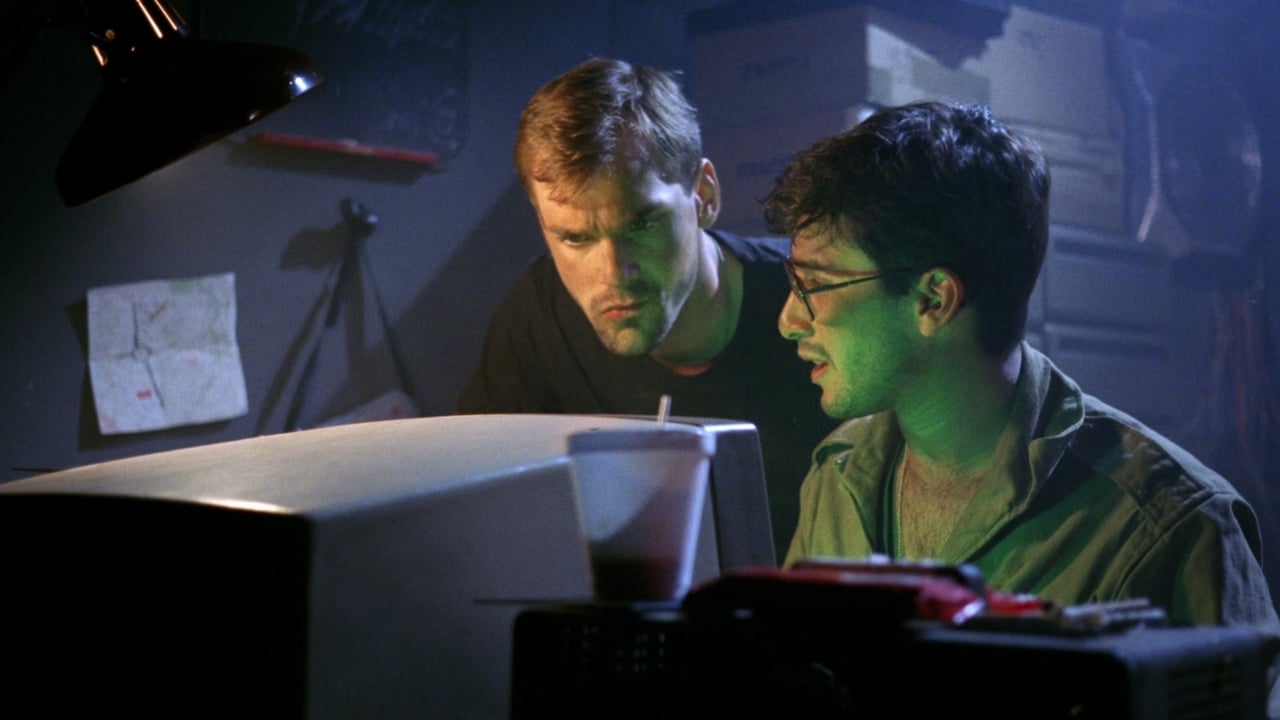
The setup is pure post-apocalyptic comfort food: it's 1998 (as imagined in '87), and the world outside is a toxic wasteland ravaged by acid rain following nuclear fallout. Five weary army deserters – including the obligatory tough leader, the tech guy, the concerned woman, the expendable dude, and, crucially, scream queen extraordinaire Linnea Quigley as Blanca – stumble upon a seemingly abandoned research facility. Seeking refuge, they instead find flickering lights, ominous computer logs mentioning "specimen control," and the unsettling feeling that they are absolutely not alone. It’s a familiar framework, echoing Ridley Scott’s masterpiece, but filtered through the lens of pure exploitation expediency.
Director and writer David DeCoteau, a name synonymous with prolific, micro-budget genre filmmaking (often under various pseudonyms like 'Ellen Cabot'), was working under the legendary Charles Band's Empire Pictures banner at the time. Creepozoids exemplifies the Empire ethos: get it done fast, get it done cheap, and make sure the poster looks cool. Shot in something like 12 days, reportedly for a mere $150,000 (roughly $400k today), the film makes the most of its limitations. Much of it unfolds within the claustrophobic confines of what was likely the standard Empire Pictures warehouse set, recycled across numerous productions of the era – a fact that only adds to the nostalgic charm for dedicated B-movie archaeologists. You can almost smell the fog machine working overtime.
Meet the Monsters (Sort Of)
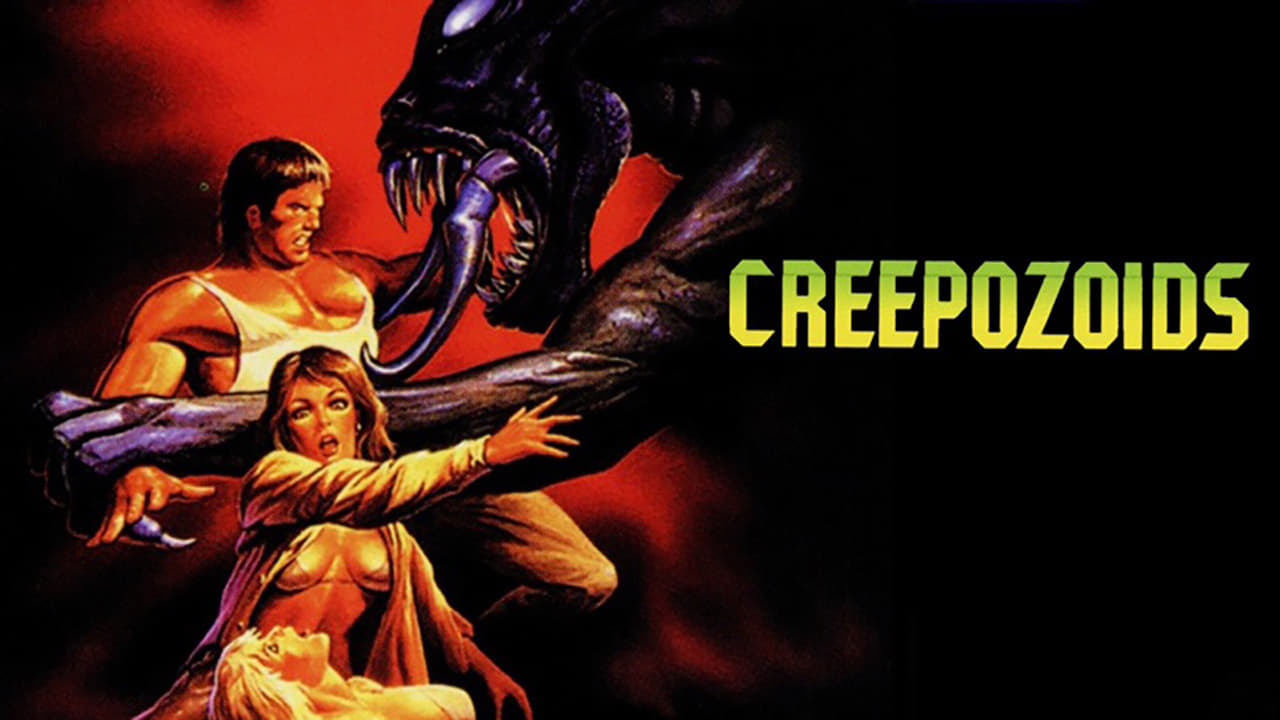
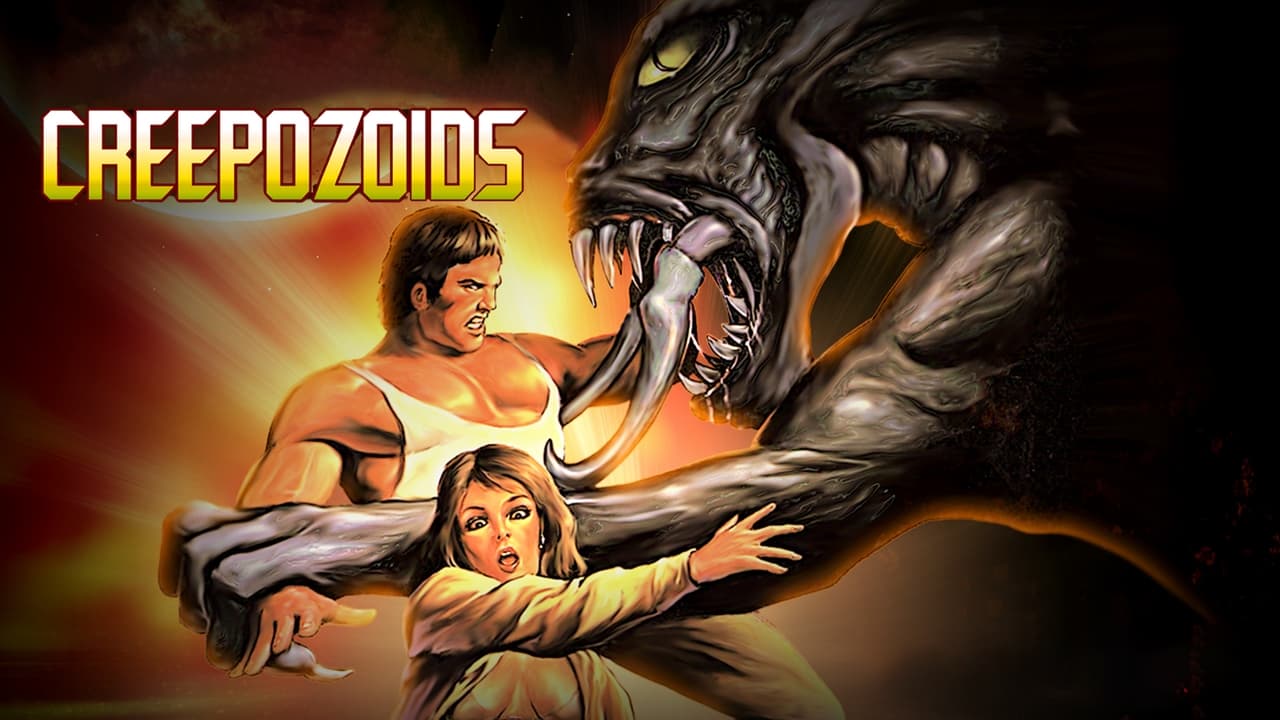
Where Creepozoids diverges most dramatically from its A-list inspiration is, unsurprisingly, in its titular monsters. Forget Giger's biomechanical nightmares; here we get… enthusiasm. There’s the infamous giant rat puppet, looking more startled than scary. There are smaller, slimy critters. And then there’s the main event: a hulking humanoid creature, clearly a guy in a rubber suit, that lumbers through the corridors with earnest menace. The suit itself, reportedly a nightmare for the performer inside, has a certain grotesque, lumpy appeal. Its design feels less like a coherent vision and more like a collection of "scary bits" glued together, which, frankly, is part of the fun.
And let's not forget the film's most baffling and memorable creation: the mutated baby-thing. Its appearance is brief but leaves a slimy stain on the memory. Is it terrifying? Not exactly. Is it deeply weird and indicative of the "throw everything at the wall" B-movie spirit? Absolutely. The practical effects, while undeniably dated and rubbery, possess that tactile quality we lost in the transition to CGI. You feel the slime, the latex, the sheer effort involved, even if the result leans more towards schlock than shock.
Linnea Shines (Briefly)
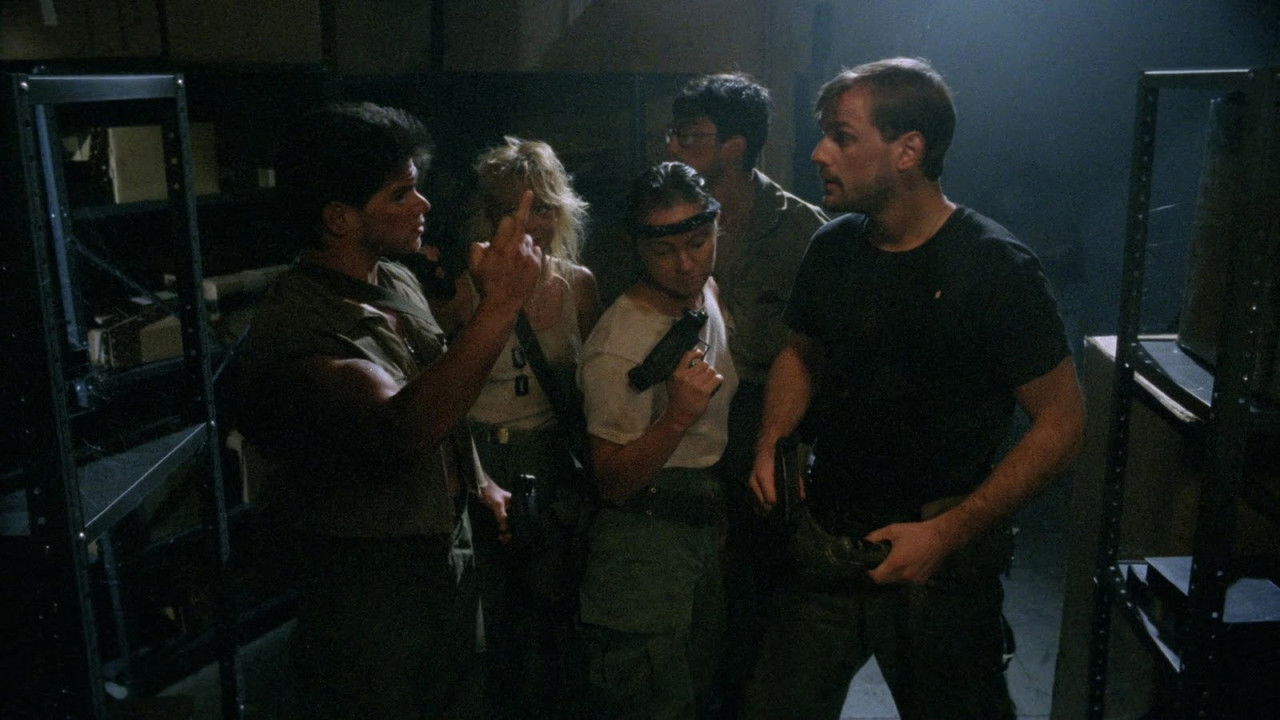
Having Linnea Quigley anchors the film firmly in its horror pedigree. Fresh off memorable turns in films like The Return of the Living Dead (1985) and Night of the Demons (1988), her presence lends Creepozoids a legitimacy it might otherwise lack. While not her most demanding role (reportedly, she enjoyed the brisk pace of these quick DeCoteau shoots), she delivers the required screams and vulnerability, gamely navigating the dark corridors and occasional goo-splatter. The rest of the cast (Ken Abraham, Michael Aranda, etc.) fill their archetypal roles adequately, mostly serving as fodder for the lurking menace. Their dialogue is functional, primarily designed to move them from one dimly lit room to the next potential encounter.
Atmosphere on a Budget
DeCoteau does attempt to build atmosphere. The lighting is perpetually dim, the sets are dressed with blinking consoles and discarded lab equipment, and the synth score drones appropriately. There are moments where the claustrophobia almost works, where the anticipation of something jumping out generates a flicker of genuine tension. But the breakneck production schedule and minuscule budget inevitably show. Pacing can feel sluggish between creature encounters, and the attempts at drama often land with a thud. Yet, there’s an undeniable sincerity to it. This isn't a film cynically churning out product; it feels like a team genuinely trying to make a cool monster movie with whatever they had available. That earnestness, that B-movie hustle, is part of its enduring appeal for those of us who wore out tapes like this. Remember the tagline? "Man has created the ultimate killing machine... Too bad it's turning on him!" Classic.
Legacy of the Low-Budget Clone
Creepozoids never set the world on fire, critically or commercially. It wasn't intended to. It was designed to fill shelf space at the video store, lure renters with its lurid cover art and familiar premise, and provide 72 minutes of cheap thrills. It exists firmly in the shadow of Alien, alongside countless other low-budget imitators of the era like Galaxy of Terror (1981) or Forbidden World (1982). Yet, it retains a certain scuzzy charm. It's a time capsule of a particular moment in filmmaking – pre-digital, reliant on practical effects, and driven by the seemingly insatiable home video market demand for genre content. Watching it today feels like excavating a specific layer of cinematic history.
Rating: 4/10
Let's be honest: judged by conventional standards, Creepozoids is deeply flawed. The acting is functional at best, the script is derivative, and the monster effects range from passable to puppet-show goofy. However, the 4 out of 10 reflects its status as a quintessential piece of 80s direct-to-video cheese. It delivers exactly what its cover promises, warts and all. The low budget is palpable, but so is the B-movie energy and the presence of the legendary Linnea Quigley. It earns points for its sheer existence, its place in the David DeCoteau / Charles Band canon, and the undeniable nostalgia factor for anyone who remembers grabbing tapes like this for a weekend viewing.
It may be an Alien clone from the wrong side of the tracks, but for fans of 80s VHS creature features, Creepozoids remains a delightfully slithery slice of low-budget history.