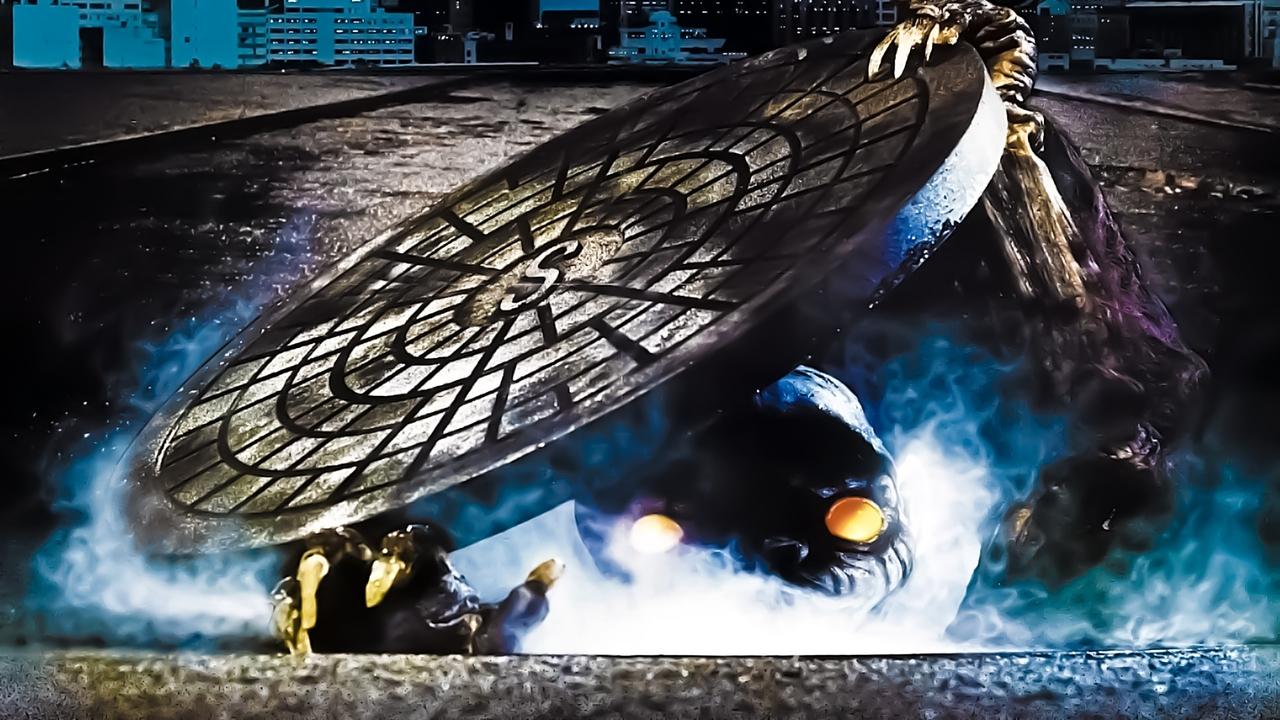
Beneath the cracked pavement and steaming manhole covers of Reagan-era New York City, something stirs. It’s a damp, subterranean dread that permeates C.H.U.D. (1984), a film that crawls under your skin not just with its titular monsters, but with the grime and neglect of the world they inhabit. Forget jump scares; this is about the chilling possibility of what festers unseen, just below our feet. The film’s very title became shorthand for urban decay and hidden threats, a testament to its unsettling power.
### Down in the Depths
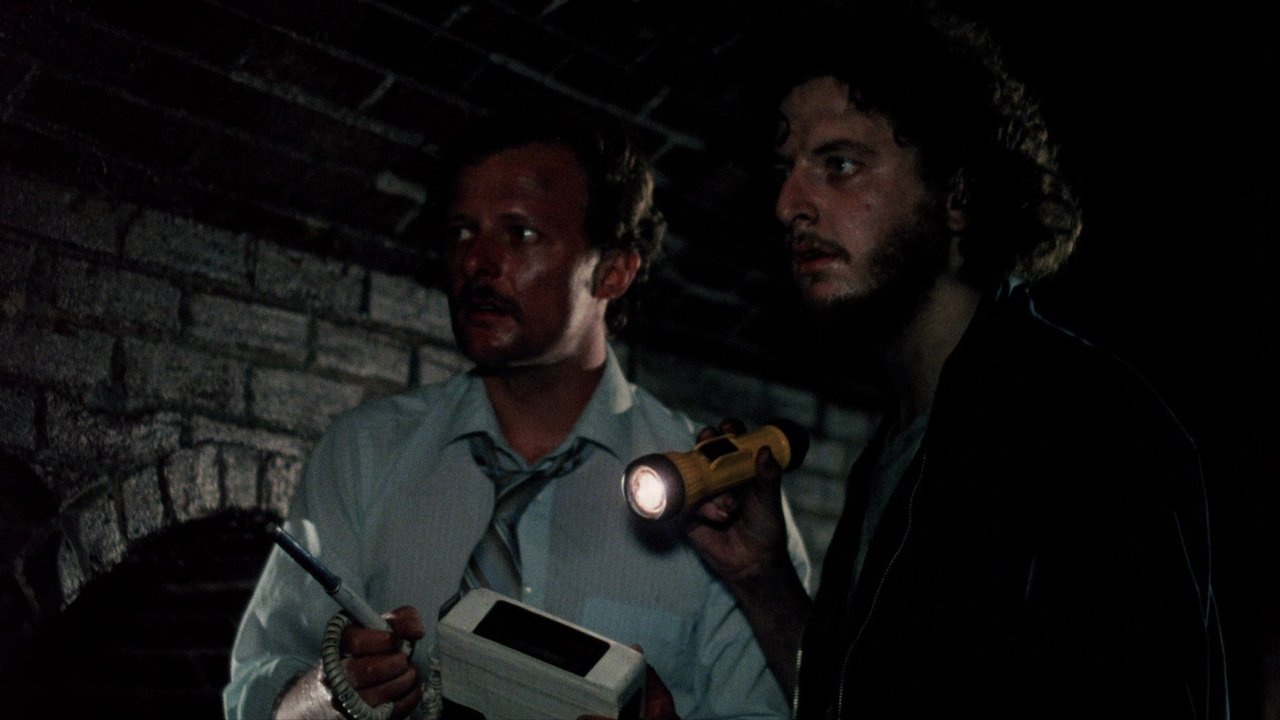
Director Douglas Cheek, working with a script credited to Shepard Abbott (from a story by Abbott and Parnell Hall), crafts an atmosphere thick with paranoia and decay. We follow two parallel investigations: George Cooper (John Heard), a fashion photographer whose model girlfriend has vanished into the city's underbelly, and A.J. "The Reverend" Shepherd (Daniel Stern), a soup kitchen operator trying desperately to locate the missing homeless people ("Undergrounders") he serves. Their paths converge with police captain Bosch (Christopher Curry), who is grappling with a series of bizarre disappearances and reports of something monstrous emerging from the sewers.
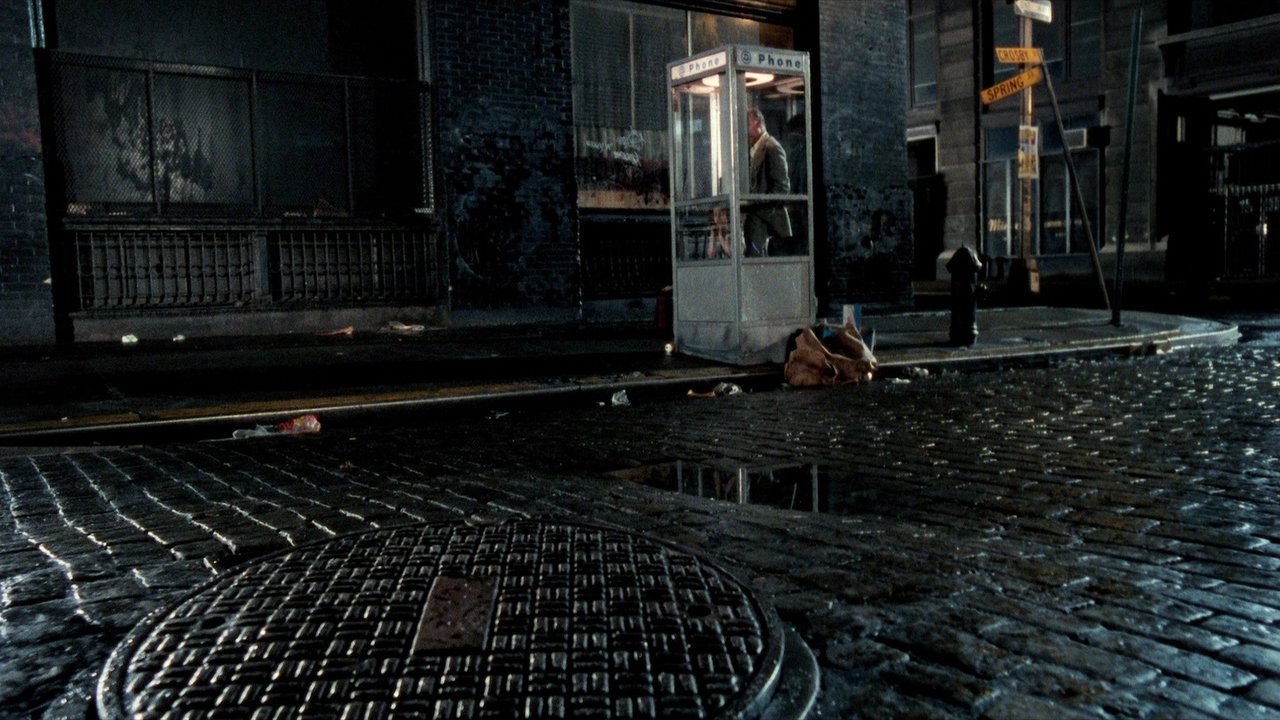
What elevates C.H.U.D. beyond standard creature-feature fare is its grounding in a specific time and place. This isn't a sterile lab or a remote cabin; it's the decaying infrastructure of 1980s New York, a character in itself. The filmmakers reportedly utilized actual city locations, adding a layer of authenticity to the subterranean horror. You can almost smell the damp concrete and fetid air. The film subtly weaves in themes of governmental neglect and corporate malfeasance, suggesting the monsters might be a byproduct of toxic waste dumping overseen by the Nuclear Regulatory Commission (NRC) – hence the film's alternative, more sinister acronym interpretation: Contamination Hazard Urban Disposal. This ambiguity adds a layer of conspiracy that feels distinctly of its era.

### Meet the Locals
The performances are surprisingly strong for a low-budget ($1.25 million, roughly $3.7 million today) horror flick. John Heard, perhaps best known later as the dad in Home Alone (1990), brings a weary determination to Cooper, a man pulled from his trendy loft into a nightmare world. And speaking of Home Alone, Daniel Stern delivers a heartfelt performance as A.J., showcasing the earnestness and frustration that would later define his comedic roles, but here channeled into genuine social conscience. Stern’s advocacy for the city’s forgotten population provides the film's moral core. Their grounded portrayals make the monstrous threat feel even more invasive. Even Christopher Curry as Captain Bosch feels less like a horror movie cop archetype and more like a genuinely overwhelmed public servant facing an unimaginable crisis. Keep an eye out during the diner scene for a very brief, pre-fame appearance by John Goodman – blink and you'll miss him!
### Monsters in the Making
Let's talk about the creatures themselves. The Cannibalistic Humanoid Underground Dwellers are brought to life through practical effects that, while perhaps dated by today's CGI standards, possess a tangible, unsettling quality. Designed by John Caglione Jr. (who later won an Oscar for Dick Tracy), the C.H.U.D.s are lurching, vaguely reptilian humanoids with unsettlingly elongated necks and, most memorably, piercing, bioluminescent eyes. Those glowing eyes, often the first thing glimpsed in the darkness of a sewer tunnel or alleyway, became the film's signature visual. There's a disturbing physicality to them – the way they move, the guttural sounds they make. Are they terrifying by modern standards? Perhaps not universally. But doesn't that eerie, rubbery monster design still feel unnerving in its own distinct, 80s way? They represent a primal fear – the unknown predator lurking just outside the circle of light.
The film milks its underground setting for maximum tension. Claustrophobic tunnels, dripping pipes, sudden shadows – Cheek uses the environment effectively. Scenes like the C.H.U.D. emerging from a manhole to snatch an unsuspecting pedestrian, or the tense exploration of the sewer system, still deliver a jolt of gritty horror. The film understands that sometimes the suggestion of the threat, the sound echoing in the tunnels, is more potent than a clear view.
### Echoes from the Underground
C.H.U.D. wasn't a massive box office smash (grossing around $4.7 million), but its legacy burrowed deep into cult film consciousness. The title entered the lexicon, often used humorously to describe anything strange or unpleasant emerging from below. Its blend of urban decay, creature feature horror, and conspiracy thriller elements created a unique flavor that many remember fondly from late-night cable viewings or browsing the horror aisle at the local video store. I distinctly remember the stark, unsettling VHS cover art being a beacon of gritty promise back in the day.
While the plot occasionally feels disjointed, jumping between Cooper's search, A.J.'s advocacy, and Bosch's investigation, and some of the dialogue lands with a B-movie thud, the overall atmosphere and memorable monster concept hold strong. It even spawned a sequel, C.H.U.D. II: Bud the C.H.U.D. (1989), which bafflingly ditched the gritty horror for broad comedy – a bizarre follow-up that only highlights the original's unique tone.
***
Rating: 7/10
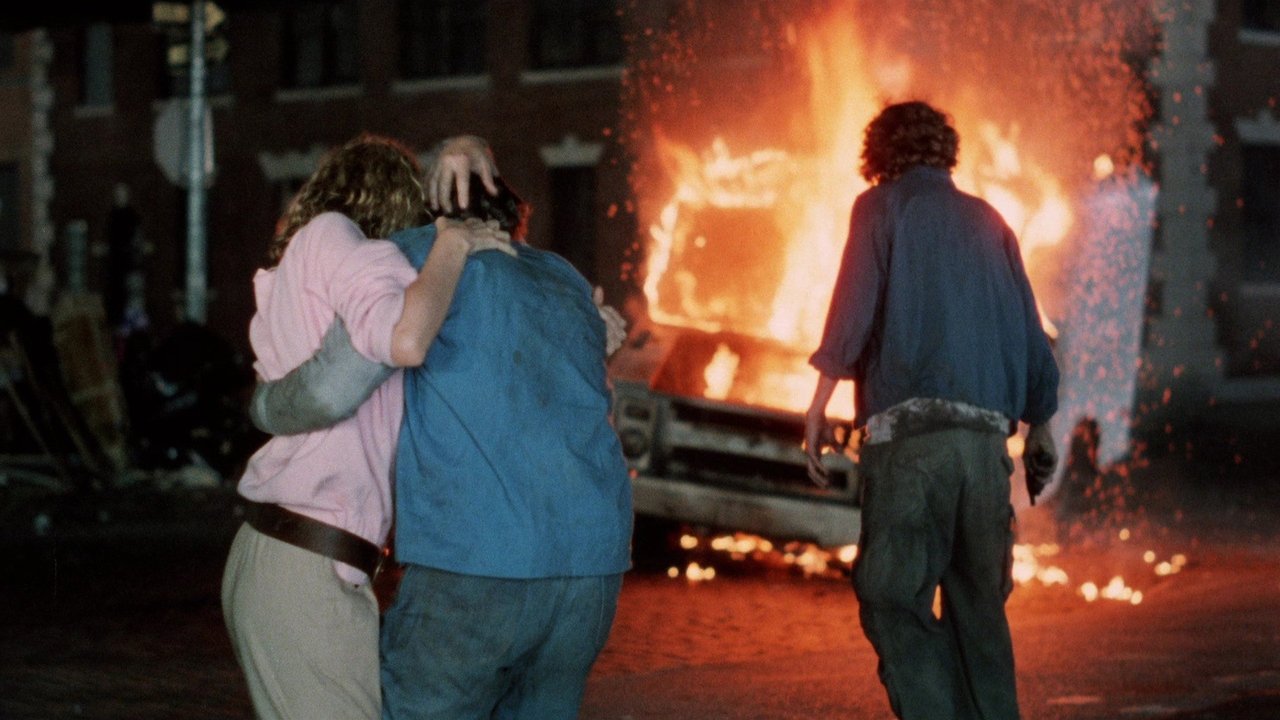
Justification: C.H.U.D. earns its score through its potent atmosphere of urban decay, surprisingly solid lead performances from Heard and Stern, iconic (if dated) practical creature effects, and its successful blend of monster horror with underlying social commentary and conspiracy elements. Its cult status is well-deserved. Points are deducted for some pacing issues, occasionally clunky dialogue, and a plot that feels a bit fragmented at times.
Final Thought: More than just a creature feature, C.H.U.D. remains a grimy, atmospheric snapshot of early 80s urban anxiety, a film whose title alone evokes a specific kind of subterranean dread that still lingers long after the tape stops rolling. It’s a perfect slice of Reagan-era paranoia served cold from the sewer.