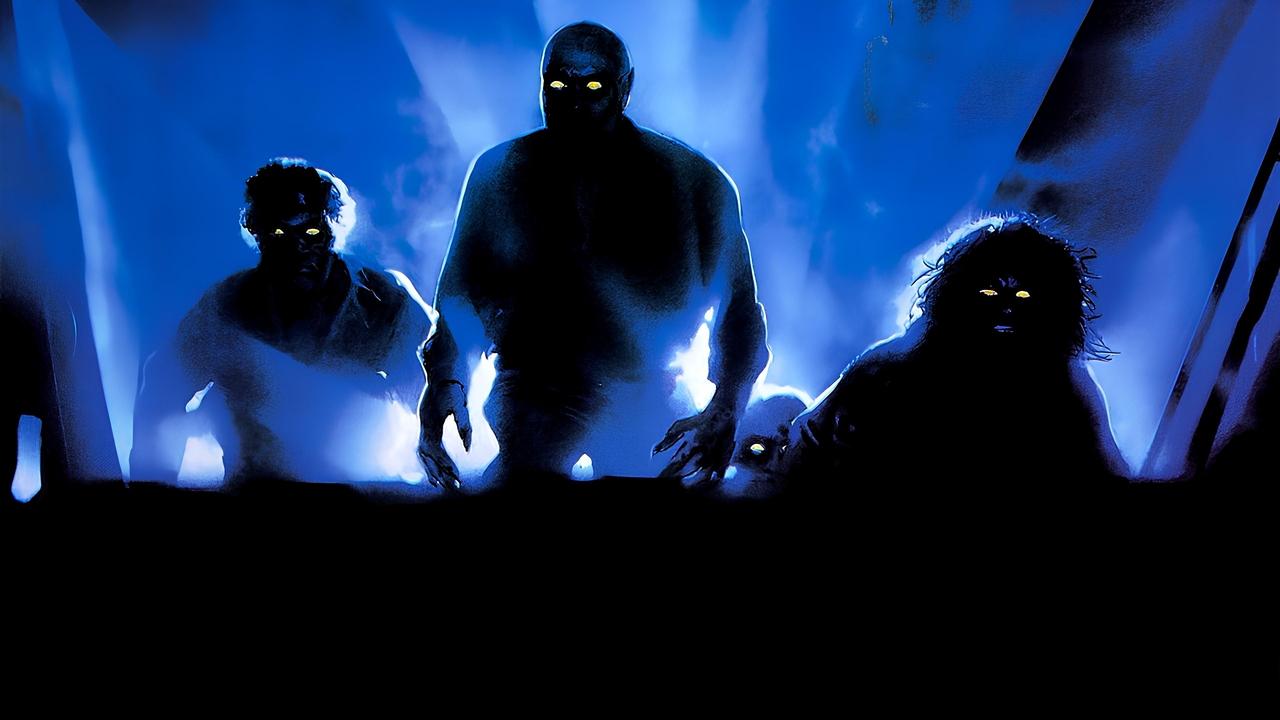
The flickering neon sign of the Metropol cinema casts long, uneasy shadows. Inside, an odd collection of souls gathers, lured by free tickets handed out by a strangely silent, metal-masked figure on the street. They settle in, expecting cheap thrills on screen, unaware that the true horror isn't projected light, but something ancient and hungry waiting in the darkness with them. This is the unnerving setup for Lamberto Bava's 1985 splatter-fest, Demons (or Dèmoni), a film that feels less like a narrative and more like a contagion escaping the confines of the silver screen.
Invitation to Chaos
Co-written and produced by the maestro of Italian horror, Dario Argento (Suspiria (1977), Deep Red (1975)), Demons carries his fingerprints – the stylistic violence, the pulsating score, the sense of inescapable dread. Yet, under the direction of Bava (son of the legendary Mario Bava), the film takes on a distinctly different energy. It sheds Argento's usual Giallo plotting and psychological depth for something far more primal: pure, unadulterated demonic mayhem unleashed within a confined space. The plot is razor-thin, almost incidental. A cursed mask from Nostradamus' tomb displayed in the cinema lobby triggers a demonic outbreak, transforming patrons one by one into pus-spewing, claw-wielding monsters. The goal isn't nuanced storytelling; it's a relentless assault on the senses.
The Theatre of Blood
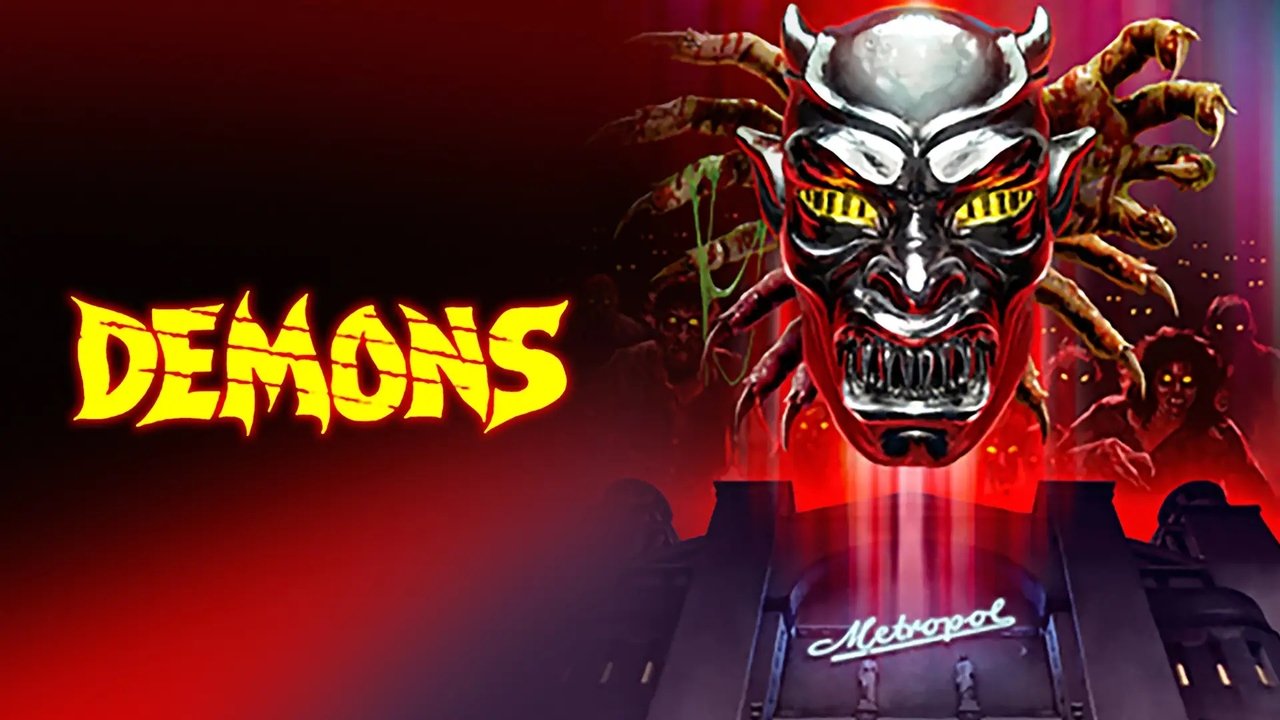
The Metropol itself becomes a character – a decaying temple of entertainment turned slaughterhouse. Its plush red seats, winding corridors, and echoing projection booth transform from mundane spaces into nightmarish traps. Bava uses the location brilliantly, creating a palpable sense of claustrophobia as exits are inexplicably sealed and the demonic infection spreads like wildfire. Remember the sheer panic as the characters realize they're locked in with the unfolding nightmare? The film-within-a-film mechanic, where the horror movie they're watching mirrors their reality, adds a layer of meta-terror that was quite potent back in the VHS days. It tapped into that fear of the screen losing its boundary, of the fiction becoming terrifyingly real. Filming reportedly took place partially in an actual defunct cinema in Berlin, adding a layer of authentic decay, while the interiors were crafted on soundstages in Rome, allowing for the escalating destruction.
A Symphony of Splatter
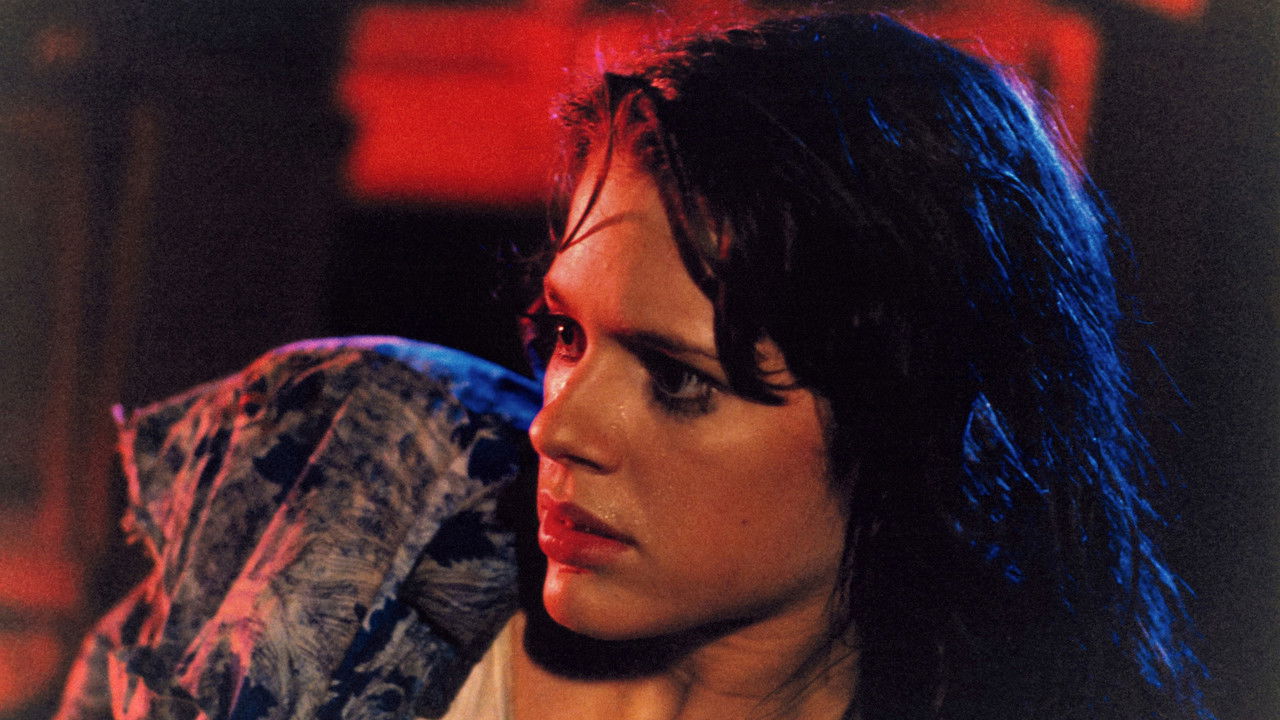
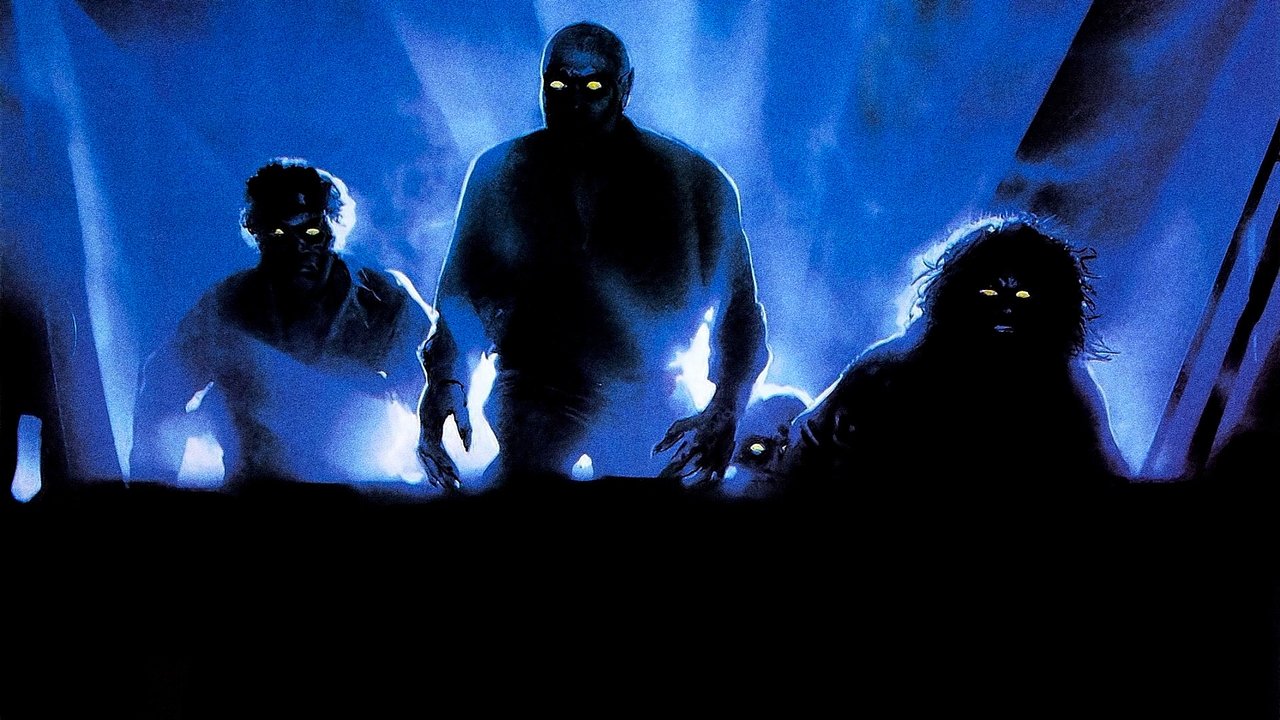
Let's be honest, the main draw here, and what burned Demons into the memory of anyone who rented that distinctive VHS tape, is the spectacular practical effects work, masterminded by Sergio Stivaletti. Forget subtlety; this is a glorious showcase of gooey transformations, exploding boils, ripped flesh, and fluorescent green demon blood. The scene where the first victim transforms, her fingernails and teeth elongating as pus erupts from her skin, remains a benchmark of 80s body horror. It's messy, visceral, and utterly convincing in its repulsive physicality. Sure, some effects might look a little rubbery viewed through modern eyes, but back then, projected onto a CRT screen in a dimly lit room, they felt disturbingly tangible. Stivaletti reportedly relished the creative freedom Argento and Bava gave him, pushing the boundaries of latex and Karo syrup gore. Didn't those creature designs, with their glowing eyes and razor-sharp claws, just feel perfectly, terrifyingly monstrous?
Cranked Up to Eleven
Amplifying the on-screen chaos is Claudio Simonetti's (of Goblin fame) absolutely killer soundtrack. It's a quintessential 80s blend of atmospheric synth dread and pounding heavy metal and rock anthems. Tracks like Accept's "Fast as a Shark," Mötley Crüe's "Save Our Souls," and Billy Idol's "White Wedding" aren't just background noise; they're integral to the film's relentless, high-octane energy. The music transforms scenes of demonic pursuit into something resembling deranged music videos, perfectly capturing the film's punk rock attitude towards horror. It’s loud, aggressive, and frankly, unforgettable. I still get a jolt when those opening riffs kick in.
Relentless Energy, Simple Horrors
The cast, including leads Urbano Barberini and Natasha Hovey, are mostly functional, serving as relatable audience surrogates reacting to the escalating madness. Character development isn't the priority; survival and screaming are. Their relative anonymity actually works in the film's favor, reinforcing the idea that this nightmare engulfs ordinary people swept up in extraordinary, demonic circumstances. The film barrels forward with the logic of a nightmare, throwing increasingly bizarre threats at our survivors – including a memorable sequence involving a helicopter crashing through the cinema roof – without ever pausing for breath. It’s this sheer, unwavering commitment to its own brand of pandemonium that makes Demons so enduringly entertaining. Rumour has it Argento and Bava clashed occasionally on set regarding the tone, with Argento pushing for darker moments and Bava leaning into the more explosive action, resulting in the unique hybrid we got. Made for a reported $1.8 million, its box office success ($4.3 million in Italy alone, plus strong international video rentals) cemented its cult status and quickly led to the equally chaotic Demons 2 (1986).
Still Contagious After All These Years
Demons is not high art, nor does it pretend to be. It's a rollercoaster ride through a funhouse of horrors, powered by gore, rock music, and pure adrenaline. It perfectly encapsulates a certain brand of 80s Italian horror – less concerned with suspense, more dedicated to delivering shocking spectacle and visceral thrills. It's messy, illogical, and sometimes downright silly, but its energy is infectious. Rewatching it now evokes that specific thrill of discovering something truly wild and unrestrained on VHS, something that felt dangerous and illicit. It’s a film that understands the primal power of locking unsuspecting people in a dark room and unleashing hell.

VHS Heaven Rating: 8/10
Justification: While the plot is thin and characterization minimal, Demons earns its high score through sheer, unrelenting energy, iconic practical effects that define 80s splatter, a killer soundtrack, and an atmospheric setting used to maximum claustrophobic effect. It perfectly delivers on its promise of chaotic, demonic mayhem and remains a benchmark of Italian horror exploitation. It's pure, uncut 80s horror fun, flaws and all.
Final Thought: Turn down the lights, crank up the volume, and let yourself get infected. Demons is a glorious, gooey testament to a time when horror wasn't afraid to be loud, messy, and utterly insane – a true gem from the golden age of video nasties.