The flickering static of the tracking adjustment settles, and the darkness behind the opening credits feels deeper than usual. Some films don't just play on screen; they seem to seep out, staining the room with their atmosphere. Hellraiser is one of those films. It doesn't rely on jump scares; it cultivates a dread that clings, a sticky, unnerving residue born from forbidden desires and the unspeakable consequences they unlock. Remember the allure of that strange, ornate puzzle box? The Lemarchand Configuration. A key, not to treasure, but to experiences far beyond the limits of pleasure and pain. And once solved, the door it opens cannot easily be closed.
Summoning the Darkness
This wasn't just another horror flick churned out by the studio system. This was personal. Author and artist Clive Barker, reportedly dissatisfied with how filmmakers had treated his earlier written work (Underworld, Rawhead Rex), took the director's chair himself for this 1987 adaptation of his own novella, "The Hellbound Heart." Armed with a relatively meager budget – around $1 million – Barker didn't just translate his vision; he bled it onto the celluloid. That financial constraint arguably became an asset, forcing a reliance on practical ingenuity and contributing to the film's raw, disturbingly intimate feel. There's a tangible grit here, a texture you don't often find in slicker productions, that perfectly matches the story's descent into sensory overload and damnation.
The Unholy Resurrection

The story coils around a dilapidated house, infidelity, and grotesque rebirth. Frank Cotton (Sean Chapman), a hedonist chasing the ultimate sensation, solves the puzzle box and gets far more than he bargained for from the Cenobites – interdimensional beings dedicated to exploring the furthest regions of experience. When his brother Larry (Andrew Robinson) and wife Julia (Clare Higgins) move into the family home where Frank met his fate, a spilled drop of blood begins Frank's gruesome, skinless resurrection in the attic. What follows is Julia's chilling descent into complicity, luring victims for Frank to drain of their life force and regenerate his body, tissue by agonizing tissue. It’s this central body horror, realised through stunningly effective (and often stomach-churning) practical effects, that seared itself into the minds of audiences renting this tape. Frank’s slow, piece-by-piece reconstruction felt terrifyingly real, a testament to the makeup effects team's artistry, even viewed through the nostalgic haze of CRT scanlines. Doesn't that first glimpse of him, skeletal muscle and dripping viscera, still manage to unnerve?
Angels to Some, Demons to Others
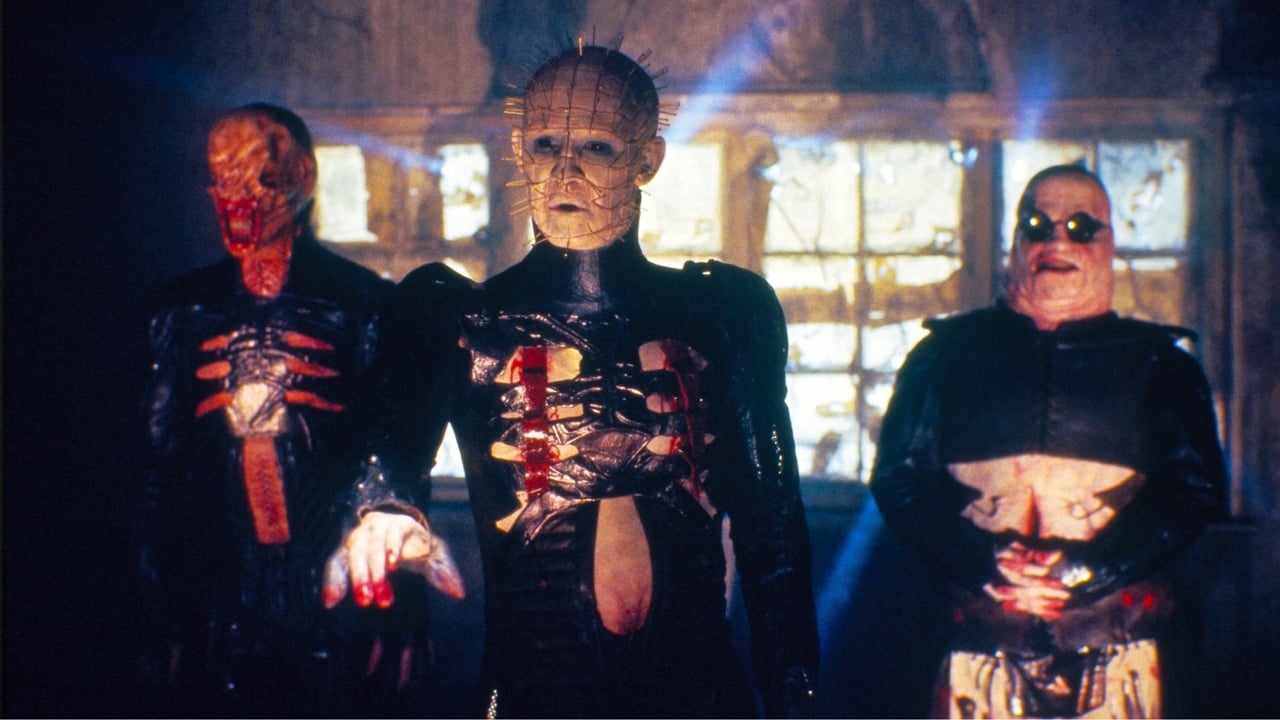
And then, there are the Cenobites. Led by the instantly iconic figure later dubbed "Pinhead" (Doug Bradley), these "explorers in the further regions of experience" are the film's black heart. Their designs, famously inspired by a mix of punk aesthetics, Catholic vestments, and underground S&M club attire Barker had glimpsed, were unlike anything mainstream horror had offered before. They weren't simply monsters; they were theologians of the flesh, artisans of agony and ecstasy. Doug Bradley endured hours of meticulous makeup application, a grid drawn on his head for the precise placement of each pin, embodying a chillingly calm authority. The name "Pinhead," incidentally, was a crew nickname that Clive Barker initially disliked, feeling it diminished the character's dark majesty. Yet, it stuck, becoming synonymous with a new breed of horror icon. Their arrival is heralded by Christopher Young's magnificent, dread-soaked score – a character in itself, blending funereal grandeur with dissonant horror.

A Family Affair from Hell
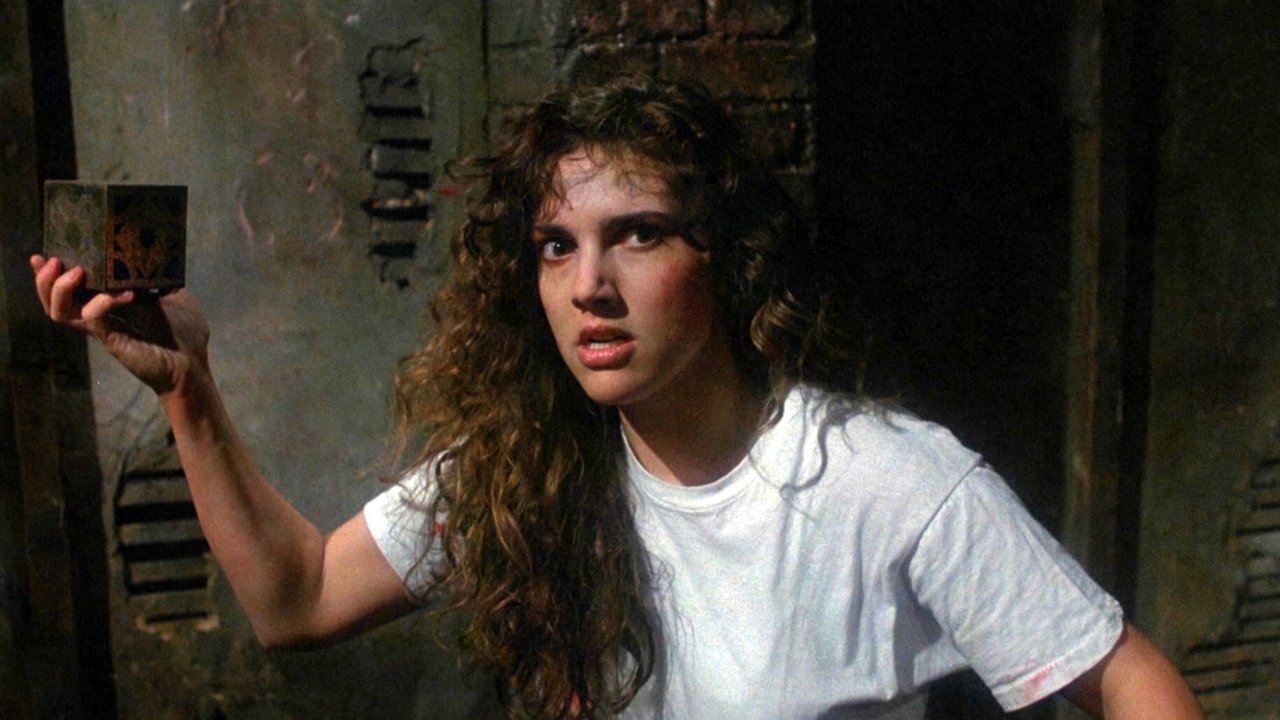
Amidst the otherworldly horror, the human drama remains potent. Clare Higgins is magnetic as Julia, her transformation from a frustrated housewife into Frank’s cold-blooded accomplice both terrifying and tragically believable. Her quiet intensity is the perfect counterpoint to the film's more graphic excesses. Andrew Robinson, known to many as the unhinged Scorpio killer from 1971's Dirty Harry, plays Larry with a poignant sense of bewildered decency, making his eventual fate all the more disturbing. He reportedly wasn't keen on the script initially, perhaps wary of another villainous role, but Barker convinced him Larry was the story's true victim. And then there's Kirsty Cotton (Ashley Laurence), Larry's daughter, who stumbles into this nightmare. Laurence crafts a compelling, intelligent "final girl" who relies on wit and negotiation rather than brute force when confronting the Cenobites, adding another layer of uniqueness to the film.
Opening the Box Office
Making Hellraiser wasn't without its struggles, particularly with the MPAA. Barker had to trim certain scenes – reportedly softening the explicitness of Frank's hammer murders and some of the gorier Cenobite moments – to avoid the dreaded X rating, securing an R instead. Despite its graphic nature and transgressive themes, the film resonated. Off its ~$1 million budget, it pulled in over $14 million at the US box office, proving Barker's singular vision had struck a nerve. It felt dangerous, taboo, like something you shouldn't be watching, which, of course, only added to its appeal on home video. It spawned a sprawling franchise of sequels, some more successful than others, but none quite recaptured the potent, grimy alchemy of the original.
***
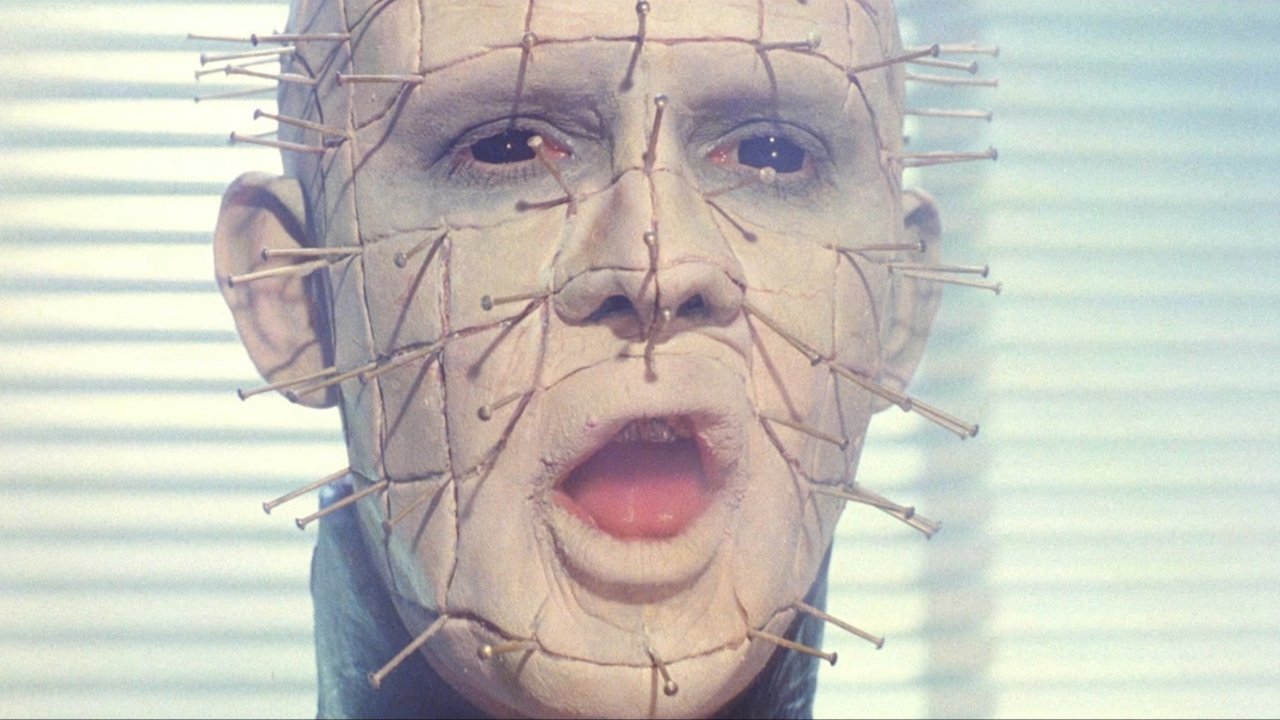
Hellraiser remains a landmark of 80s horror. It dared to blend gothic melodrama with extreme body horror and philosophical explorations of pain and pleasure, creating something genuinely unique and unsettling. The practical effects hold up remarkably well, possessing a visceral weight often missing in modern CGI. Barker's confident direction, the unforgettable Cenobite designs, Christopher Young's haunting score, and committed performances anchor the film's transgressive power. It’s dark, challenging, and refuses easy categorization.
Rating: 9/10
This score reflects Hellraiser's audacious vision, its masterful creation of atmosphere and dread, its iconic creature design, and its lasting impact on the genre. Even with minor pacing issues and the clear constraints of its budget visible at times, its power to disturb and fascinate remains undiminished. It truly offered us sights we hadn't seen before, and for many who first slid that tape into their VCR late at night, those sights have never entirely faded.