Some VHS boxes just dared you to rent them. Tucked away in the horror section, maybe slightly sun-faded, its lurid cover art promising unspeakable things. Demon Wind (1990) was often one of those tapes. The swirling vortex, the ghoulish faces, the desperate figures – it screamed late-night, possibly ill-advised viewing. And pulling that tape from the shelf? It felt like accepting a challenge, unlocking a portal to something potentially cheap, definitely weird, and maybe, just maybe, genuinely unsettling in that uniquely low-budget 90s way.
Grandma's House of Horrors
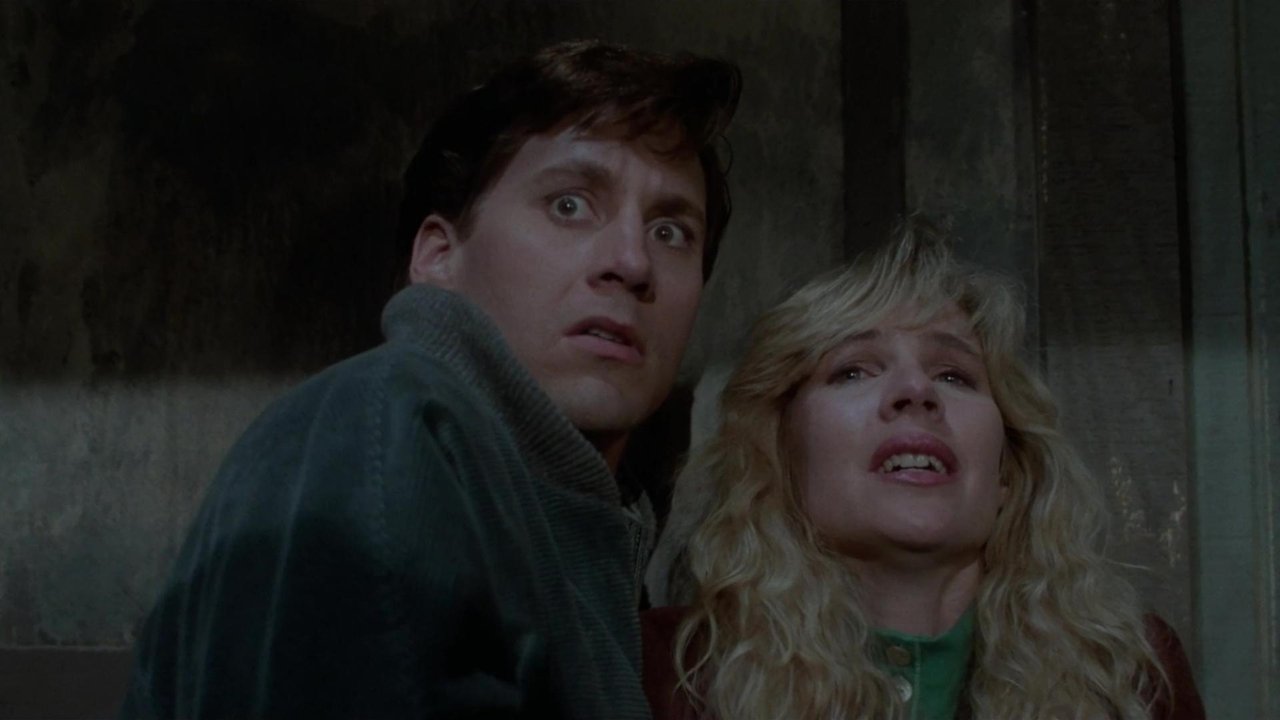
The premise feels instantly familiar, almost comforting in its genre predictability. Cory (Eric Larson) inherits his grandparents' remote farm, a place shrouded in dark history and local superstition following their mysterious, gruesome demise decades earlier. Driven by unsettling visions and a need for answers, he gathers a group of conspicuously attractive friends – because who investigates demonic legacies solo? – and heads out to the dilapidated property. What could possibly go wrong? Director and writer Charles Philip Moore wastes little time, stranding our hapless heroes almost immediately with an impenetrable, almost sentient fog bank that rolls in, sealing them off from the outside world. It's classic cabin-in-the-woods setup, echoing films like The Evil Dead (1981), but Demon Wind quickly careens down its own gloriously unhinged path.
When Practical Effects Go Wild
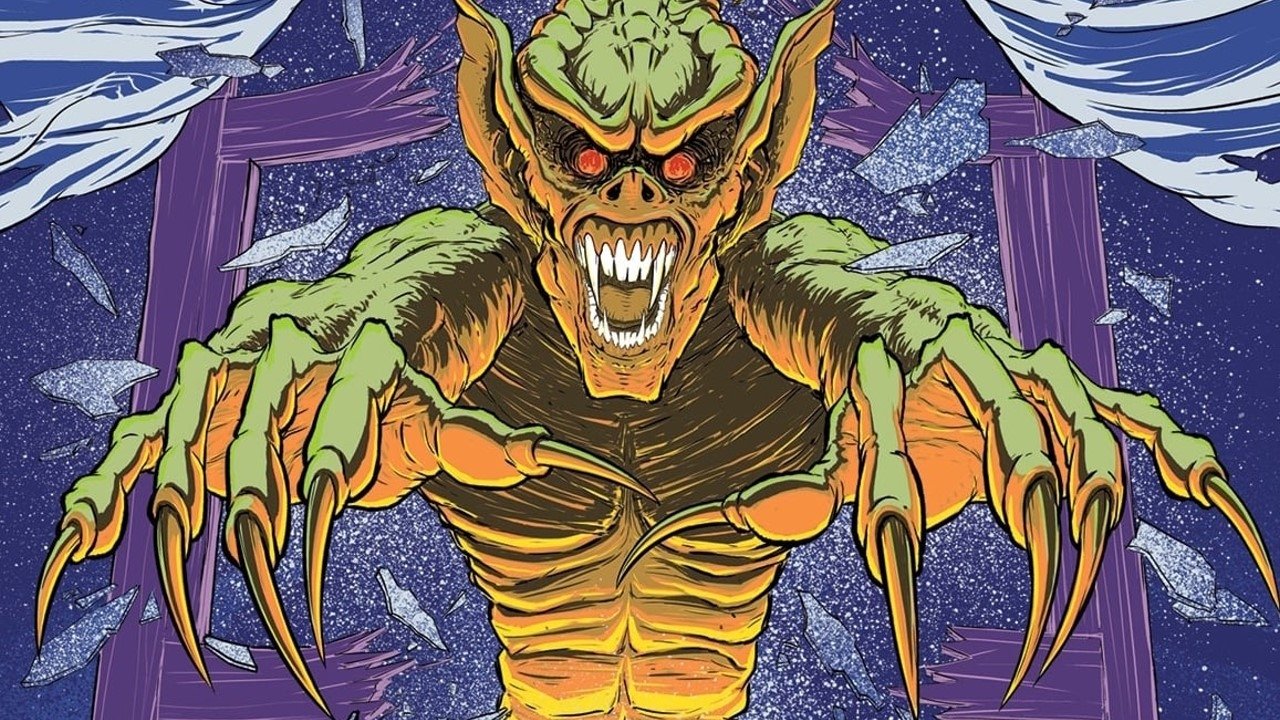
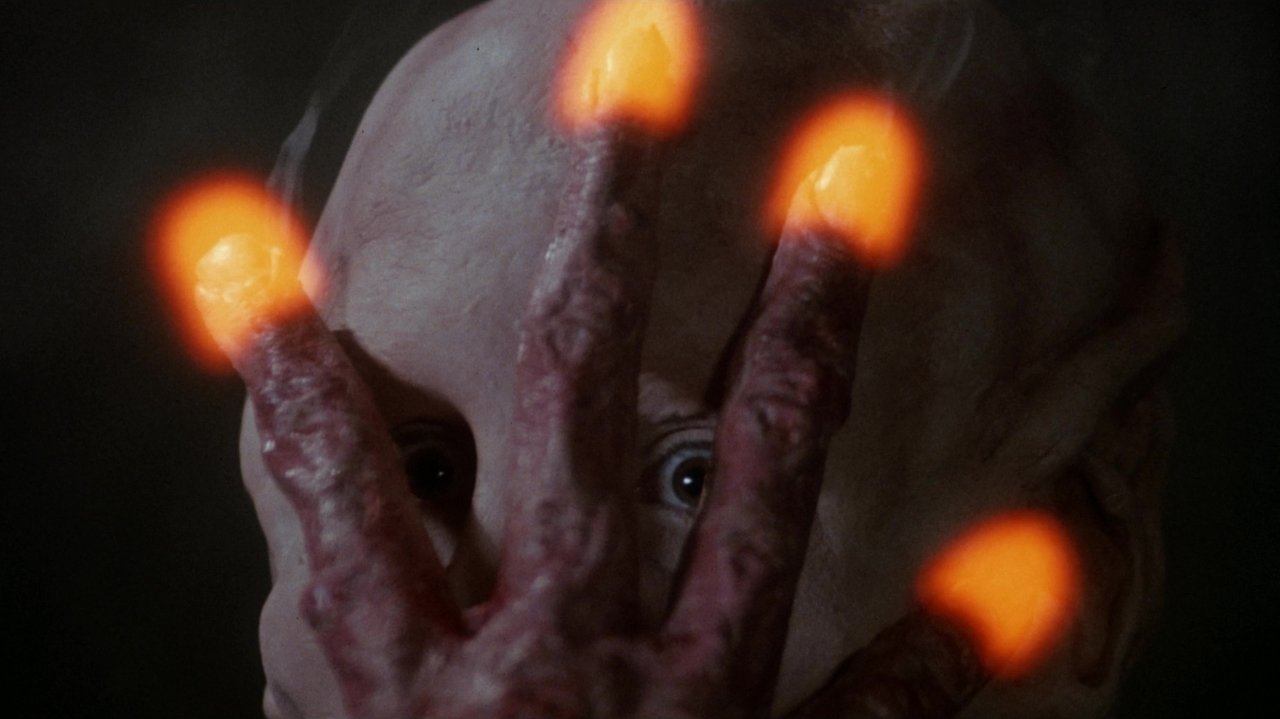
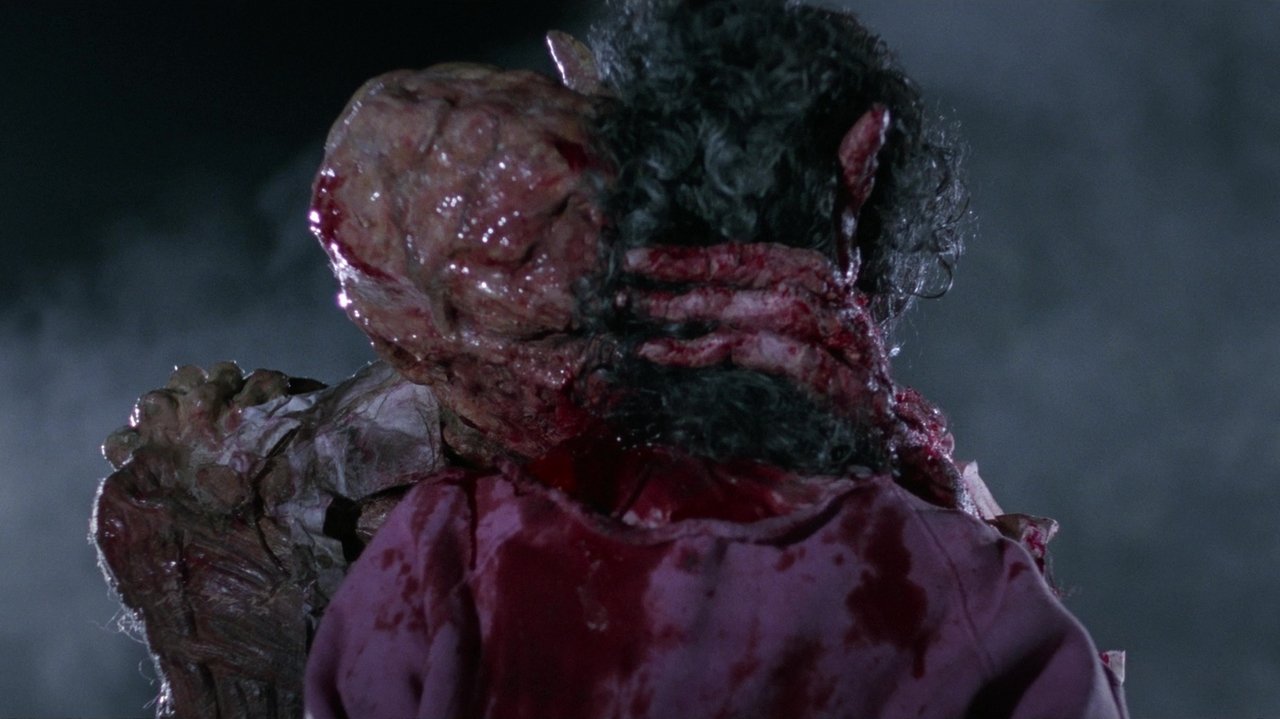
Forget subtlety. Demon Wind throws everything at the screen with the gleeful abandon of a filmmaker who knows his budget is low but his ambition is sky-high. The isolation quickly gives way to a full-blown demonic siege. This isn't just bumps in the night; it's contorting bodies, melting faces, disembodied hands doing magic tricks (yes, really), and a parade of rubbery demons that look like they escaped from a particularly warped Dungeons & Dragons campaign. The practical effects are the undeniable stars here. Are they always convincing? Absolutely not. But their sheer tactile presence, the gloopy textures and ambitious transformations, carries a certain charm that CGI often lacks. You can almost smell the latex and corn syrup. One particularly memorable sequence involving a character's... explosive transformation... is a masterclass in low-budget gooey excess. There’s a raw, tangible quality to the horror, even when it borders on the absurd. You have to admire the commitment to showing, not just implying, the demonic mayhem, especially considering the film's reported shoestring budget (rumored to be around $350,000 – pocket change even then).
Logic Takes a Holiday
Where Demon Wind truly earns its cult stripes is in its almost dreamlike (or nightmare-like) disregard for conventional narrative logic. The plot twists and turns with the coherence of a fever dream. Rules are introduced only to be immediately broken. Characters make baffling decisions. The demons themselves seem less like calculated evil entities and more like malicious, supernatural pranksters staging an increasingly bizarre and violent variety show. Why does the house physically transform? Why do the demons suddenly gain magician powers? Don't ask too many questions; just strap in and enjoy the ride. It’s this chaotic energy, this feeling that literally anything could happen next (and probably will, regardless of whether it makes sense), that gives the film its strange power. It’s less a tightly plotted horror film and more a relentless barrage of weird, often gory, set pieces. The actors, including Francine Lapensée and Rufus Norris, gamely commit to the absurdity, delivering lines about ancient curses and demonic possession with admirable sincerity amidst the escalating chaos.
A Relic of the Rental Era
Watching Demon Wind today feels like unearthing a time capsule. It's a film born of the direct-to-video boom, designed to grab your attention with that wild cover art and deliver enough creature feature madness to justify the rental fee. It lacks the polish of bigger studio horror flicks from the era, and its resemblance to Sam Raimi's Evil Dead series, particularly Evil Dead II (1987), is impossible to ignore. Yet, it possesses a strange, singular identity built on its sheer, unbridled weirdness and its dedication to practical gore effects. It’s the kind of movie you’d excitedly tell your friends about the next day, struggling to describe the delightful nonsense you witnessed. Did anyone else discover this gem hidden on the bottom shelf, maybe next to Ghoulies (1984) or Basket Case (1982)? It feels like a shared secret among horror fans of a certain vintage.
VHS Heaven Rating: 6/10
Let’s be clear: Demon Wind is not a conventionally "good" movie. The acting is variable, the script is nonsensical, and the pacing occasionally stumbles. But judging it solely on those metrics misses the point. This film earns its 6/10 for sheer audacity, its wonderfully grotesque practical effects (warts and all), and its status as a prime example of gonzo, low-budget 90s horror filmmaking. It delivers exactly what that lurid VHS box promised: a relentless, bizarre, and often unintentionally hilarious demonic onslaught. It might lack the iconic status of its influences, but for fans of unrestrained practical gore and narrative chaos, it’s a surprisingly fun trip back to a time when horror could be gloriously, unapologetically weird.
Final Thought: In an era of slick, often predictable horror, there's something genuinely refreshing about Demon Wind's chaotic, handmade charm. It’s a messy, goofy, gore-soaked relic that reminds us sometimes the most memorable movie nights came from the strangest tapes on the rental store shelf.