Alright, pull up a comfy chair, maybe grab a soda like you would have back in the day, because we're dialing the VCR back to 1994. Remember that curious block of programming called the "Universal Action Pack"? It was a bold experiment, dropping a handful of feature-length TV movies onto our screens, testing the waters for potential series. Amidst the sci-fi and contemporary action, one pilot reached back millennia, dusting off Greek mythology for a new generation. That movie was Hercules in the Underworld, and it served as the thunderclap announcing the arrival of Kevin Sorbo and a whole new era of syndicated fantasy adventure.
### A Hero's TV Test Run
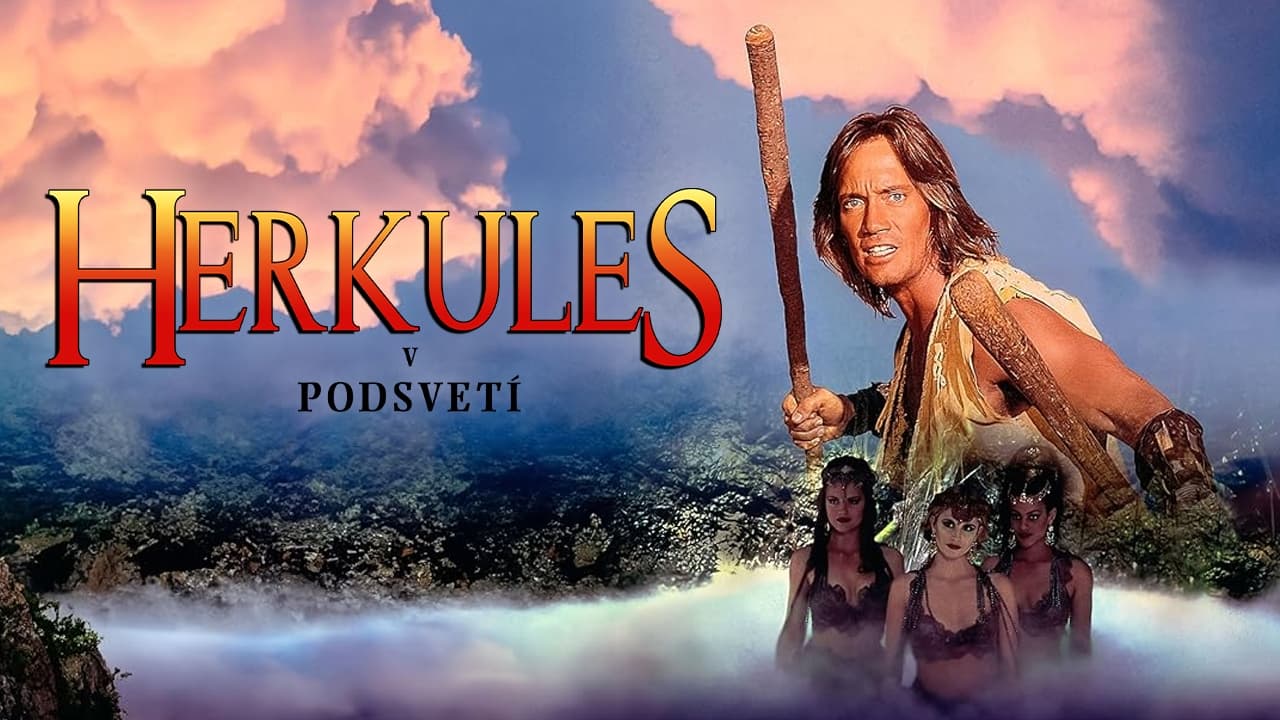
Before the globe-trotting, slightly cheekier Hercules: The Legendary Journeys series proper began its six-season run, there were five of these introductory films. Hercules in the Underworld, directed by TV veteran Bill L. Norton, was actually the third to air but holds a special place. It wasn't just another adventure; it felt like a genuine pilot, establishing the stakes, the world, and the surprisingly earnest tone that would slightly shift once the series found its footing. We meet Hercules, played with an instantly likable blend of imposing physique and gentle weariness by the then relatively unknown Sorbo, living a quiet life, trying to escape his heroic past. Of course, fate (and the demands of television plotting) has other plans.
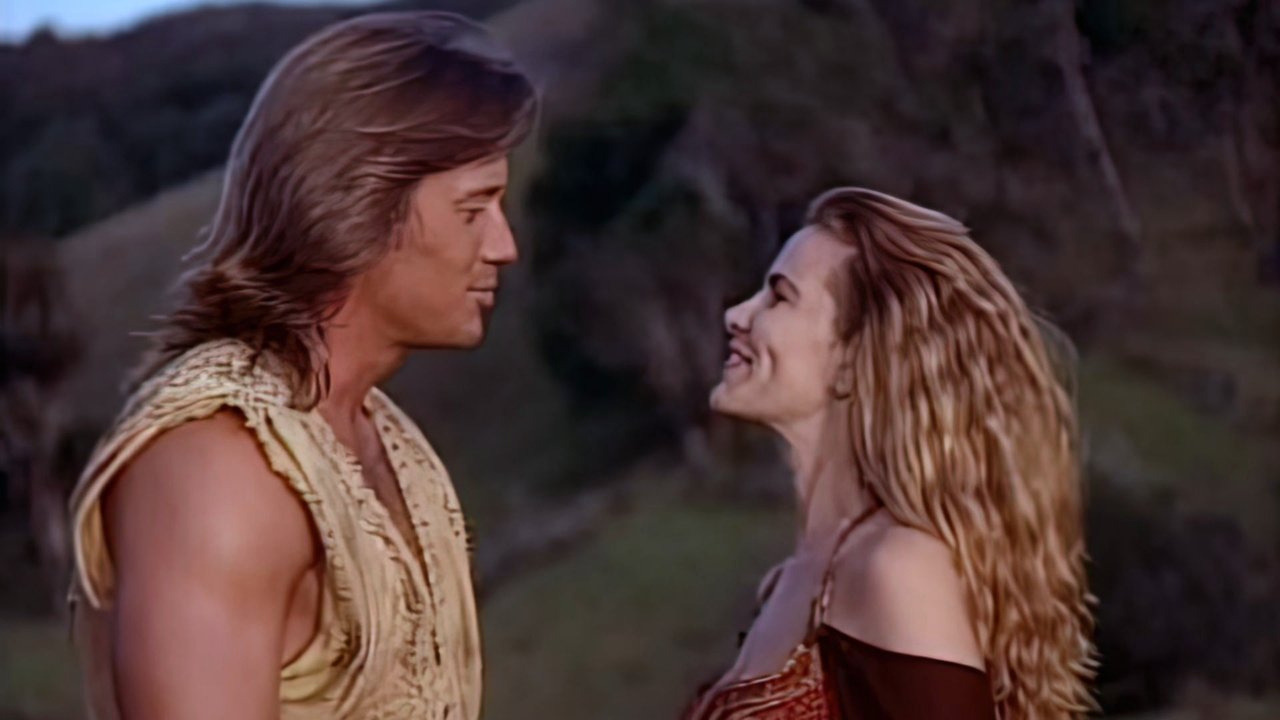
The setup, penned by Andrew Dettmann, Daniel Truly, and Christian Williams (who would all contribute significantly to the subsequent series), involves villagers disappearing into a mysterious fissure leading, naturally, straight to Hades. When the desperate pleas reach Herc, specifically involving his wife Deianeira (played by Tawny Kitaen, familiar from Bachelor Party (1984) and those iconic Whitesnake videos), he's reluctantly drawn back into the fray. This initial setup feels a touch darker, a bit more grounded in consequence than the often lighter series that followed. Sorbo’s Hercules here is burdened, carrying the weight of past tragedies, making his eventual decision to act feel earned.
### Mythic Casting and Kiwi Charm
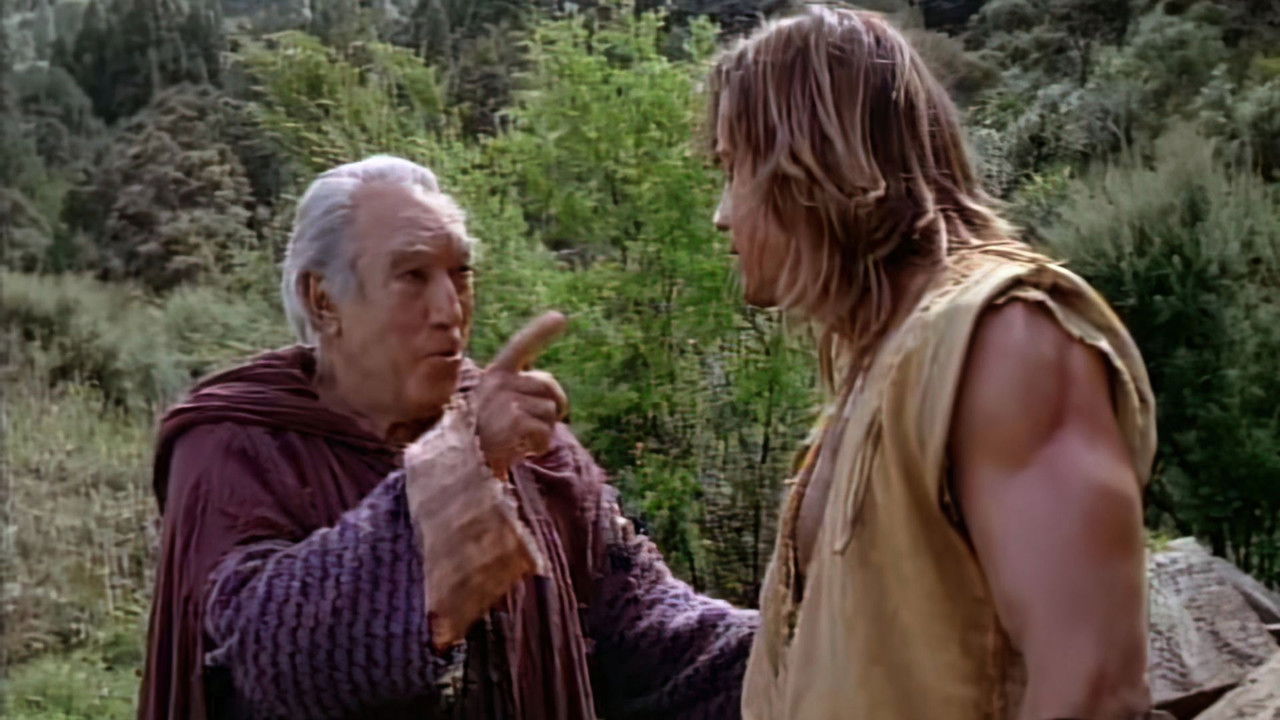
What immediately elevates Hercules in the Underworld beyond standard TV movie fare is the casting coup of Anthony Quinn as Zeus. Seeing the legendary actor, an Oscar-winner known for powerhouse roles like Zorba the Greek (1964) and Lawrence of Arabia (1962), appear as the King of the Gods, albeit briefly, lent the whole affair an unexpected touch of class. It was a brilliant move, giving the burgeoning hero a link to cinematic royalty. Kitaen, too, brings a believable urgency and vulnerability to Deianeira, grounding Hercules' motivation.
But perhaps the most significant "character" introduced here wasn't even human – it was New Zealand. Filmed on location, the movie beautifully utilized the country's stunning landscapes, giving the mythological quests a scale and beauty that punched well above its television budget. This decision, driven by producer Sam Raimi and Rob Tapert, not only set the visual template for Hercules and its wildly successful spin-off Xena: Warrior Princess, but also paved the way for future epic productions (hello, Middle-earth!) to recognize the potential of Aotearoa. Seeing Herc stride through those lush forests and across those dramatic coastlines felt genuinely mythic, even on a fuzzy CRT screen.
### Facing Down Budget Cerberus
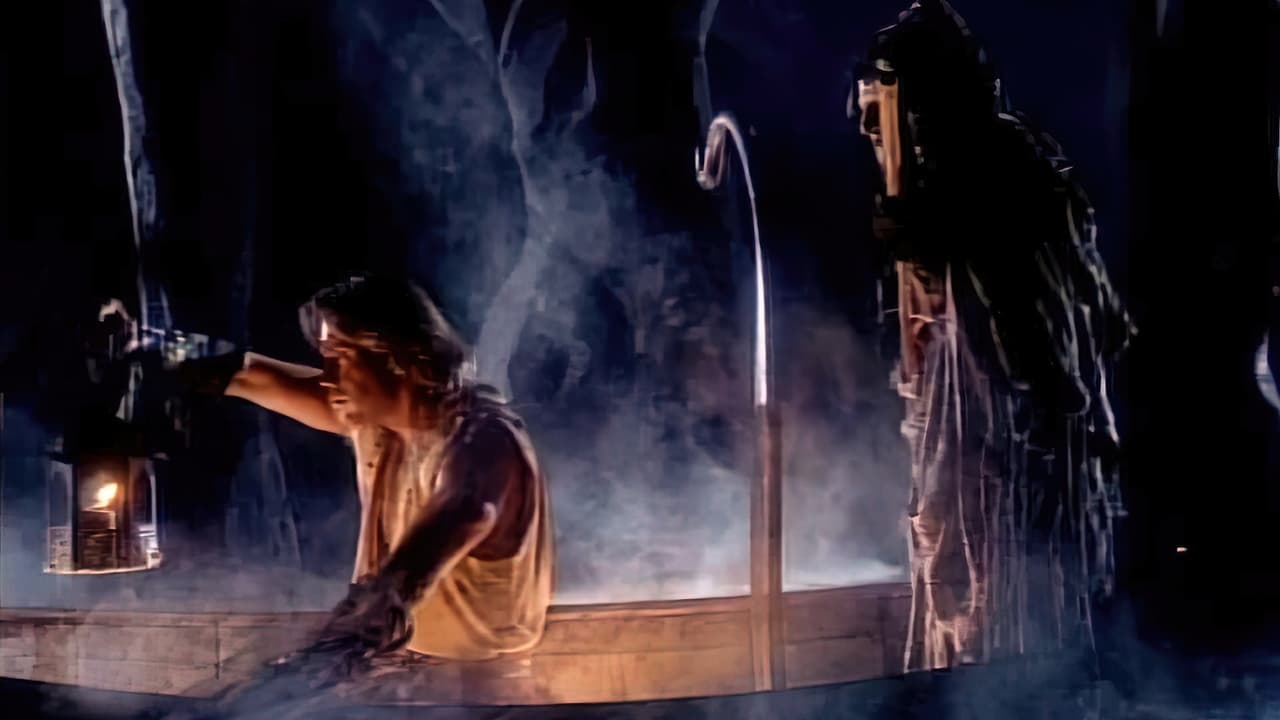
Let's talk about the Underworld itself. The journey requires crossing the River Styx (hello Charon!) and facing down Cerberus, the three-headed hound guarding the gates. Now, remember, this was 1994 television. The CGI used to bring Cerberus to life is... well, it's of its time. Watching it now evokes a certain nostalgic charm – you can almost see the pixels straining against the ambition. But back then? It felt pretty cutting-edge for a TV movie! The practical sets for Hades' realm, draped in shadow and coloured light, effectively conveyed a sense of dread and otherworldliness within clear budget constraints. It’s a testament to the production design team that they achieved so much atmosphere.
The plot involves rescuing souls from Hades, confronting villains both mortal and divine, and features plenty of the requisite swordplay and heroic feats. The action choreography is solid, if not quite as acrobatic as the series would later become known for, focusing more on Herc's strength and determination. One fun tidbit: this film, along with the other pilots, helped cement the specific "Action Pack" formula – a blend of action, fantasy, recognisable guest stars (or soon-to-be stars), and location shooting that felt grander than typical episodic TV. It was a gamble that paid off handsomely for Hercules, less so for some of the other contenders like TekWar or Vanishing Son.
### The Legend is Born
Hercules in the Underworld isn't perfect. The pacing sometimes reflects its TV movie origins, and some dialogue might elicit a chuckle today. But its importance cannot be overstated. It successfully reintroduced a classic hero, established Kevin Sorbo as a capable and charismatic lead, showcased the magic of New Zealand as a filming location, and proved there was a hungry audience for syndicated fantasy adventure. It laid the groundwork for a series that would become a pop culture phenomenon, blending action, humour, and heart in a way that felt fresh and fun. Watching it now feels like uncovering an essential piece of 90s TV history, a slightly rougher but deeply earnest first draft of a legend.
VHS Heaven Rating: 7/10
Justification: While lacking the polish and iconic buddy dynamic (no Iolaus yet!) of the beloved series, Hercules in the Underworld is a highly enjoyable slice of 90s fantasy television. It successfully launched Kevin Sorbo, features a surprising turn by Anthony Quinn, makes great use of its New Zealand locations, and delivers earnest heroic adventure. The dated effects and TV movie pacing hold it back slightly, but its significance as the effective pilot for a legendary series, combined with its inherent nostalgic charm, earns it a strong score.
It's a fascinating look at the genesis of a hero who would soon conquer syndicated television – a necessary descent before the legendary journeys could truly begin.