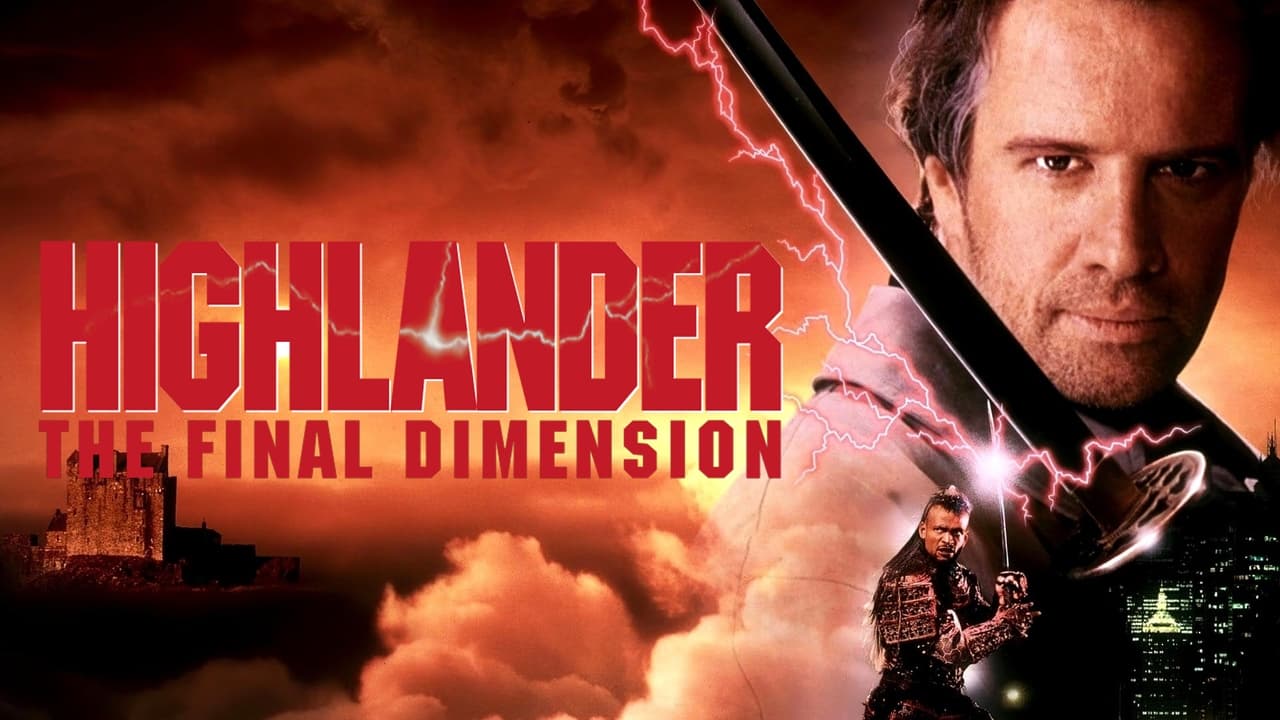
Alright, fellow tapeheads, let’s rewind to a time when the words "There can be only one" still echoed strongly, even if the path there got… complicated. Remember digging through the New Releases at Blockbuster, the weighty feel of that plastic clamshell? Sometimes, you stumbled upon a sequel that tried its very best to pretend its predecessor simply vanished into the ether. Case in point: 1994's Highlander III: The Sorcerer (also known as Highlander: The Final Dimension in some territories). It landed on shelves like a cinematic mulligan, a determined effort to wash away the weird, futuristic taste of Highlander II: The Quickening and bring Connor MacLeod back to something resembling his roots.
### Back to Basics... Sort Of
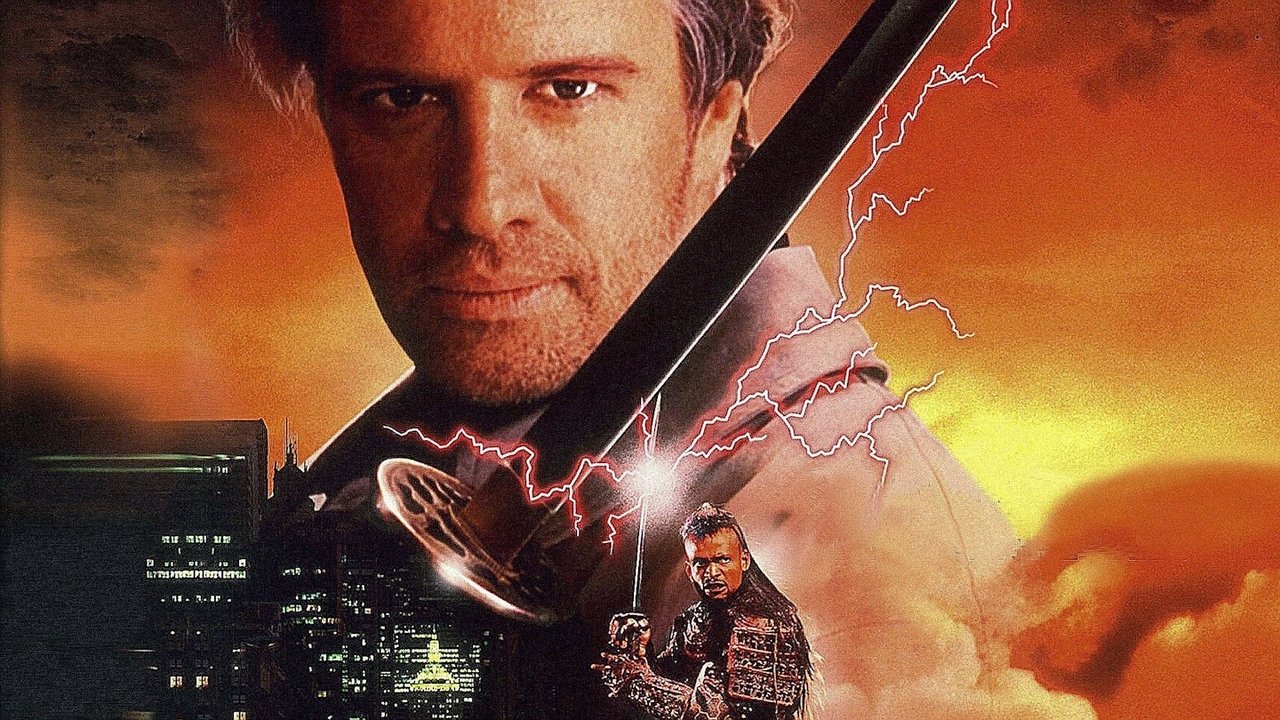
After the bizarre interplanetary retconning of the second film (Zeist, anyone? No? Didn't think so), Highlander III bravely hits the reset button. We find Christopher Lambert back as Connor MacLeod, living a relatively quiet life with his adopted son in Marrakech. Of course, this peace can't last. Deep beneath a Japanese mountain, an archaeological dig accidentally awakens Kane (Mario Van Peebles), a ridiculously powerful Immortal sorcerer who Connor, Nakano (Mako, in a welcome if brief return), and another Immortal banished centuries ago. Kane wants revenge, Kane wants the Prize, and Kane has some seriously flashy illusion powers that feel ripped straight from a mid-90s music video – which makes sense, given director Andrew Morahan primarily came from that world, helming iconic videos for bands like Guns N' Roses.
This return to a more familiar "Immortal hunts Immortal" plot felt like a breath of fresh air back then, didn't it? It wasn't the lightning-in-a-bottle magic of the original 1986 Highlander, directed by Russell Mulcahy, but it was trying. The script, credited to Brad Mirman and Paul Ohl (based on Ohl's story), ditches the sci-fi absurdity and focuses back on historical flashbacks, sword fights, and the melancholic burden of immortality.
### Kane and the Art of Chewing Scenery
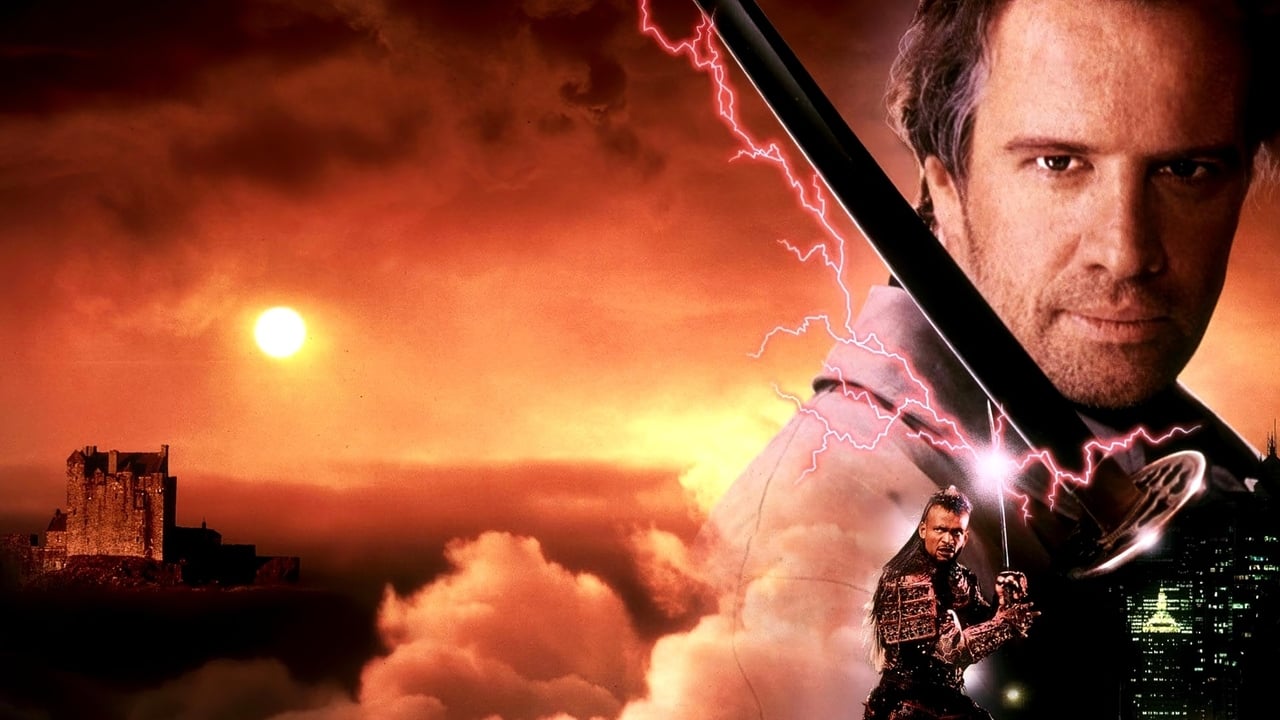
Let's talk about Kane. Oh boy, Mario Van Peebles. Fresh off directing and starring in films like New Jack City (1991), he dives into the role of the villainous sorcerer with the subtlety of a neon jackhammer. Clad in leather, sporting eyeliner, and seemingly channeling equal parts rock star and pantomime villain, Kane is undeniably memorable. He struts, he sneers, he uses illusions that, while maybe not fooling modern eyes accustomed to seamless CGI, felt pretty wild back in '94. Remember that scene where he makes Connor think he's run over his love interest? It was shocking stuff on a fuzzy CRT!
Retro Fun Fact: Van Peebles reportedly embraced the theatricality of the role, seeing Kane not just as a fighter but as a performer who relished messing with his opponents' minds. His energy is infectious, even if it occasionally borders on the cartoonish. It’s a performance that screams "early 90s action villain," and honestly, it’s a huge part of the film's strange charm. He’s having an absolute blast, and it shows.
### That Gritty 90s Action Feel
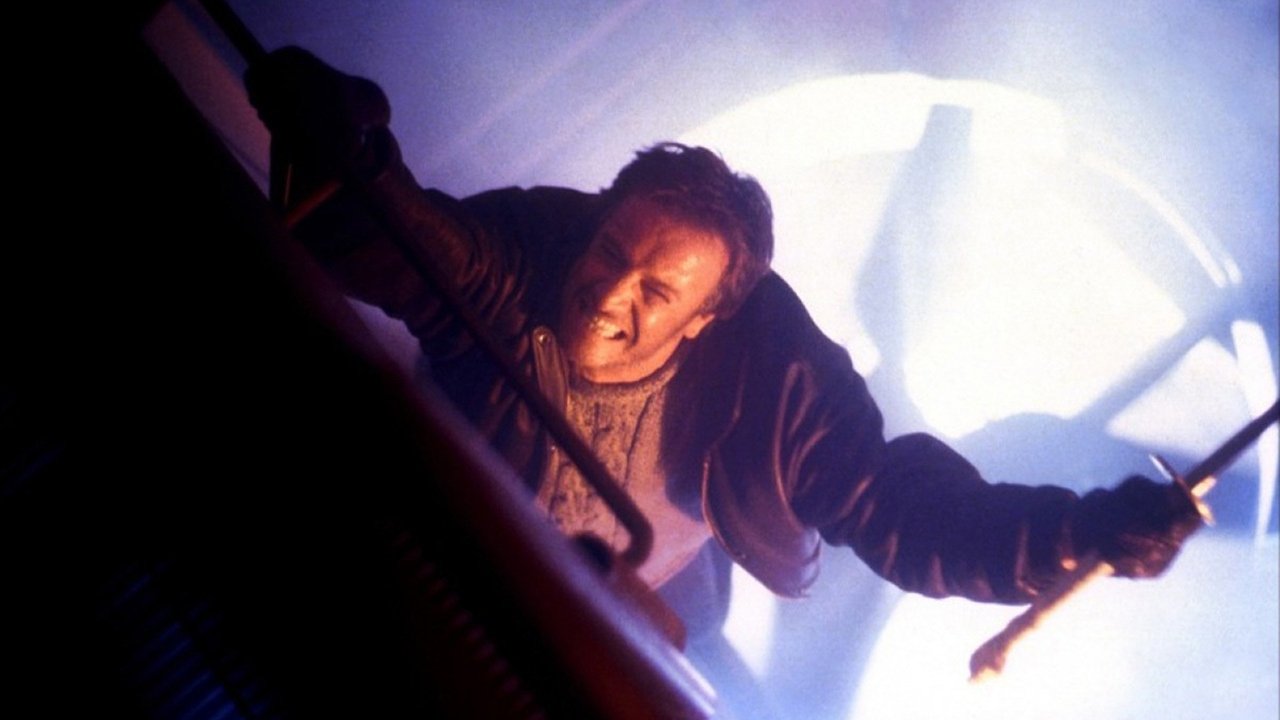
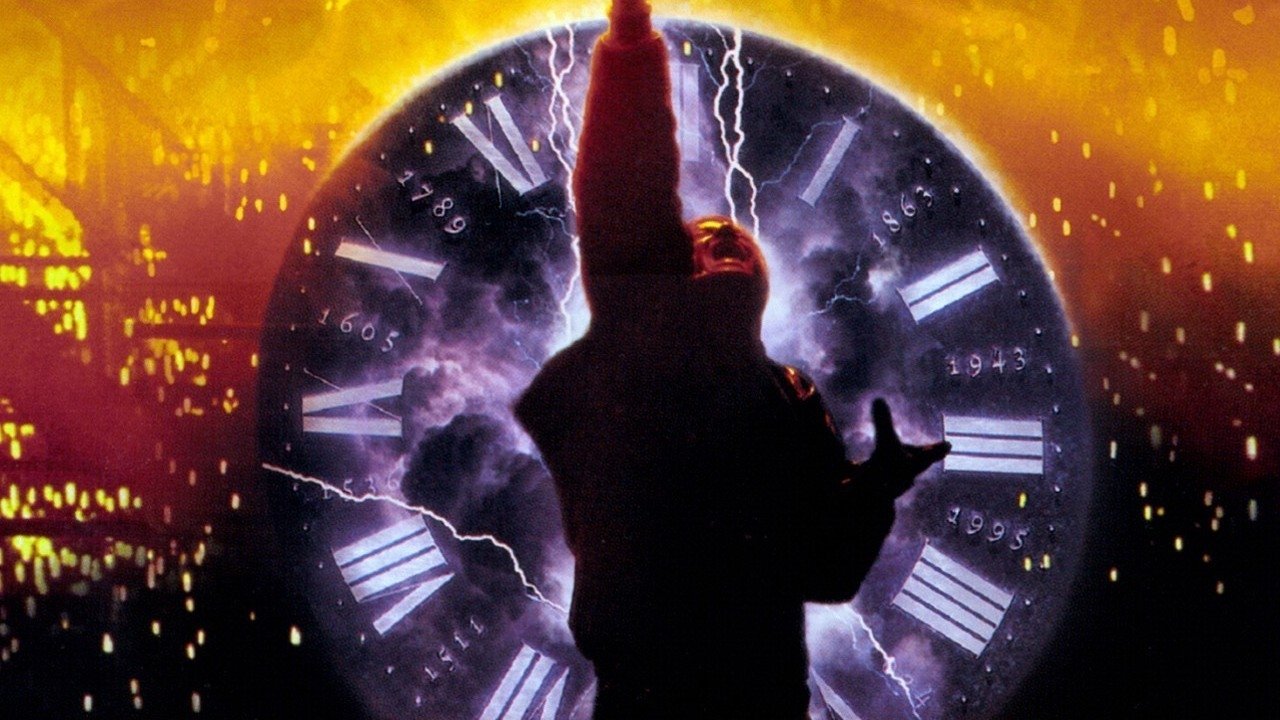
The action sequences in Highlander III definitely have that tangible, pre-digital weight. When Connor and Kane clash, the sword sparks feel real because, well, they often were. Stunt performers were doing intricate choreography, sometimes in challenging locations like the grimy industrial settings or the period flashbacks. Sure, some of the wirework might look a little obvious now, and Kane’s shape-shifting illusions rely heavily on quick cuts and practical morphing effects that haven't aged perfectly, but there’s an undeniable crunch to it all.
Think about that final duel in the abandoned power plant. Sparks fly, metal groans, and the environment feels genuinely dangerous. Contrast that with the often overly polished, physics-defying digital fights of today – there's a raw, grounded intensity here that modern blockbusters sometimes miss. Retro Fun Fact: Filming took place primarily in Montreal and Quebec, Canada, standing in for both modern-day New York City and historical Scotland and Japan. Budget constraints (reportedly around $26 million, a far cry from Highlander II's bloated budget but still substantial for the time) often meant finding creative solutions for locations and effects.
Christopher Lambert, as always, is Connor MacLeod. His unique screen presence, that gravelly voice, the weary eyes that hold centuries of experience – he slips back into the role comfortably. He’s joined by Deborah Kara Unger as Dr. Alex Johnson, an archaeologist inadvertently drawn into the Immortal conflict. She brings a grounded presence that works well opposite Lambert's stoic Highlander, even if the romantic subplot feels a tad formulaic.
### Was it Redemption?
Upon release, Highlander III received a decidedly mixed reception. Critics weren't exactly thrilled, often citing the derivative plot and Van Peebles' over-the-top villain. However, for many fans starved for a "proper" sequel after the debacle of Part II, it felt like a necessary course correction. It wasn't the original, not by a long shot, but it understood the core appeal: moody immortals, cool sword fights, and that lingering sense of tragic romance across time. It performed modestly at the box office, ensuring the franchise would continue, eventually spawning a long-running and beloved TV series starring Adrian Paul.
Finding this tape back in the day often felt like a cautious relief. It wasn't perfect, maybe the picture buzzed a bit on your VCR, but it delivered familiar beats with gusto. Kane's illusions, the clang of steel, Lambert's iconic squint – it was recognizably Highlander again.
Rating: 6/10
Justification: While leagues better than Highlander II and featuring a gloriously unrestrained villain performance from Mario Van Peebles, Highlander III ultimately plays it a bit too safe, retreading familiar ground from the first film without adding much new mythology. The action has that enjoyable 90s practical crunch, and Lambert is dependably stoic, but the plot feels like a "greatest hits" compilation rather than a truly fresh chapter. It earns points for effort in righting the ship and for being genuinely entertaining in its own right, even if it never reaches the heights of the original.
Final Thought: For all its faults, Highlander III is a time capsule of mid-90s action filmmaking – flashy, loud, endearingly earnest, and powered by practical effects and sheer performer charisma before the digital wave fully hit. There may not have been only one good sequel, but this one certainly tried.