Deathstalker and the Warriors from Hell
Alright, fellow tape travelers, let's rewind to a glorious, slightly dusty corner of the video store shelf, probably nestled between a Chuck Norris flick and something starring Reb Brown. Today, we're popping in a tape that embodies the strange magic of late-80s, straight-to-video fantasy: 1988's Deathstalker and the Warriors from Hell, the third (and arguably weirdest) entry in the saga of cinema's second-favorite barbarian. Forget slick production values; this is pure, unadulterated Corman-esque cheese, served up with a side of charmingly clunky ambition.

He Rides Again... Sort Of
First things first: our titular hero, Deathstalker, isn't quite the same muscle-bound lug we might remember from the first two outings. This time, the loincloth is filled by John Allen Nelson (perhaps better known to some from Baywatch or Killer Klowns from Outer Space), bringing a slightly more... well, talkative and less perpetually grimacing vibe to the role. It's a jarring shift, making this feel less like a direct sequel and more like a distant cousin borrowing the family name for a weekend romp. Nelson actually became the third actor to play Deathstalker in just three films, a kind of rotating barbarian door policy that screams "low-budget franchise."
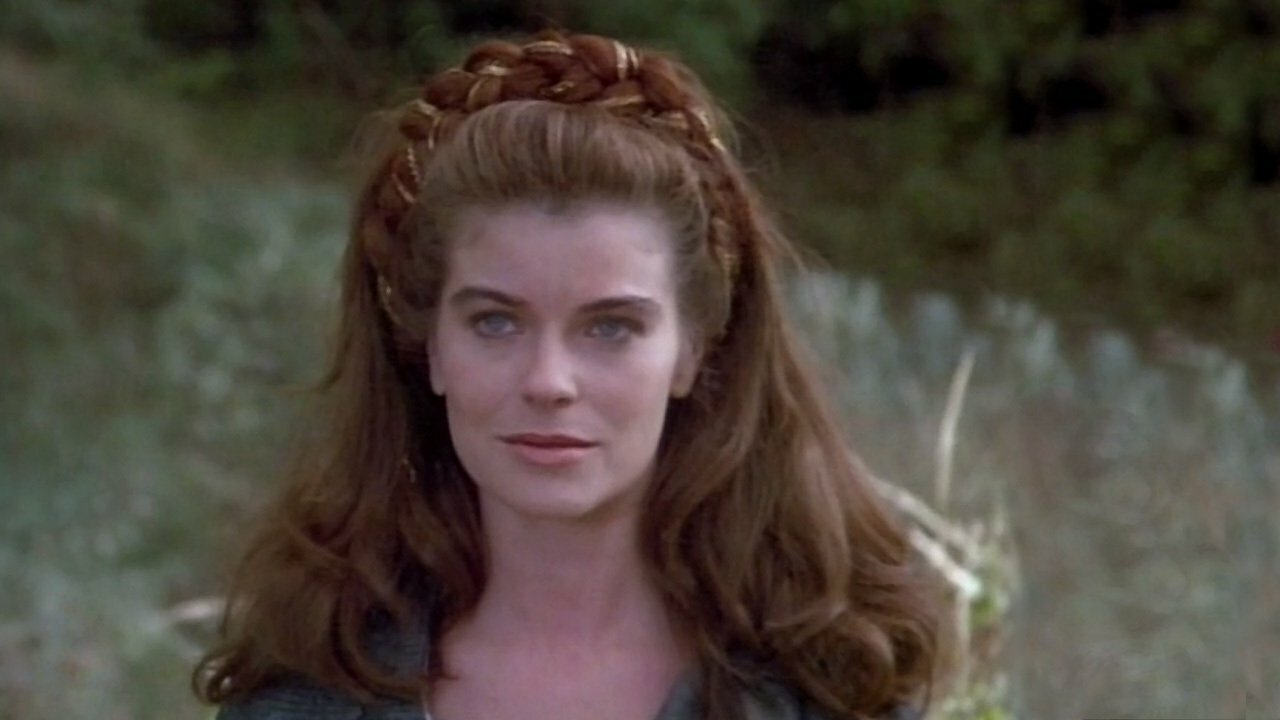
The plot? Oh, it’s a gem of glorious fantasy cliché. Deathstalker gets roped into a quest by a feisty seeress, Nicias (played with gusto by Terri Treas, who genre fans might recognize from The Nest). His mission: find the impossibly pure Princess Carissa (Carla Herd) and two out of three pieces of a magical necklace McGuffin before the nefarious sorcerer Troxartas (Thom Christopher, clearly enjoying himself) can use them for... well, evil stuff. Troxartas, by the way, has a penchant for resurrecting the dead as his personal zombie army – hence the titular "Warriors from Hell," who are less terrifying and more like slightly grumpy medieval reenactors who missed their nap.
Corman's Castle of Cardboard and Courage
This flick screams Concorde Pictures, the Roger Corman outfit notorious for churning out genre pictures faster than you could rewind a tape. Filmed on location in Mexico to keep costs subterranean, the production design has that unmistakable "making the most of very little" aesthetic. Think castles that look suspiciously like repurposed ruins, costumes seemingly stitched together from leftover renaissance faire garb, and props that might have been borrowed from a high school play. But here's the thing: there's an earnestness to it all.
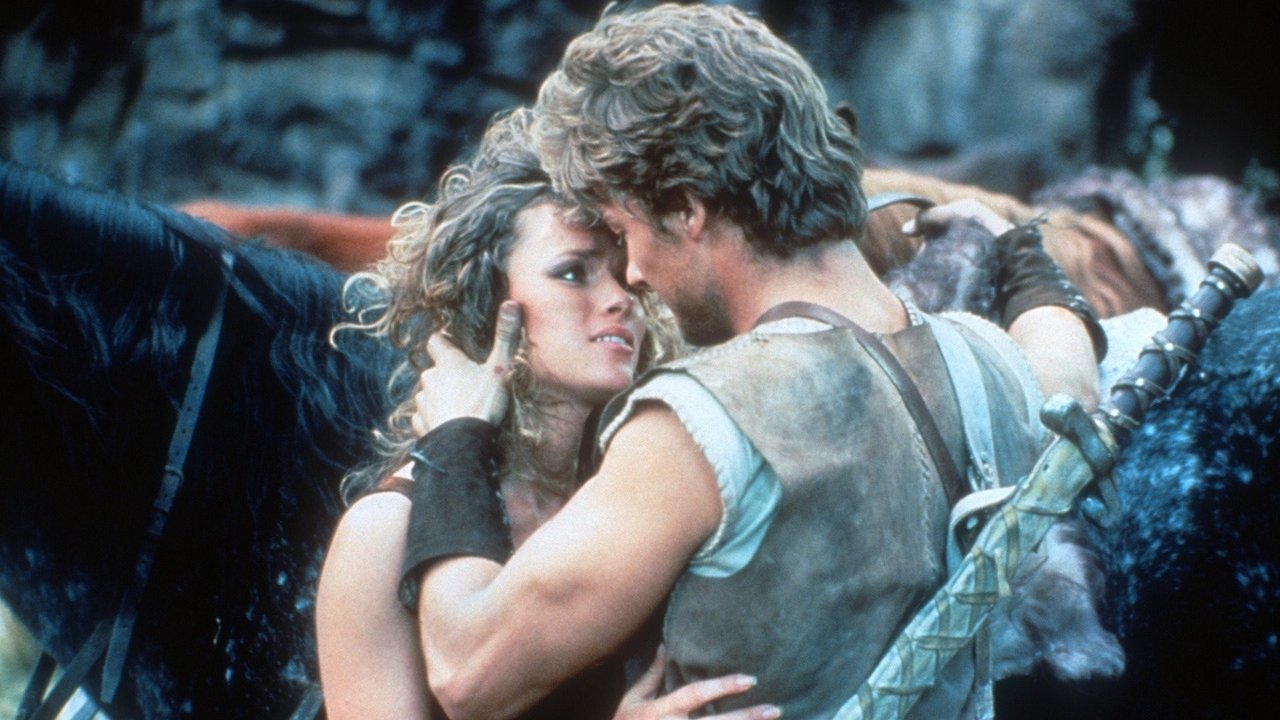
Director Alfonso 'Poncho' Corona, a veteran of Mexican cinema making a rare English-language foray, doesn't try to reinvent the wheel. He leans into the tropes, delivering sword fights, magic spells, and damsels in distress with workmanlike efficiency. The script, penned by Corman stalwart Howard R. Cohen (who gave us the scripts for cult classics like Saturday the 14th and Barbarian Queen), knows exactly what it is: an excuse to string together some moderately exciting set pieces within a familiar fantasy framework.
Retro Fun Fact: Cohen was a master of the Corman method – write fast, write cheap, and make sure there's enough action and maybe a little skin to put on the poster. His scripts often had a knowing wink, even amidst the chaos.
Action! (Kind Of)
Let's talk action. In an era before seamless CGI took over, Deathstalker III's thrills relied entirely on practical effects and stunt performers giving it their all. Remember how real those sword clangs sounded, even if the choreography was a bit basic? The fights here are energetic, if not exactly elegant. There's a certain grounded quality – you see the effort, the near misses, the sheer physicality of swinging heavy prop swords around.
The "Warriors from Hell" themselves? Their makeup is delightfully simple, mostly pale faces and dark eyes, shambling forward with the kind of menace that suggests they're slightly annoyed rather than cosmically evil. When Deathstalker dispatches them, it's often with a straightforward stab or slash, occasionally accompanied by a spurt of suspiciously bright red paint-blood. There’s no digital trickery, just good old-fashioned practical gore effects, the kind that looked perfectly acceptable on a fuzzy CRT screen late on a Friday night. Was it Conan the Barbarian (1982)? Not even close. But did it feel tangible in a way modern effects sometimes miss? Absolutely.
Finding the Fun in the Flaws
Look, nobody's mistaking Deathstalker and the Warriors from Hell for high art. The dialogue occasionally lands with a thud, the plot logic is… flexible, and some of the performances verge on camp. Thom Christopher as Troxartas, in particular, seems to be operating in his own glorious, scenery-chewing dimension, complete with dramatic capes and pronouncements that echo slightly too long in the cavernous (and likely inexpensive) shooting locations.
But that’s part of the charm, isn't it? Finding this tape at the rental store, maybe drawn in by the lurid cover art promising epic battles and scantily clad warriors, was an adventure in itself. You knew it wasn't going to be Star Wars, but it promised 90 minutes of uncomplicated fantasy escapism. I distinctly remember renting this one, perhaps confusing it with its predecessors, and being thoroughly amused by its sheer, unpretentious B-movie energy. It delivered exactly what it promised: a dude named Deathstalker fighting some zombies and a wizard. Mission accomplished.
It never set the box office alight – this was prime straight-to-video fodder. Critics at the time likely dismissed it (if they noticed it at all), but for kids and teens prowling the aisles of Blockbuster or Hollywood Video, it was another fantasy adventure to devour.
Rating: 4/10
Justification: Let's be honest, judged by conventional standards, this film has more holes than Troxartas's zombie horde. The acting is uneven, the budget constraints are glaringly obvious, and the plot is derivative. However, for fans of cheesy 80s fantasy, Roger Corman productions, or simply those nostalgic for the era of anything-goes video rentals, there's undeniable fun here. John Allen Nelson is a likable enough hero, Thom Christopher is a hoot, and the earnest, practical approach to its low-budget mayhem earns it a few points for sheer nostalgic charm and unintentional comedy. It's objectively not "good," but it's definitely watchable and amusing if you're in the right frame of mind.
Final Thought: Deathstalker III is like that weird, off-brand breakfast cereal you secretly loved as a kid – it might not have been nutritious, but it sure was a sugary, colorful blast while it lasted. A perfect slice of end-of-the-decade VHS fantasy fodder.