Sometimes, amidst the neon glow and booming soundtracks that defined so much of the 80s cinematic landscape, a film arrives like a quiet, insistent whisper. It doesn't shout for attention, yet its resonance lingers long after the VCR clicks off and the tape is rewound. Peter Masterson's 1985 adaptation of Horton Foote's celebrated play, The Trip to Bountiful, is precisely such a film – a profoundly moving study of memory, yearning, and the enduring human need for a place called home. Finding this gem on the rental shelves, perhaps nestled between louder action fare or sprawling sci-fi epics, always felt like uncovering something special, something deeply human.
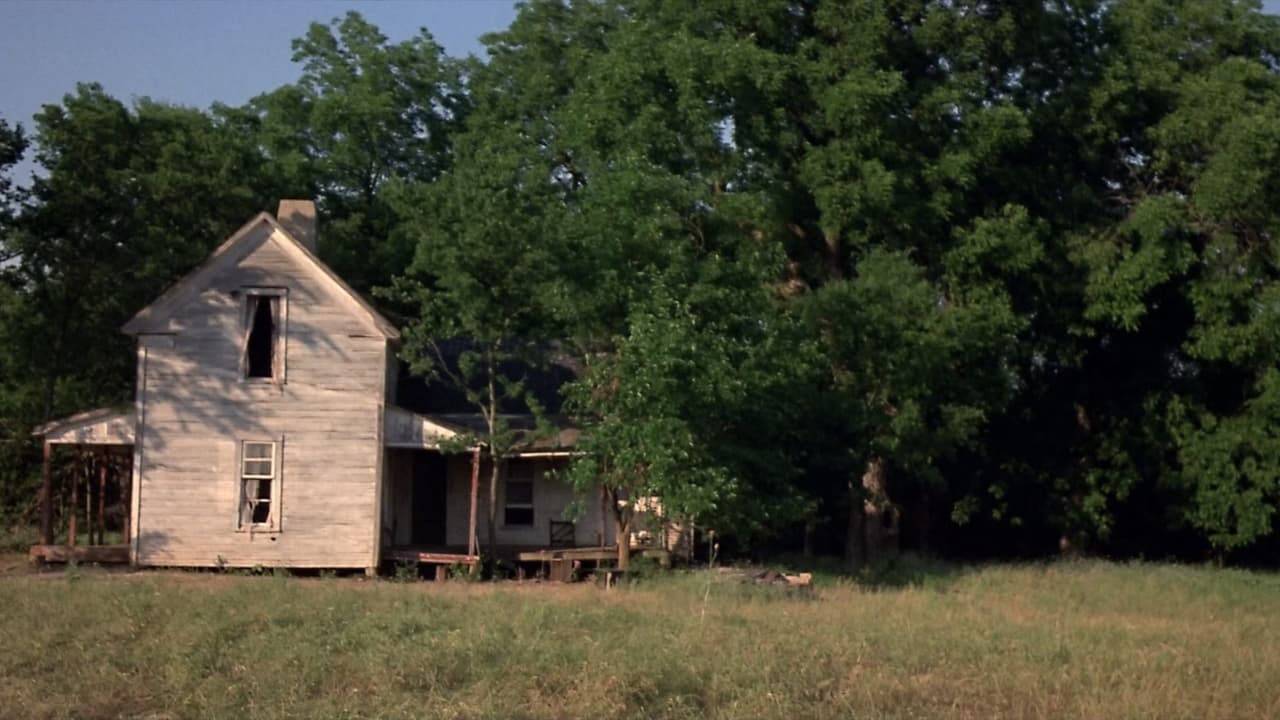
### A Gentle Heart in a Cramped World
The film introduces us to Carrie Watts (Geraldine Page), an elderly woman living in a cramped Houston apartment with her dutiful but weary son, Ludie (John Heard), and his self-absorbed, image-conscious wife, Jessie Mae (Carlin Glynn). The air in their small home is thick with unspoken tensions and years of quiet disappointments. Carrie's world has shrunk, but her spirit remains fixed on one unwavering desire: to return, just once more, to Bountiful, the small Texas town where she grew up, experienced love, and felt truly alive. It’s a place that exists more vividly in her memory than perhaps in reality, a symbol of everything she feels she has lost.
The central conflict is deceptively simple: Carrie wants to go home; Ludie and Jessie Mae, concerned for her health and perhaps burdened by her presence, prevent her. Yet, beneath this surface lies a rich tapestry of themes – the erosion of time, the complex dynamics of family obligation, the search for dignity in old age, and the almost physical ache of nostalgia. Horton Foote's screenplay, adapted from his own 1953 teleplay and later Broadway production, is a masterclass in understatement. Dialogue often reveals more in what's not said, in the weary sighs and averted glances, than in direct confrontation.
### The Unforgettable Force of Carrie Watts
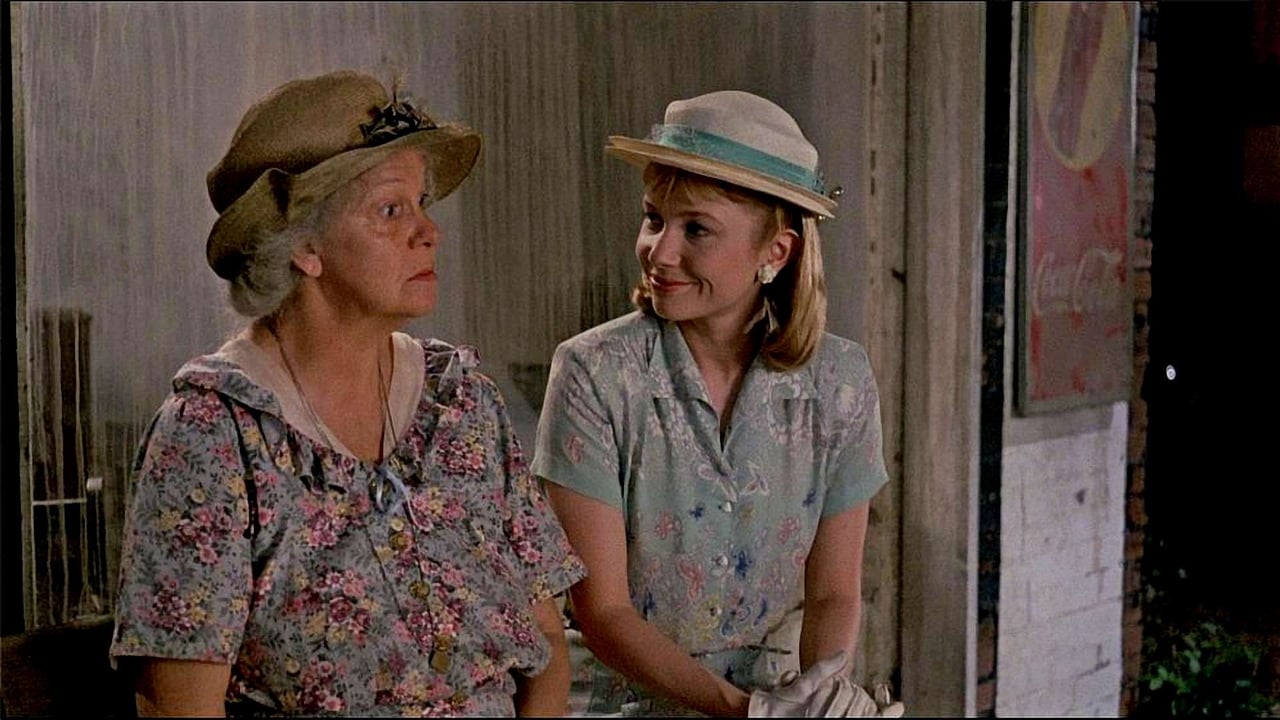
At the heart of The Trip to Bountiful is Geraldine Page's monumental performance, one that rightfully earned her the Academy Award for Best Actress after seven previous nominations. It’s impossible to overstate the brilliance of her portrayal. Page doesn't just play Carrie Watts; she inhabits her. There’s a fragility there, yes, in her slight frame and the occasional tremor in her voice, but beneath it lies an unyielding core of determination. Watch her eyes as she plots her escape to the bus station, the blend of mischievousness and desperation. See the subtle ways she registers Jessie Mae’s casual cruelties, not with outrage, but with a profound, weary sadness.
What makes Page’s performance so authentic is its refusal to slip into caricature or sentimentality. Carrie can be stubborn, even manipulative in her single-minded pursuit of Bountiful. Yet, her yearning feels so pure, so deeply rooted in a universal human desire for connection and belonging, that we are entirely on her side. Her interactions on the bus journey, particularly with the kind stranger Thelma (Rebecca De Mornay), are moments of grace, revealing Carrie’s warmth and her capacity for connection when freed, however temporarily, from the stifling atmosphere of the apartment. It was a role Page had played before, both on television and Broadway, and that deep familiarity allowed for layers of nuance that feel utterly lived-in.
### Supporting Roles, Unspoken Histories
The supporting cast is equally crucial. John Heard, often remembered for more outwardly robust roles like the dad in Home Alone (1990), delivers a wonderfully sensitive performance as Ludie. He’s trapped between love for his mother and loyalty (or perhaps resignation) to his wife. His fatigue feels palpable; you see the weight of his own unfulfilled dreams and the quiet guilt he carries. The scene where he finally confronts his own disappointments is heartbreaking in its restraint.
Carlin Glynn (who won a Tony for the stage version, and was director Peter Masterson's wife) navigates the tricky role of Jessie Mae with skill. It would be easy to paint her as a simple villain, but Glynn allows glimpses of insecurity beneath the vanity and nagging. She represents a different kind of entrapment – one defined by social expectations and material concerns, a stark contrast to Carrie's spiritual yearning. The tension between these two women, fueled by proximity and vastly different values, forms the film's emotional pressure cooker.
### Retro Fun Facts: A Journey to Screen
The Trip to Bountiful's path to the big screen was a long one. Horton Foote first wrote it as a television play in 1953, starring Lillian Gish. It later became a Broadway play (also starring Gish, and later Page). Getting the film made in the mid-80s, an era not exactly clamoring for quiet character studies about the elderly, was a testament to the persistence of Foote, Page, and the producers.
- The film was made on a relatively modest budget of around $1.6 million, relying on the strength of its script and performances rather than spectacle. It found critical acclaim and earned back a respectable $7.5 million, proving there was an audience for thoughtful drama.
- Keep an eye out for Horton Foote's daughter, Hallie Foote, in the role of Rosa, the bus station ticket agent – a subtle family connection within the production.
- The film's gentle, evocative score was composed by J.A.C. Redford, perfectly complementing the melancholic yet hopeful tone.
### The Enduring Power of Place
Does Carrie find the idyllic Bountiful she remembers? The film handles this question with grace and realism. What matters isn't just the physical destination, but the journey itself – the act of reclaiming agency, of asserting her own needs and memories against the forces that seek to diminish them. It poses a question that resonates deeply, especially as years pass: What remains when the landscapes of our youth change or fade? Is 'home' a place on a map, or a state of the soul?
The Trip to Bountiful isn't flashy. It doesn't offer easy answers. Its power lies in its quiet observations, its deep empathy, and the unforgettable truth of Geraldine Page's performance. Watching it again now, decades after first discovering it on a worn VHS tape, feels like revisiting an old friend who still has profound things to say about life, loss, and the enduring strength of the human spirit.
Rating: 9/10
This near-perfect score reflects the film's exceptional screenplay, Peter Masterson's sensitive direction, and, above all, Geraldine Page's legendary, career-defining performance. The supporting cast is flawless, and the film's exploration of universal themes is handled with remarkable grace and emotional honesty. It's a quiet masterpiece that might have been overshadowed in its day but remains deeply affecting.
Final Thought: It’s a film that reminds us that sometimes the most profound journeys are not across continents, but back to the landscapes etched deepest in our hearts.