Here we go again, pulling another tape from the shelf, the weight of it familiar in the hand. This time, it’s not an explosive action flick or a creature feature. It’s something quieter, yet somehow heavier: Robert Redford's directorial debut, Ordinary People (1980). I remember encountering this one, perhaps nestled between more bombastic fare at the video store, its unassuming cover hinting at the deep currents beneath. It wasn't the kind of film you watched casually; it demanded your attention, your empathy, and maybe even a piece of your soul.
### The Stillness After the Storm
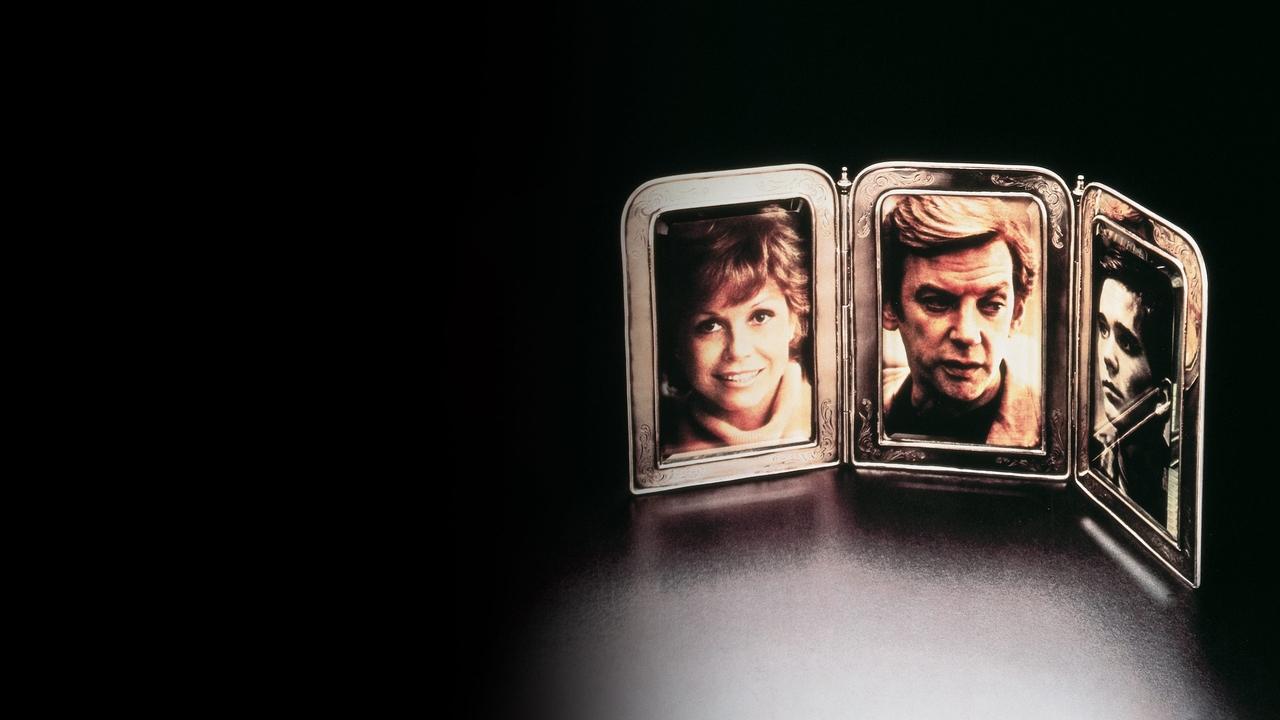
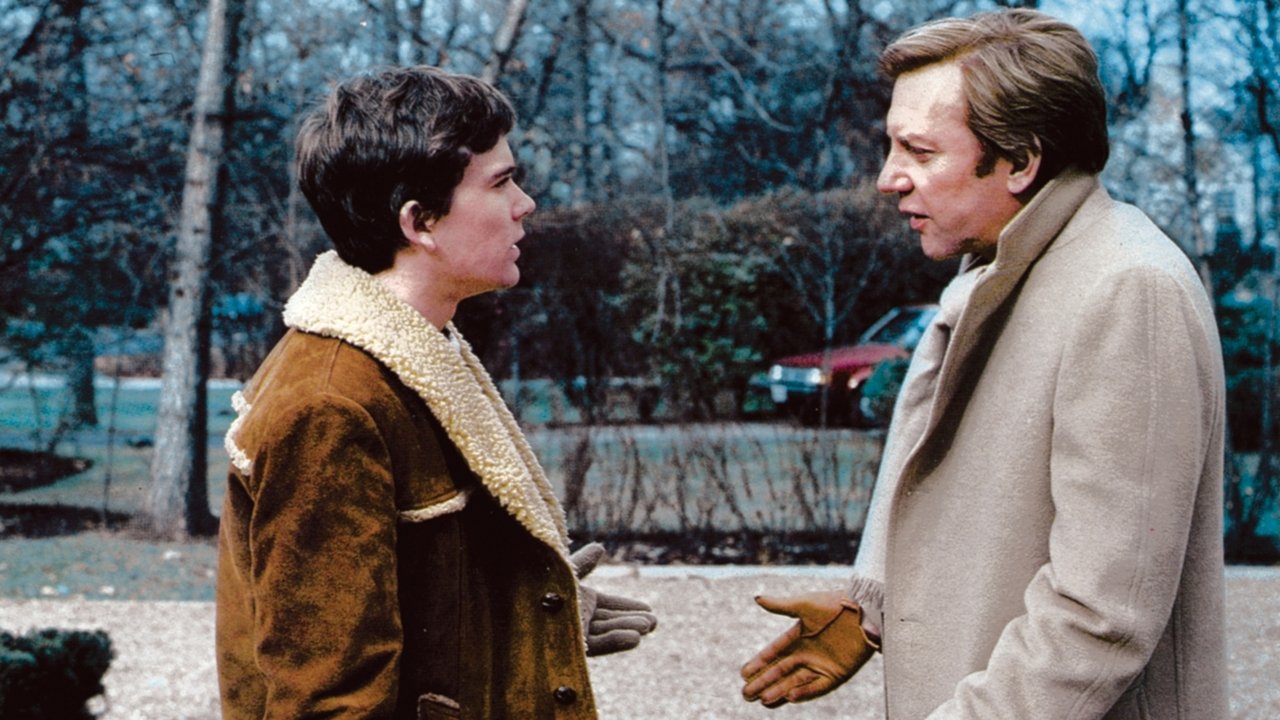
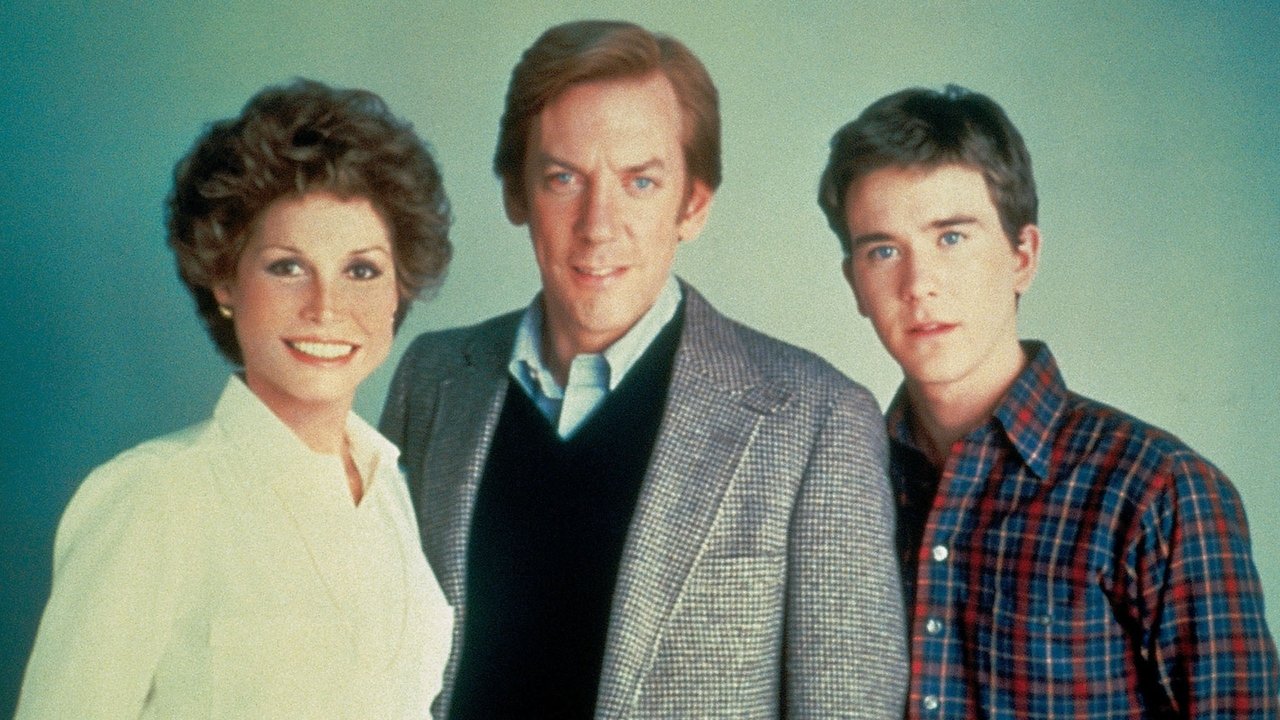
What strikes you first about Ordinary People, even now, isn't a dramatic event, but a pervasive quietness. It opens not with the inciting tragedy, but in its aftermath, immersing us in the chilly, rarefied air of the Jarrett household in affluent Lake Forest, Illinois. We meet Conrad (Timothy Hutton), recently returned home after a suicide attempt following the accidental drowning death of his older brother, Buck. His father, Calvin (Donald Sutherland), tries desperately, awkwardly, to reconnect, fussing over French toast and forced smiles. And then there's Beth (Mary Tyler Moore), the mother, radiating a brittle perfection, more concerned with appearances and maintaining control than confronting the grief that suffocates them all. The central tragedy has already happened; the film is about the emotional shrapnel, the invisible wounds that refuse to heal.
### An Unlikely Director's Vision
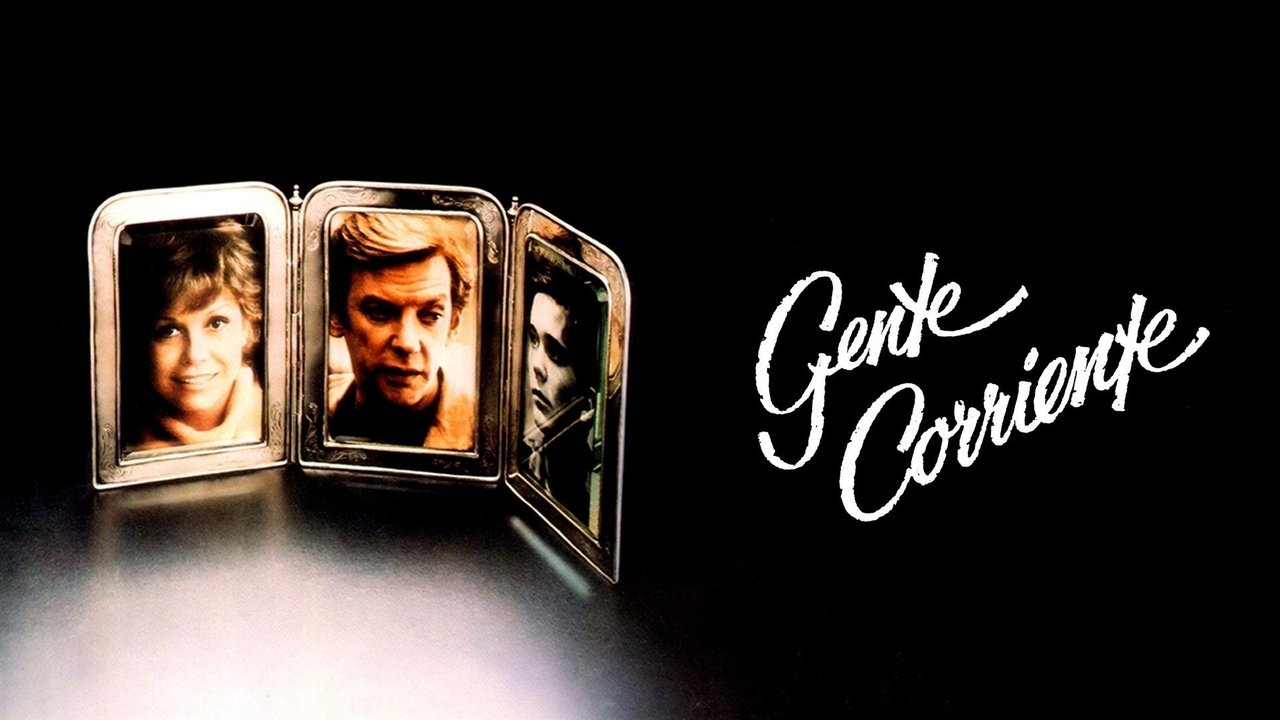
It remains remarkable that Robert Redford, then primarily known as a charismatic leading man, chose this story for his first time behind the camera. Adapted from Judith Guest's novel by Alvin Sargent, it’s a film devoid of easy answers or cinematic fireworks. Redford’s direction is deliberately unobtrusive, letting the performances and the charged silences do the heavy lifting. He uses the placid beauty of the suburban setting – manicured lawns, comfortable interiors – not as a comforting backdrop, but as a mask, highlighting the profound dysfunction simmering just beneath the surface. It's a choice that feels incredibly deliberate; the more "perfect" things look, the more unsettling the emotional reality becomes. Reportedly, Redford fought studio reluctance, pouring his own conviction into bringing this intimate, painful story to the screen, a conviction that ultimately led to an Academy Award for Best Director and Best Picture, famously winning over Scorsese's Raging Bull.
### Performances That Cut to the Bone
The power of Ordinary People resides overwhelmingly in its performances, each a masterclass in nuanced emotional expression. Donald Sutherland as Calvin is the aching heart of the film. He’s a man realizing, perhaps too late, the profound disconnect within his own family. His love for Conrad is palpable, but so is his fear and his inability to bridge the gap with Beth. You see the conflict warring within him in every hesitant gesture, every searching glance.
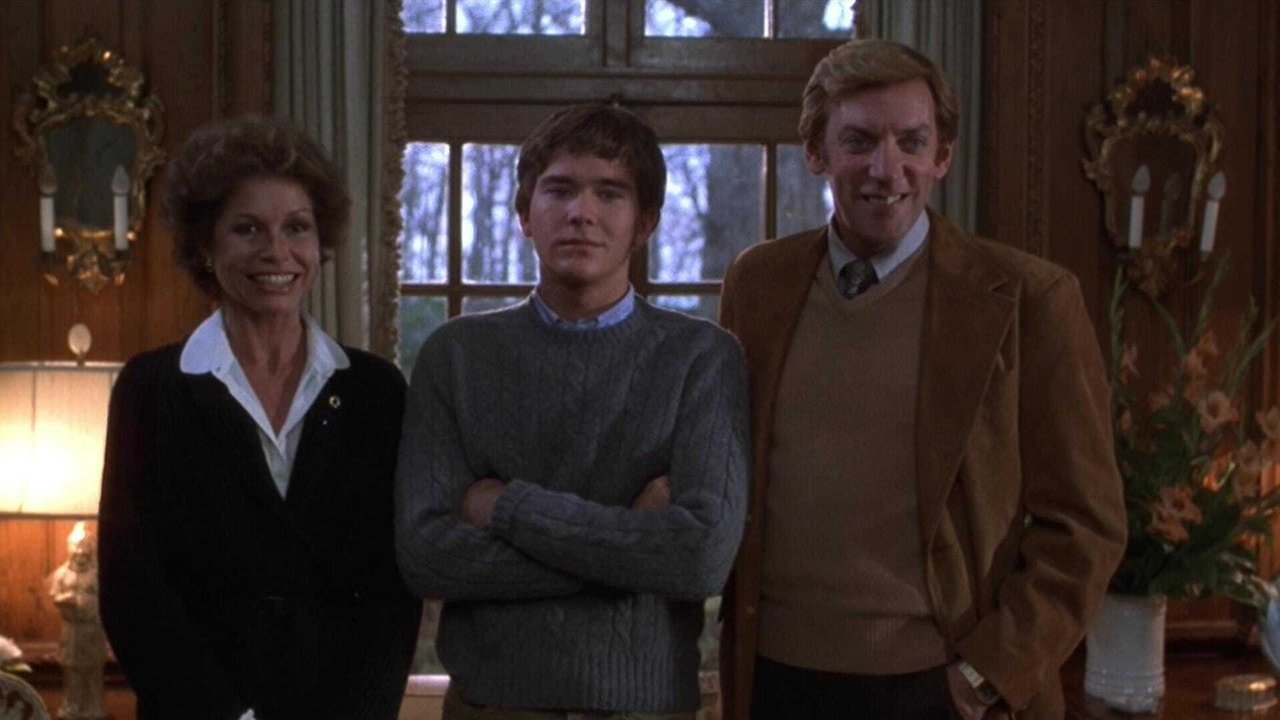
Then there's Mary Tyler Moore. Casting America’s darling, the effervescent Mary Richards, as the cold, emotionally guarded Beth was a stroke of genius, and a significant risk for her career at the time. Moore delivers a truly chilling performance, embodying a woman so terrified of messy emotion that she’s walled herself off entirely. Her grief is channeled into maintaining order – fixing drinks, planning trips, polishing the silver – anything but acknowledging the gaping wound left by Buck's death and Conrad's subsequent breakdown. It's not simple villainy; it's a portrait of profound, perhaps irreparable, damage. One wonders how much Moore drew upon her own personal tragedies, including the loss of her son, to access such depths of controlled sorrow.
And at the center, Timothy Hutton, in a performance that earned him the Academy Award for Best Supporting Actor (making him the youngest ever winner in that category at 20). His Conrad is a raw nerve – jumpy, anxious, filled with guilt and anger he can barely articulate. Hutton captures the agonizing awkwardness of teenage despair, the feeling of being an alien in your own home. The fact that Hutton's own father, actor Jim Hutton, had passed away not long before filming adds an almost unbearable layer of poignancy to his portrayal of grief and loss.
### Finding a Voice in the Quiet Room
Conrad's journey towards healing begins, tentatively, in the office of Dr. Berger, played with gruff empathy by Judd Hirsch (also Oscar-nominated). These therapy sessions are the film's pressure valve, where the repressed emotions finally start to surface. Berger isn't a miracle worker; he's direct, sometimes confrontational, pushing Conrad to confront the pain he's desperately trying to suppress. Hirsch, who apparently based some of Berger's mannerisms on his own therapist, creates a space where honesty, however painful, feels possible. These scenes feel remarkably authentic, avoiding the clichés often associated with cinematic therapy. They underscore the film’s central theme: communication, or the lack thereof, is at the root of the family's suffering.
### More Than Just Ordinary
Watching Ordinary People today, perhaps on a format far removed from the well-worn VHS tapes of memory, its power hasn't diminished. The use of Pachelbel's Canon, while perhaps feeling a touch overfamiliar now due to its subsequent ubiquity, was undeniably effective then in underscoring the film's melancholic elegance. The film cost a relatively modest $6 million but resonated deeply, earning over $54 million domestically – a testament to how its quiet truths struck a chord. It peels back the layers of suburban contentment to reveal the messy, complicated, often painful realities of family life, grief, and the difficult path toward understanding, if not always reconciliation. It asks us: how do we connect when we’re drowning in our own unspoken sorrows? What does it take to truly see the people closest to us?
Rating: 9/10
This rating feels earned by the sheer force of the performances, Redford's sensitive and assured direction, and the film's unflinching honesty. It loses a point perhaps only for the slightest sense of period melodrama that occasionally surfaces, primarily through the score, but its core remains remarkably timeless. Ordinary People isn't an easy watch, but it’s an essential one – a quiet earthquake of a film that lingers long after the screen goes dark, reminding us that the deepest struggles often unfold behind the most placid facades. It’s a film that trusts its audience to sit with discomfort, to listen to the silences, and to recognize the extraordinary weight carried by seemingly ordinary lives.