There's a particular kind of unease that settles in when the perceived safety of home is threatened from within. It’s not the overt horror of a masked intruder, but the creeping dread of recognizing danger in someone welcomed through the front door. This unsettling intimacy is the chilling core of Michael Apted's 1984 drama, Firstborn, a film that might have easily been lost among the brighter, louder offerings on the video store shelf but holds a disquieting power that lingers long after the tape stops rolling.
### When Trouble Comes Calling
The initial setup feels familiar, almost comforting in its slice-of-life portrayal. Wendy (Teri Garr) is a recently divorced mother doing her best to raise her two sons, 16-year-old Jake (Christopher Collet) and his younger brother Brian (Corey Haim). There's a sense of fragile normalcy, the understandable bumps of navigating a new family structure. Teri Garr, often celebrated for her comedic timing in classics like Young Frankenstein (1974) or Tootsie (1982), brings a vulnerability here that's deeply affecting. She portrays Wendy not as neglectful, but perhaps naive, yearning for stability and affection, making her susceptible to the charms of the wrong person. That person arrives in the form of Sam (Peter Weller), a charismatic entrepreneur who sweeps Wendy off her feet.
### The Slow Burn of Menace
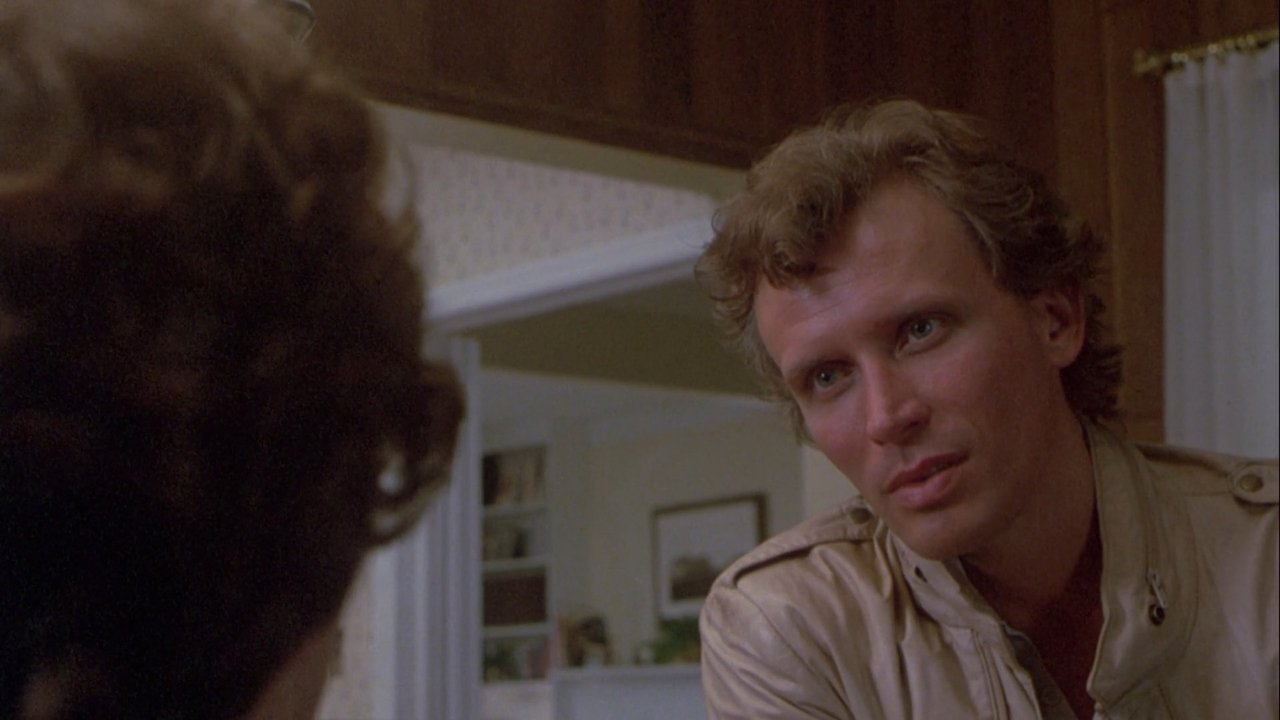
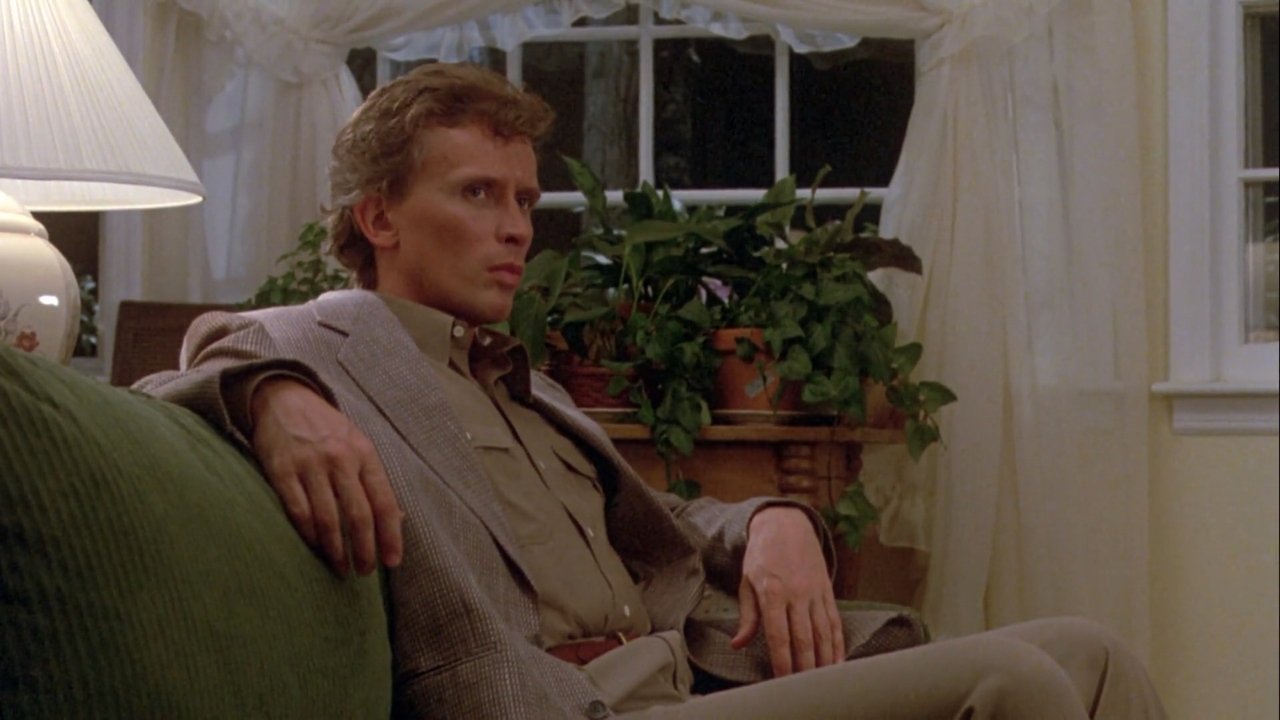
Sam's introduction is key to the film's effectiveness. He isn't immediately villainous. Peter Weller, three years before donning the iconic suit in RoboCop (1987), crafts a performance layered with surface appeal and simmering volatility. Sam brings gifts, fixes things around the house, and initially seems like the strong male figure the family might be missing. But Michael Apted, drawing perhaps on the observational eye honed during his acclaimed Up documentary series, allows doubt to seep in gradually. It's in Sam's possessiveness, his casual lies, the subtle shifts in his demeanor when challenged, particularly by Jake. The screenplay by Ron Koslow (who would later create the cult classic TV series Beauty and the Beast) wisely avoids melodrama, letting the tension build through small, unsettling moments – a look held too long, a veiled threat disguised as advice.
### A Teenager's Burden
At the heart of Firstborn is Christopher Collet's remarkable performance as Jake. He embodies the film's title – the firstborn son thrust into the role of protector far too soon. Collet conveys Jake's journey from typical teenage concerns (school, his relationship with girlfriend Lisa, played by a very young Sarah Jessica Parker) to a state of near-constant vigilance and mounting fear. We see the weight settle on his shoulders as he begins to uncover the truth about Sam – his drug use, his dealing, his potentially violent past. It's a performance devoid of histrionics, rooted in a believable adolescent anxiety that curdles into desperate resolve. Watching Jake try to shield his increasingly oblivious mother and younger brother is genuinely stressful. It’s a burden no teenager should have to bear, and Collet makes us feel every ounce of it.
### Grit Beneath the Gloss
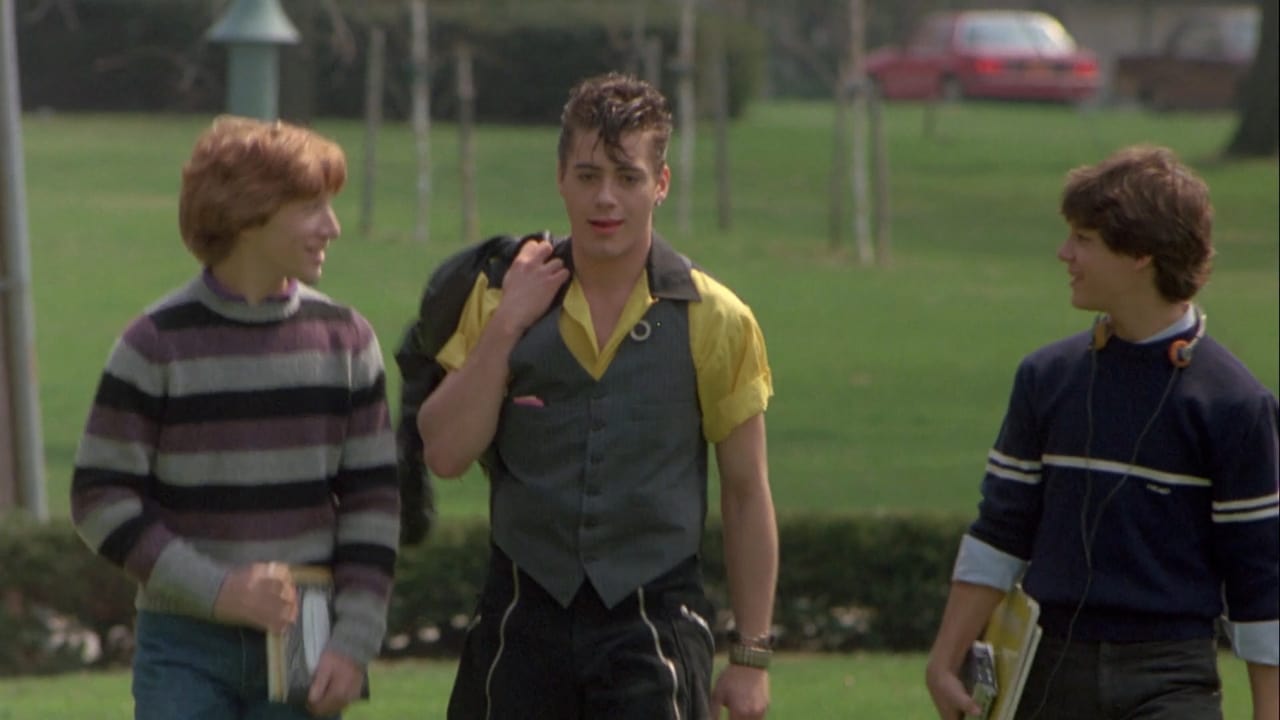
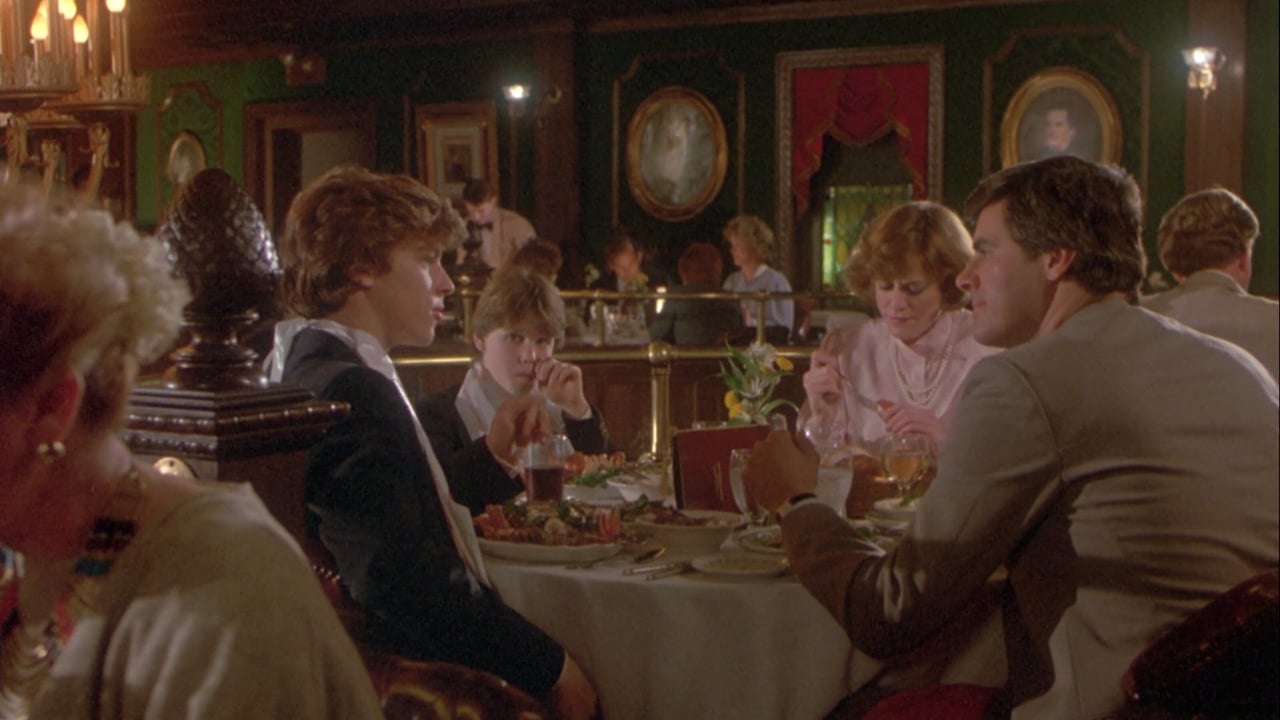
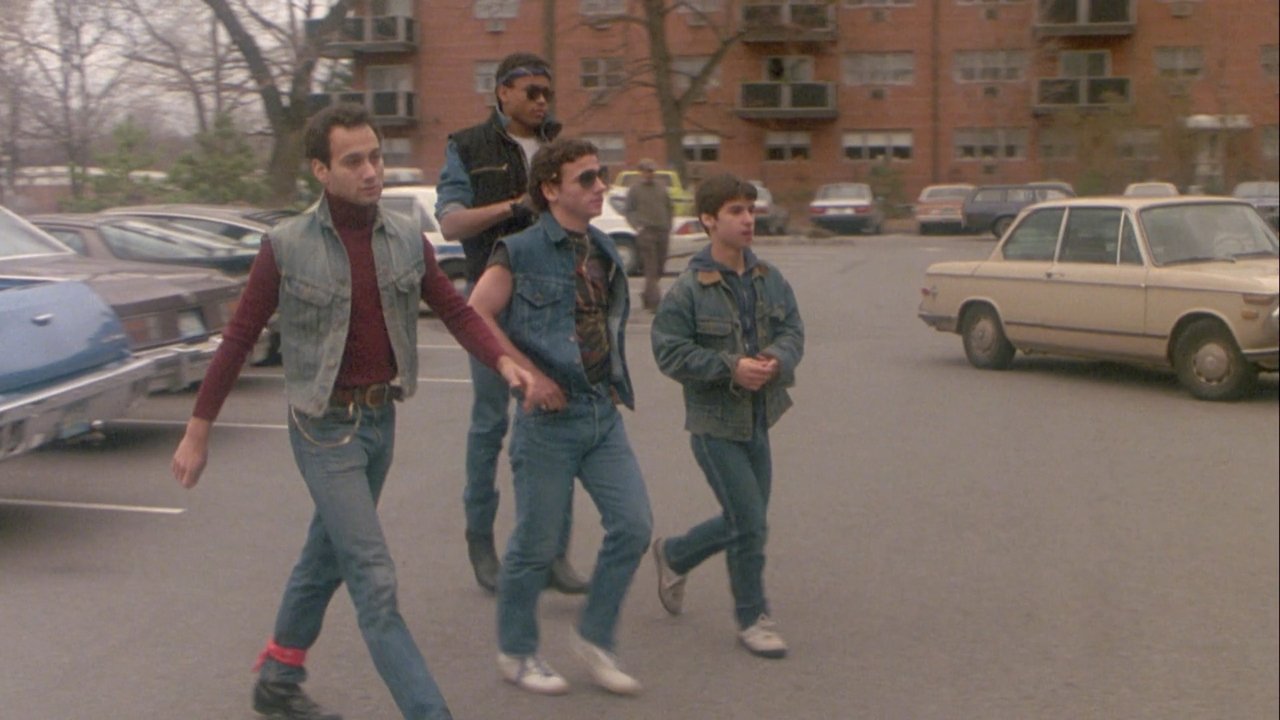
What makes Firstborn stand out, particularly looking back from our vantage point, is its refusal to conform to standard 80s movie tropes. There are no easy answers here, no swift heroic interventions from outside figures. The police are skeptical, the absent father is largely ineffective, and Jake is essentially alone in his struggle. Apted directs with a focus on realism, capturing the claustrophobia of the family home as Sam's influence grows. The film doesn't shy away from the uglier aspects of the situation – the arguments, the manipulation, the palpable sense of danger. Even the supporting cast feels grounded, with early appearances by Corey Haim, capturing a natural brotherly dynamic before his ascent to teen idol status, and even a small role for Robert Downey Jr. as one of Jake’s friends. It's fascinating to see these future stars in such an unvarnished, character-driven piece. Reportedly, the film faced some challenges finding its tone, balancing the family drama with the thriller elements, a tightrope walk Apted largely navigates successfully, thanks in no small part to the committed cast.
### An Uncomfortable Truth
Firstborn isn't always a comfortable watch. It taps into primal fears about protecting family and the terrifying realization that sometimes the greatest threats don't announce themselves with flashing lights but slip quietly into our lives. It explores the difficult dynamics when a child perceives danger that a parent, blinded by hope or denial, cannot see. Does Wendy’s desperation for partnership excuse her blindness to Sam’s flaws? How much responsibility falls on Jake to act when the adults fail him? These aren't questions with simple answers, and the film respects the viewer enough not to provide them neatly wrapped up. I remember renting this back in the day, expecting perhaps something lighter based on Teri Garr's presence, and being struck by its intensity and the knot of anxiety it left in my stomach. It felt different, more grounded than many thrillers of the period.
Rating: 7.5/10
Justification: Firstborn earns its rating through its powerful, nuanced performances, particularly from Christopher Collet and Peter Weller, its effective slow-burn tension meticulously crafted by Michael Apted, and its willingness to tackle difficult themes with uncomfortable realism. It avoids easy resolutions, which might frustrate some, but strengthens its impact as a thoughtful drama. While perhaps lacking the stylistic flair or high-concept hook of other 80s staples, its grounded portrayal of domestic unease and a teenager forced into premature adulthood gives it a distinct and memorable edge.
It remains a potent, somewhat overlooked entry from the era – a stark reminder that sometimes the most unsettling stories are the ones that feel disturbingly plausible, unfolding not in some shadowy back alley, but within the four walls we call home.