What lingers more powerfully than a story half-told? Some films achieve greatness through completion, tying up every thread. Others, like Víctor Erice’s hauntingly beautiful El Sur (The South) from 1983, achieve a different kind of resonance precisely because they remain incomplete, leaving us perpetually suspended in a state of melancholic wonder. Watching it feels less like uncovering a narrative and more like glimpsing fragments of memory, coloured by childhood perception and the inevitable shadows of adult secrets.

This wasn't a film that screamed from the shelves of my local video store back in the day, nestled between the action blockbusters and creature features. Discovering El Sur, perhaps on a flickering late-night channel or through a film club recommendation, felt like uncovering a hidden frequency – quieter, more introspective, yet vibrating with an emotional intensity that stayed long after the credits rolled. It speaks not in explosions, but in whispers, glances, and the evocative power of unspoken longing.
A Child's Gaze, An Adult's Mystery
Set in the austere north of Spain during the post-Civil War years, the film unfolds through the eyes of Estrella, first as a young girl (Sonsoles Aranguren) and later as an adolescent (Icíar Bollaín). She worships her father, Agustín (Omero Antonutti), a doctor and dowser who seems to possess a quiet magic, yet carries an immense, unspoken sadness linked to his past in the titular, unseen South. Estrella pieces together fragments of his life – whispers of a lost love, political disillusionment, a profound estrangement from his own father – trying to assemble the puzzle of the man she adores but cannot fully comprehend.
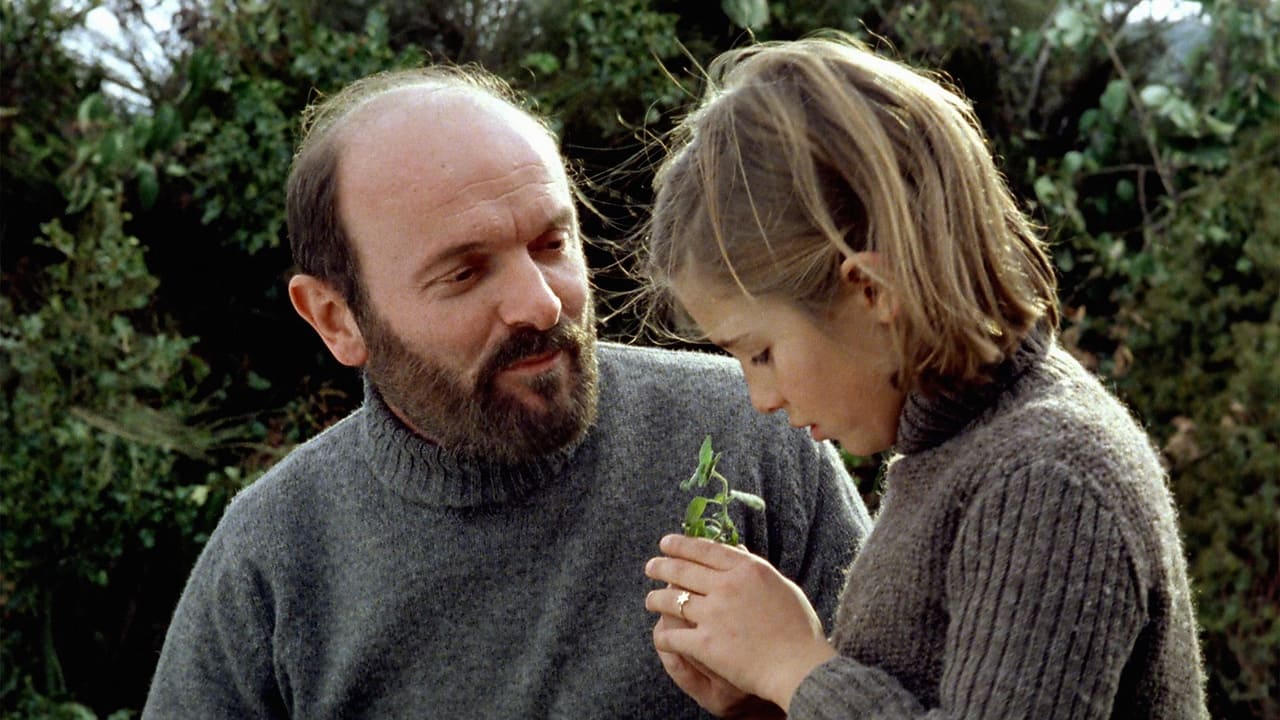
The film masterfully captures the way children perceive the adult world: a realm of coded conversations, significant silences, and emotions felt but not understood. Sonsoles Aranguren is simply captivating as the young Estrella, her wide eyes absorbing every detail, her belief in her father’s almost mythical powers utterly convincing. Later, Icíar Bollaín (who would go on to become a respected director herself) embodies the adolescent shift, where adoration mixes with dawning awareness and the painful realization that parents are flawed, complex individuals with histories that predate our existence.
The Unfinished Symphony
The most crucial piece of trivia surrounding El Sur isn't a fun on-set anecdote; it's the defining characteristic of the film itself. Víctor Erice, known for his painstaking methods and poetic vision already displayed in the legendary The Spirit of the Beehive (1973), had planned a second half. This part would have followed Estrella south, finally confronting the myths and realities of her father’s origins. However, producer Elías Querejeta famously shut down production after seeing the first 90 minutes (intended as the 'North' section), citing budget concerns but perhaps also believing, somewhat contentiously, that the existing film stood on its own. Erice, devastated, never filmed the southern conclusion.
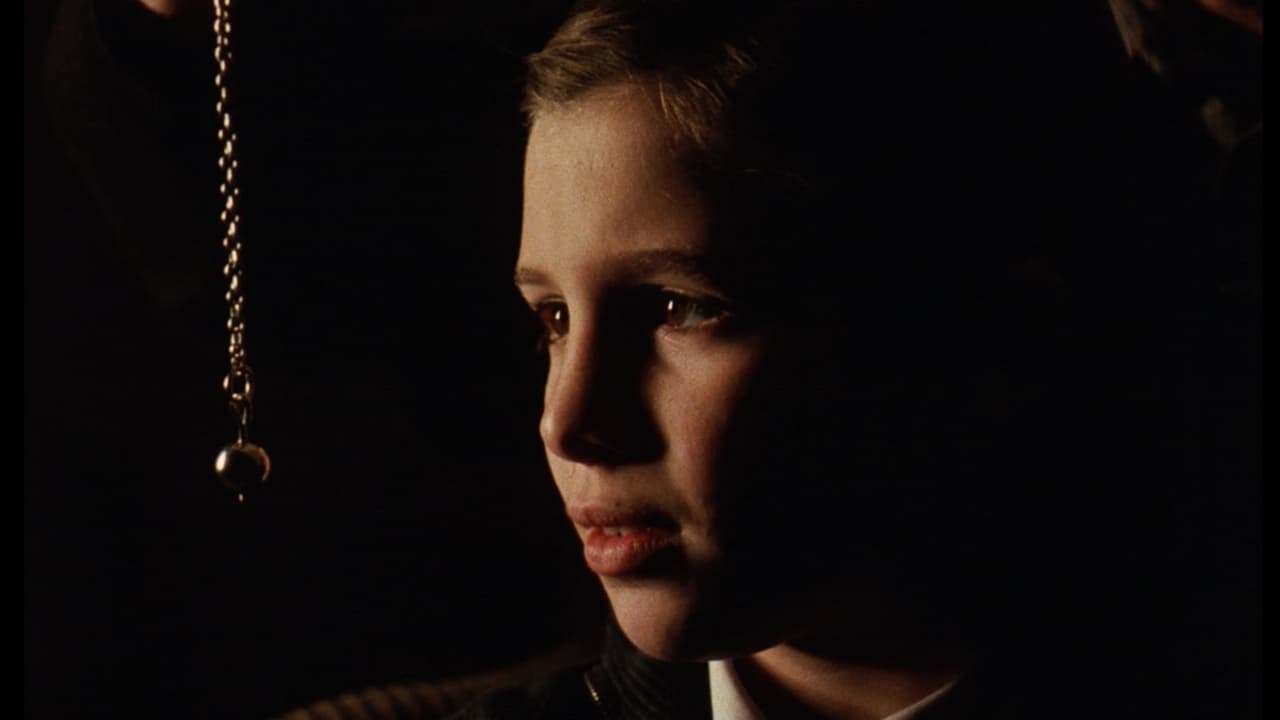
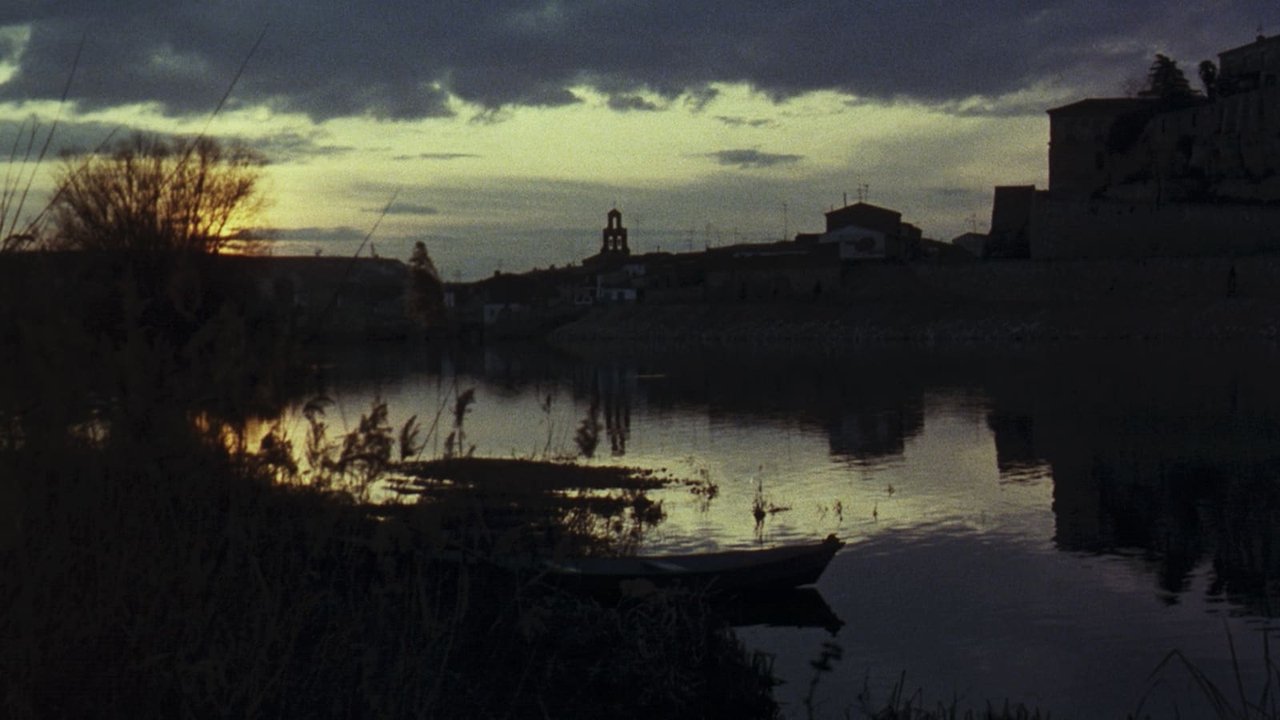
Knowing this fundamentally shapes the viewing experience. What could feel like narrative ellipsis or frustrating ambiguity instead becomes a profound meditation on memory, loss, and the impossibility of ever truly knowing another person, especially a parent. The South transforms from a geographical location into a symbol – representing everything unknown, desired, perhaps idealized, and ultimately unattainable in Agustín’s life and Estrella's understanding. The film we have is saturated with the absence of the South, making its unseen presence almost palpable. It’s a testament to Erice’s artistry, and the luminous cinematography of José Luis Alcaine (who would later frequently collaborate with Pedro Almodóvar), that these 90 minutes feel so complete in their emotional arc, even as the plot remains suspended. The use of light, particularly the contrast between the warm, golden interiors of memory and the starker reality, is simply breathtaking.
A Father's Shadow
At the heart of the film's magnetic pull is Omero Antonutti's performance as Agustín. An Italian actor lending a subtle 'otherness' to the role, Antonutti conveys immense depth with remarkable restraint. His Agustín is gentle, intellectual, capable of moments of warmth and connection with Estrella, yet perpetually veiled in melancholy. We see the weight he carries in his posture, the faraway look in his eyes. He’s a figure defined by secrets and disappointments, his past casting a long shadow over the present. His profession as a doctor, healing others while nursing his own hidden wounds, and his fascination with dowsing, seeking hidden truths beneath the surface, are potent metaphors woven seamlessly into his character. It’s a performance of quiet power, making Agustín’s enigma the film’s sorrowful core.
Lasting Echoes
El Sur doesn't offer easy answers or neat resolutions. It immerses you in atmosphere, mood, and the subjective experience of its young protagonist. It asks us to consider how much of our parents' lives remains forever hidden, how profoundly their past shapes our present, and how memory itself is a selective, often romanticized, act of reconstruction. Despite its truncated form – or perhaps because of it – the film achieved international acclaim, selected for the Cannes Film Festival in 1983, and remains a cornerstone of modern Spanish cinema. It proved that a film didn't need a conventional narrative arc to possess profound emotional truth.
For those seeking pyrotechnics or rapid-fire plot twists, El Sur might feel elusive. But if you allow yourself to sink into its contemplative rhythms, to appreciate the beauty in its compositions and the quiet devastation in its performances, it offers a uniquely rewarding experience. It’s a film that trusts the viewer’s intelligence and empathy, leaving spaces for reflection that resonate long after the screen goes dark.
Rating: 9/10
This near-perfect score reflects the sheer artistry, emotional depth, and haunting beauty of the film we do have. The performances are exquisite, the direction masterful, and the cinematography breathtaking. While the phantom limb of its unfilmed second half is undeniable and prevents a perfect score, the existing film possesses such a unique, poignant power derived from its incompletion that it stands as a singular masterpiece.
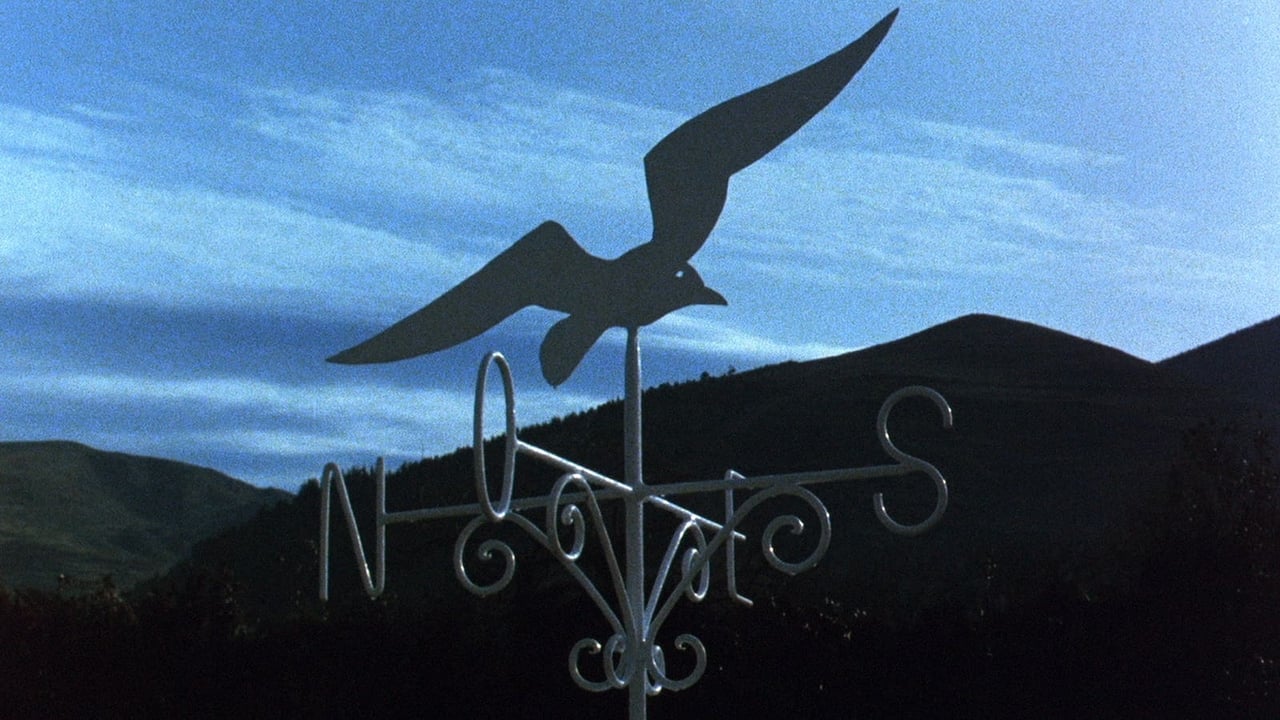
El Sur remains a powerful reminder that sometimes the most resonant stories are the ones that leave you yearning for more, forever gazing towards an unseen horizon.