Alright, fellow tapeheads, slide that worn Weird Science cassette into the VCR slot, hit play, and let's get ready for some truly magnificent 80s wish-fulfillment chaos. Remember the satisfying clunk? This 1985 gem wasn't just another teen comedy; it was John Hughes uncorked, taking the relatable anxieties of his earlier films like Sixteen Candles (1984) and The Breakfast Club (1985) and injecting them with a potent cocktail of Frankenstein, computer fantasy, and pure hormonal overdrive. It landed on shelves like a neon-pink grenade, and finding it felt like uncovering forbidden knowledge.
### Hacking Happiness, 80s Style
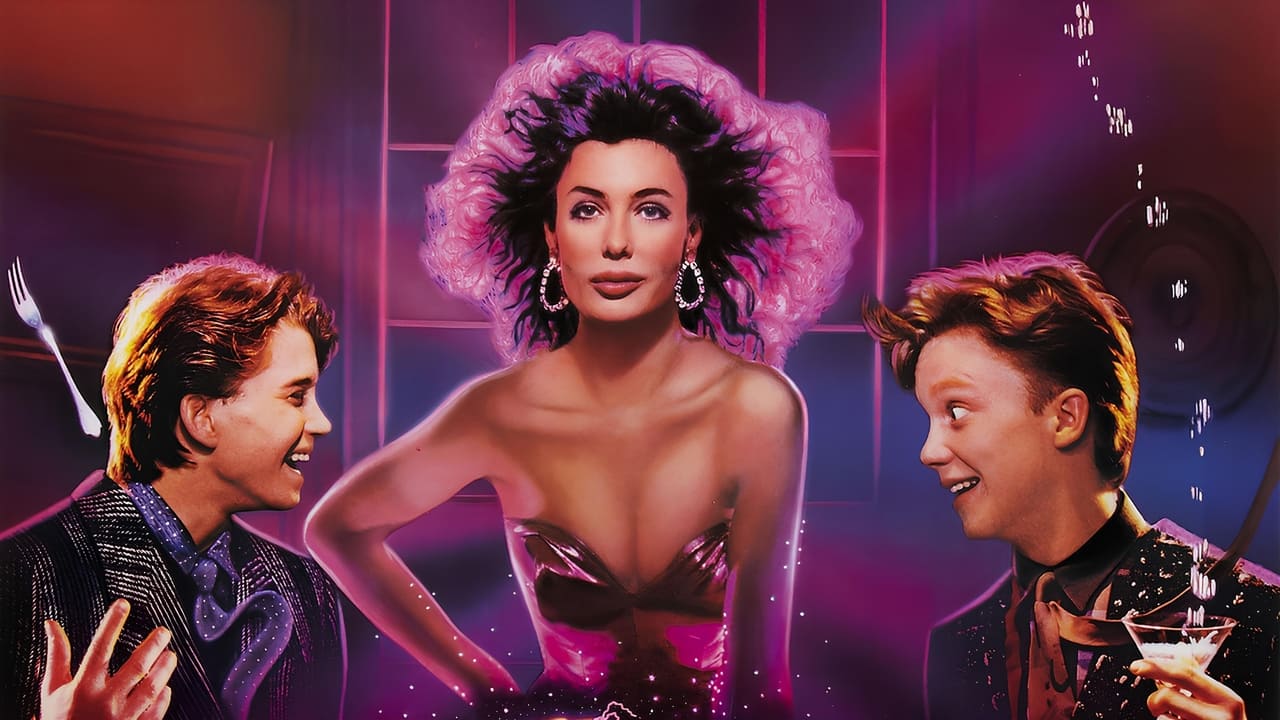
Our heroes, Gary Wallace (a perfectly awkward Anthony Michael Hall, hot off his Hughes hat-trick) and Wyatt Donnelly (the more reserved Ilan Mitchell-Smith), are quintessential Reagan-era nerds. We're talking bottom-of-the-social-food-chain, tormented-by-jocks, dateless-wonder types. Their solution? Not joining the chess club, but wiring bras to a doll, hacking into a government mainframe (as one did casually in the 80s), and using Wyatt's mysteriously powerful computer to create the literal woman of their dreams. The creation sequence itself is pure MTV-era energy – lightning bolts, frantic keyboard clacking, bubbling beakers – culminating in the smokey, strobe-lit arrival of Lisa, played with iconic confidence by Kelly LeBrock.
LeBrock is magnetic. She’s not just stunning; she embodies a strange mix of genie, fairy godmother, and slightly dangerous older sister. She’s there to grant wishes, yes, but mostly to force Gary and Wyatt out of their shells using methods that are often bizarre and borderline terrifying. It's a star-making turn, making Lisa far more than just the objectified fantasy she initially appears to be; she's the catalyst for utter pandemonium.
### Hughes Unleashed
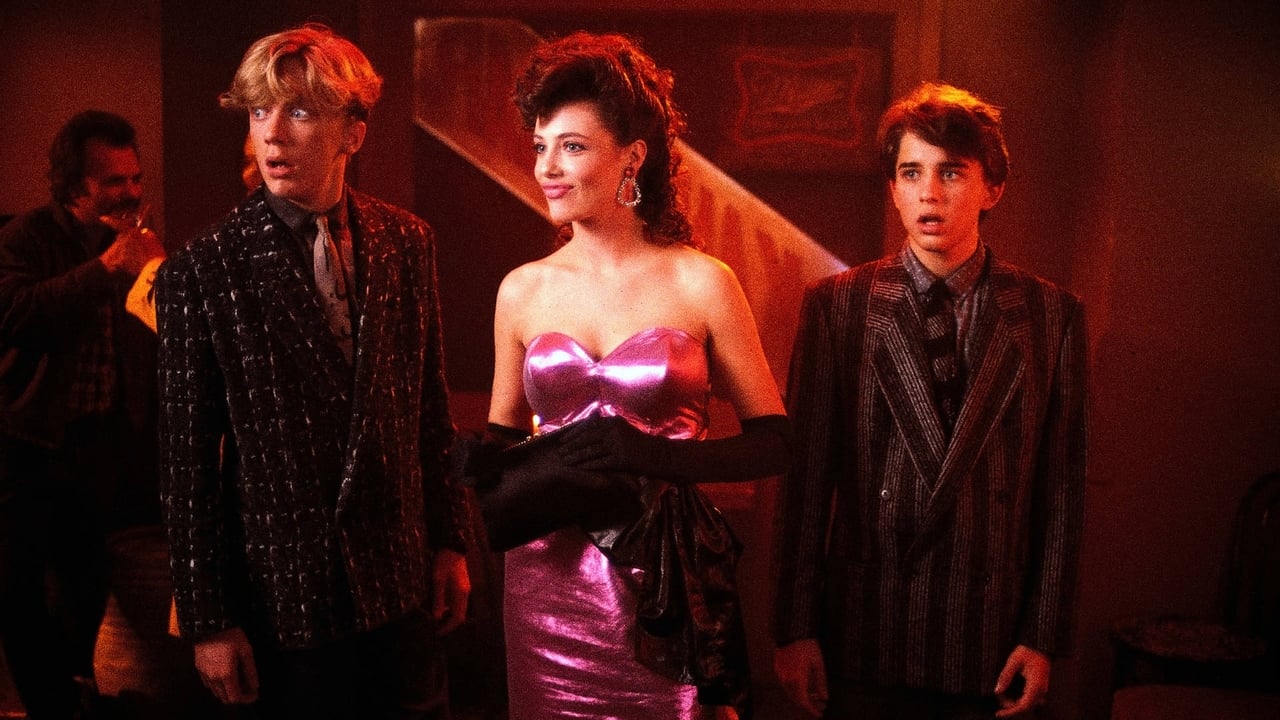
This is John Hughes, who reportedly hammered out the script in a whirlwind two-day writing binge, letting his imagination run wilder than usual. While his other films often grounded teen angst in recognizable suburban reality, Weird Science throws reality out the window with gleeful abandon. It feels less structured, more anarchic, like Hughes decided to just film the craziest ideas that popped into his head. Need cool clothes? Lisa conjures them. Need confidence? Lisa throws you into a hostile blues bar populated by intimidating patrons (including blues legend Michael Berryman!). Need to deal with Wyatt's psychotically militaristic older brother Chet? Well, we'll get to that.
Speaking of Chet, Bill Paxton delivers an all-time classic performance as the blackmailing, crew-cutted menace. His relentless tormenting of Wyatt is legendary, and his eventual comeuppance is one of the film's most bizarrely memorable sequences. Retro Fun Fact: Paxton's transformation into a grotesque, Jabba-esque blob required hours of complex prosthetic makeup application – a truly slimy example of 80s practical effects wizardry that felt viscerally disgusting on fuzzy CRT screens. It wasn't CGI smoothness; it was lumpy, tangible, and wonderfully gross.

### That 80s Sheen (and Tarnish)
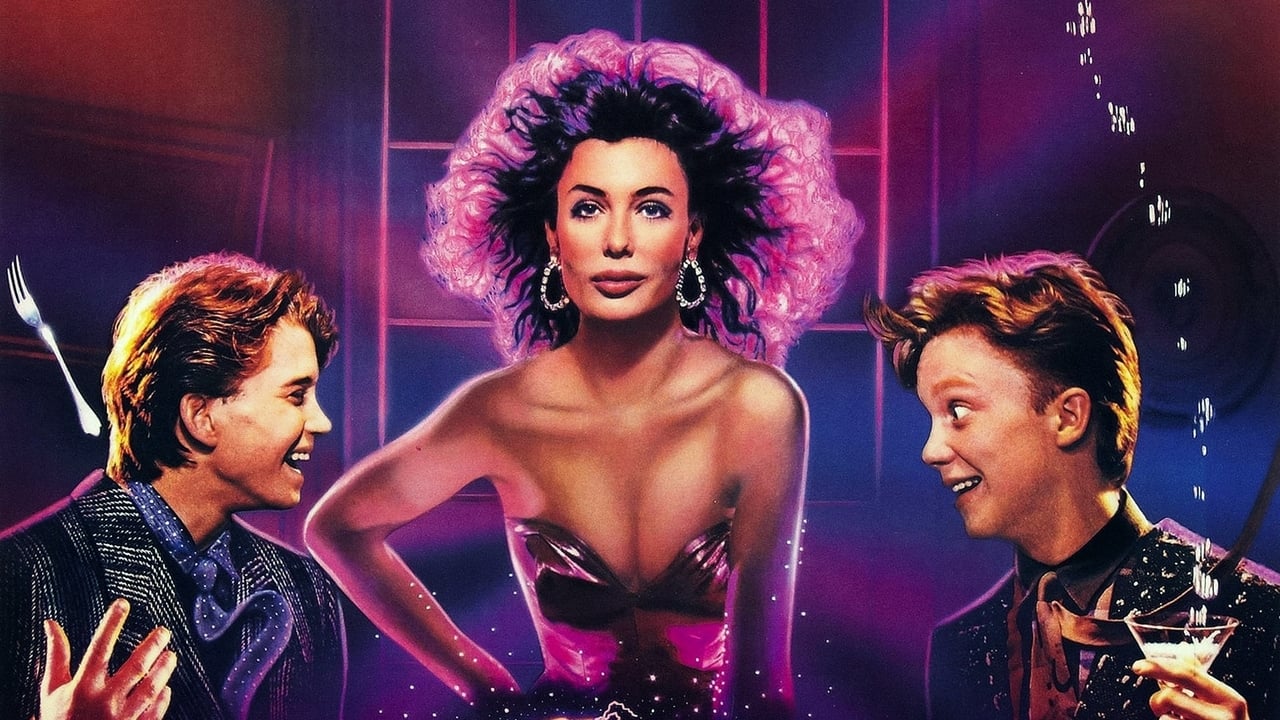
Let's be honest, watching Weird Science today requires adjusting your cultural lens. Some of the humour and gender dynamics are undeniably dated, products of a less sensitive time. The casual computer hacking, the underlying premise – it’s pure fantasy logic. But that’s also part of its charm. It doesn’t try to be realistic. It leans into the absurdity with infectious energy. You also get early glimpses of future stars like Robert Downey Jr. and Robert Rusler as the slick-haired bullies Ian and Max, adding another layer of nostalgic fun.
The film's look and sound are peak 80s. The synth-heavy score and, of course, the killer theme song by Oingo Boingo (led by future film composer Danny Elfman) are inseparable from the movie's identity. It pulses with the decade's aesthetic. Remember how that theme song just burrowed into your brain after one viewing? Another Retro Fun Fact: Universal Pictures pushed the film into production quickly to capitalize on Anthony Michael Hall's soaring popularity after The Breakfast Club, contributing to its slightly rushed, manic energy. Despite some critical head-scratching upon release, audiences embraced its weirdness, making it a modest box office success (around $38.9 million worldwide on a $7.5 million budget) and cementing its status as a cult favorite and a VHS rental store staple.
### The Verdict
Weird Science is a messy, chaotic, sometimes problematic, but ultimately joyful blast of pure 80s fantasy. It captures that teenage feeling of wanting more – more confidence, more excitement, more control – and dials it up to eleven with a supernatural twist. Hall and Mitchell-Smith are endearing as the nerds finding their footing, LeBrock is unforgettable as the magical agent of change, and Paxton steals every scene he's in. The practical effects, particularly Chet's transformation, have that wonderful, tactile quality that digital effects often lack. It's funny, it's weird, it's got heart buried under layers of adolescent absurdity.
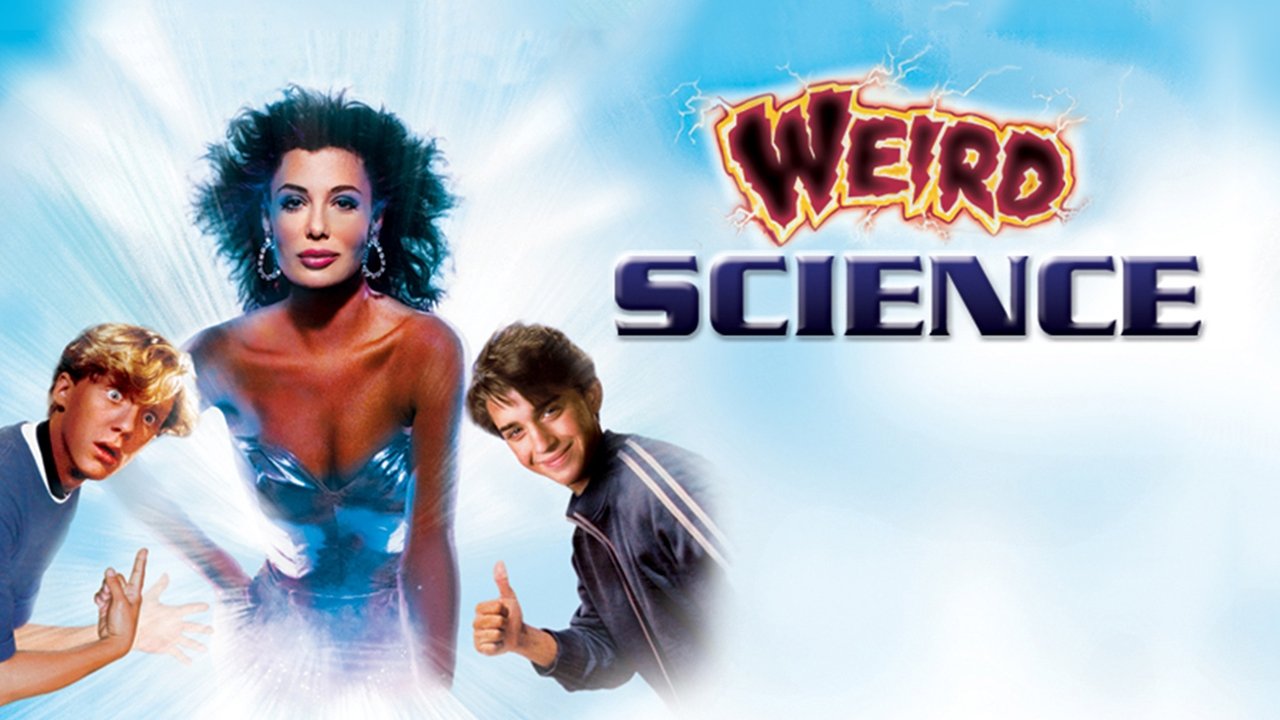
Rating: 7/10
Justification: While undeniably dated in spots and perhaps not as emotionally resonant as Hughes' best work, Weird Science scores high on pure nostalgic fun, iconic performances (LeBrock, Paxton), and its sheer, unadulterated 80s energy. It fully commits to its wild premise, delivering laughs and memorable moments that more than justify its cult classic status. The practical effects charm and killer soundtrack boost its score for any retro fan.
Final Thought: It’s the cinematic equivalent of finding a dusty floppy disk labeled "AWESOME" in your attic – you know it’s technically obsolete, but booting it up unleashes a wave of pure, unadulterated, slightly illogical joy that modern tech just can't replicate. Goofy, maybe. Essential 80s viewing? Absolutely.