Alright, fellow tape travelers, let's rewind to 1992. Imagine browsing the aisles of your local Video Palace, the scent of popcorn and plastic clamshells thick in the air. You spot a familiar face – Chevy Chase – but the box art looks… different. Darker. More serious. Next to his name? John Carpenter. Yes, that John Carpenter, maestro of synth scores and suburban slashers. This wasn't Fletch or Caddyshack. This was Memoirs of an Invisible Man, a curious collision of talent that promised something unique, even if we weren’t quite sure what.
### Not Your Average Pratfall
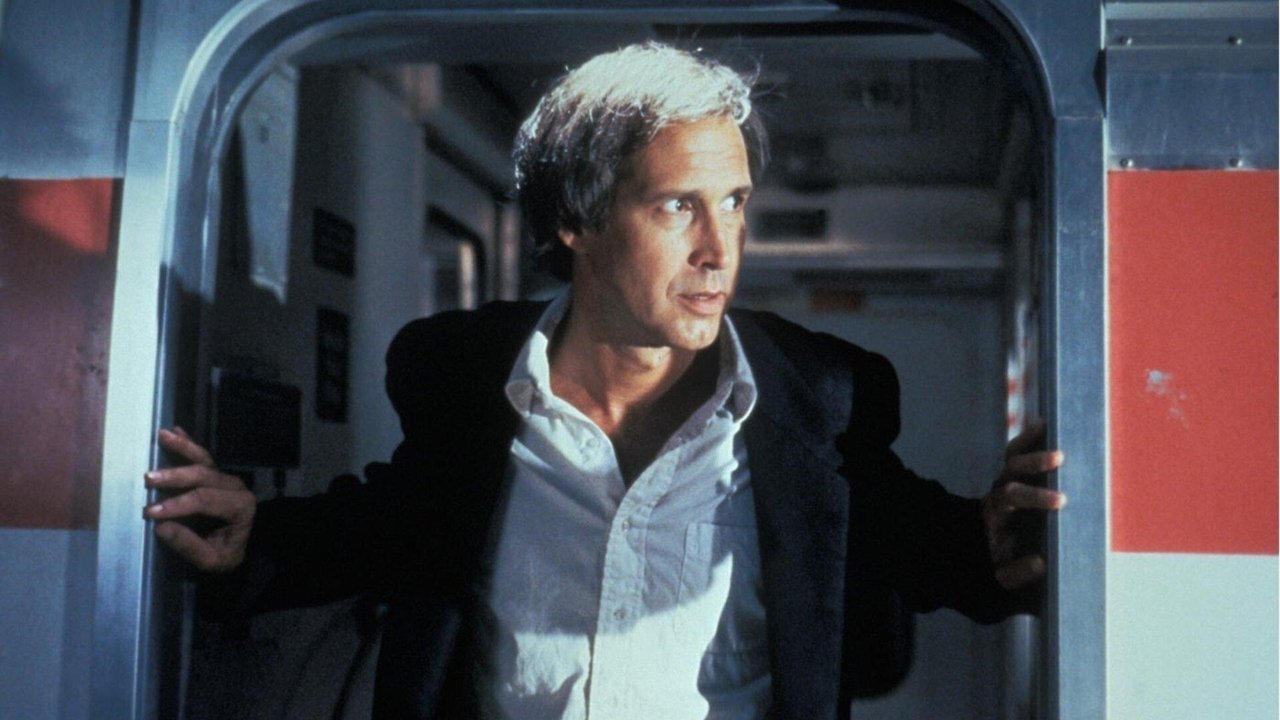
Pulling this tape off the shelf felt like a bit of a gamble back then. Chevy Chase as Nick Halloway, a slick stock analyst accidentally turned invisible during a freak lab accident? It sounded like a setup for pure comedy gold, maybe something Ivan Reitman (Ghostbusters) – who was initially attached to direct – would have knocked out of the park. But Reitman departed over creative differences (reportedly wanting more laughs), and Chase, eager to flex dramatic muscles, pushed the project forward. Enter John Carpenter, fresh off They Live (1988) and known for atmosphere and tension. The result is a film that often feels like it’s trying to be three different movies at once: a sci-fi thriller, a romantic drama, and yes, occasionally, a showcase for Chase’s physical comedy, albeit laced with pathos.
Watching it now, Chase’s performance is fascinating. He brings his effortless charm, but there’s a layer of desperation and loneliness underpinning Nick’s predicament. He’s not just cracking wise; he’s genuinely terrified and isolated. Remember that scene where he tries to eat? Or smokes a cigarette, the smoke tracing the outline of invisible lungs? These moments relied heavily on Chase selling the physicality of absence, a tougher acting challenge than his usual fare. He reportedly clashed intensely with Carpenter on set, each pulling the film towards their preferred tone, contributing to its sometimes uneven feel.
### When Seeing Was Believing (Mostly)
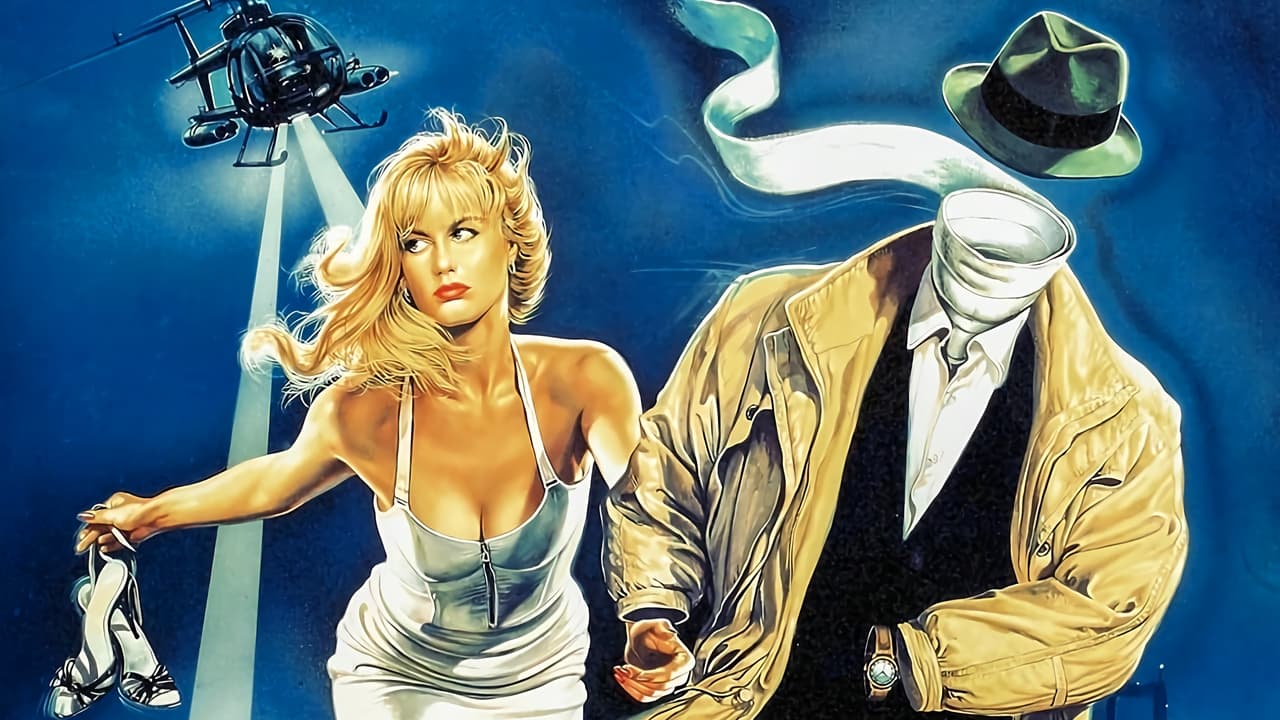
Let’s talk about why this movie probably blew your VCR’s tracking lines out back in the day: the effects. Industrial Light & Magic (ILM), the wizards behind Star Wars and Terminator 2, were tasked with making the impossible visible. And for 1992? They delivered some genuinely jaw-dropping moments. Forget seamless modern CGI; this was the era of painstaking optical printing, bluescreen work, motion control rigs, and nascent digital compositing.
The scene where Nick gets caught in the rain, his silhouette shimmering into existence, was groundbreaking. How about the sequence where he lies covered in condensation after a shower? These weren’t just visual gags; they were essential to selling the reality of his situation. ILM had to practically invent techniques to show things interacting with the invisible form – food being chewed, clothes seemingly floating, footprints appearing in dust. It cost a hefty $40 million (around $85 million today), much of it poured into those effects, and you could see every dollar on screen. Sure, some bits look a little clunky now, that slight matte line giving away the trick, but back then, viewed on a slightly fuzzy CRT? Magic. It felt tangible, real, in a way that slicker, purely digital effects sometimes struggle to replicate.
### The Hunter and the Heartbreak
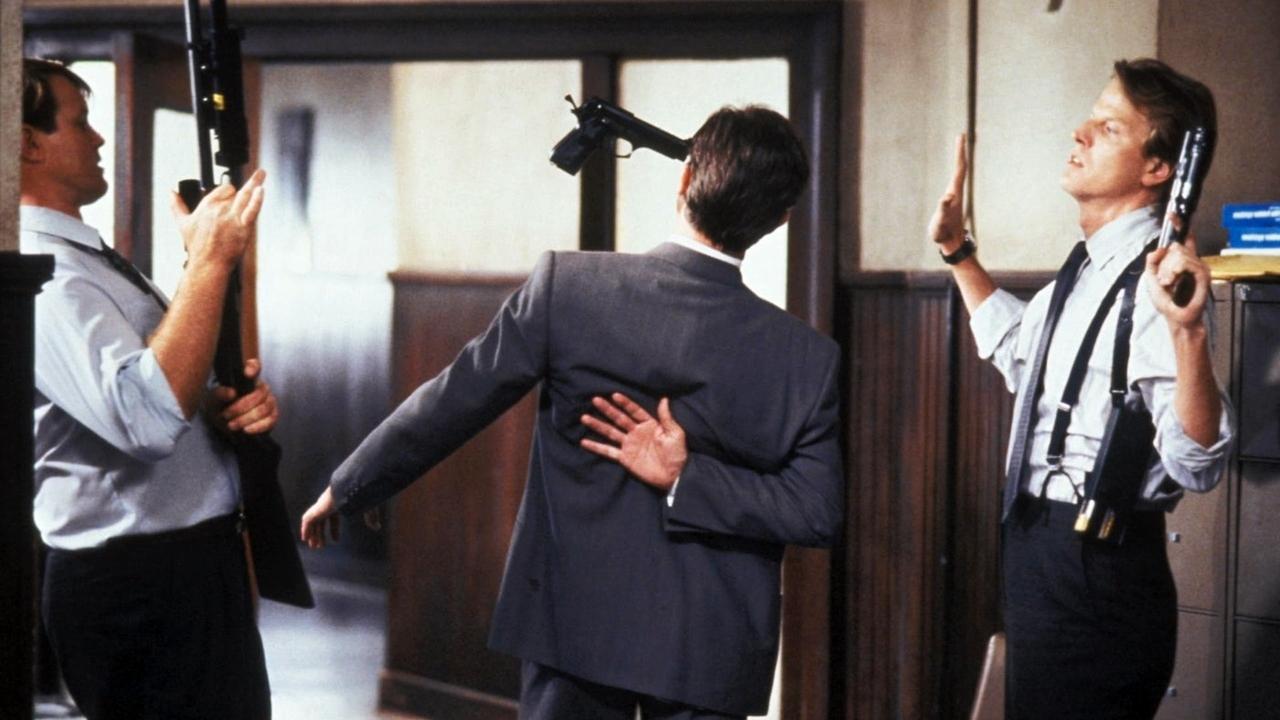
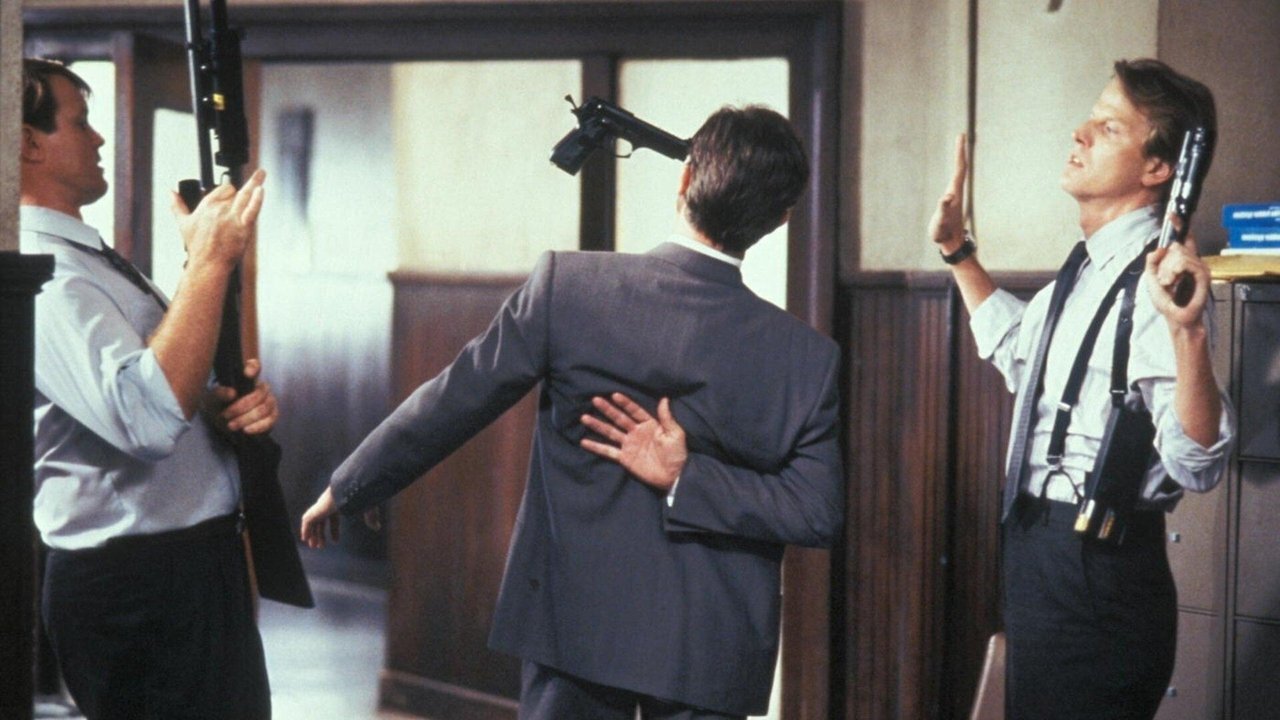
While Chase navigated invisibility, Sam Neill delivered a perfectly chilling performance as David Jenkins, the ruthless CIA agent hunting him. Neill, just before hitting mega-stardom with Jurassic Park (1993), brings a cold, calculating menace that provides the film's primary tension. He’s not a cartoon villain; he’s relentlessly pragmatic, making him genuinely threatening. His pursuit drives the thriller aspect, giving Carpenter familiar ground to tread, even if the studio reins felt tight.
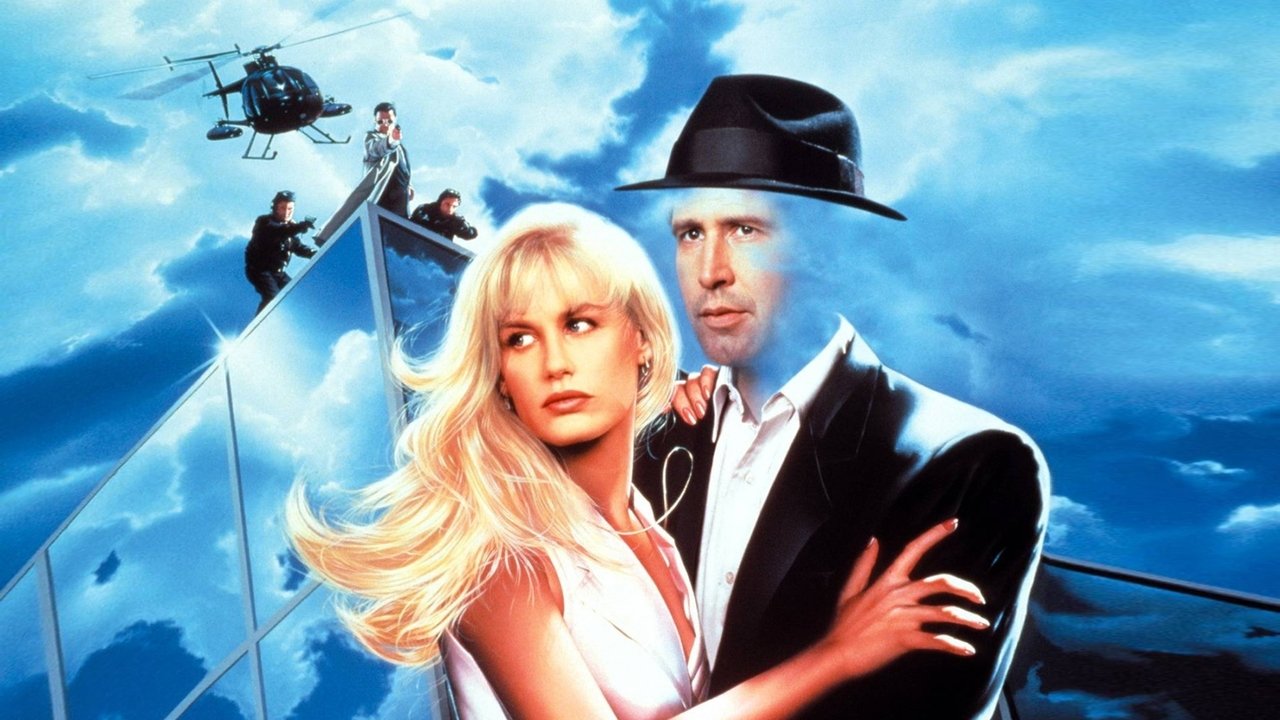
And then there’s Daryl Hannah as Alice Monroe, the documentary producer who falls for Nick. Hannah brings warmth and vulnerability, providing the film's emotional anchor. Her chemistry with Chase works, grounding the fantastical elements in a believable, if slightly rushed, romance. Fun fact: the script went through numerous rewrites, with heavy hitters like William Goldman (Butch Cassidy and the Sundance Kid, The Princess Bride) brought in to try and unify the disparate tones. This constant tinkering might explain why some character arcs feel a little underdeveloped despite the actors’ best efforts.
### Carpenter Under Wraps?
Visually, Carpenter brings his signature anamorphic widescreen framing, giving the San Francisco locations a certain slick, cold beauty. However, his usual authorial stamp feels somewhat muted. Even the score, often a Carpenter highlight, was primarily handled by the talented Shirley Walker (who worked on Batman: The Animated Series), delivering effective cues but lacking that iconic Carpenter synth pulse we often associate with his work. It feels like a Carpenter film filtered through studio notes and a star’s specific vision, a fascinating "what if?" scenario. The film ultimately underperformed significantly at the box office, failing to recoup its budget domestically and receiving a lukewarm critical reception. It seemed audiences weren't quite ready for this blend of genres from this particular star and director.
Yet, Memoirs found its audience where many 80s and 90s curios did – on the shelves of the video store. It became one of those tapes you’d rent on a whim, maybe drawn in by the effects or the star power, and find yourself surprisingly engaged by its ambition, even if flawed.
---
VHS Heaven Rating: 6/10
Justification: The rating reflects the film's status as a fascinating, technically ambitious experiment hampered by tonal inconsistency and behind-the-scenes friction. The groundbreaking ILM effects (for 1992) and solid performances from Neill and Hannah elevate it, while Chase's attempt at a more serious role is intriguing, if not entirely successful. Carpenter's direction feels compromised, but glimpses of his craft remain. It earns points for sheer novelty and its place as a memorable VHS-era effects showcase.
Final Take: A weird, slightly melancholy, effects-driven ride that tried to be more than just a disappearing act. It might not be a masterpiece, but Memoirs of an Invisible Man is a prime example of that uniquely 90s blockbuster ambition – reaching for the stars with practical magic, even if it didn't quite stick the landing. Still worth dusting off the tape (or finding the stream) for a glimpse at invisibility before it became just another digital trick.