Alright, let's dim the lights, maybe adjust the tracking slightly on that mental VCR, and pop in a tape that practically screams "mid-90s rental shelf." I'm talking about Barb Wire (1996), a film that arrived with the force of a meticulously marketed H-bomb, promising Pamela Anderson as the next great action hero. Did it deliver? Well... that depends entirely on what you were looking for when you slapped that worn cassette into the machine back in the day.

This wasn't just another action flick; it was an event, heavily pushed as Pamela Anderson's big-screen vehicle outside the sunny shores of Baywatch. The premise itself is pure 90s pulp: It's 2017 (ha!), the "Second American Civil War" is raging, and Steel Harbor is the last "free" city. Our heroine, Barb Wire, runs the Hammerhead Bar & Grille, staying neutral while secretly working as a mercenary and bounty hunter. Sound familiar? It should. The film wears its Casablanca influence not just on its sleeve, but practically has it tattooed across its forehead. It's a bold move, trying to transpose Bogart and Bergman onto a gritty, rain-soaked, post-apocalyptic landscape populated by fascistic goons and leather-clad revolutionaries.
Steel Harbor Nights
Director David Hogan, primarily known for music videos before this, certainly crafts a distinctive look. Steel Harbor feels grimy, perpetually damp, and lit mostly by neon signs reflecting off wet pavement and Barb's strategically minimal outfits. It’s that specific brand of 90s cyberpunk-lite – less concerned with complex world-building, more focused on creating a moody backdrop for action set pieces and showcasing its star. You can almost smell the fog machine working overtime.
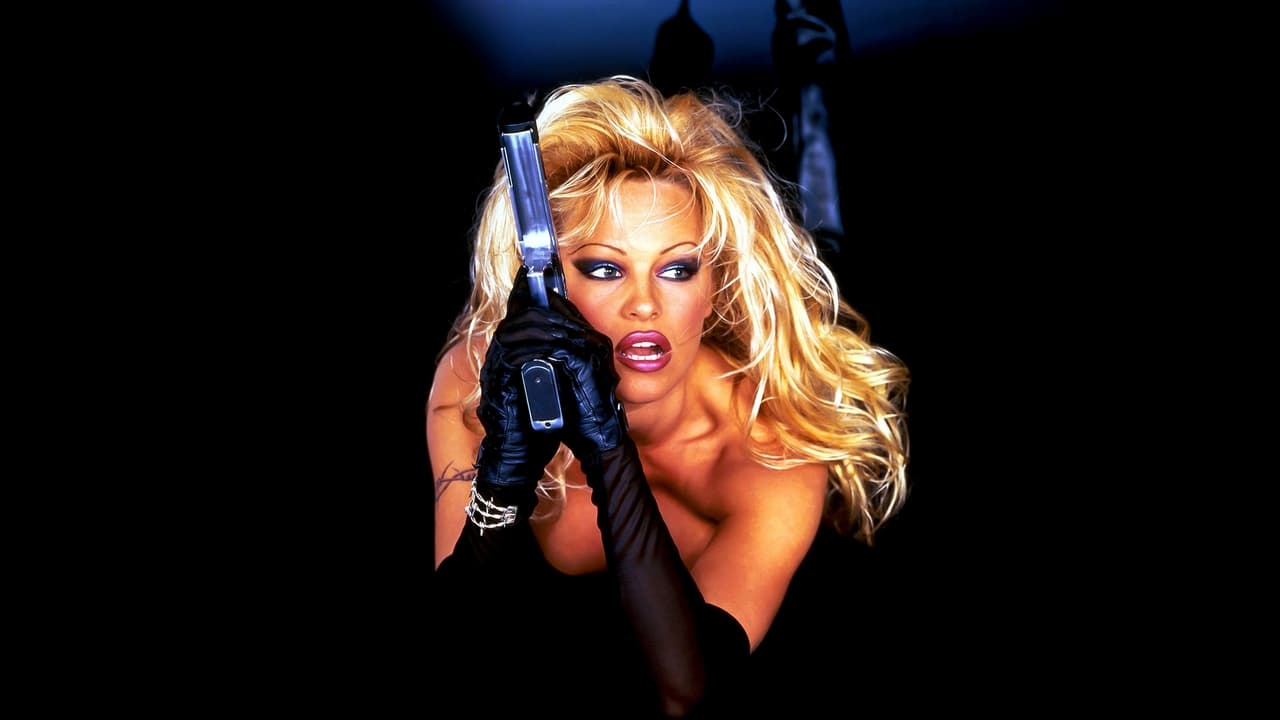
And showcase its star it does. Let's be honest, Pamela Anderson is the movie. Her portrayal of Barb is less about nuanced acting and more about embodying an image: tough, deadly, and unapologetically sexualized. The infamous opening credits sequence, featuring Barb performing an intricate, water-drenched stage routine, reportedly cost a hefty sum and immediately sets the tone. It's audacious, slightly absurd, and utterly unforgettable – pure 90s excess. While critics at the time were merciless (and yes, the film did snag multiple Razzie nominations), there's an undeniable commitment from Anderson. It’s a fascinating piece of trivia that she performed many of her own stunts, including handling that Triumph motorcycle, adding a layer of gritty authenticity. Even more impressive considering she was reportedly pregnant during parts of the shoot, necessitating some clever camera work and costuming choices.
Guns, Grit, and Glorious Explosions
The action itself feels very much of its time. Forget the smooth, floaty CGI physics of today. Barb Wire delivers action with a satisfyingly tangible thump. When guns fire, squibs burst with visible impact. Explosions feel hot and dangerous because, well, they were. Remember how real those bullet hits looked back then? There's a raw, unpolished energy to the fight scenes and shootouts. Think less balletic choreography, more desperate scrambles and heavy ordnance. The sequence involving Barb escaping capture via a construction crane, while perhaps not the most sophisticated stunt work by today's standards, had a genuine weight and peril to it on that fuzzy CRT screen. It felt like real metal, real heights, real danger – the hallmark of great practical effects work from the era.
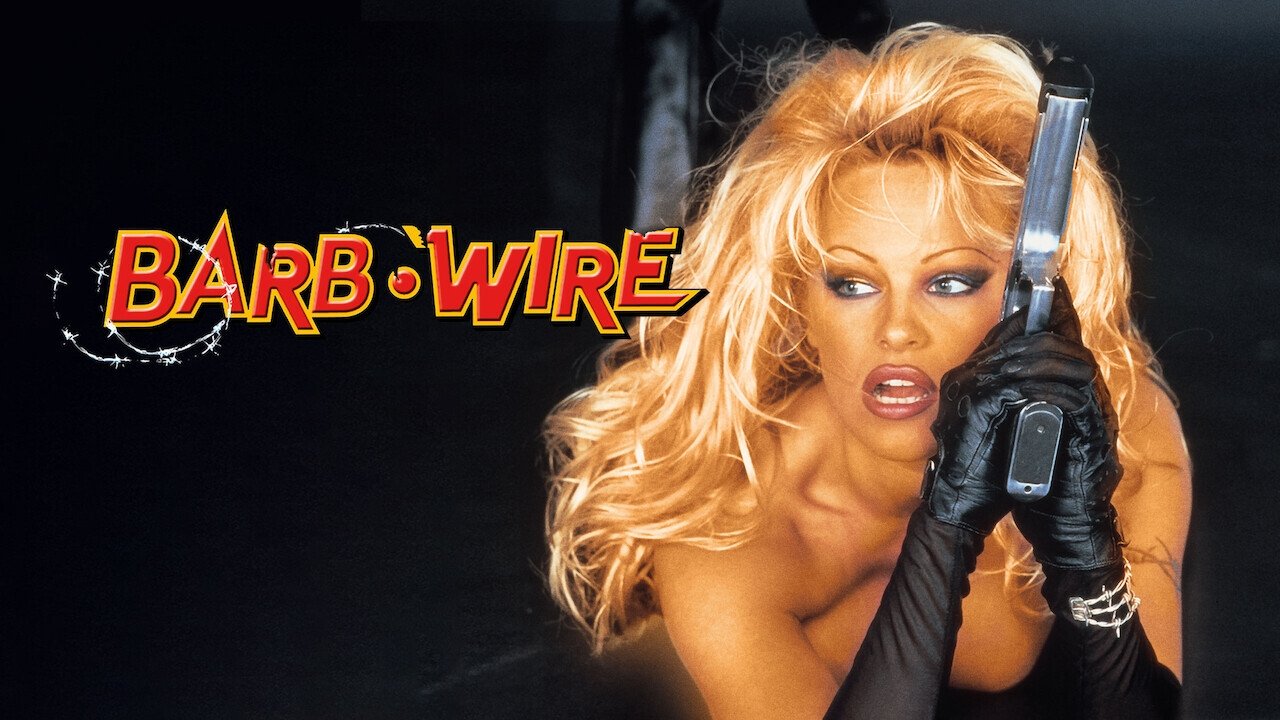
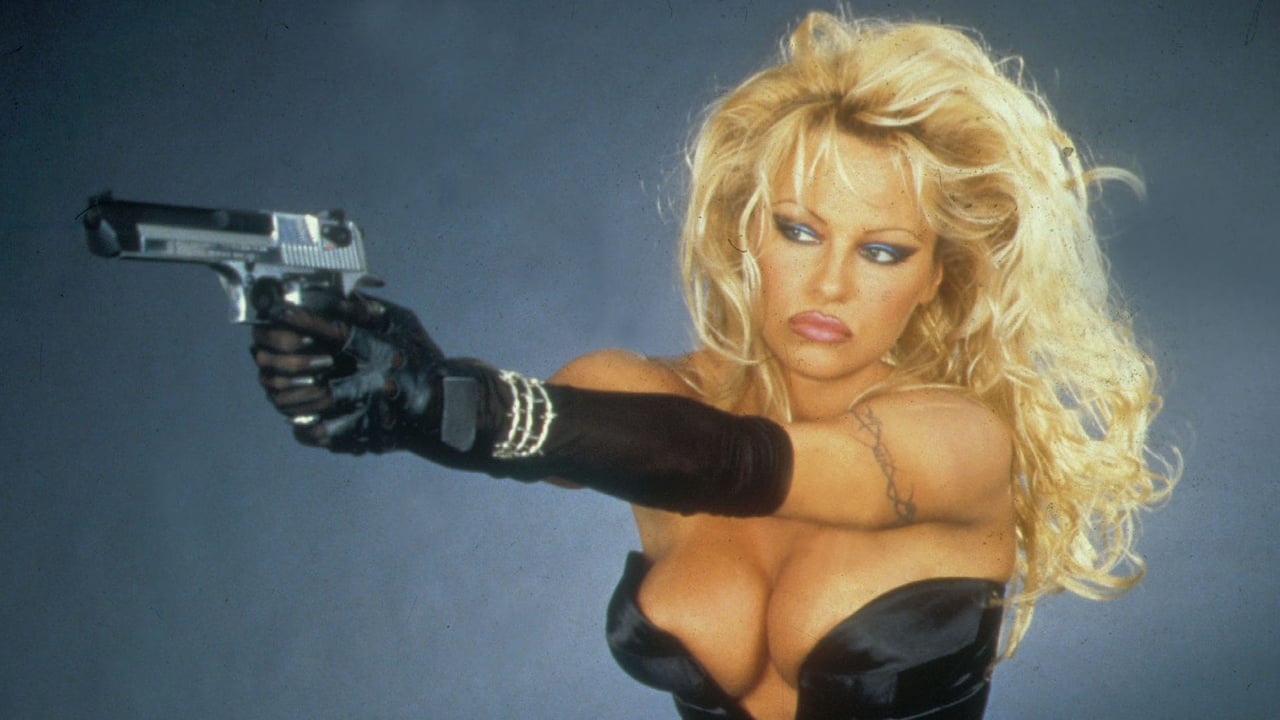
The supporting cast gamely plays along in this neo-noir dystopia. Temuera Morrison, fresh off his powerhouse performance in Once Were Warriors (1994), steps into the Victor Laszlo-esque role as Axel Hood, Barb's former flame now aiding the resistance. Victoria Rowell plays the Ilsa Lund parallel, Dr. Corrina Devonshire, the scientist carrying vital information. On the villainous side, you have the always-reliable Steve Railsback chewing scenery as the main antagonist, Colonel Pryzer, and the uniquely unsettling presence of Udo Kier as Curly, the Hammerhead's manager. They all understand the assignment: play it straight amidst the stylized chaos.
A Flawed But Fascinating Artifact
Of course, the film isn't without its flaws. The dialogue often clunks, trying too hard to be hard-boiled. The plot, despite its Casablanca framework (reportedly worked on by Chuck Pfarrer of Navy SEALs fame before studio intervention altered things), can feel episodic and sometimes illogical. The attempt to blend serious themes of freedom and resistance with exploitative elements creates a tonal clash that’s jarring, yet also part of its strange charm. It bombed at the box office, pulling in less than $4 million domestically against a budget estimated around $15-20 million, cementing its status as a notorious flop upon release.
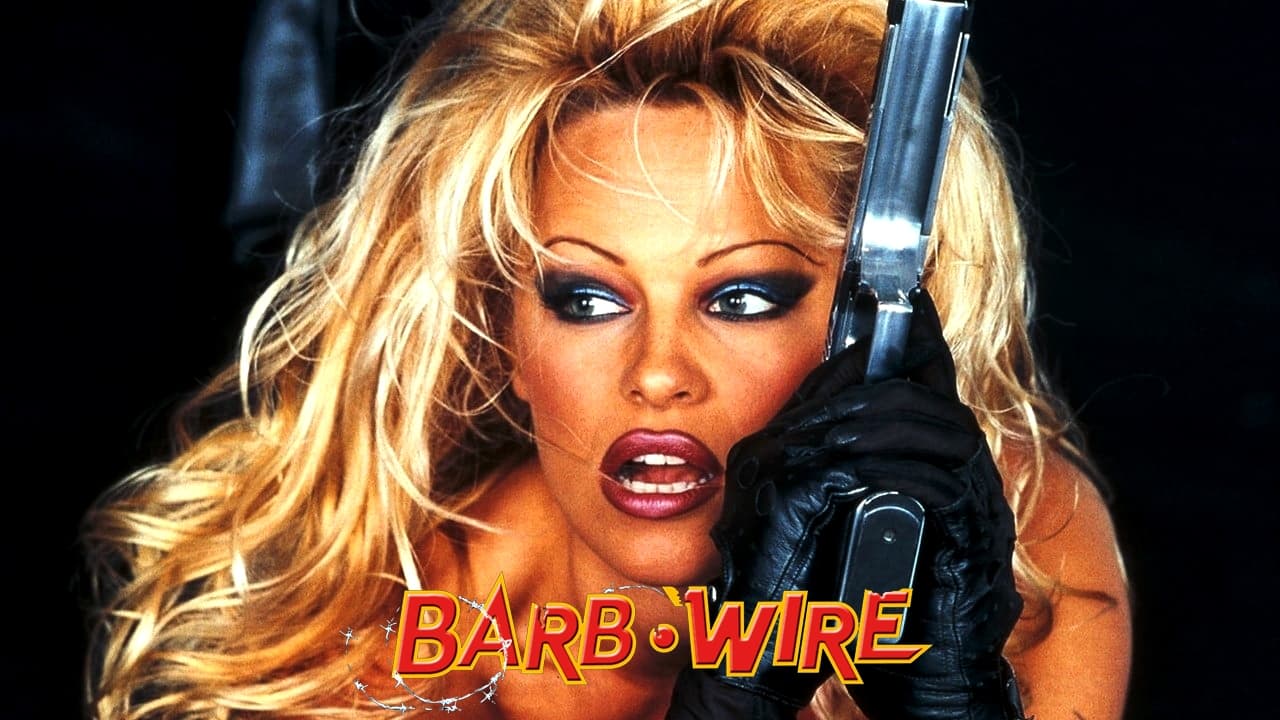
But viewed through the nostalgic lens of VHS Heaven? Barb Wire offers something unique. It's a time capsule of mid-90s ambition, a star vehicle that dared to be different, even if it stumbled. It captures a moment when practical effects still ruled the action roost, when studios were willing to take wild swings, and when a figure like Pamela Anderson could be positioned, however improbably, as the heir to Ripley or Sarah Connor. I distinctly remember renting this, drawn in by the provocative cover box art and the promise of high-octane action, and while it wasn’t exactly what I expected, it certainly left an impression.
Rating: 6/10
Justification: It's undeniably clunky in parts – the script wobbles, and the acting is uneven. However, it scores points for its sheer audacity, committed practical action sequences that feel satisfyingly real, Pamela Anderson's iconic presence and stunt work, and its status as a fascinating, high-budget piece of 90s pulp. It’s a visually distinct film that, despite its flaws, provides genuine nostalgic entertainment and captures a specific, weird moment in action movie history. It’s far from perfect, but it’s definitely not boring.
Final Thought: Barb Wire might be the cinematic equivalent of finding a scuffed-up chrome cassette tape at the bottom of a box – maybe not high art, but a loud, unapologetic blast from a past where action movies felt a little more dangerous and a lot less polished. Worth rewinding? Absolutely, if you're in the right mood.