That flickering static, the abrupt cuts, the unnerving feeling that you’re watching something you shouldn’t be seeing… some tapes just carried that weight. And few burrowed under the skin with the grainy, uncomfortable authenticity of 1998’s Alien Abduction: Incident in Lake County. This wasn't sleek sci-fi; this was raw, messy, and disturbingly plausible, hitting the airwaves via UPN like a piece of forbidden evidence smuggled into prime time. For many, the line blurred instantly: Was this real?
Thanksgiving Ruined, Nerves Shattered
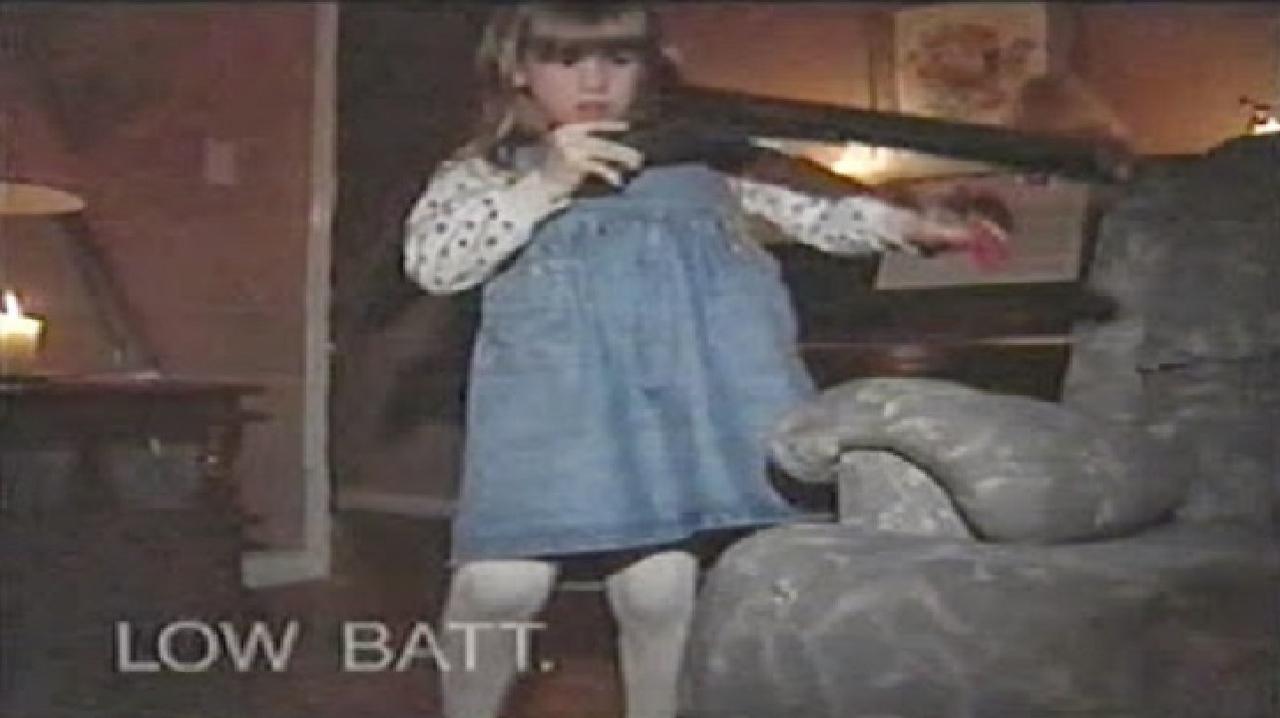
The premise is deceptively simple, tapping into primal fears by grounding the extraordinary in the utterly mundane. We are ostensibly watching a home video shot by Tommy McPherson (Kristian Ayre), the teenage son, documenting his family's Thanksgiving gathering. The typical squabbles, the forced smiles, the slightly burnt turkey – it’s all painfully familiar. Then the power cuts out. Strange lights appear outside. And the shaky camera becomes our only, terrifying window as the mundane family dinner spirals into frantic survival against forces glimpsed only in terrifying flashes. The genius lies in the contrast: the cozy, wood-paneled home becoming a claustrophobic cage, the familiar faces contorted by primal fear.
The Ghost in the Machine: Found Footage Origins

Long before The Blair Witch Project (1999) made "found footage" a household term and box office phenomenon, director Dean Alioto was mining this unsettling territory. In fact, Incident in Lake County is itself a slightly slicker, higher-budget ($1.25 million) remake of Alioto's own near-mythical 1989 shot-on-video feature, UFO Abduction, often referred to by fans as "The McPherson Tape." The original was an ultra-low-budget affair, reportedly costing a mere $6,500, that gained notoriety circulating on the UFO convention circuit, sometimes presented misleadingly as genuine leaked footage. Alioto’s commitment to the format, even in this 1998 version, is key to its chilling power. The performances by the largely unknown cast, including Benz Antoine and Gillian Barber as other family members, feel deliberately unpolished, amplifying the home-video reality. It’s not about star power; it's about feeling like you’re trapped with them.
Manufacturing Authenticity
The effectiveness hinges entirely on selling the illusion. The handheld camerawork isn't just a gimmick; it dictates what we see and, more importantly, what we don't. The aliens are glimpsed fleetingly – tall, slender figures with large eyes, rendered with practical effects that, while perhaps showing their age now, felt disturbingly present on a fuzzy CRT screen late at night. Remember how unnerving those brief, clear shots amidst the chaos felt back then? The tension builds not through elaborate set pieces, but through panicked whispers, fragmented visuals, off-screen sounds, and the growing certainty that escape is impossible. The limited perspective forces our imagination to fill in the terrifying blanks. It’s a masterclass in low-budget suggestion, born partly from necessity but wielded expertly by Alioto. The story goes that the UPN broadcast generated a significant number of calls from viewers convinced they'd witnessed a genuine alien encounter, a testament to how effectively the film blurred the lines for a pre-internet-saturation audience.
A Relic of Raw Terror
Watching it today, Alien Abduction: Incident in Lake County undeniably feels like a product of its time. The video quality itself is a nostalgic artifact. Some moments might drag, and certain panicked reactions might verge on shrill. Yet, its power to disturb remains potent. It lacks the meta-commentary or slick production of later found footage entries, but retains a raw, almost primitive horror. It captures that specific late-90s anxiety about surveillance, hidden truths, and the possibility that something deeply strange lies just beyond the edge of our perception. It taps into the primal fear of home invasion, but replaces the human intruder with the unknowable Other. Doesn't that final, abrupt cut still send a shiver down your spine?
This film isn't about polished scares; it's about sustained, creeping dread. It’s about the violation of the safest space – the family home – by something utterly alien. The feeling it evokes is less jump-scare jolts and more a lingering unease, a discomfort that stays with you. It's the video evidence you almost wish you hadn't found.
***
Rating: 7/10
Justification: While undeniably dated in some respects and overshadowed by later genre titans, Alien Abduction: Incident in Lake County earns its score for its historical significance as an early, influential found footage piece, its masterful use of low-budget techniques to create genuine, sustained unease, and its lingering power to tap into primal fears. The controversy surrounding its broadcast speaks volumes about its effectiveness at the time. It’s rough around the edges, but its core concept remains chillingly effective and serves as a fascinating snapshot of pre-millennium paranoia captured on grainy videotape.
Final Thought: A crucial, unsettling document from the proto-found footage era, proving that sometimes the most terrifying things aren't what you see clearly, but what flickers disturbingly at the edge of the frame.