The rain never stops in 2008 London. Not the drizzle we know, but a relentless, biblical downpour hammering a city half-submerged by the effects of global warming. Rats, not pigeons, rule the flooded streets. It’s into this grimy, perpetually dark landscape that 1992’s Split Second throws us, headfirst, and rarely lets us up for air. This isn’t just background; it’s the suffocating soul of the film, a tangible presence as menacing as the unseen killer stalking the dilapidated metropolis. If you caught this one late at night, maybe on a flickering CRT rented from the corner store, you likely remember the sheer oppressive wetness of it all, a feeling that clings long after the credits roll.

Drowning in Atmosphere
Director Tony Maylam (who previously gave us the campfire slasher The Burning back in 1981) and writer Gary Scott Thompson (who would later pen The Fast and the Furious) conjure a future-shock London that feels less like gleaming sci-fi and more like a perpetually damp, rusted-out nightmare. Forget flying cars; this is a future built on leaky pipes, overloaded power grids, and canals where streets used to be. The production design is phenomenal, creating a unique visual identity that perfectly complements the neo-noir/monster-movie mashup unfolding. Apparently, achieving this constant deluge on set was a logistical nightmare, requiring massive water tanks and constant pumping, soaking the cast and crew relentlessly. You can almost feel the damp chill seep through the screen.
Harley Stone: Monster Hunter, Chain Smoker
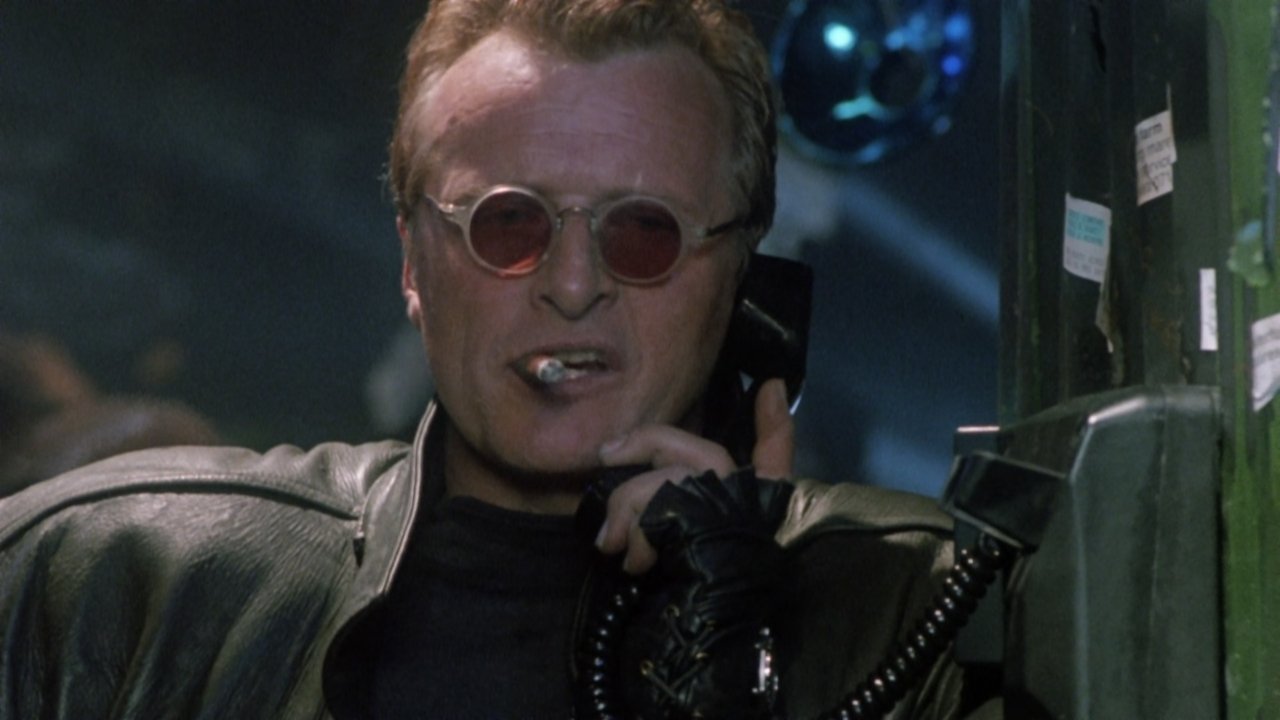
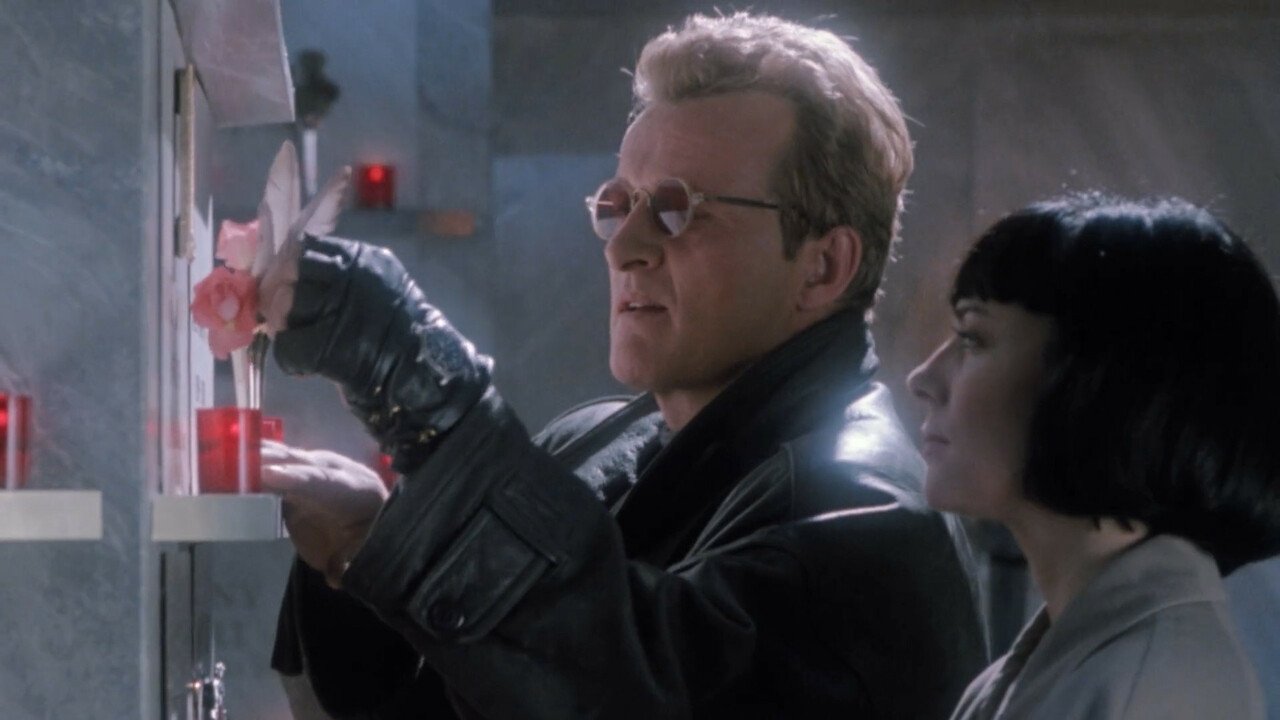
Into this muck wades Detective Harley Stone, played with gravelly, caffeine-and-nicotine-fueled intensity by the legendary Rutger Hauer. Fresh off memorable turns in films like Blade Runner (1982) and The Hitcher (1986), Hauer embodies the loose-cannon cop trope but cranks it past eleven. Stone is paranoid, trigger-happy, lives on chocolate and cigars, and is psychically linked (or so he believes) to a brutal serial killer who murdered his partner years ago. Hauer is magnetic, chewing scenery and spitting out hardboiled dialogue with undeniable charisma. It's said he brought much of his own input to the character, including reportedly supplying some of Stone's ridiculously oversized handguns himself. He’s partnered, reluctantly, with the meticulous, by-the-book Detective Dick Durkin (Neil Duncan), creating a classic odd-couple dynamic that provides moments of grim humour amidst the escalating horror. Kim Cattrall, pre-Sex and the City, appears as Michelle, Stone’s former sister-in-law and estranged flame, adding a layer of personal connection to the central hunt.
Something Wicked This Way Sloshes
The plot kicks into high gear when the killer resurfaces, ripping hearts from victims with surgical precision and leaving cryptic symbols behind. But this is no ordinary human killer. Split Second cleverly blends police procedural with creature feature. The clues point towards something impossibly fast, incredibly strong, and seemingly demonic. The initial script, reportedly titled Pentagram, leaned more heavily into supernatural horror before being reworked into its final sci-fi action form. This hybrid DNA is part of its charm. The film builds genuine suspense around the creature, keeping it largely unseen for the first half, relying on suggestive sounds, gruesome aftermaths, and Stone's increasingly frantic obsession. Doesn't that slow reveal, focusing on the fear of the unknown, still feel more effective than showing everything upfront?
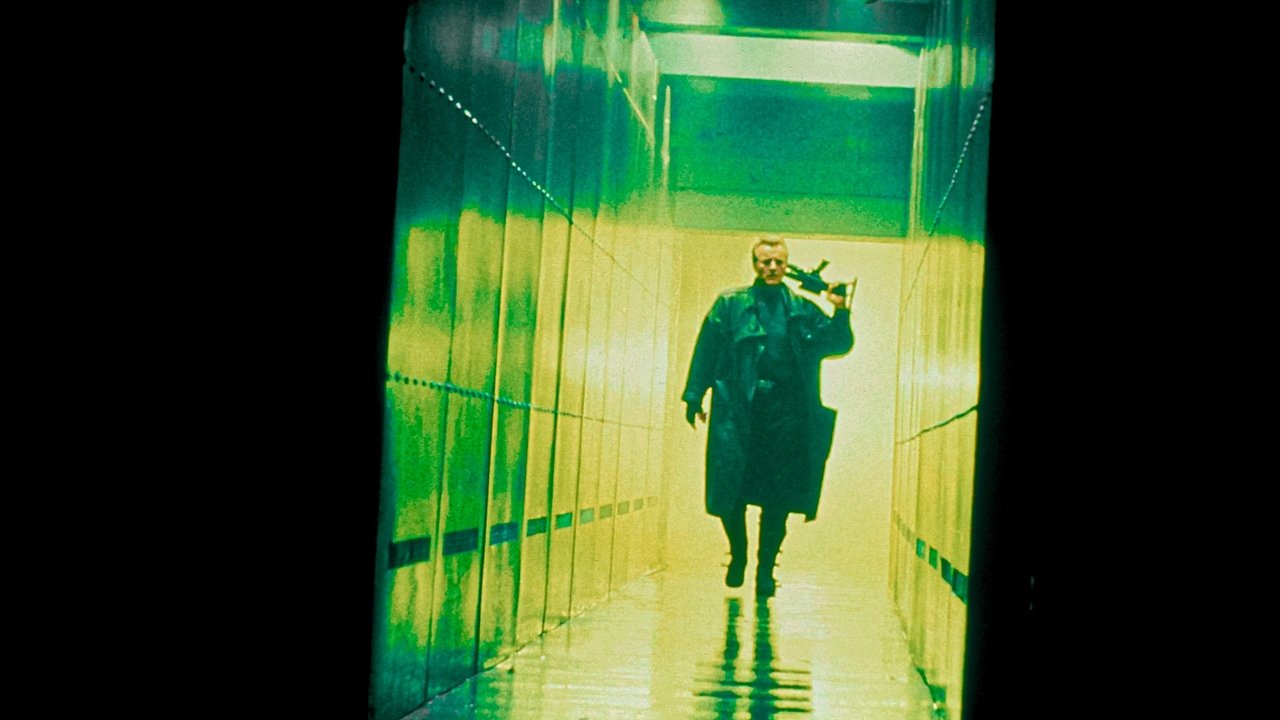
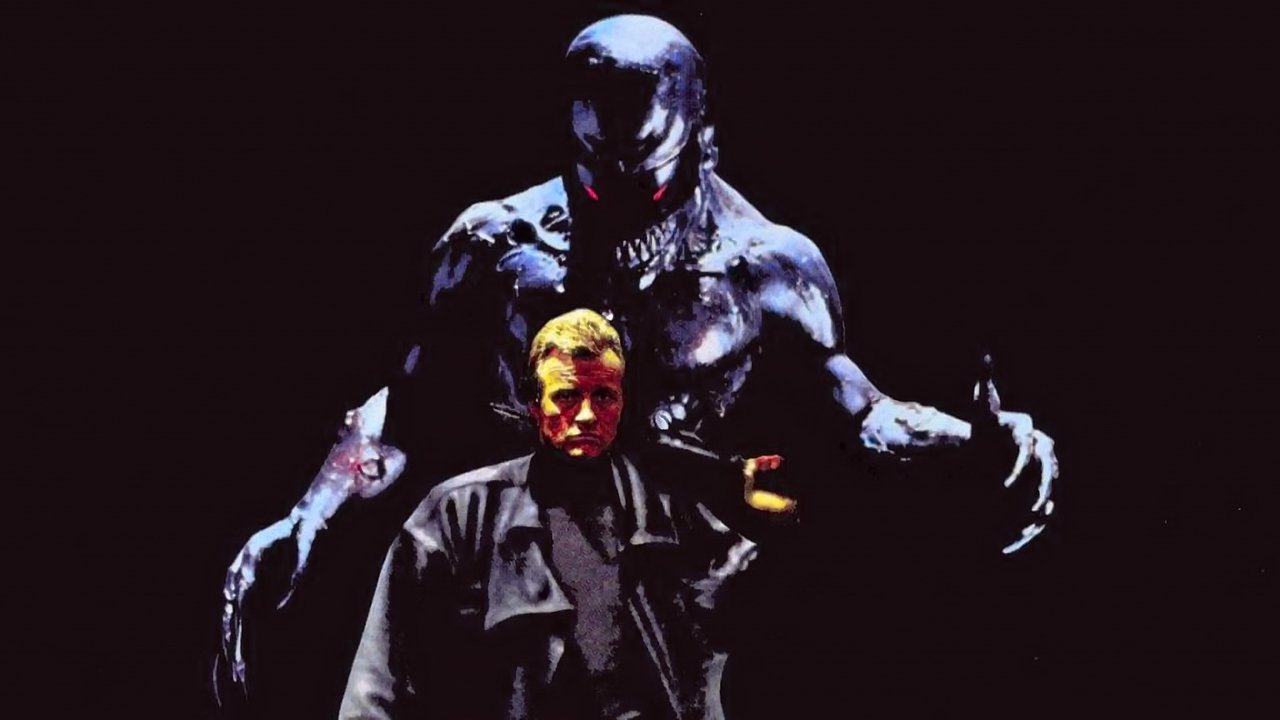
The creature itself, when finally revealed, is a gnarly piece of practical effects work designed by Stephen Norrington (who would later direct Blade). It's a hulking, vaguely reptilian beast with massive claws and DNA-sampling capabilities – a sort of bio-engineered urban predator perfectly adapted to its decaying environment. Sure, by today's standards, some might find the rubber suit a bit quaint, but back in the VHS era? That thing was pure nightmare fuel, a tangible monster that felt disturbingly real in the murky shadows of the London underground. The final confrontation in a flooded subway station is a claustrophobic, chaotic highlight.
Retro Fun Facts Unearthed
- Budget Blues: Made for a modest budget (around $7 million), Split Second punched above its weight, especially in its atmospheric world-building. It managed a decent, though not spectacular, box office return.
- Script Doctoring: The script went through numerous rewrites, shifting from occult horror to sci-fi action, reportedly to capitalize on the success of films like Predator and Aliens.
- Location, Location, Dystopia: While set in London, much of the filming took place in Dublin, utilizing derelict industrial areas to achieve the desired decaying look. The iconic Battersea Power Station also features prominently.
- Tagline Terrors: The marketing leaned into the mystery: "He's seen the future. Now he has to kill it."
Why It Still Hits Different
Split Second isn't perfect. The dialogue can occasionally clunk, the plot borrows heavily from its influences (Alien, Predator, countless hardboiled cop films), and the supporting characters aren't always deeply developed. But what it lacks in originality, it more than makes up for in sheer, unadulterated gritty style and atmosphere. It captures a specific flavour of early 90s genre filmmaking – practical, grimy, high-concept, and utterly committed to its dark vision. Hauer's performance alone is worth the price of admission (or rental fee, back in the day). It’s a film that knew exactly what it wanted to be: a soggy, stylish, and savage slice of sci-fi horror action. I distinctly remember the battered ex-rental copy I practically wore out, drawn back again and again to its unique blend of urban decay and monstrous terror.
VHS Heaven Rating: 7/10
Justification: The score reflects the film's undeniable strengths in atmosphere, Hauer's iconic performance, and its memorable creature design, all hallmarks cherished by fans of the era. It captures that specific early 90s gritty sci-fi feel perfectly. However, it loses points for a somewhat derivative plot, occasionally clunky dialogue, and underdeveloped supporting characters. It's a solid, enjoyable cult classic, but not quite a flawless masterpiece.
Final Thought: Split Second remains a potent hit of rain-soaked, creature-feature nostalgia – a grimy gem that proves atmosphere and a committed lead can elevate a familiar premise into something uniquely memorable on the dusty shelves of VHS Heaven.