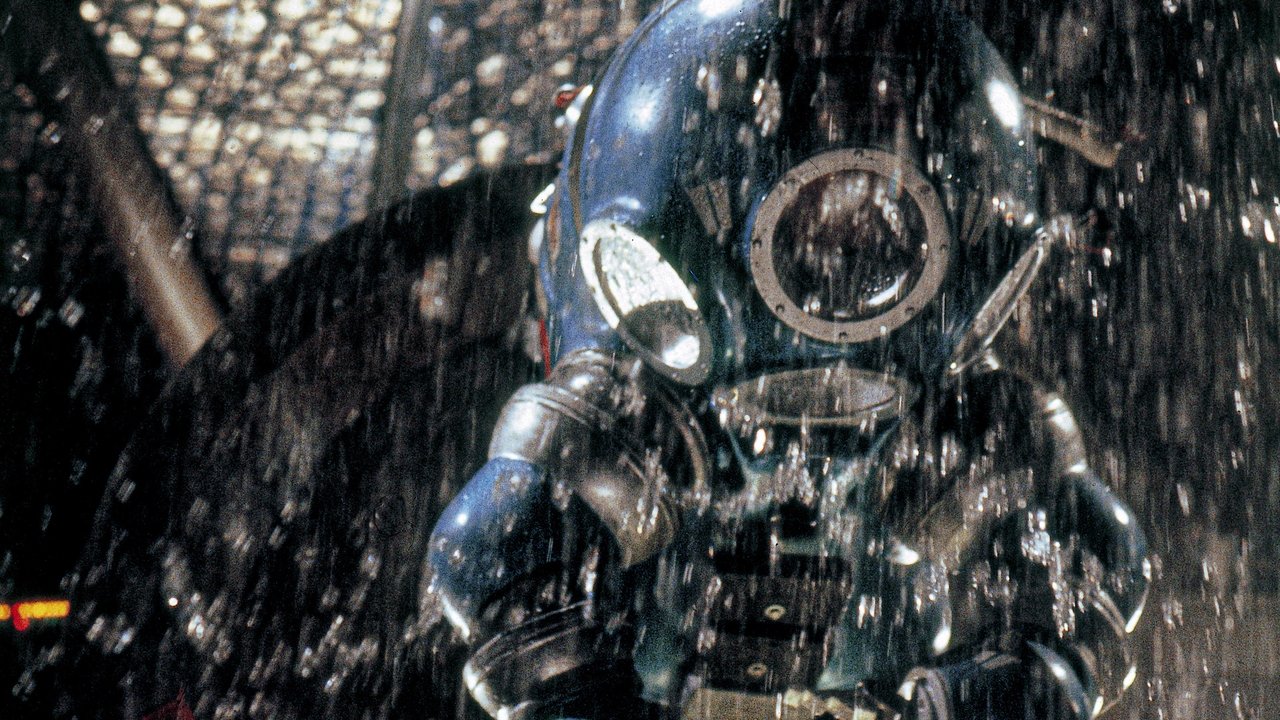
The crushing weight of the ocean abyss... miles of water pressing down, swallowing light, sound, and hope. That's the primal fear DeepStar Six taps into, a claustrophobic dread that felt particularly potent flickering on a CRT screen late at night. Forget ghosts or slashers for a moment; the true horror here is the vast, indifferent pressure cooker of the deep sea, and the things that might stir within it when disturbed. Released in the strange underwater-horror deluge of 1989 – alongside Leviathan and the behemoth The Abyss – this entry often gets lost in the wake, but it carved its own distinct, murky niche.
Pressure Building
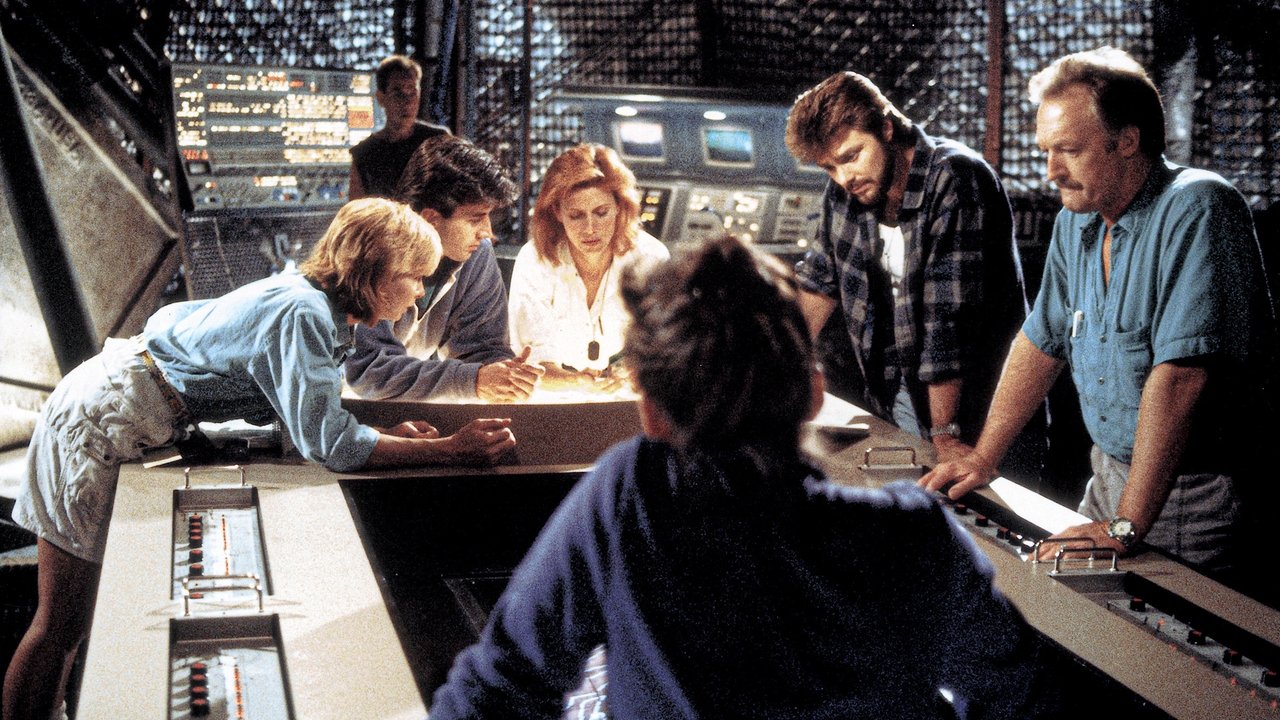
Directed by Sean S. Cunningham, the man who unleashed Jason Voorhees upon unsuspecting camp counselors in Friday the 13th (1980), DeepStar Six brings a similar workmanlike approach to its deep-sea terror. We're introduced to the crew of the titular undersea base, a mix of military personnel and civilian experts tasked with installing a nuclear missile platform on the ocean floor. The setup is pure Cold War-era pulp: a remote, high-tech facility, a potentially world-ending payload, and a crew simmering with interpersonal tensions. The casting leans heavily on familiar TV faces of the time – Greg Evigan (B.J. and the Bear), Taurean Blacque (instantly recognizable from Hill Street Blues), and Nancy Everhard – lending it that comfortable, slightly B-list feel that defined so many video store staples. The production design effectively conveys the cramped, utilitarian nature of the habitat; you can almost smell the recycled air and stale coffee. Co-writer Lewis Abernathy, interestingly, was a genuine deep-sea technology expert who later collaborated with James Cameron on deep-dive documentaries and Titanic (1997), adding a layer of plausible tech-jargon authenticity amidst the impending monster mayhem.
Something Stirs in the Silt
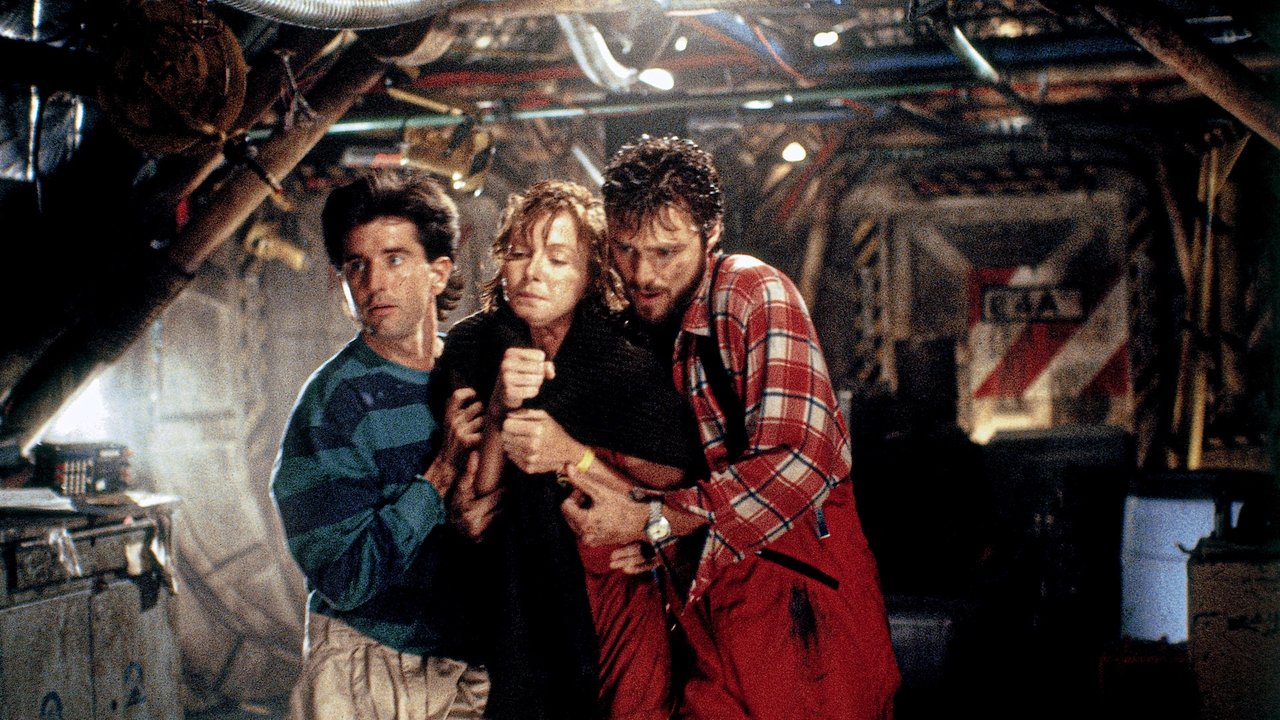
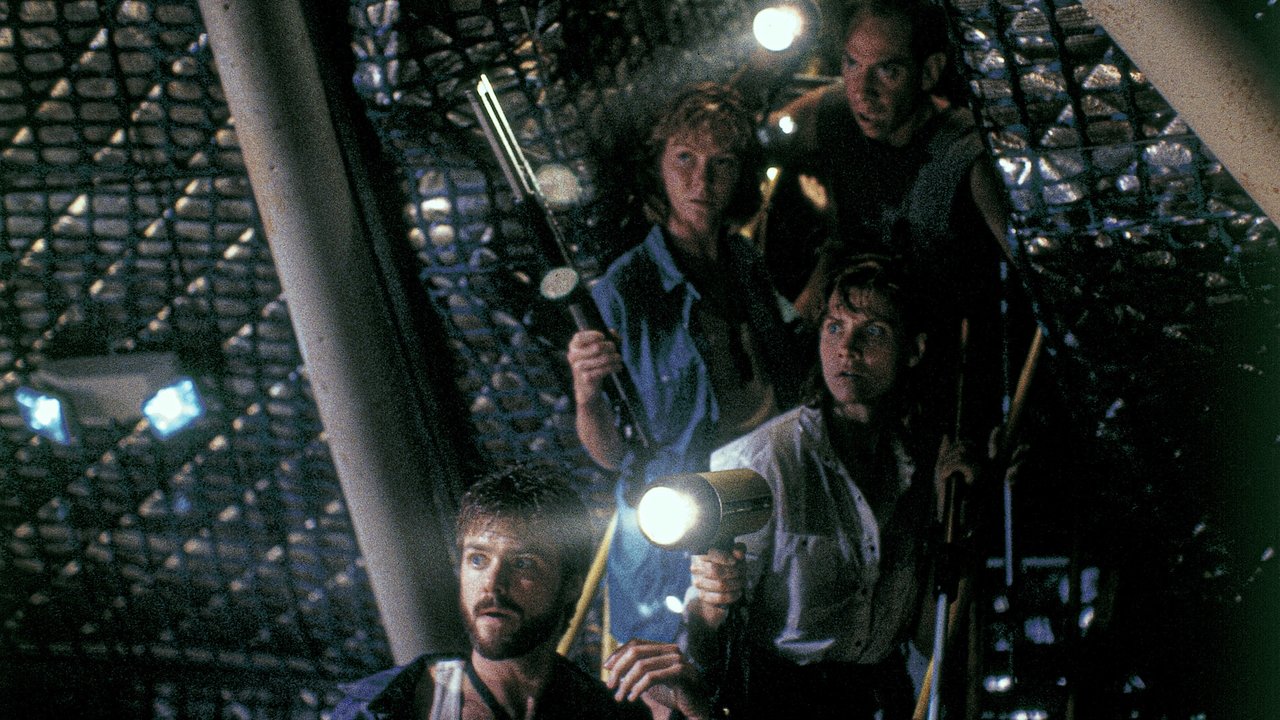
Of course, this being an 80s creature feature, meticulous adherence to protocol goes right out the porthole. An underwater cavern is blasted open to make way for the missile silo, and wouldn't you know it, something ancient and unfriendly is awakened. Cunningham, channeling his slasher roots, understands the slow burn. The initial encounters are mysterious: system malfunctions, strange readings, glimpses of something massive in the murky water outside. The film wisely plays on the isolation – when things go wrong down here, help isn't coming quickly, if at all. The tension ratchets up as the crew realizes they're not just dealing with structural failures, but an aggressive, unknown life form actively hunting them within the confines of their metal tomb.
Creature Comforts (and Discomforts)
When the beast finally makes its full appearance, it's a glorious piece of 80s practical effects work. Designed by Mark Shostrom (who also worked on A Nightmare on Elm Street 2 & 3, and Evil Dead II), the creature is a kind of prehistoric arthropod/crustacean nightmare. Does it look entirely convincing today? Perhaps not. But there's a tangible, physical presence to it – a rubbery, slime-dripping reality – that CGI often lacks. You believe this thing is occupying the same space as the actors, thrashing, biting, and generally making a mess of the meticulously designed sets. The underwater sequences, blending miniatures and full-scale set pieces, capture the disorienting, silt-filled chaos of a deep-sea disaster effectively, even on a reported budget of around $8 million (a modest sum even then, roughly $20 million today). That budget constraint likely contributed to some of the film's charming clunkiness, but also forced creative solutions typical of the era.

One scene that undoubtedly sticks in the memory of anyone who rented this tape is the infamous decompression sequence. Spoiler Alert! When a panicked crew member attempts an emergency surface escape without proper procedure, the results are... explosive. It's a moment of startlingly graphic body horror that felt shocking back then, a visceral reminder of the unforgiving physics of the environment, far more disturbing than the creature itself for some viewers. Doesn't that sequence still feel surprisingly brutal?
Navigating the Depths
DeepStar Six isn't perfect. The characters are somewhat thinly sketched archetypes, and the dialogue occasionally dips into pure B-movie cheese. The pacing can sometimes feel uneven, dwelling perhaps a bit too long on the technical aspects before the creature chaos truly erupts. Compared to the psychological depth and visual grandeur of The Abyss, or the slicker body-horror mutations of Leviathan, Cunningham's film is decidedly more straightforward, a blue-collar monster movie at its core. It knows what it is: an underwater spin on Alien (1979), swapping the cold vacuum of space for the crushing pressure of the deep.
Yet, there’s an undeniable charm and effectiveness to it. It delivers genuine moments of claustrophobic tension, some solid creature action, and that wonderfully tangible 80s aesthetic. I distinctly remember renting this one, the stark blue cover art promising aquatic chills, and it delivering a satisfying dose of underwater dread that lingered after the credits rolled and the VCR whirred to a stop. It plays like a reliable old friend among the creature features of the era – maybe not the star quarterback, but the dependable lineman who always got the job done.
Final Surface Breach:
DeepStar Six is a solid, unpretentious slice of late-80s underwater horror. It leverages its claustrophobic setting effectively, boasts a memorable practical creature, and delivers enough shocks and tension to satisfy fans of the genre. While overshadowed by its 1989 aquatic rivals, it remains a fun, atmospheric watch that perfectly captures the feel of a great video store find. It might not be high art, but it’s a well-crafted B-movie that understands its primary objective: deliver deep-sea monster mayhem.
Rating: 6/10
Justification: The film scores points for its effective atmosphere, strong practical creature effects (for the era), and some genuinely tense sequences (including the notorious decompression scene). Sean S. Cunningham's direction is efficient, and the core concept is compelling. However, it loses points for somewhat underdeveloped characters, occasional pacing issues, and dialogue that sometimes veers into cliché, preventing it from reaching the heights of its contemporaries like The Abyss or genre classics like Alien. It's a fun, competent creature feature, but not quite a masterpiece.
Final Thought: For fans who miss the days of tangible monsters and high-stakes, isolated horror, DeepStar Six remains a satisfying dive into the murky depths of 80s cinema. It’s a testament to the simple effectiveness of putting relatable characters under immense pressure – both literally and figuratively.