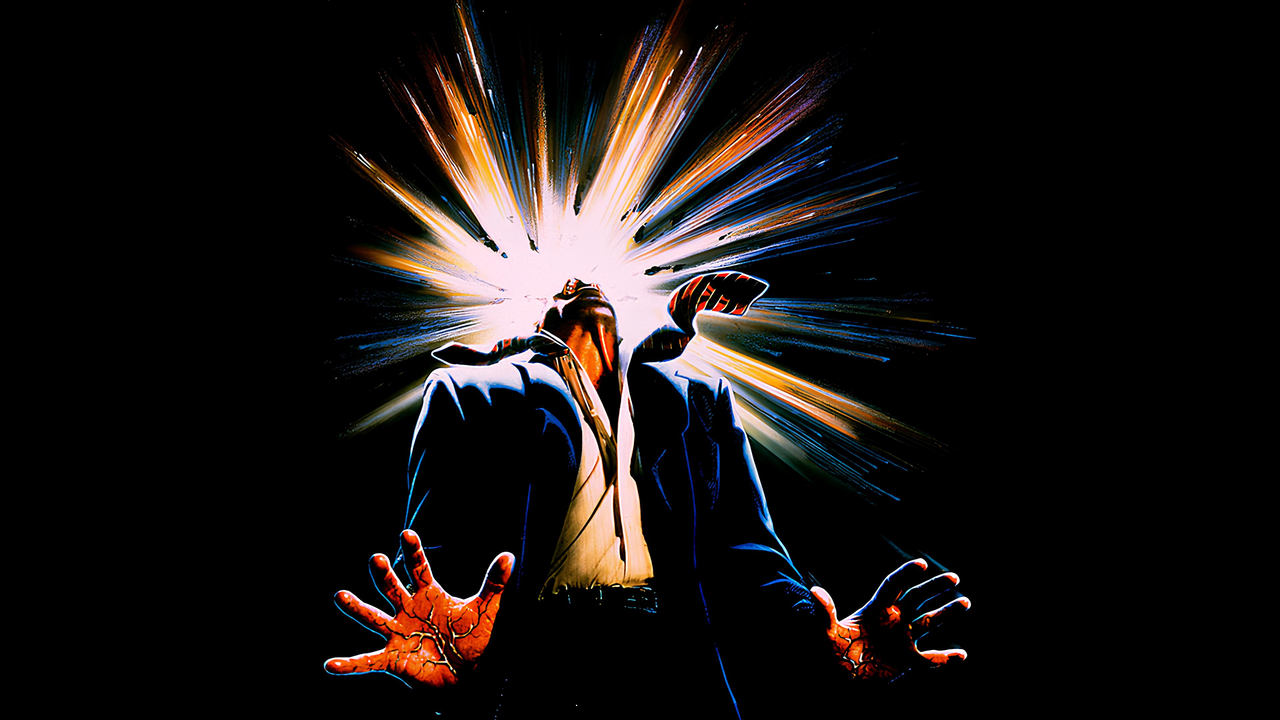
The hum of the VCR, the soft static bloom on the CRT screen – these were the precursors to a certain kind of cinematic encounter in the early 90s. You’d slide in a tape like Scanners II: The New Order, maybe dimmed the lights, and braced yourself. Not necessarily for the raw, visceral body horror David Cronenberg unleashed a decade prior in the original Scanners (1981), but for something... adjacent. Something carrying the weight of expectation, promising psychic warfare and maybe, just maybe, another glimpse of that infamous cranial detonation. This 1991 sequel arrived not with a bang, but with the quiet whir of the direct-to-video market, a different beast born from the shadow of a cult classic.
A Familiar Echo, A Different Frequency
The setup feels instantly familiar, yet subtly altered. We're back in a world where Scanners – individuals gifted (or cursed) with telepathic and telekinetic abilities – walk among us. But the cold, almost clinical dread of Cronenberg's vision is traded for something closer to an early 90s sci-fi thriller. The plot centres on David Kellum, played with a likable vulnerability by a young David Hewlett (years before he became the lovably acerbic Dr. Rodney McKay in Stargate Atlantis). David is a veterinary student just discovering his terrifying powers, initially manifesting as uncontrollable migraines and chaotic bursts of psychic energy. He's soon swept up in a conspiracy orchestrated by the power-hungry Police Commander Forrester (Yvan Ponton, chewing the scenery with requisite authoritarian zeal), who aims to harness Scanner abilities to establish, well, a "new order." Forrester employs corrupted Scanners, promising them relief via a drug called Eph2 (an evolution of the original film's Ephemerol), while secretly manipulating them for his nefarious goals. It falls to David, guided by the compassionate Dr. Morse (Deborah Raffin), to understand his powers and confront Forrester's regime.
Dialling Down the Dread, Upping the Action
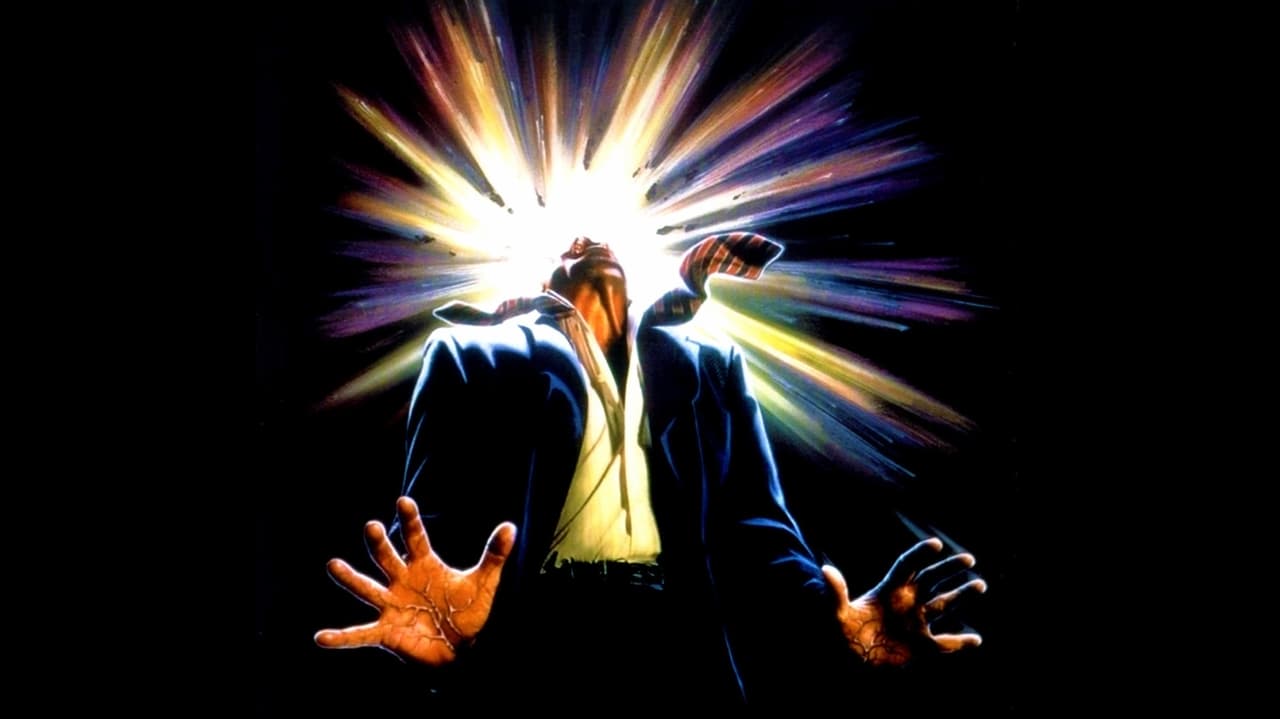
Directed by Christian Duguay, who would quickly follow this up with Scanners III: The Takeover (1992) and later helm films like Screamers (1995), Scanners II shifts the focus. Where the original burrowed under your skin with its themes of alienation, corporate malfeasance, and the horror of the flesh, this sequel leans more heavily into action tropes. We get Scanner-on-Scanner duels, telekinetic car chases (of a sort), and infiltration sequences. The pervasive sense of existential dread is largely replaced by plot mechanics and more conventional good-vs-evil stakes. Filmed efficiently in Montreal, Canada, on what was reportedly a modest budget (around $3.5 million CAD, roughly $7 million USD today), the production design feels functional rather than inspired, capturing that slightly sterile, fluorescent-lit aesthetic common in direct-to-video fare of the era. It lacks the distinct, unsettling visual identity of its predecessor.
The Practical Magic (and Mayhem)
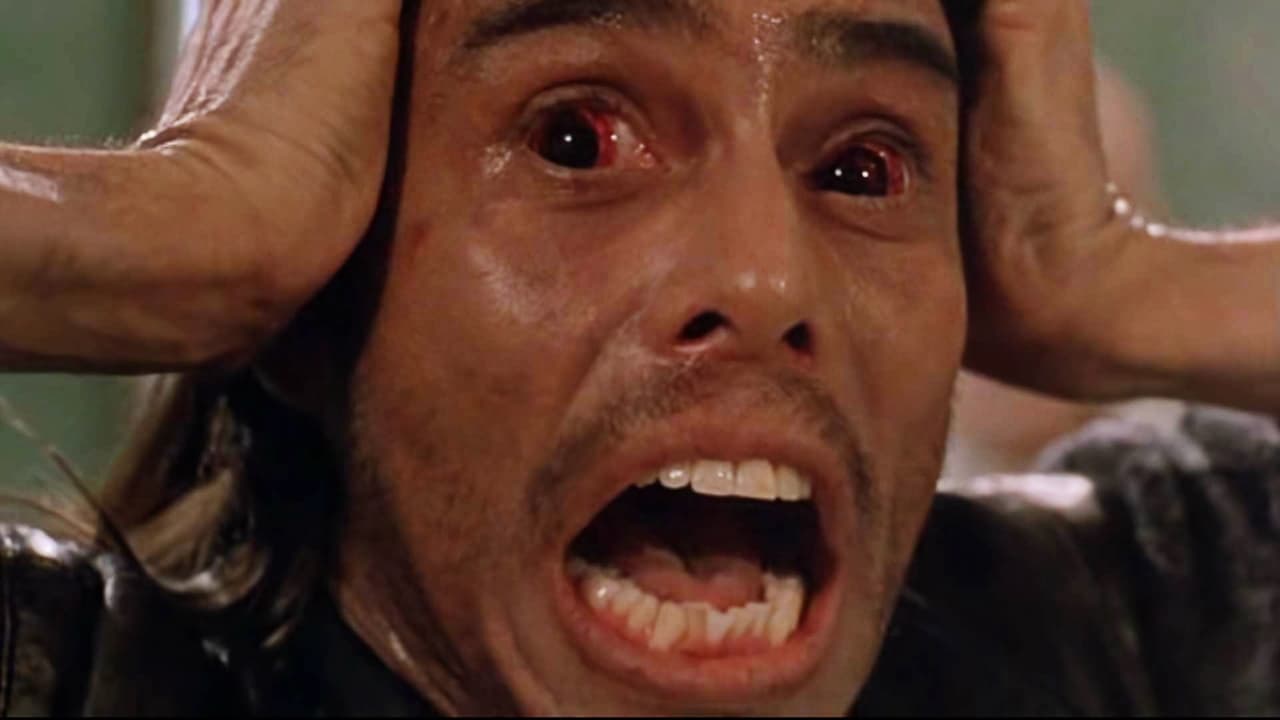
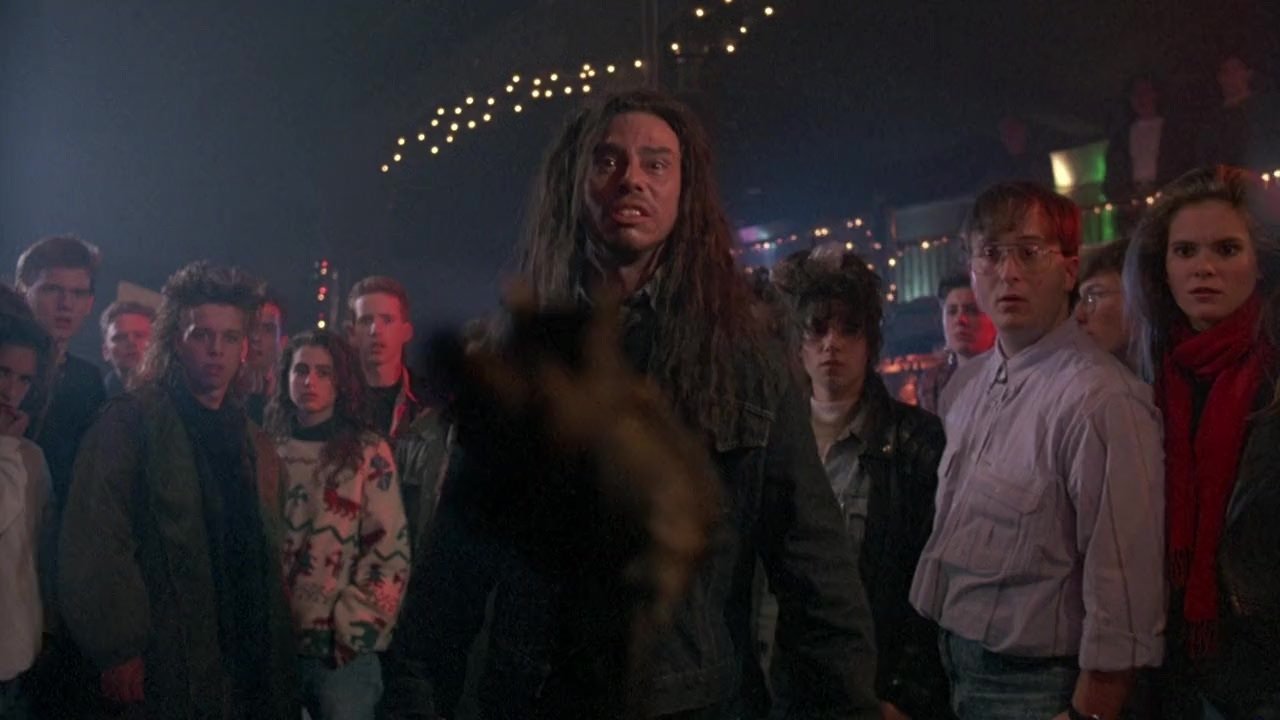
Of course, you can't talk Scanners without talking effects. While The New Order wisely avoids trying to simply replicate the original's legendary head explosion (a moment reportedly achieved with a shotgun blast to a dummy head filled with latex scraps and leftover lunch), it still delivers its share of practical, psychic-induced carnage. The effects team clearly worked hard within their means. Remember that sequence in the video arcade? Or the rather memorable, if slightly goofy, chaos unleashed in the toy store? These moments, featuring telekinetically thrown objects, contorted faces mid-scan, and the prerequisite nosebleeds, carry a certain tactile, hand-crafted charm that feels intrinsically linked to the VHS era. They might look dated now, sure, but back then, watching those physical props fly and seeing the strained effort on the actors' faces felt viscerally real in a way CG often struggles to replicate. There's an earnestness to the effects work, even if it never quite reaches the Cronenbergian heights of disturbing anatomical rearrangement. It’s rumoured that Duguay actually pushed for more intense gore, but budget and perhaps ratings concerns kept things slightly more restrained than the infamous original.
Finding Its Own Signal
So, how does Scanners II: The New Order hold up? It’s undeniably a product of its time and its release strategy. It lacks the philosophical depth and chilling atmosphere of the 1981 original, trading psychological horror for more straightforward sci-fi action thrills. David Hewlett makes for an engaging protagonist, more immediately sympathetic than Stephen Lack's detached Revok-hunter, and Yvan Ponton delivers a perfectly serviceable villain. The pacing is brisk, and the action, while not revolutionary, provides enough telekinetic spectacle to keep things moving. It feels less like a true successor to Scanners and more like a competent genre entry riffing on its core concept. For many of us prowling the video store aisles back then, it scratched an itch – providing more Scanner action, familiar concepts, and those endearingly practical effects, even if the deep chill was missing. It became a reliable rental, a known quantity for a Friday night. Doesn't that specific brand of early 90s direct-to-video sci-fi still hold a certain comforting appeal?

VHS Heaven Rating: 6/10
Justification: Scanners II delivers decent early 90s sci-fi action and some entertainingly practical psychic mayhem, anchored by a likable lead performance from David Hewlett. It successfully expands the Scanners world, albeit trading the original's deep existential dread for more conventional thriller plotting. While it can't escape the shadow of Cronenberg's masterpiece and suffers from its direct-to-video limitations (budget, less distinct atmosphere), it remains a fun, nostalgic watch for fans of the era's genre output and provides a solid, if unremarkable, continuation of the Scanner saga. It fulfills the promise of its premise, even if it doesn't explode heads with the same iconic impact.
Final Thought: Not quite a mind-blower, but Scanners II: The New Order remains a surprisingly watchable frequency on the dial of 90s sci-fi sequels, a testament to the enduring power of a killer concept and the charm of pre-CG practical effects.