The light burns. Three suns scorch a bleached, alien desert, painting everything in harsh, overexposed hues. It’s a landscape that feels simultaneously vast and claustrophobic, the kind of sci-fi vista that promises desolation, not discovery. And then the light begins to fail. That triple sunset, a spectacle of alien beauty, becomes the harbinger of absolute, suffocating terror in David Twohy's lean, mean survival shocker, Pitch Black (2000). It might have landed right at the turn of the millennium, but its heart beats with the gritty, practical pulse of the best late 80s creature features.
Into the Abyss
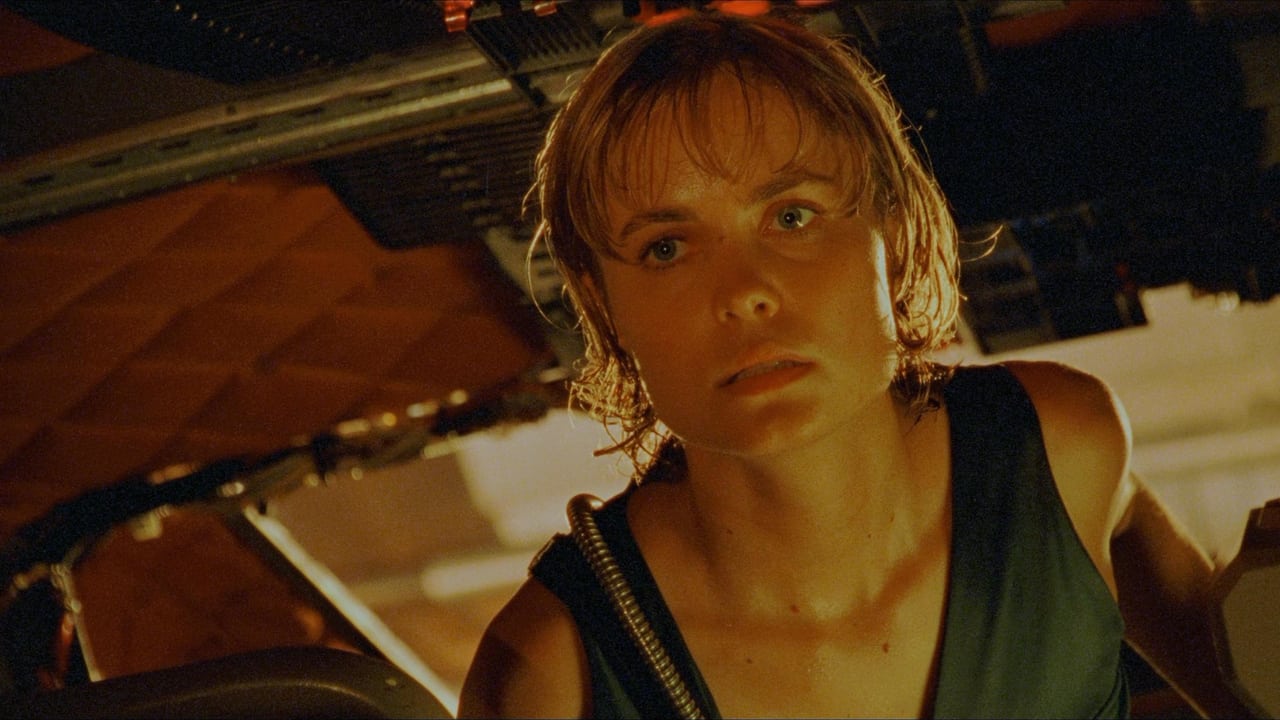
The setup is pure pulp efficiency: the transport vessel Hunter-Gratzner suffers catastrophic damage mid-flight, crash-landing on an uncharted planet. The survivors are a motley crew – docking pilot Carolyn Fry (Radha Mitchell, wrestling with guilt over a potentially lethal command decision), bounty hunter Johns (Cole Hauser, radiating ruthless pragmatism), a Muslim preacher and his young charges, an antique dealer, a geologist, and, chained in the wreckage, the notorious murderer Richard B. Riddick (Vin Diesel). Stranded and desperate, they soon realize the crash was just the beginning. This planet harbours subterranean predators, photophobic nightmares that only emerge when the light dies. And a rare, total eclipse is imminent, plunging their world into perpetual darkness.
Twohy, who co-wrote the script (with Jim & Ken Wheat), understands the power of suggestion and the slow burn. Much of the film's effectiveness comes from its masterful control of atmosphere. The daylight scenes bake the dread in, the survivors squinting against the glare, their isolation palpable. When night falls, initially teased through eerie caves and unsettling shadows, the film transforms. The colour palette shifts to stark blues and deep blacks, punctuated only by artificial light sources – flickering torches, dying glowsticks, the frantic beams of flashlights cutting through the oppressive gloom. Graeme Revell's score complements this perfectly, oscillating between tense silence and sudden, jarring bursts of sound that mimic the creatures' attacks.
The Birth of an Anti-Hero
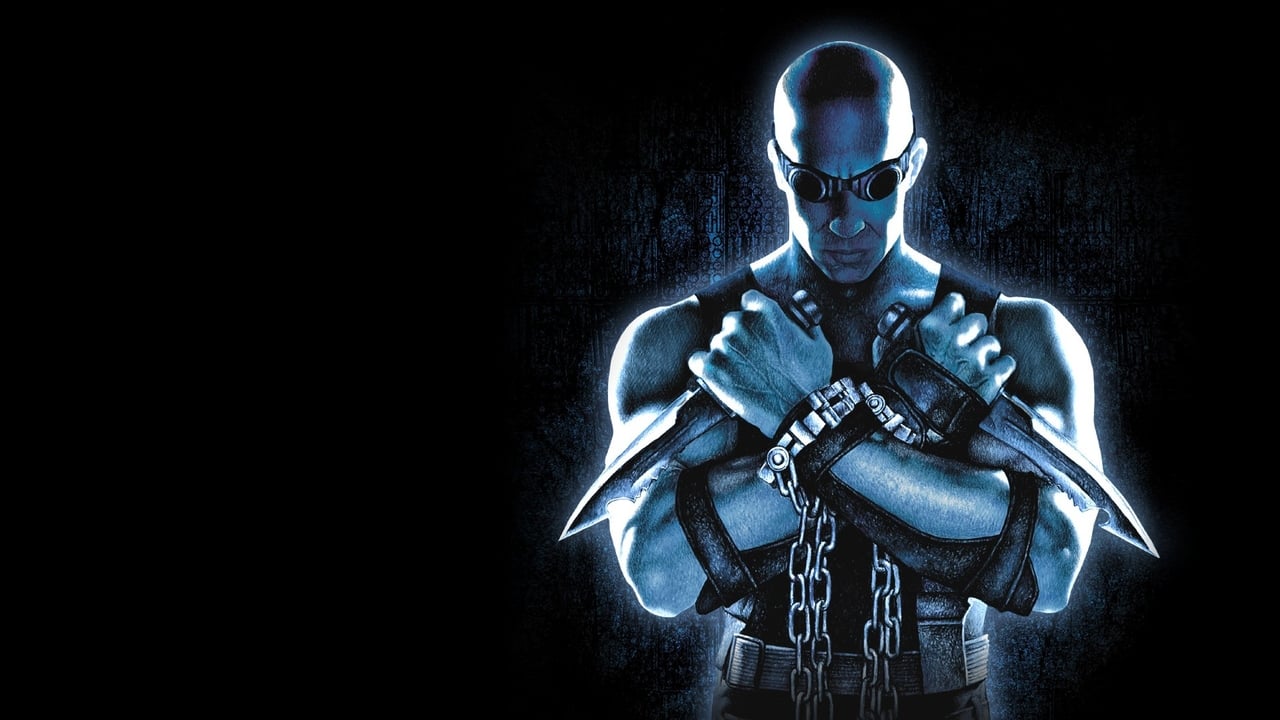
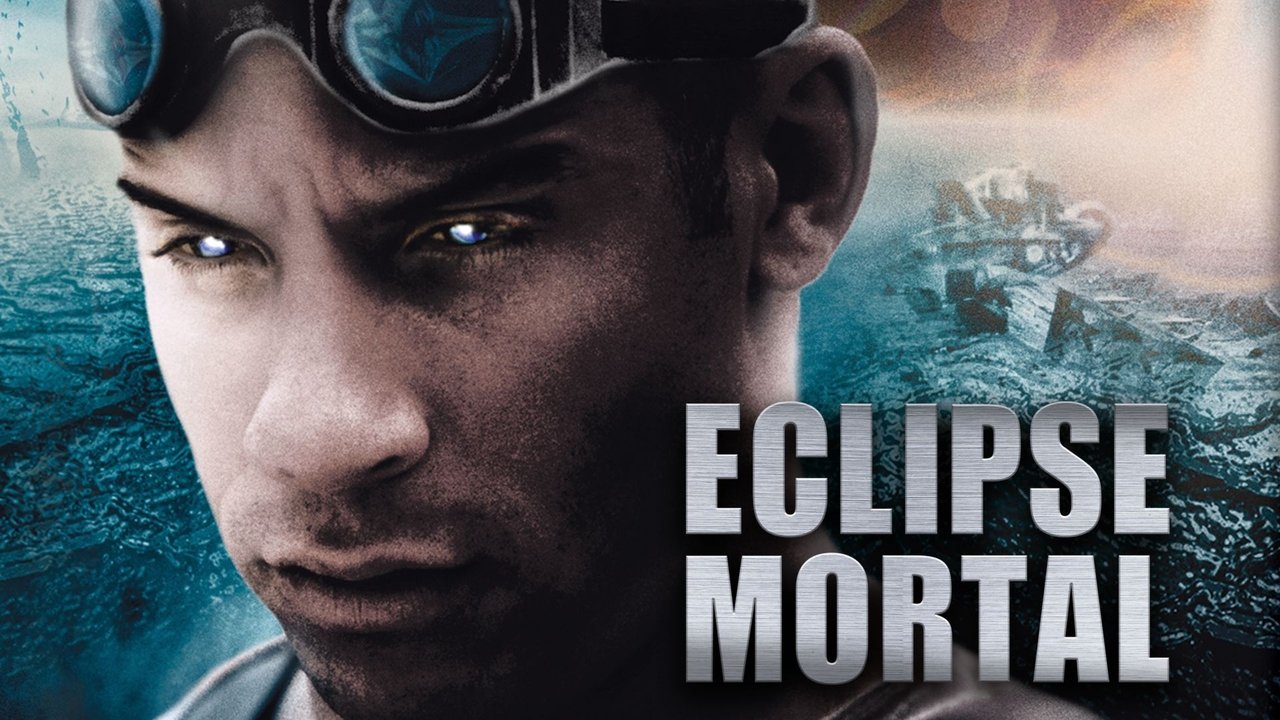
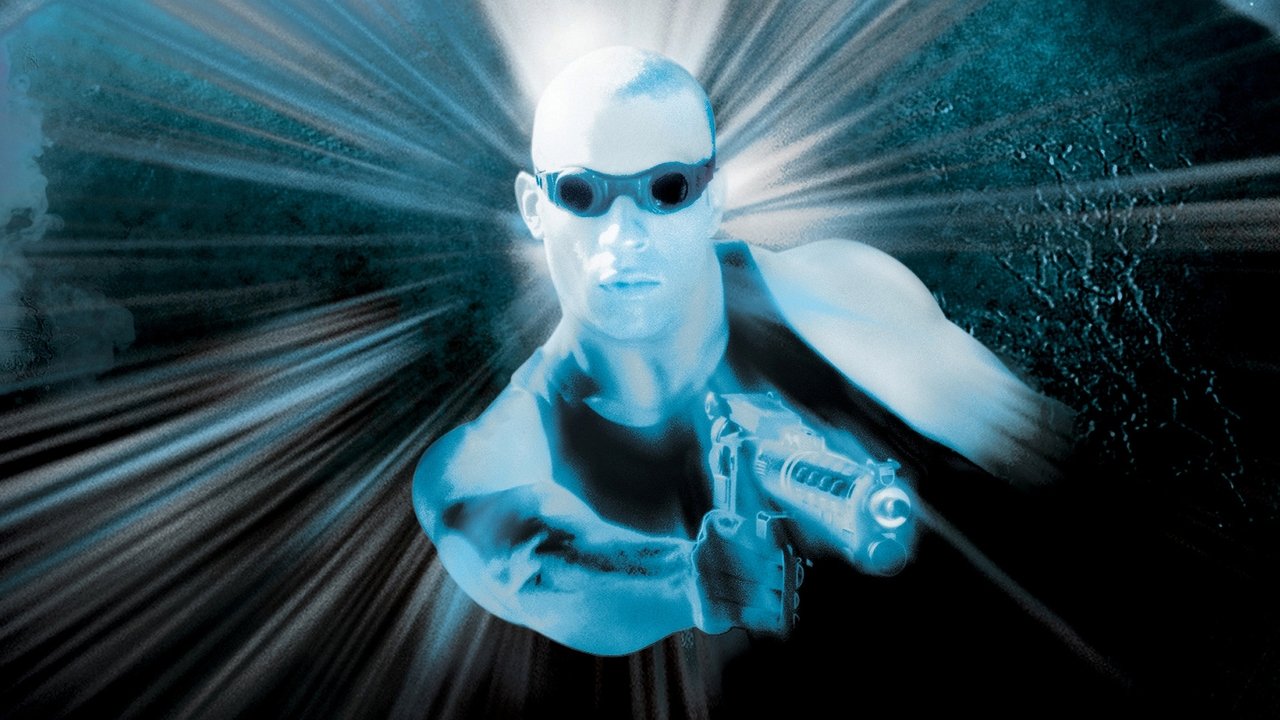
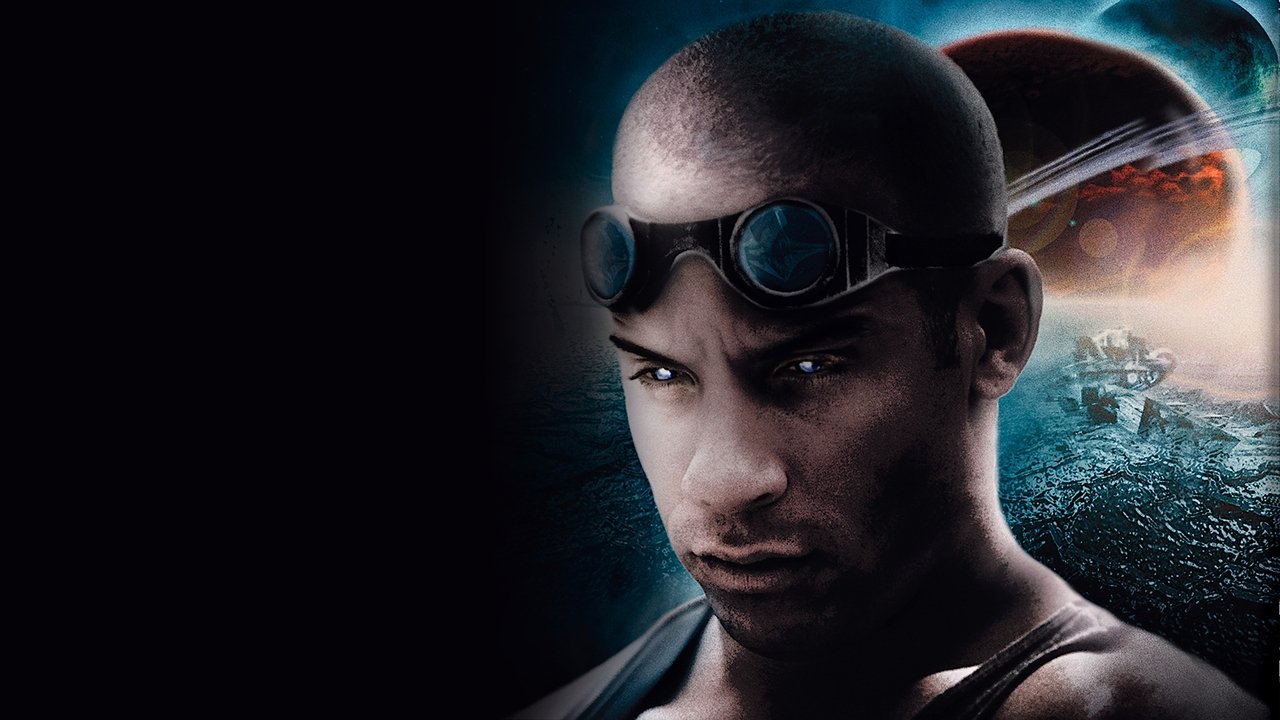
Of course, Pitch Black is inseparable from the character it unleashed upon the sci-fi landscape: Riddick. Vin Diesel, pre-Fast & Furious superstardom, is magnetic. He embodies Riddick with a coiled, animalistic energy. Shaven-headed, muscle-bound, and sporting surgically altered eyes that allow him to see in the dark (a crucial survival trait here), Riddick is the ultimate predator dropped amongst prey, who then becomes their unwilling protector against something worse. The script cleverly plays with audience expectations – is he the primary threat, or the only hope? Diesel's low growl and minimalist delivery sell the character's mystique perfectly. It's a star-making turn, built on presence rather than extensive dialogue. Did anyone truly expect this "dangerous convict" character to become the anchor of a multi-film franchise?
The physical demands on Diesel were real; those signature mirrored contact lenses were apparently quite uncomfortable and restricted his vision significantly during filming, adding an unintended layer of difficulty to navigating the already challenging sets. Shooting took place primarily in the Australian outback near Coober Pedy, a location known for its extreme heat and desolate beauty, which undoubtedly contributed to the film's palpable sense of harshness and isolation. That wasn't CGI heat shimmering off the sand; the cast and crew genuinely endured brutal conditions.
Creature Comforts (and Discomforts)
The creatures themselves, often referred to as Bioraptors, are effectively designed terrors. While some of the early 2000s CGI might show its age slightly now, the blend with practical elements and the way Twohy often keeps them shrouded in darkness or glimpsed in chaotic flashes maintains their menace. Remember how unsettling those designs felt back then? They weren't just generic monsters; they felt genuinely alien, with their hammerhead shark-like sonar sensors and relentless hunger. Their effectiveness lies less in lingering close-ups and more in the sheer panic they induce – the clicking sounds, the sudden swoops from the darkness, the terrifying speed. It taps into that primal fear of what lurks just beyond the light.
The supporting cast does solid work grounding the extraordinary situation. Radha Mitchell provides the film's moral compass as Fry, evolving from self-preservation to reluctant leadership. Cole Hauser is effectively slimy as the mercenary Johns, whose own secrets add another layer of tension. The dynamic between Fry, Johns, and Riddick – trust constantly shifting, alliances forged and broken by necessity – forms the compelling human core amidst the creature chaos.
Retro Fun Facts
- Pitch Black was a relative sleeper hit. Made for a modest $23 million, it clawed its way to over $53 million worldwide, proving there was still an appetite for R-rated, adult-oriented sci-fi horror.
- The original script apparently focused more heavily on the character Fry, with Riddick being a more straightforwardly antagonistic figure. His role grew, partly due to Diesel's compelling presence during production.
- Look closely during the flight deck scenes – some of the instrumentation graphics were reportedly borrowed from Star Trek: The Next Generation sets as a cost-saving measure. A little bit of Trek tech guiding this doomed flight!
- A Director's Cut exists, adding a few minutes of character development, particularly for Imam and Fry, deepening the emotional resonance slightly without drastically altering the core plot.
Lasting Shadows
Pitch Black succeeds because it's relentlessly focused. It’s a survival story stripped to its bare essentials: light versus dark, human versus monster, trust versus betrayal. It doesn't overcomplicate its premise, instead investing in tension, atmosphere, and the breakout character of Riddick. While its sequels (The Chronicles of Riddick (2004), Riddick (2013)) expanded the mythology and shifted towards action-adventure, the raw, primal fear of the original remains potent. It felt like a throwback even upon release, a welcome blast of gritty creature feature filmmaking reminiscent of Alien (1979) or Predator (1987), prioritizing suspense and practical dread over digital overload.
Rating: 8/10
This score reflects the film's undeniable strengths: killer atmosphere, a genuinely iconic anti-hero introduction, effective creature design, and lean, focused storytelling. It's a masterclass in B-movie tension elevated by strong execution. While some supporting characters feel a bit archetypal and certain CGI moments betray its age, the core experience remains incredibly effective.
Pitch Black is more than just the start of the Riddick saga; it's a reminder of how chilling and effective a well-crafted, atmospheric sci-fi horror film can be. It’s the kind of movie that makes you check the shadows long after the credits roll, a perfect slice of turn-of-the-millennium dread that still holds up remarkably well. Doesn't that final shot, with Riddick embracing the darkness, still send a shiver down your spine?