There's a certain quiet intimacy to Alan Alda's The Four Seasons (1981), a feeling like settling into a comfortable armchair with old friends – friends you know almost too well. It lacks the explosions and high-concept hooks that dominated so much of the early 80s box office, yet watching it again feels like uncovering a time capsule, not just of an era, but of the intricate, often messy, realities of long-term relationships. It doesn’t shout; it observes, letting the shifting dynamics between three couples unfold as naturally as the turning of the year itself.
A Year in the Life
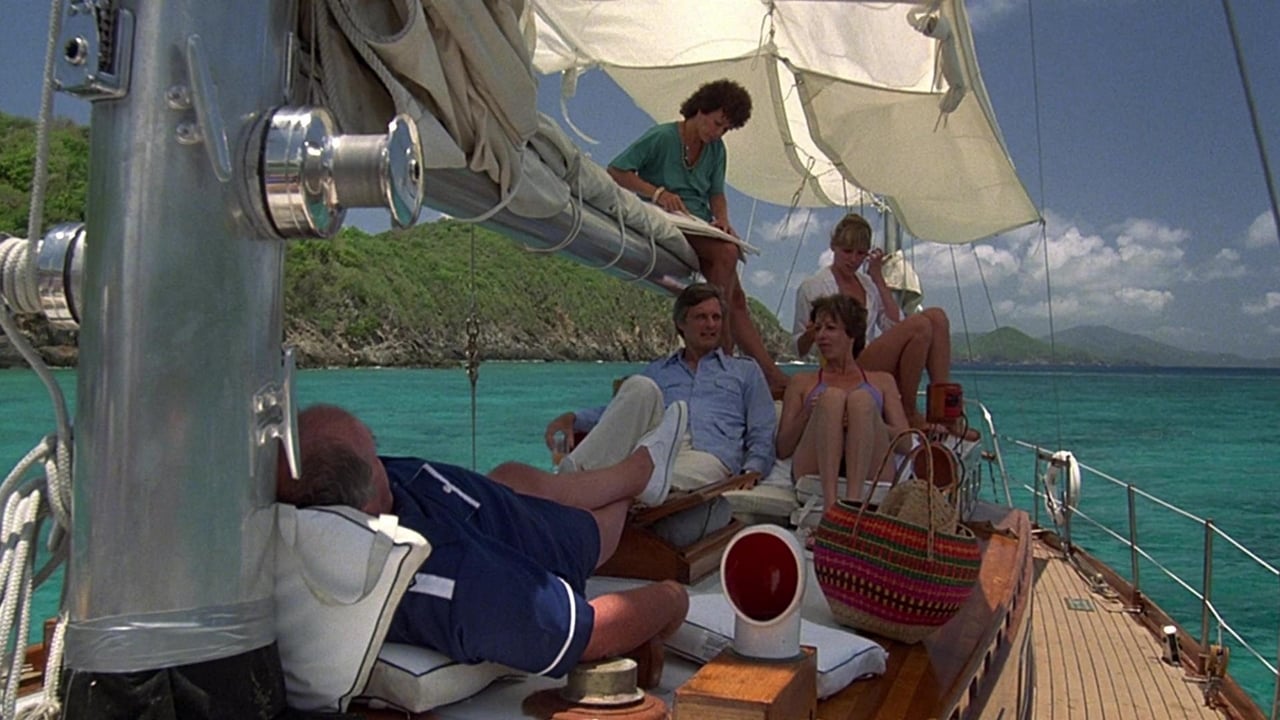
The premise is beautifully simple: three affluent New York couples – Jack and Kate (Alda and Carol Burnett), Nick and Anne ( Len Cariou and Sandy Dennis), and Danny and Claudia (Jack Weston and Rita Moreno) – share seasonal vacations together. Spring in a rented country house, Summer on a yacht in the Caribbean, Autumn visiting parents on a college campus, and Winter skiing. But this isn't just about picturesque settings (though the film captures each season beautifully). It's about the conversations, the shared histories, the subtle shifts in alliances, and the eventual seismic crack when Nick leaves Anne for the much younger Ginny (Bess Armstrong), forcing the entire group to navigate a new, often awkward, reality. Alda, pulling double duty as writer and director (a significant move for the beloved MASH* star into features), crafts a narrative that feels less plotted and more lived.
The Art of the Ensemble
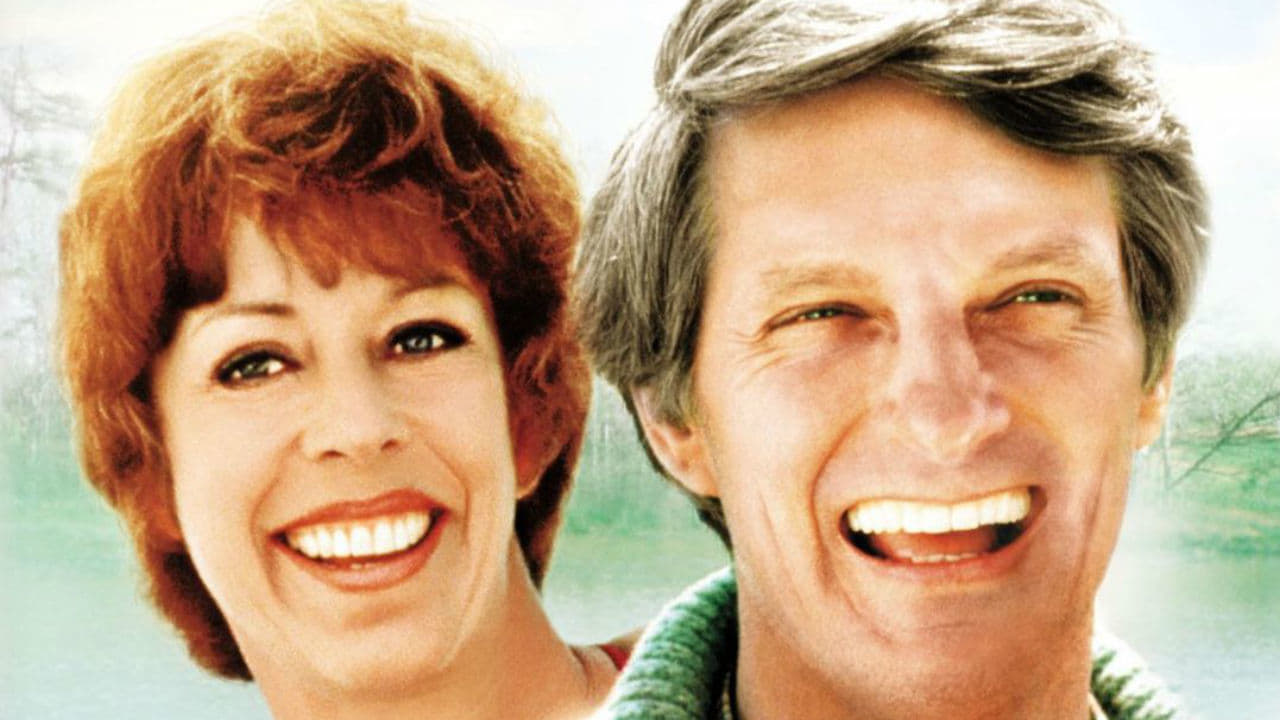
What truly elevates The Four Seasons is the ensemble cast, functioning less like individual stars and more like a finely tuned chamber orchestra. Alan Alda brings his trademark blend of intelligence, warmth, and simmering frustration to Jack, the film's anchor. Carol Burnett, stepping away from her legendary sketch comedy persona, is a revelation as Kate. Her reactions, often silent glances or perfectly timed sighs, speak volumes about the weariness and wisdom that comes with decades of marriage and friendship. She earned a Golden Globe nomination, and it was thoroughly deserved – a performance of quiet power and relatability.
Len Cariou masterfully portrays Nick's mid-life crisis restlessness, making his controversial decisions feel rooted in character, however selfish they may seem. The late Sandy Dennis, with her famously idiosyncratic delivery, brings a heartbreaking vulnerability to Anne, the spurned wife trying to maintain dignity amidst devastation. Jack Weston and Rita Moreno provide brilliant counterpoints as the more outwardly volatile but deeply connected Danny and Claudia; their bickering feels authentic, masking a genuine affection. And Bess Armstrong navigates the tricky role of Ginny, the perceived interloper, with sensitivity, ensuring she's more than just a plot device. Their interactions – the overlapping dialogue, the shared jokes, the sudden flare-ups – feel utterly real, like conversations you might overhear (or participate in) yourself.
Behind the Seasons
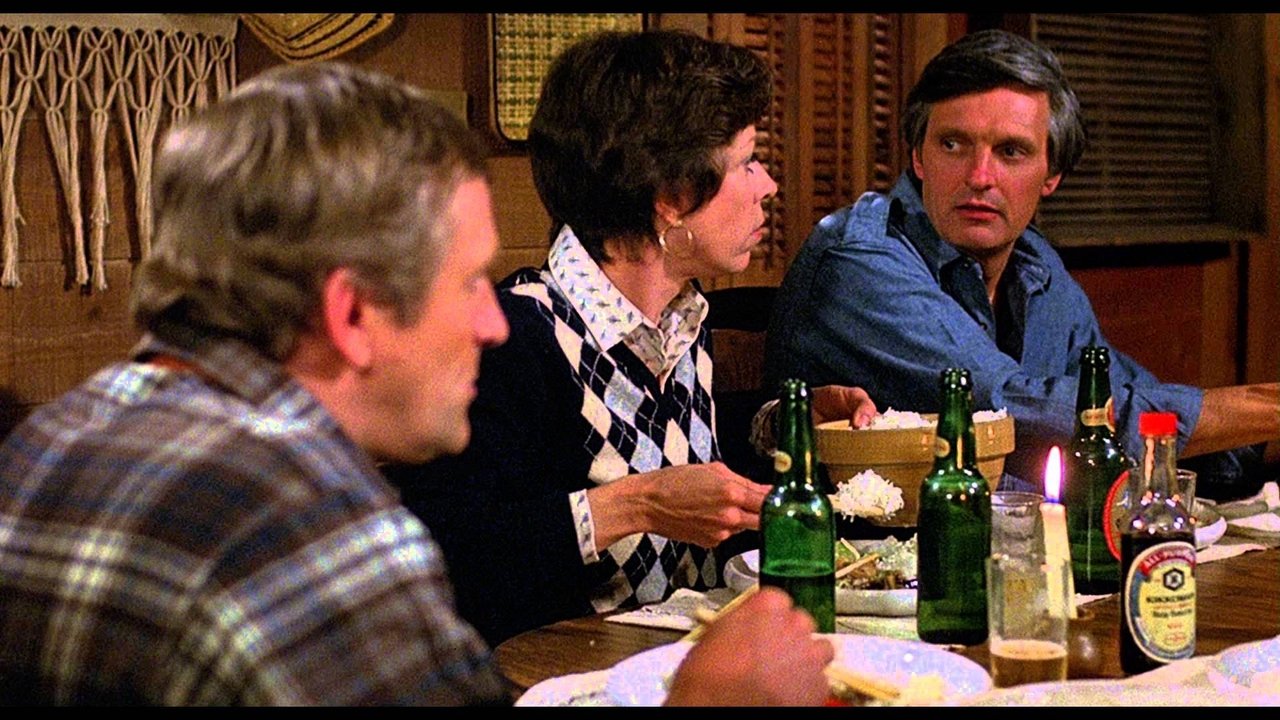
Alda's screenplay, reportedly drawing inspiration from experiences with his own circle of friends, is the bedrock here. The dialogue crackles with wit but never feels forced; the arguments sting with familiarity. He wanted a naturalistic feel, apparently encouraging improvisation amongst the seasoned cast, which undoubtedly contributes to the film's authenticity. Shooting across four distinct seasons presented logistical challenges, requiring filming over an extended period in locations like Vermont, Connecticut, and St. Thomas. This commitment pays off, grounding the emotional shifts in tangible environmental changes, underscored beautifully by Vivaldi's familiar score.
It's fascinating to remember this character-driven piece, made for a relatively modest budget (around $6.5 million), became a significant box office success, grossing over $50 million. In an era increasingly dominated by fantasy and spectacle, audiences clearly connected with its honest portrayal of adult life. It proved Alda wasn't just Hawkeye Pierce; he was a thoughtful filmmaker with a keen eye for human behavior. This wasn't Porky's; it was a movie for adults, about adults, something that felt increasingly rare as the decade progressed.
Friendship, Change, and the Passage of Time
The film poses quiet questions that linger. How do friendships endure when the core group dynamic is fractured? How do we navigate the inevitable changes that come with aging, both individually and within our relationships? What does loyalty mean when faced with uncomfortable truths? The Four Seasons doesn't offer easy answers. It presents the complexities, the compromises, the moments of unexpected grace and connection that define long-term bonds. Watching it now, perhaps decades after a first viewing, these themes resonate even more deeply. It reminds me of conversations I've had, dynamics I've witnessed, the subtle ways friendships shift and endure, or sometimes, sadly, don't.
There's a warmth here, even amidst the arguments and anxieties. It’s the warmth of shared history, of inside jokes, of knowing someone’s flaws and loving them anyway (or perhaps, despite them). It captures that specific feeling of vacationing with close friends – the relaxed intimacy punctuated by moments of friction, the shared meals and lazy afternoons, the easy companionship.
Final Thoughts
The Four Seasons remains a remarkably insightful and engaging film. It’s funny, poignant, and deeply human. The performances are uniformly excellent, capturing the nuances of middle-aged anxieties and affections with grace and humor. Alda’s direction is assured, letting the characters and their conversations take center stage. It feels like a conversation itself – thoughtful, sometimes meandering, ultimately rewarding.
Rating: 8.5/10
This rating reflects the film's superb ensemble cast, its intelligent and witty script, and its timeless exploration of adult relationships. It’s a mature, keenly observed comedy-drama that sidesteps easy sentimentality for something far more truthful and resonant. Decades later, it still feels like a breath of fresh air, a reminder that sometimes the most compelling stories are the ones happening quietly, right next door, season after season. What endures more: the landscapes we visit, or the connections we forge (and sometimes fray) within them?