It starts with the earth swallowing men whole, only to spit them back out, unemployed. The opening of Aki Kaurismäki's 1988 film Ariel is stark, immediate, and unforgettable: a Finnish mine closes, its workers abruptly cast adrift. Among them is Taisto Kasurinen (Turo Pajala), handed the keys to a white Cadillac convertible by a despairing co-worker just before the man ends his own life. This isn't the setup for a typical road movie; it's the quiet, resigned beginning of a journey fueled by desperation and a fragile glimmer of hope, a signature blend that Kaurismäki perfected. Finding a film like Ariel tucked away on a VHS shelf back in the day felt like uncovering a secret message from a distant, melancholic, yet strangely beautiful world.
### The Long Road South
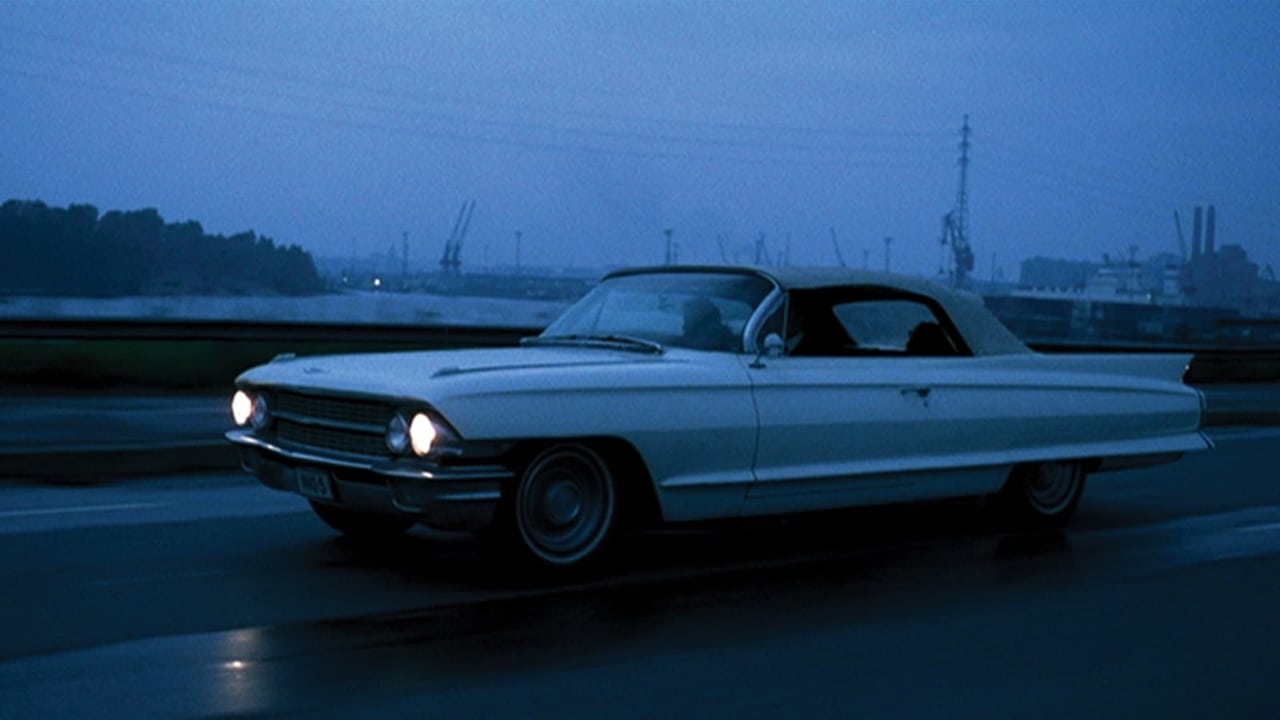
What follows isn't about grand adventure, but the relentless friction of reality against modest dreams. Taisto drives south towards Helsinki, the Cadillac a poignant symbol of borrowed American optimism cutting through the muted Finnish landscape. Kaurismäki, already known for the first part of his Proletariat Trilogy, Shadows in Paradise (1986), masterfully crafts an atmosphere thick with economic anxiety and existential uncertainty. The Finland depicted here is one of chilly prospects and sudden misfortunes. Taisto is quickly robbed, landing him penniless in the city, forcing him into day labor and cramped lodgings. It's a narrative stripped bare, presented with a matter-of-factness that borders on the absurd, yet feels deeply true to the precariousness many faced. There's a certain stark poetry to the visuals – the static camera, the careful composition, the way light falls on worn faces and bleak interiors.
### Faces Carved from Finnish Granite
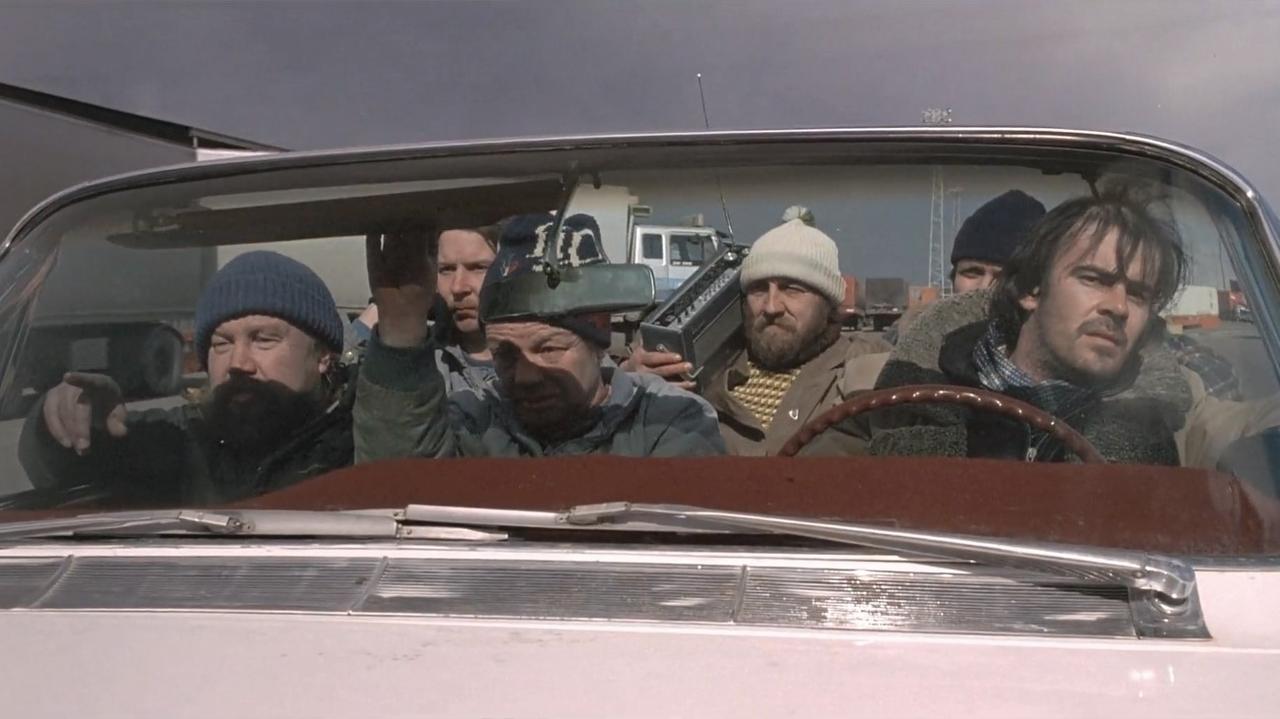
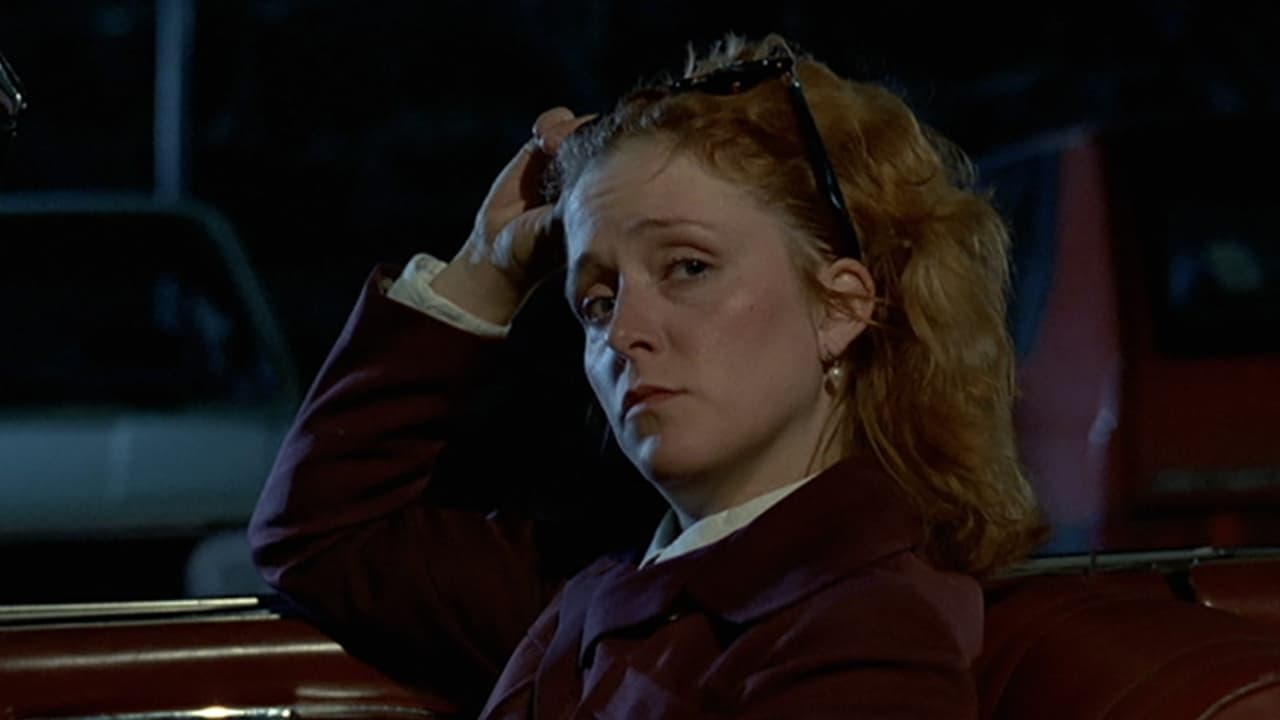
The performances in Ariel are studies in profound understatement, a hallmark of Kaurismäki's direction. Turo Pajala as Taisto is magnificent in his stoicism. His face, often impassive, communicates volumes through the slightest flicker of his eyes or the set of his jaw. He embodies a quiet resilience, a man absorbing blows without complaint, driven by an almost primal need to simply keep going. He meets Irmeli (Susanna Haavisto), a single mother juggling multiple jobs (parking attendant, slaughterhouse worker), and their connection forms the film's emotional core. Haavisto matches Pajala's restraint with a portrayal of weary pragmatism edged with warmth. Their courtship is awkward, tentative, yet utterly believable – two souls finding solace in a harsh world. And then there’s Mikkonen, Taisto’s cellmate, played by the legendary Matti Pellonpää. Though his screen time is limited, Pellonpää, a Kaurismäki regular sadly lost too soon, steals every scene he’s in with his hangdog charm and world-weary humor. His presence is a reminder of the community found even in the unlikeliest of places. Why does this minimalist acting work so well? Perhaps because it trusts the audience, allowing us to read the depths beneath the quiet surfaces, reflecting a certain Finnish national character often stereotyped as reserved but deeply feeling.
### Style as Substance
Kaurismäki isn't just telling a story; he's crafting a specific cinematic universe. The dialogue is sparse, often droll, landing with deadpan precision. Humor arises not from jokes, but from the sheer absurdity of situations met with unwavering seriousness. Think of Taisto trying to pawn the car radio, or the bluntness of his proposal to Irmeli. The soundtrack is crucial, a carefully curated mix of Finnish tango and rockabilly tunes that often provide an ironic counterpoint to the on-screen gloom – a yearning for escape and romance pulsing beneath the grey reality. Ariel is the second film in the unofficial Proletariat Trilogy, followed by the devastating The Match Factory Girl (1990), and it shares their thematic concerns: the struggles of the working class, the search for dignity, and the often-cruel hand of fate. Kaurismäki famously works quickly, often favoring first takes, which perhaps contributes to the raw, unpolished energy that makes his films feel so vital. The film's title, Ariel, is intriguing – is it the ship they dream of escaping on, or perhaps a nod to Shakespeare's sprite, a spirit trapped and yearning for freedom? The ambiguity adds another layer to its quiet poetry.
### Retro Fun Facts Corner
Digging into the making of Ariel reveals some interesting tidbits that feel very Kaurismäki:
- The film's shoestring budget (reportedly around $400,000 USD back then, maybe $1 million today) necessitated resourcefulness, contributing to its lean aesthetic.
- Kaurismäki wrote the script himself, as he does for nearly all his films, ensuring a singular vision.
- Despite its bleak subject matter, Ariel won the FIPRESCI Prize (International Federation of Film Critics) at the 10th Moscow International Film Festival in 1989, signaling early international recognition of Kaurismäki's unique talent.
- The iconic white Cadillac DeVille convertible was apparently quite difficult to source in Finland at the time, adding a layer of gritty authenticity to its symbolic presence.
### Finding Hope in the Gloom
Spoiler Alert (Minor Plot Points Ahead): Taisto's journey takes predictably dark turns, including a wrongful imprisonment and a desperate escape plan hatched with Mikkonen. Yet, even amidst the crime and desperation, the film never fully extinguishes hope. The bond between Taisto and Irmeli, their shared dream of leaving Finland for Mexico (a place likely as mythical and romanticized to them as that Cadillac), provides a crucial anchor. Does their dream represent genuine possibility, or just another fleeting illusion in a life defined by hardship? The film leaves that satisfyingly open.
Ariel isn't a feel-good movie in the conventional sense. It’s stark, melancholic, and unflinching in its portrayal of life on the margins. Yet, it possesses a strange, compelling warmth. It’s a film that sticks with you, prompting reflection on resilience, the absurdity of fate, and the simple human need for connection and escape. Discovering it on a grainy VHS tape felt like finding a kindred spirit in cinematic form – quiet, observant, and unexpectedly moving.

Rating: 8.5/10
This score reflects Ariel's artistic integrity, its powerful minimalist performances, and its successful creation of a unique and resonant atmosphere. It perfectly embodies Kaurismäki's signature style, blending bleakness with dry humor and unexpected tenderness. While its deliberate pacing and starkness might not appeal to all tastes, for fans of world cinema, character-driven drama, and that distinct late-80s arthouse feel, it's a near-perfect, deeply affecting piece of filmmaking.