What if the essence of being human – our hopes, fears, loves, and losses – echoes not just through our individual lives, but across millennia? That’s the profound, almost overwhelming question at the heart of Bill Forsyth’s ambitious 1994 drama, Being Human. Tucked away on video store shelves, often overshadowed by the more bombastic fare of the era, this film represented a significant departure for both its director, beloved for gentle comedies like Local Hero, and its star, the incandescent Robin Williams, stepping deliberately away from the comedic fireworks that defined much of his career. Seeing the distinctive clamshell case again brings back a sense of quiet curiosity; this wasn't your typical Williams vehicle, and perhaps that was precisely the point.
### A Soul's Journey Through Time
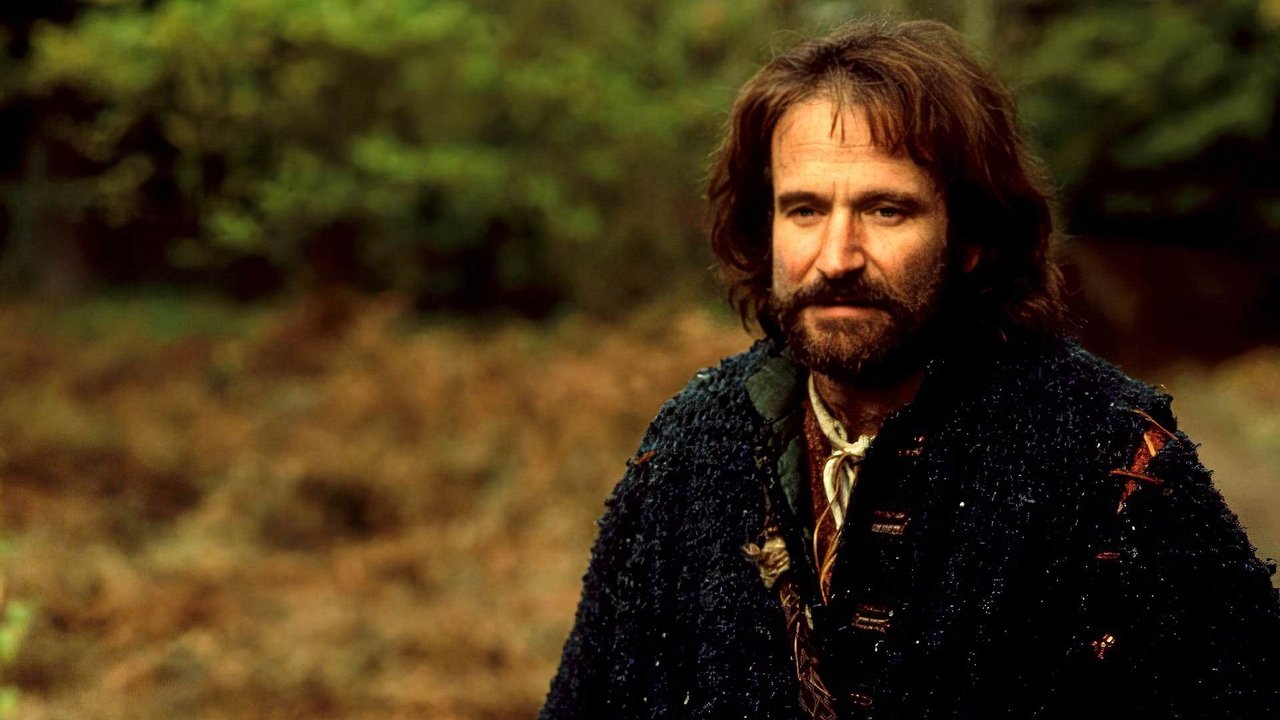
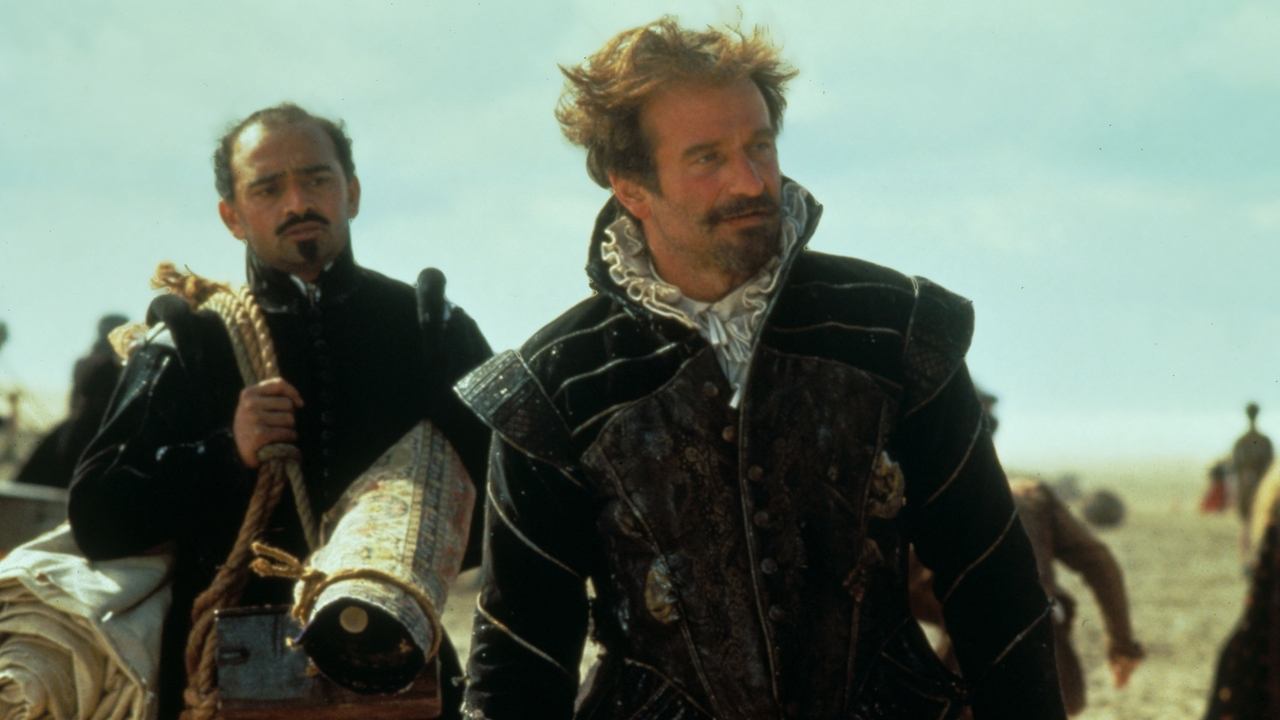
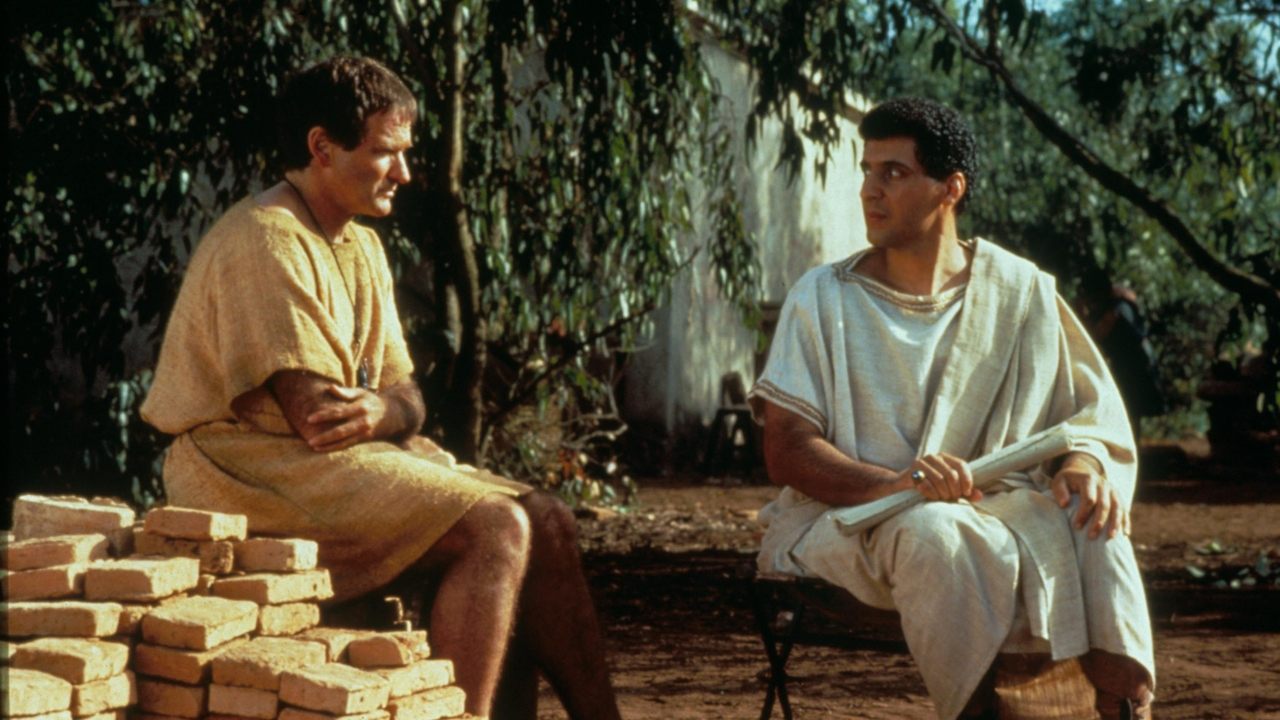
The premise itself is captivating: we follow a single soul, embodied consistently by Williams as variations of a character named Hector, through five distinct historical periods. From the struggles of a prehistoric man losing his family, to a Roman slave yearning for freedom, a medieval crusader navigating loss, a shipwrecked Portuguese nobleman on African shores, and finally, a modern New York man trying to connect with his estranged children. The film posits that while the circumstances change drastically – the clothes, the language, the societal structures – the core human experiences remain remarkably consistent. It's a narrative structure that demands patience, asking the viewer to find the threads connecting these disparate lives. Forsyth, who also penned the script, clearly wasn't aiming for easy answers but rather a meditative exploration of existence itself.
### The Weight on Williams' Shoulders
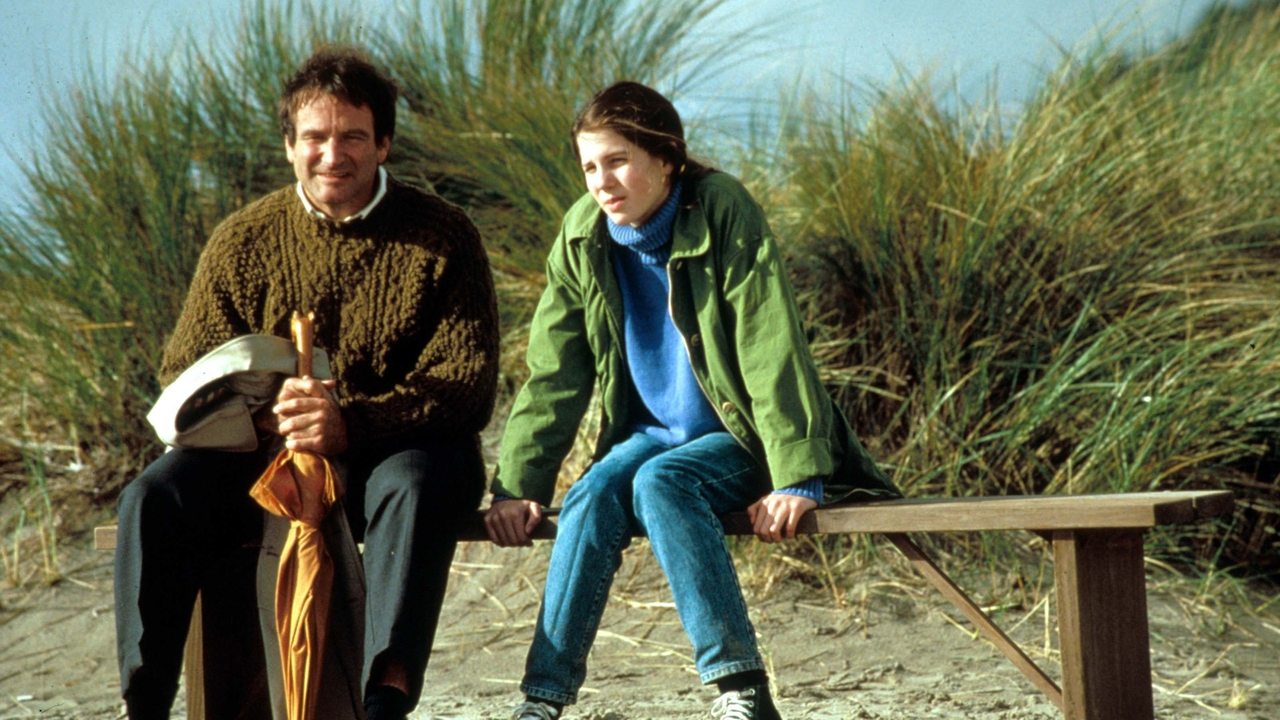
Watching Robin Williams navigate these different Hectors is the film's central draw, and perhaps its most debated aspect. Stripped of his trademark manic energy, he offers a performance grounded in vulnerability and quiet desperation. There's a weariness in his eyes that seems to carry across the ages, a sense of perpetually searching for something just out of reach – family, belonging, understanding. It’s a testament to his range that he commits so fully to this subdued register. While some critics at the time felt the performance lacked dynamism, viewed now, it feels like a brave and deliberate choice, an attempt to portray the soul rather than just the character. Supporting players like the ever-reliable John Turturro as a Roman merchant and Anna Galiena add texture to specific segments, but the film rests squarely on Williams, tasked with embodying the continuity Forsyth envisioned.
### The Ghost of the Edit Suite
It’s impossible to discuss Being Human without acknowledging its troubled production history, a piece of behind-the-scenes lore crucial to understanding the film we ended up renting. Forsyth’s original cut was reportedly close to two-and-a-half hours long, but Warner Bros., perhaps unnerved by the film's unconventional structure and lack of obvious commercial appeal, demanded significant cuts. Roughly 40 minutes were excised, leaving the theatrical (and VHS) version feeling somewhat episodic and occasionally underdeveloped. Certain thematic connections might feel abrupt, character arcs curtailed. Forsyth himself was deeply unhappy with the released version, and the film’s disastrous box office performance (grossing just over $5 million against a hefty $40 million budget – that's like spending over $80 million today for a return of about $10 million!) effectively stalled his mainstream directorial career for years. Knowing this context doesn't magically fix the film's occasional unevenness, but it does cast it in a different light – we're seeing a compromised vision, a ghost of a potentially richer, more cohesive experience. It also makes you appreciate the glimpses of brilliance that remain, like fragments unearthed from time. And for trivia fans, keep an eye out for a very young Ewan McGregor in one of his earliest screen roles during the medieval segment!
### Echoes Across Eras
Despite the editorial challenges, Forsyth’s contemplative mood often shines through. The film doesn't shy away from the pain inherent in the human condition – loss is a recurring motif, as is the struggle to truly connect with others. Yet, there’s also a persistent, quiet hope. Each Hector makes choices, faces consequences, and carries the imprint of past experiences, suggesting a lineage of feeling, if not direct memory. Does Hector learn? Does humanity? The film leaves these questions open, inviting reflection rather than providing neat conclusions. The atmosphere is often somber, punctuated by moments of beauty or fleeting connection, mirroring the unpredictable rhythm of life itself. What lingers most, perhaps, is the quiet sadness interwoven with resilience that Williams portrays – that feeling of carrying on, despite everything.
### A Noble Effort, Unearthed on Tape
Being Human is undeniably flawed, likely a casualty of studio interference colliding with ambitious artistic vision. It lacks the cohesive power it might have possessed in its original form, and its pacing can feel disjointed. Yet, there’s something deeply admirable about its attempt to grapple with such profound themes. It’s not a film you watch for easy entertainment; it’s one you sit with afterwards, pondering its implications. For those of us who remember finding it on the shelf, perhaps nestled between more conventional dramas, it remains a fascinating curiosity – a thoughtful, melancholic detour in Robin Williams’ filmography and a poignant example of Bill Forsyth’s unique sensibility straining against commercial pressures. It asks big questions, and even if it doesn't fully answer them, the act of asking feels significant.
Rating: 6/10
Justification: The film's ambition and Robin Williams' committed, against-type performance earn considerable points. Bill Forsyth's thoughtful themes resonate, and the core concept is intriguing. However, the fragmented feel, likely due to significant studio cuts, prevents it from fully achieving its potential, leaving certain segments underdeveloped and the overall narrative flow uneven. It's a noble failure, or perhaps more accurately, a compromised vision with moments of profound beauty.
Final Thought: More than just a movie, Being Human feels like an artifact – a testament to a unique vision, a star's desire to stretch, and the often-harsh realities of filmmaking, all preserved on that chunky plastic tape. What might it have been without the cuts? We can only wonder.